What This Belt Is Built to Do
A high abrasion resistant conveyor belt is a rubber belt whose cover compound is formulated to resist material loss when sharp, hard or fast-moving bulk materials slide and impact across its surface. In a quarry, a cement plant or an iron ore terminal, the belt surface sees constant scraping from crushed rock, clinker and sinter. The difference between an ordinary cover and an abrasion resistant cover shows up as service life, splice integrity and the amount of downtime spent replacing belt sections.
This is not a single compound sold under one name. It is a performance class, and buyers meet it in several constructions, including EP conveyor belt builds, NN conveyor belt builds and steel cord conveyor belt designs. The abrasion resistant cover is the working face; the carcass underneath carries the tension.
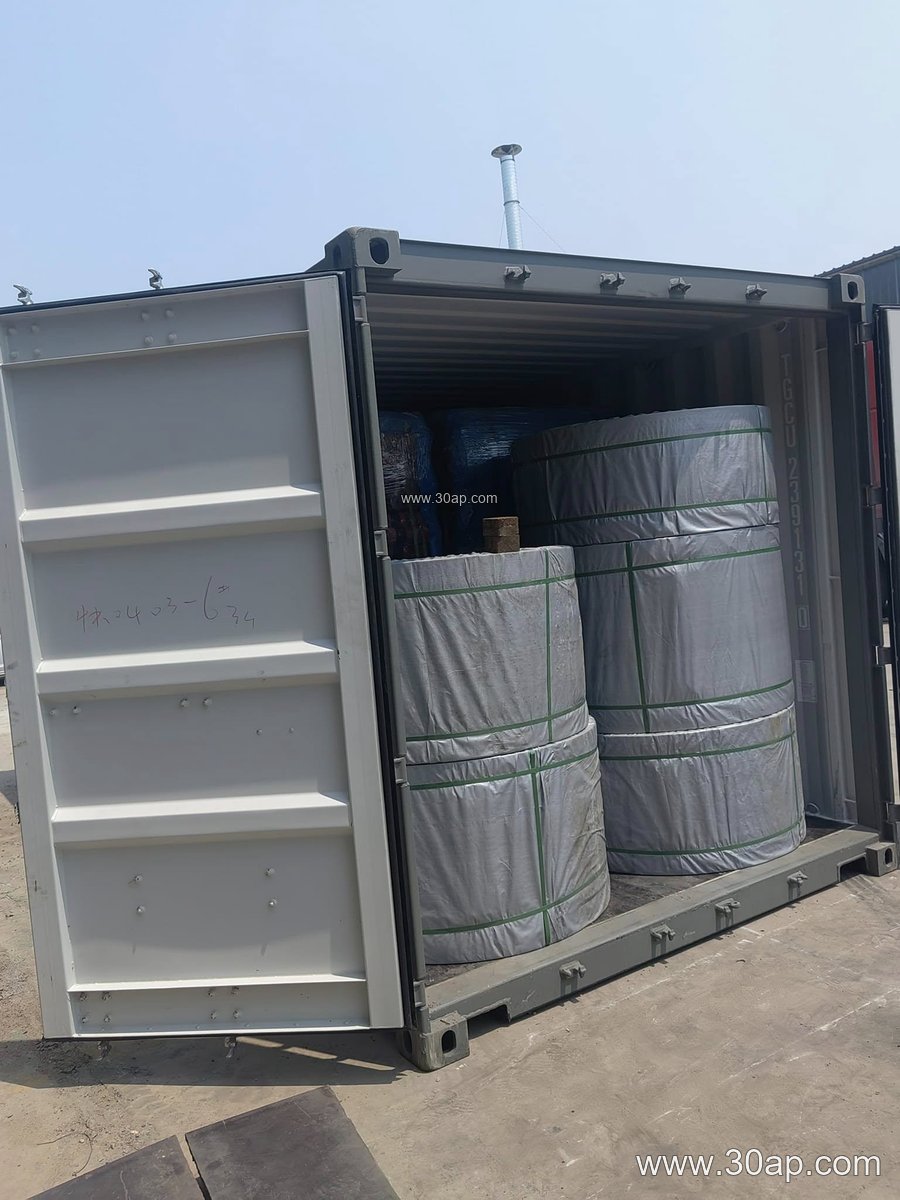
How the Belt Is Constructed
The cover is the first line of defence. Abrasion resistant compounds usually combine natural and synthetic rubber with reinforcing fillers that raise hardness and tear strength while keeping enough elasticity for troughing and pulley travel. Cover thickness matters as much as compound quality. Common top and bottom cover combinations include 4+2 mm, 5+2 mm, 6+2 mm and 8+3 mm, with thicker covers chosen where lump size and drop height are aggressive.
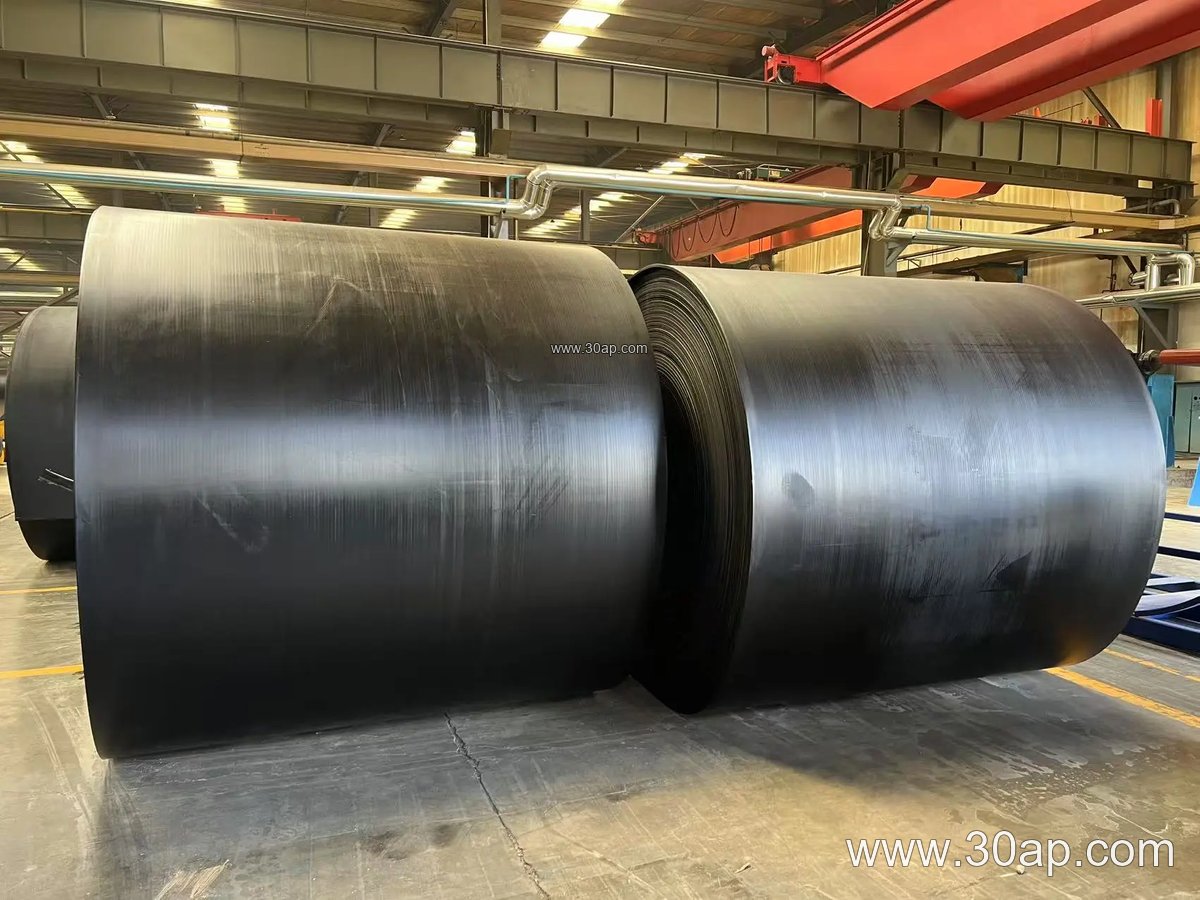
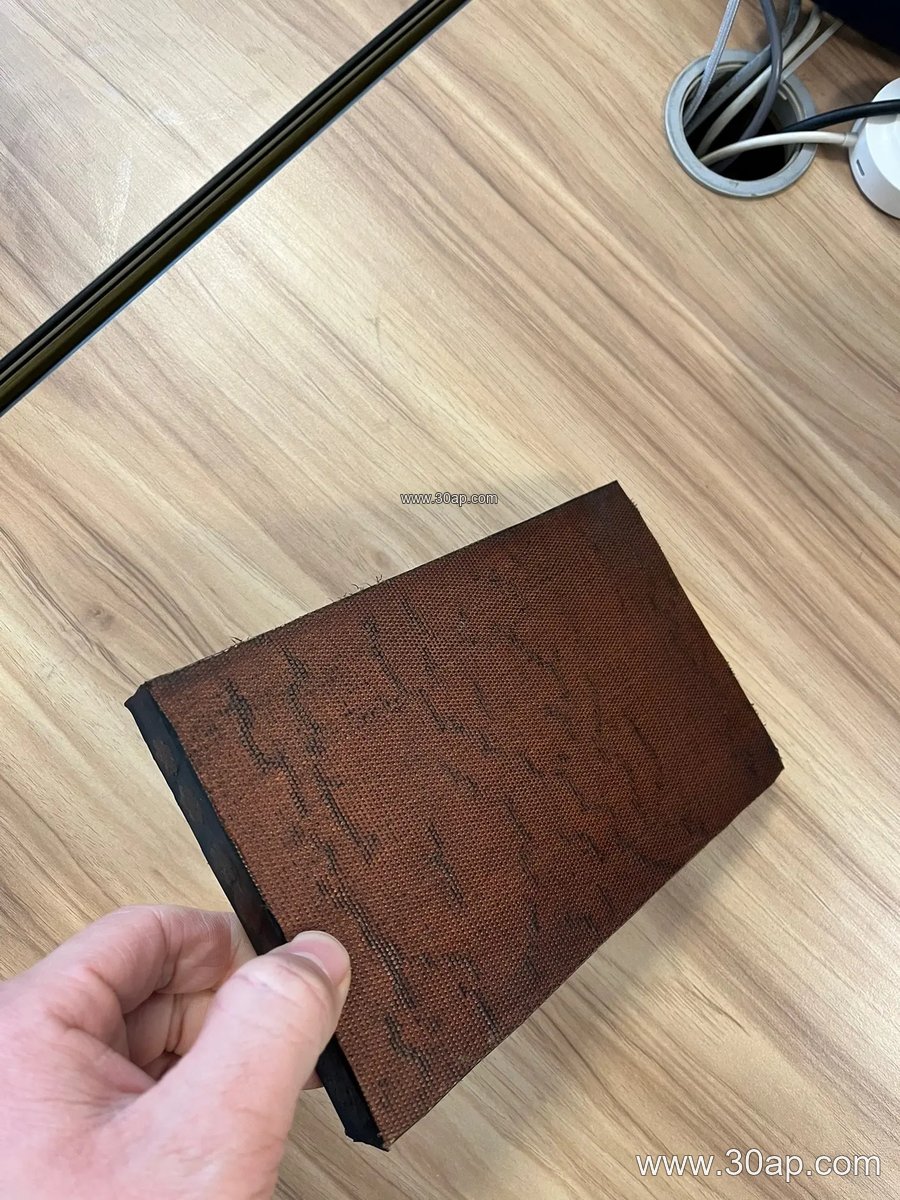
Under the cover sits the carcass. A multi-ply fabric core conveyor belt uses several woven fabric layers bonded in rubber; EP (polyester-nylon) and NN (nylon-nylon) plies are the usual choices. Steel cord belts replace the plies with parallel steel wires for very long runs and high tension. A rubber conveyor belt for abrasive duty may also include a breaker fabric or reinforced edge to resist ripping at the shoulders.
Typical carcass grades are stated as EP200, EP315, EP400, EP500, EP630, EP800, EP1000, EP1250 and upward. Widths commonly run from B500 and B650 through B800, B1000, B1200, B1400, B1600, B1800 and B2000. These are reference ranges, not a fixed catalogue; the final combination is set by the conveyor design.
Where It Fits on Site
Aggregate and quarry conveyors are the classic application: primary crusher discharge, screen feed and stockpile lines where crushed stone is angular and abrasive. Cement plants use these belts on clinker and limestone circuits. Power plants handle coal and ash, and here the cover may also need flame retardant conveyor belt behaviour, so the compound must satisfy two requirements at once. Mining operations from gold and copper ore handling to underground coal mining conveyor belt duty often specify abrasion resistance together with fire resistance and anti-static properties.
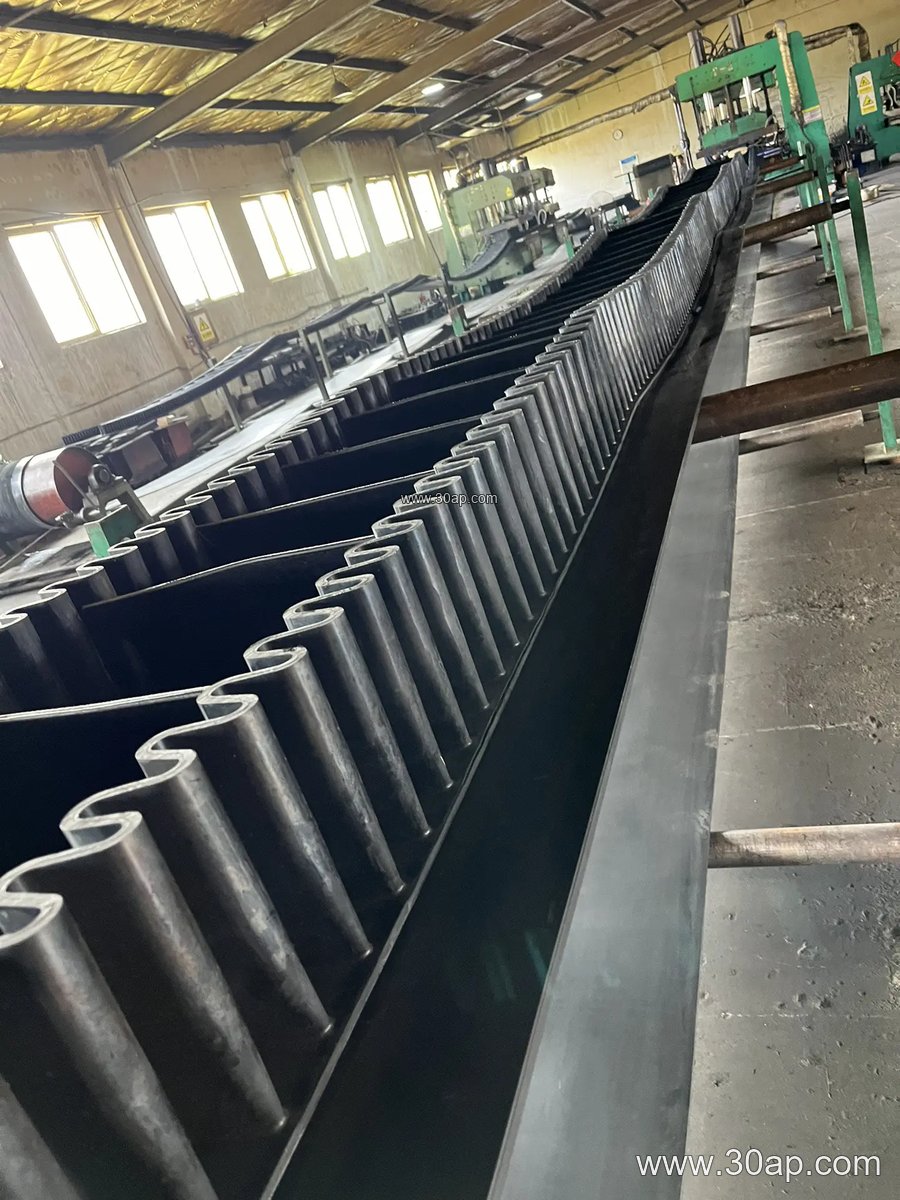
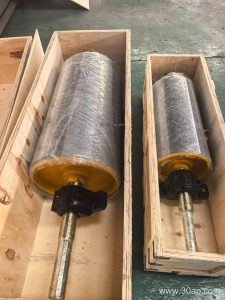
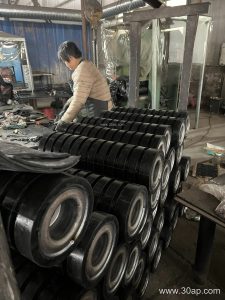
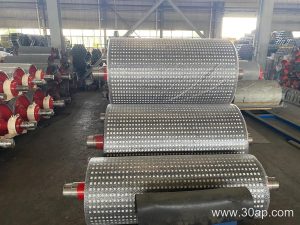
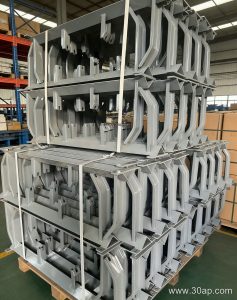
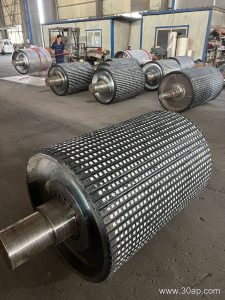
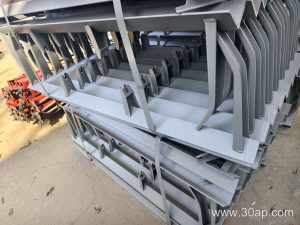
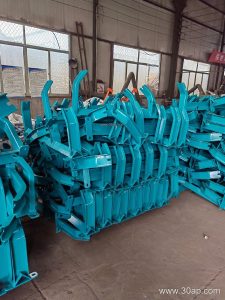
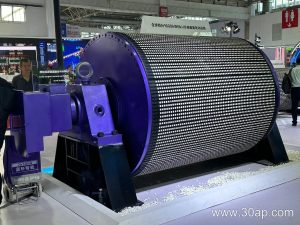
The belt does not work alone. A conveyor pulley at the drive, tail and bend positions, idler roller sets along the carrying side, and conveyor bracket assemblies all influence tracking and belt life. A belt with a hard, abrasion resistant cover still fails early if a conveyor pulley is misaligned or an idler roller seizes and scrubs the surface.
Cover Options and Comparisons
Abrasion resistance is one property among several, and the choice depends on what the belt actually contacts. A heat resistant conveyor belt is selected when material temperature is the dominant risk, while an oil resistant conveyor belt suits oily scrap or certain mineral feeds. Where fines must be contained on an incline, a chevron conveyor belt or a corrugated sidewall conveyor belt may be more appropriate than a flat belt, even though those are different designs rather than substitutes for an abrasion resistant cover.
For underground work, PVG conveyor belt constructions are common because they combine flame resistance with a solid-woven carcass. A buyer comparing PVG800S or PVG800 against an EP1000 build should compare the whole duty, not just the cover.
Selection Points for Buyers
- Match cover grade and thickness to lump size, drop height and material sharpness.
- Confirm carcass strength from the actual tension calculation, not from habit.
- Check whether flame retardant, anti-static, heat or oil resistance is also required.
- Review pulley diameters and idler roller spacing against the belt’s flexibility.
- Confirm splice method and edge protection for the intended duty.
Specifications vary between manufacturers. Treat published figures as a starting point and ask for the actual data sheet for the belt you intend to install.