What a Conveyor Bracket Really Does
In any belt conveyor system, the conveyor bracket is the quiet workhorse that holds the idler roller in place and keeps the belt profile stable. Procurement teams often focus on the belt or the drive pulley, yet the bracket determines whether the idlers stay aligned under load. A well-chosen bracket set reduces belt edge damage, limits spillage, and keeps maintenance intervals predictable in demanding sites such as a limestone quarry, a coal washing plant, or a cement kiln line.
This guide covers the structure, common configurations, and purchasing checks for conveyor bracket procurement, with notes on how brackets interact with the conveyor belt, idler roller, and conveyor pulley.
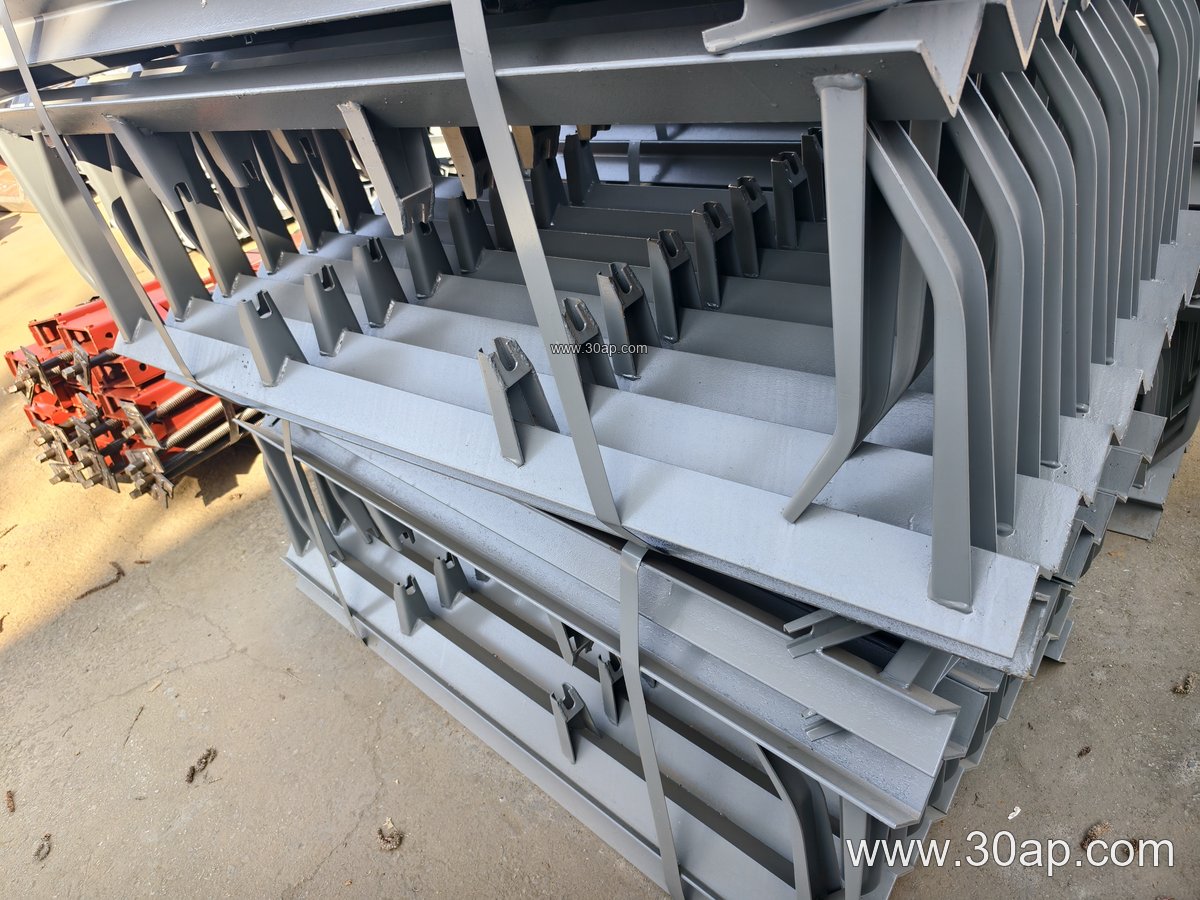
How the Bracket Is Built
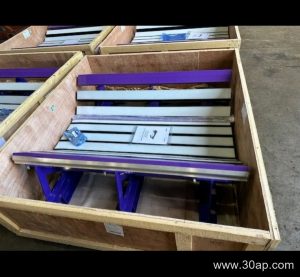
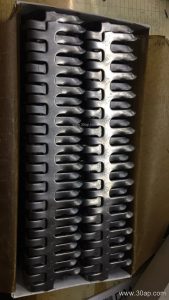
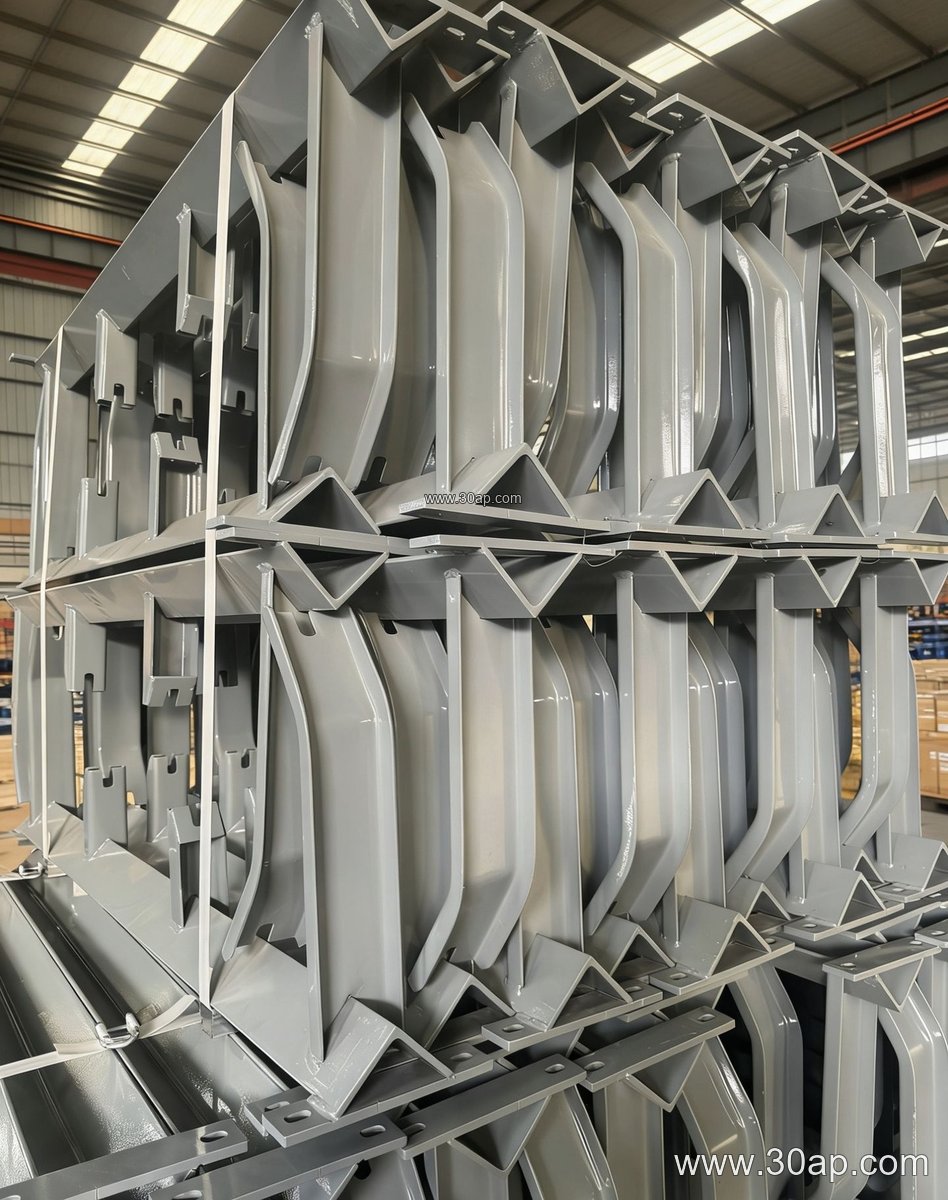
Most brackets are fabricated from angle steel, channel steel, or folded steel plate. The frame carries the idler shaft seats, and the mounting holes and crossbeam length are determined by belt width and trough angle rather than fixed numbers. A typical assembly includes:
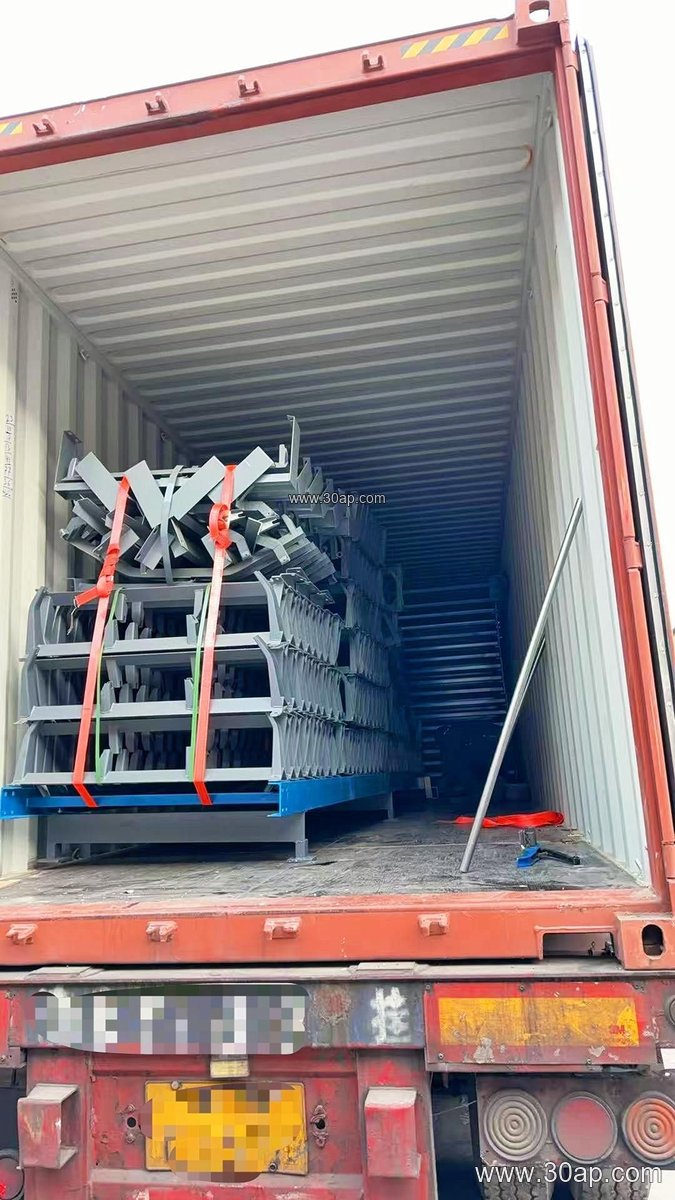
- Carrying-side trough brackets that set the trough angle
- Return-side flat or V-shaped brackets that support the lower belt run
- Transition brackets near the drive pulley and tail pulley
- Impact brackets under loading points
- Self-aligning and forward-leaning brackets for belt tracking
Adjustable versions allow the trough angle to be changed on site, which is useful when a line handles several material types. Forward-leaning brackets usually sit at about 1.5 to 2 degrees to help center the belt.
Matching Brackets to Belt Width and Roller Diameter
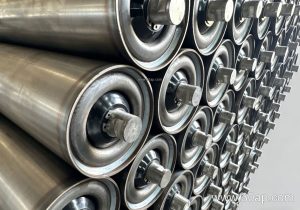
Belt width and roller diameter are related but not locked together. A B800 conveyor might run with Ø89 or Ø108 idlers depending on load and speed, while a B1200 line in a power plant coal yard often uses Ø133 or Ø159 rollers. The bracket must match the chosen roller seat and the design trough angle. Common reference combinations include B650 with 30 degrees and Ø89, B1000 with 35 degrees and Ø108, and B1400 with 45 degrees and Ø133. These are examples, not mandatory pairings.
| Belt Width | Common Trough Angle | Common Roller Diameter |
|---|---|---|
| B500 | 20-30 degrees | Ø89 |
| B650 | 30 degrees | Ø89 |
| B800 | 30-35 degrees | Ø89-Ø108 |
| B1000 | 35 degrees | Ø108-Ø133 |
| B1200 | 35-45 degrees | Ø133-Ø159 |
| B1400 | 35-45 degrees | Ø133-Ø159 |
| B1600 | 35-45 degrees | Ø159-Ø194 |
| B1800-B2000 | 35-45 degrees | Ø159-Ø194 |
When specifying, confirm the mounting hole spacing and crossbeam length with the conveyor designer. Do not assume a bracket for one belt width will fit another without checking the frame drawing.
Where Brackets Matter Most
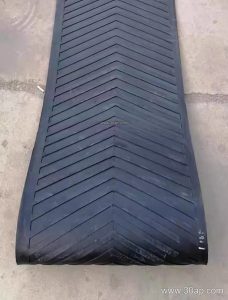
In a stone crushing and screening line, impact brackets under the crusher discharge absorb shock and protect the belt. In a port ship-loading system, self-aligning brackets help long conveyors track correctly. In an underground coal mining conveyor, flame retardant conveyor belt and robust bracket frames work together to limit fire risk and downtime. The bracket choice should follow the duty: heavy-duty mining conveyor belt lines need stiffer frames, while a food grade conveyor belt line may need smooth, easy-clean surfaces.
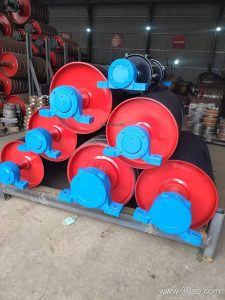
Brackets also interact with the conveyor pulley. A misaligned bracket near the tail pulley can cause belt wander that looks like a pulley problem. Checking bracket squareness before blaming the pulley saves time.
Procurement Checklist
- Confirm belt width, trough angle, and roller diameter as a set, not separately
- State whether the bracket is fixed or adjustable
- Specify material and surface treatment for the site environment
- Ask for dimensional drawings showing hole spacing and crossbeam length
- Check compatibility with the idler roller seat type
- Plan spare brackets for high-wear loading zones
For buyers sourcing through a supplier portal, keep the bracket specification separate from belt and pulley specifications so each item is quoted correctly. A clear drawing and a stated duty class are worth more than a long list of optional features.
Keeping the System Running
During routine inspection, check bracket bolts for looseness, look for bent frames after impact events, and verify that adjustable brackets have not drifted from their set angle. Replacing a worn bracket early is cheaper than replacing the belt edge it damages. For more on related components, see the conveyor belt and idler roller sections on the site.