What Is a Lower Return Idler
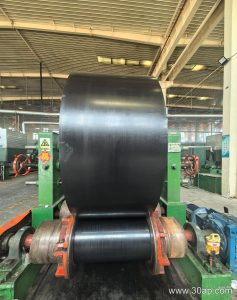
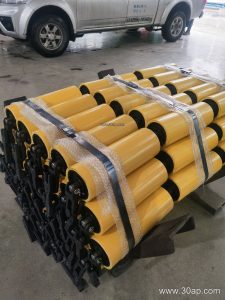
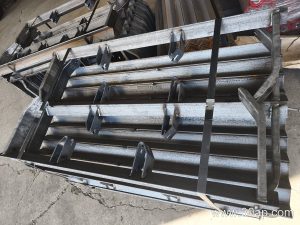
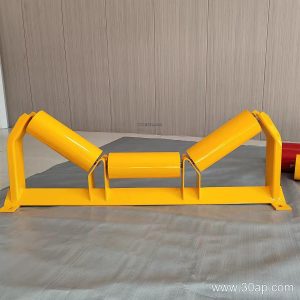
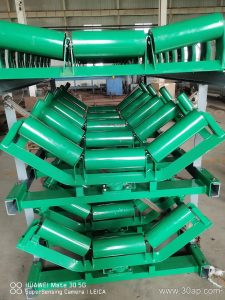
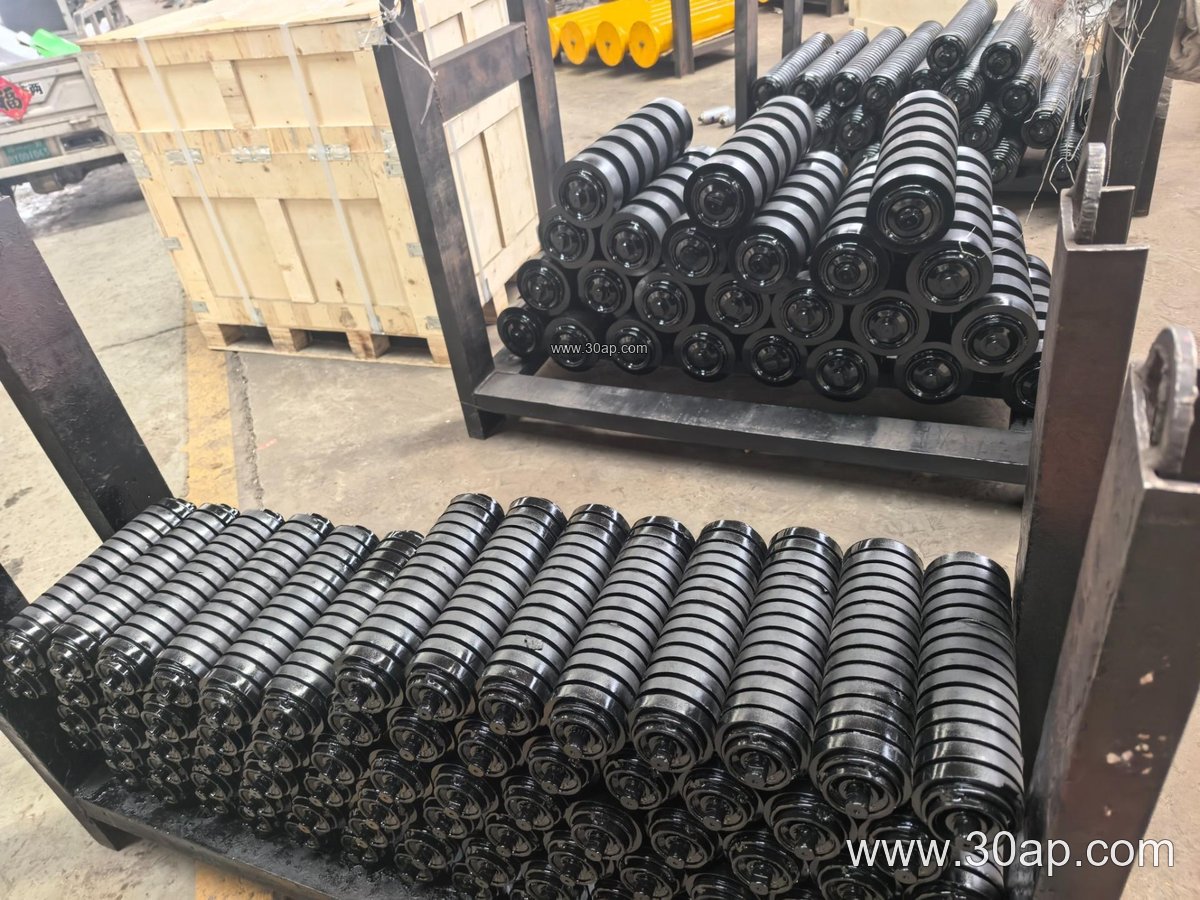
A lower return idler, also called a return roller or bottom idler, is a crucial part of a conveyor system. It supports the empty side of the conveyor belt as it travels back to the tail pulley. Unlike carrying idlers that support the loaded belt, return idlers are typically flat or have a slight V-shape to help keep the belt centered. They are essential for smooth operation in industries such as mining, coal preparation, cement plants, and power stations. Without proper return support, the belt can sag, misalign, and wear prematurely.
Construction and Design Features
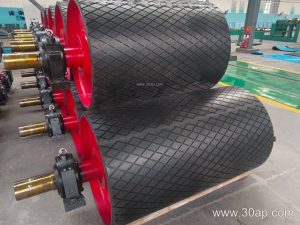
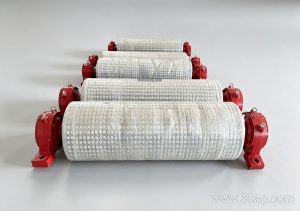
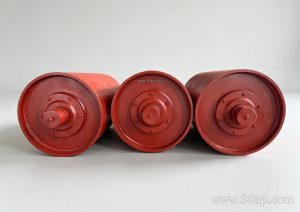
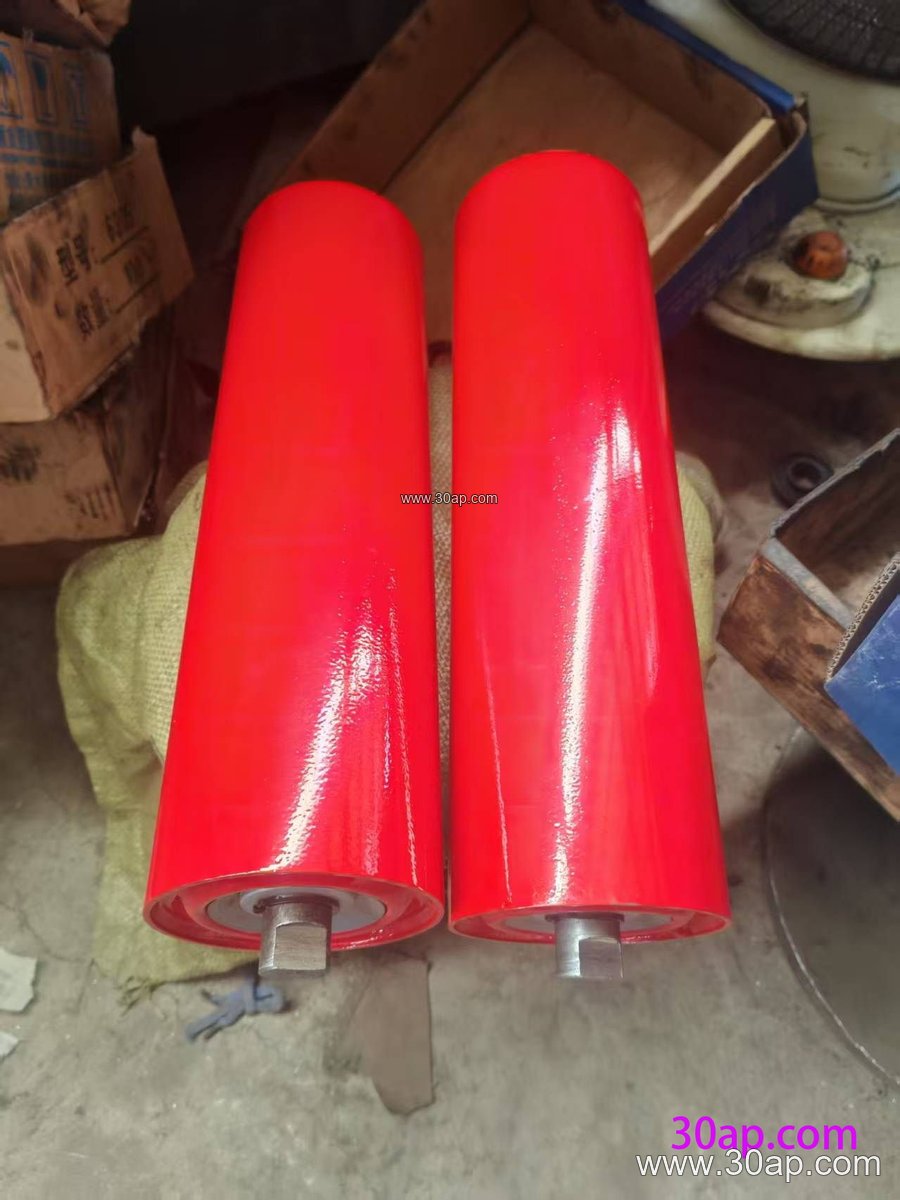
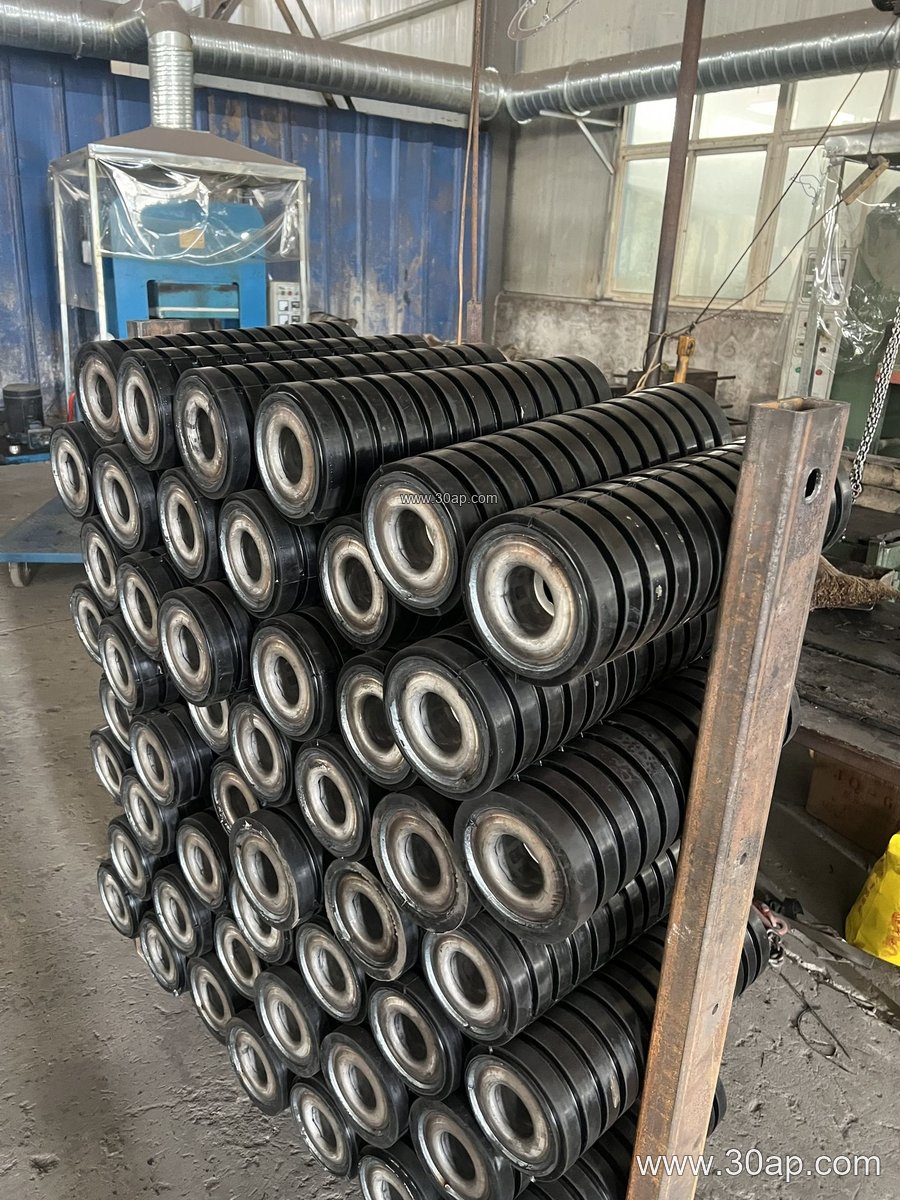
Lower return idlers are built to withstand harsh conditions. The roller body is usually made from steel tube, but other materials like nylon or rubber discs may be used for specific applications. The shaft is mounted on bearings, commonly 6204, 6205, 6305, 6306, 6308, or 6310, selected based on load and speed. Sealing is critical to keep out dust and moisture, especially in coal mining conveyor belts and quarry conveyor belts. Some designs feature a V-shaped return idler to aid belt tracking. The idler roller is often coated or covered with rubber to reduce wear on the belt cover. The conveyor bracket holds the idler in place and allows for easy replacement.
Where Lower Return Idlers Are Used
These idlers are found in almost every belt conveyor system. In a limestone quarry, they support the return side of the belt after the head pulley. In a coal-fired power plant, they help maintain belt tension on the return run. They are also common in aggregate conveyor belts, cement conveyor belts, and port conveyor belts. The choice of return idler depends on the conveyor belt width and the operating environment. For example, a 1200mm wide conveyor belt may use a return idler with a roller diameter of 127mm or 133mm. In dusty conditions, sealed bearings and rubber-covered rollers are preferred to extend service life.
Key Specifications and Selection Tips
When selecting a lower return idler, consider the belt width, roller diameter, and bearing type. Common roller diameters include Ø63, Ø76, Ø89, Ø102, Ø108, Ø127, Ø133, Ø159, and Ø178 mm. Belt widths range from B400 to B2400. The idler length varies with belt width and design; for instance, a 1000mm wide belt often uses a return idler with a roller length around 1150mm, but this should be confirmed with the conveyor design. The table below shows typical examples of return idler dimensions for different belt widths. These are common references, not fixed rules.
| Belt Width (mm) | Typical Roller Diameter (mm) | Typical Roller Length (mm) | Common Bearing |
|---|---|---|---|
| B500 | 89 | 600 | 6204 |
| B650 | 89 | 750 | 6205 |
| B800 | 108 | 950 | 6305 |
| B1000 | 108/127 | 1150 | 6306 |
| B1200 | 127/133 | 1400 | 6308 |
| B1400 | 133/159 | 1600 | 6308/6310 |
| B1600 | 159 | 1800 | 6310 |
| B1800 | 159/178 | 2000 | 6310 |
Always match the idler to the actual belt width and load. The return idler should be sized to support the belt weight and any material carryback. In applications with a steel cord conveyor belt or heavy-duty mining conveyor belt, heavier-duty return idlers with larger shafts and bearings are recommended.
Maintenance and Troubleshooting
Regular inspection of lower return idlers is important. Check for worn rollers, damaged bearings, and material buildup. A seized idler can damage the conveyor belt and cause downtime. Lubricate bearings as needed, and replace idlers showing excessive wear. In coal mining conveyor belts, fire-resistant and anti-static properties of the belt are critical, but the idlers themselves should also be selected for the environment. Keeping the return side clean reduces wear on both the idler roller and the belt.
For more information on conveyor components, visit our website at www.example.com/lower-return-idler. We also supply a wide range of conveyor belts including EP conveyor belt, steel cord conveyor belt, flame retardant conveyor belt, heat resistant conveyor belt, and abrasion resistant conveyor belt to meet your industrial needs.