What a Vertical Idler Bracket Does
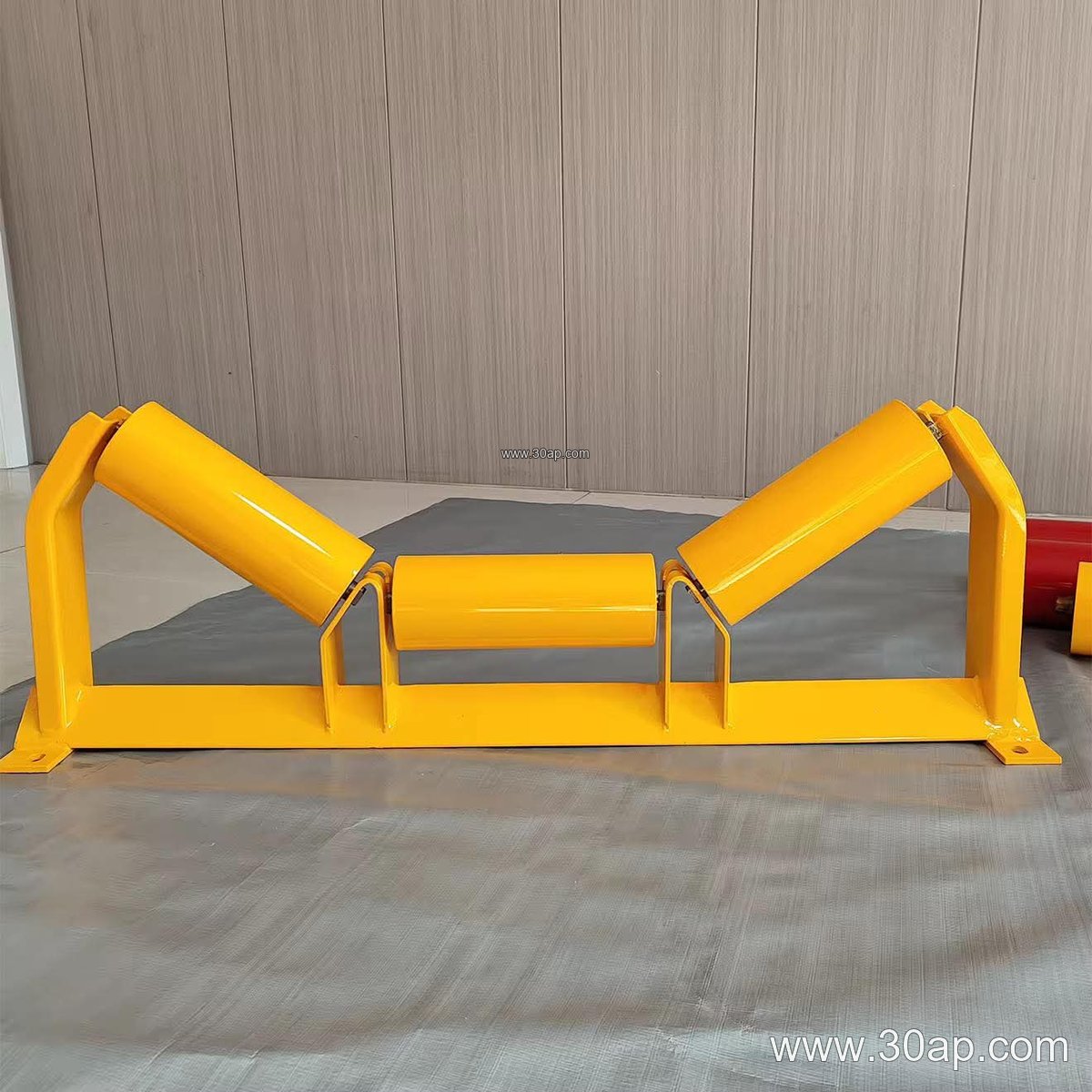
A vertical idler bracket is the mounting component that holds idler rollers in a vertical orientation, typically on the return side of a conveyor. Unlike conventional horizontal brackets that support rollers at a fixed trough angle, this bracket positions the idler perpendicular to the belt path, creating a vertical guide that helps control belt tracking and reduces material buildup on the return strand. In quarry and aggregate operations, this bracket is often paired with a V-return idler arrangement to keep the belt centered as it travels back to the tail pulley.
Construction and Materials
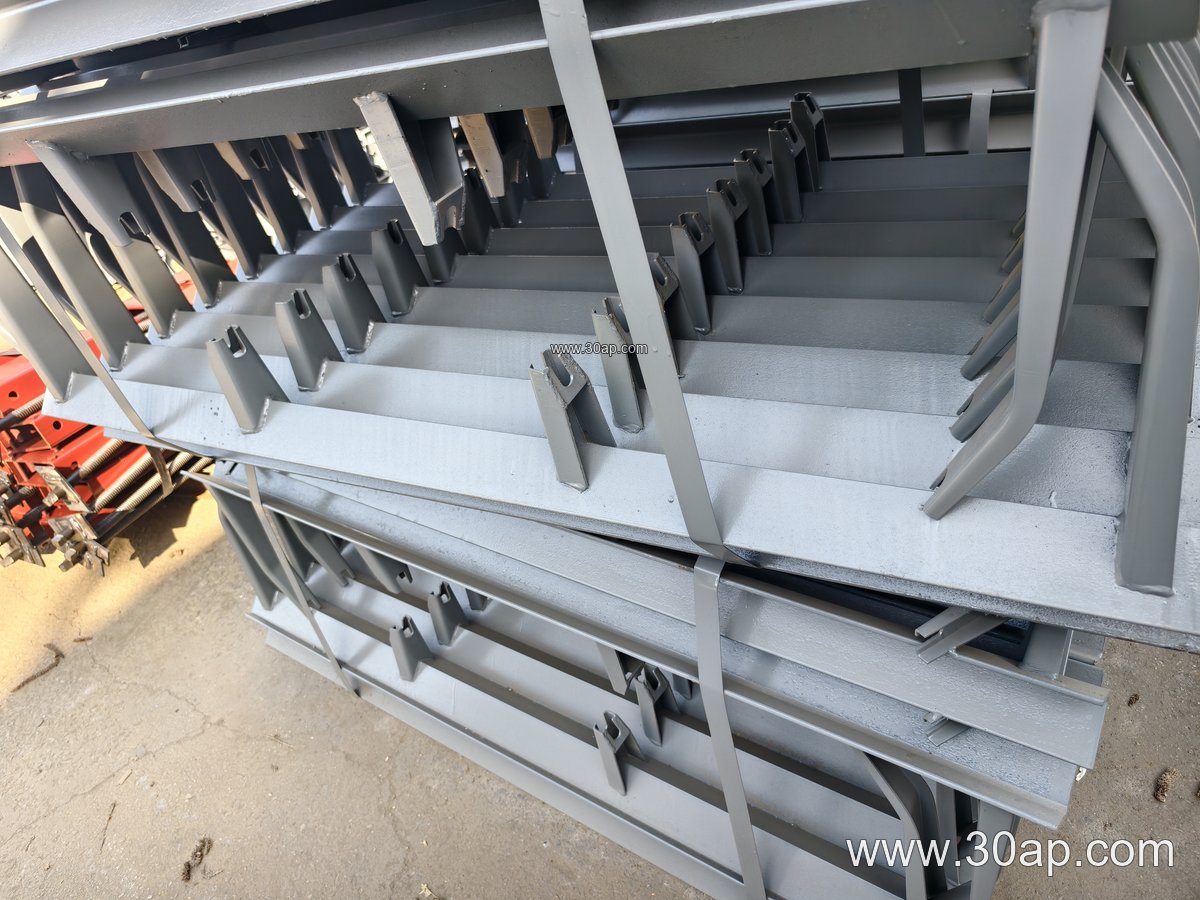
Most vertical idler brackets are fabricated from angle steel, channel steel, or bent steel plate. The choice of material depends on the load and environment: channel steel offers higher rigidity for heavy-duty mining conveyor belts, while bent plate can reduce weight and cost in lighter applications. The bracket usually includes slotted mounting holes to allow adjustment during installation. Welded gussets or reinforced corners are common where the bracket attaches to the conveyor frame, especially in high-vibration settings such as crusher discharge points.
Surface treatment varies. In coal mining conveyor systems, brackets may be galvanized or coated with anti-corrosion paint to withstand moisture and dust. In cement plants, where abrasive dust is present, thicker steel and sealed mounting surfaces help extend service life.
Where It Fits in the Conveyor Layout
The vertical idler bracket is typically installed on the return run, between the tail pulley and the drive pulley. It supports the idler roller that contacts the belt’s return surface. In some designs, the bracket is part of a self-aligning idler set that pivots slightly to correct belt misalignment. This is particularly useful on long overland conveyors or in tunnels where the belt may drift due to uneven loading.
Typical industries include:
- Sand and gravel plants, where belt tracking is critical after crusher discharge
- Coal preparation plants, where fine material can cause belt wander
- Power plant coal handling systems, where reliability is essential
- Port bulk terminals, where long conveyors need stable return-side support
In these settings, the bracket works with the conveyor belt and idler roller to maintain a consistent path. It is not a substitute for a bend pulley or tail pulley; those components serve different functions in the drive and tensioning system.
Selection and Sizing Notes
When specifying a vertical idler bracket, buyers should consider belt width, idler diameter, and the required trough angle if the bracket is part of an adjustable set. Common belt widths range from B500 to B2000, with B800, B1000, and B1200 being frequent in aggregate and mining applications. Idler diameters such as Ø89, Ø108, Ø133, and Ø159 are typical, but the correct match depends on load and belt speed, not on width alone. For example, a B800 conveyor might use Ø108 idlers in a 35-degree trough, while a B1200 system could use Ø133 or Ø159 depending on the material weight.
Adjustable brackets allow the trough angle to be set between 20 and 45 degrees, which helps fine-tune belt contact. Fixed brackets are simpler and often used where the belt path is already well defined. Mounting hole spacing and crossbeam length are determined by the conveyor frame design, so these dimensions should be confirmed with the conveyor manufacturer.
Buyer Checklist
- Confirm the bracket type: fixed, adjustable, or self-aligning
- Verify belt width and idler diameter for compatibility
- Check material thickness and surface treatment for the environment
- Ensure mounting holes match the conveyor frame
- Consider the return belt condition: a worn or misaligned belt may need a different bracket style
For heavy-duty mining conveyor belts or abrasive ore conveyor belts, a reinforced bracket with thicker steel is often advisable. In food or chemical plants, stainless steel or coated brackets may be preferred to resist corrosion. The vertical idler bracket is a small but important part of the conveyor system, and selecting the right one helps reduce downtime and extend belt life.