What a Large Pulley Does on a Conveyor
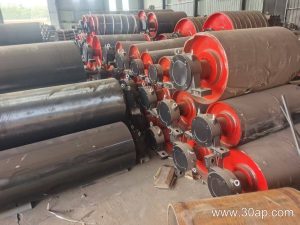
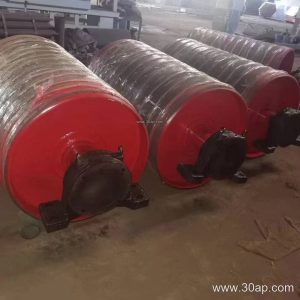
A large pulley is the heavy-duty drum that turns a conveyor belt at the head, tail, or tensioning point of a bulk handling line. In everyday plant language it is also called a large conveyor pulley or a large drum pulley. Diameters typically start where standard pulleys stop — commonly Ø630 mm and above — and can reach Ø1000, Ø1250, Ø1400, Ø1600, or Ø1800 mm depending on belt width and load. It is not simply a scaled-up idler roller; it carries the full belt tension and transmits drive torque, so its shell, shaft, and bearings are built to a different standard.
How the Drum Is Built
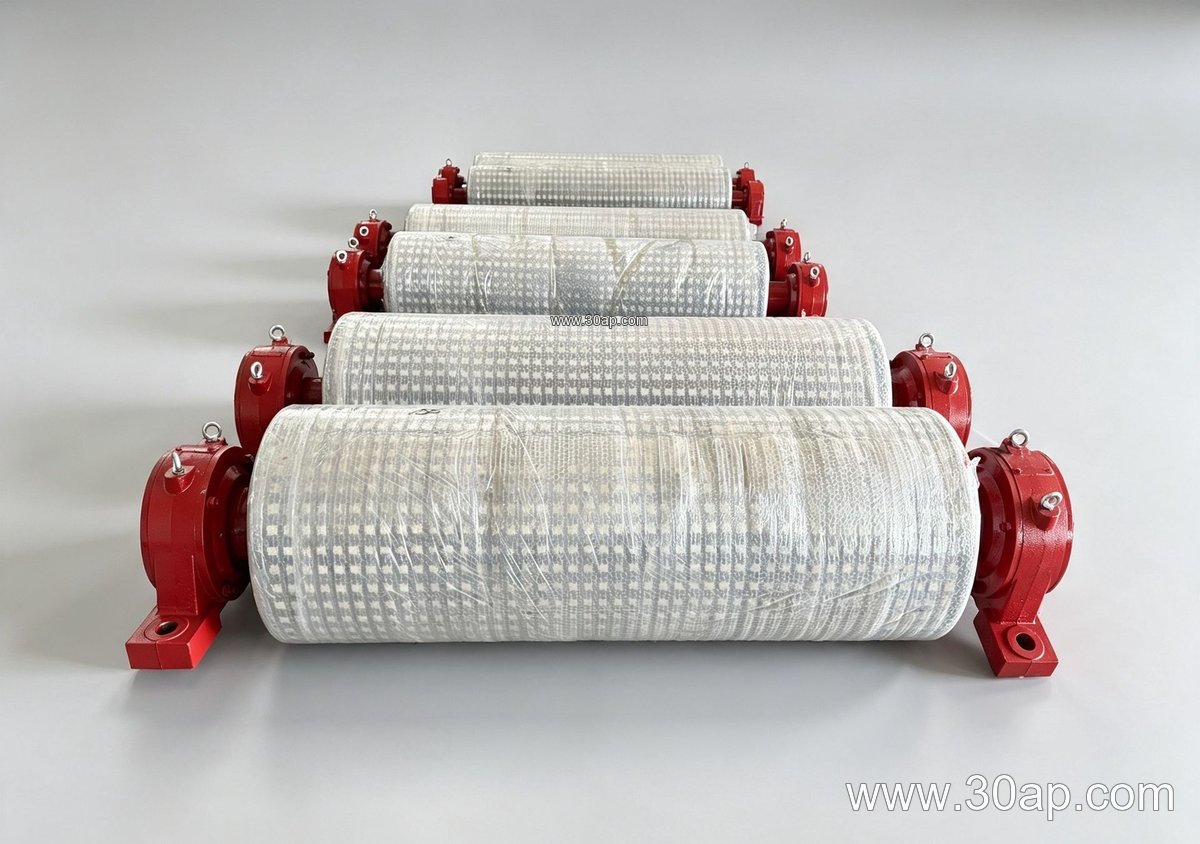
Most large pulleys use a welded steel shell with dished or flat end plates, a through shaft or stub shafts, and bearing housings mounted on the shaft ends. The shell is machined for concentricity, then covered with a lagging layer when extra grip is needed. Common surface options include plain finish, hot-vulcanized rubber, cold-bonded rubber, diamond groove lagging, herringbone lagging, and ceramic lagging, usually at 8, 10, 12, 15, or 20 mm thickness. A diamond or ceramic surface sheds water and fines in wet, dusty service, while a plain face suits clean, low-tension positions.
Typical reference dimensions
Values below are common industry references, not fixed pairings. Final diameter follows belt tension, wrap angle, and shaft torque, and shaft size is calculated from load rather than belt width alone.
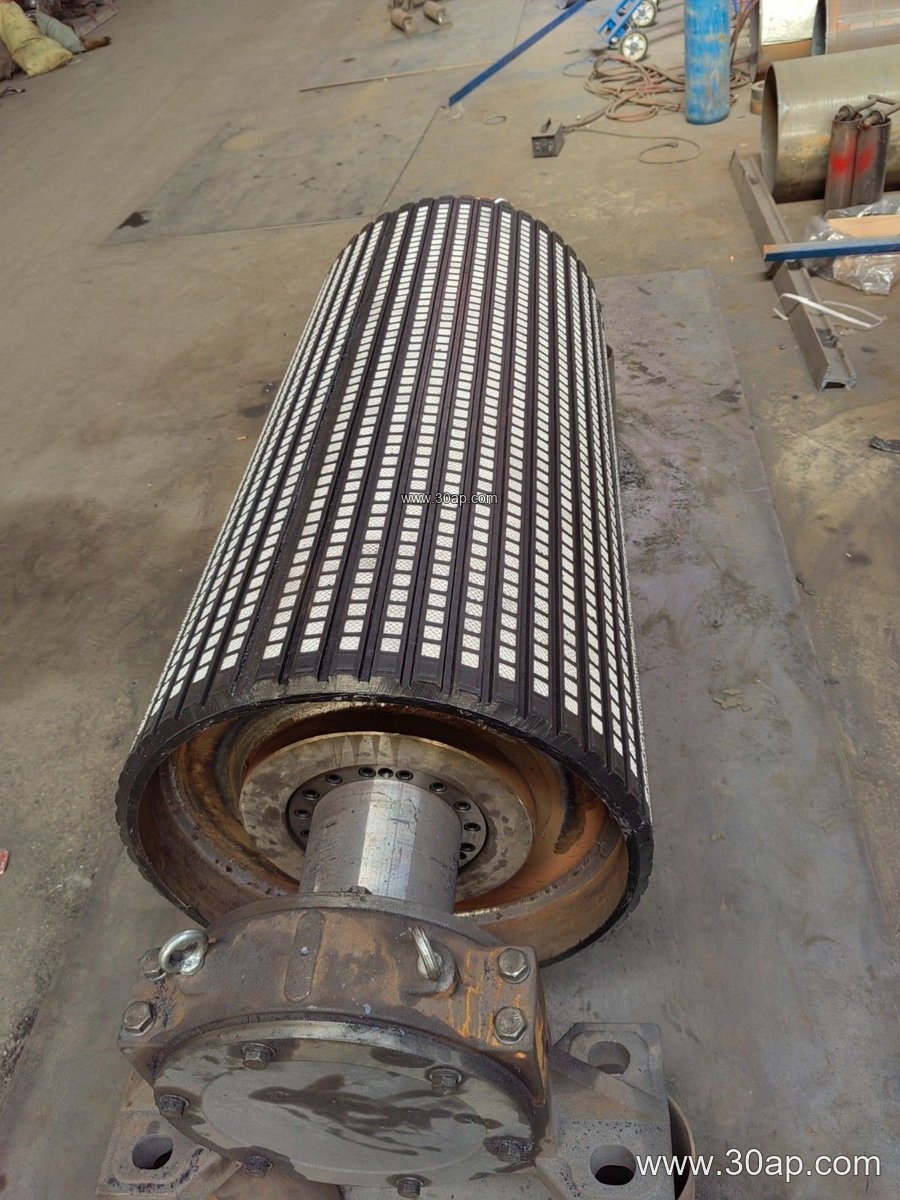
- Belt width B800 — face width around 950 mm, diameter options Ø400 to Ø630 mm
- Belt width B1000 — face width around 1150 mm, diameter options Ø500 to Ø800 mm
- Belt width B1200 — face width around 1400 mm, diameter options Ø630 to Ø1000 mm
- Belt width B1400 — face width around 1600 mm, diameter options Ø800 to Ø1250 mm
- Belt width B1600 — face width around 1800 mm, diameter options Ø1000 to Ø1400 mm
Shaft diameters in this class commonly run from Ø100 mm to Ø200 mm. A B1200 × Ø1000 head drum and a B800 × Ø500 tail drum are both realistic combinations in different duty levels.
Where It Fits in the Line
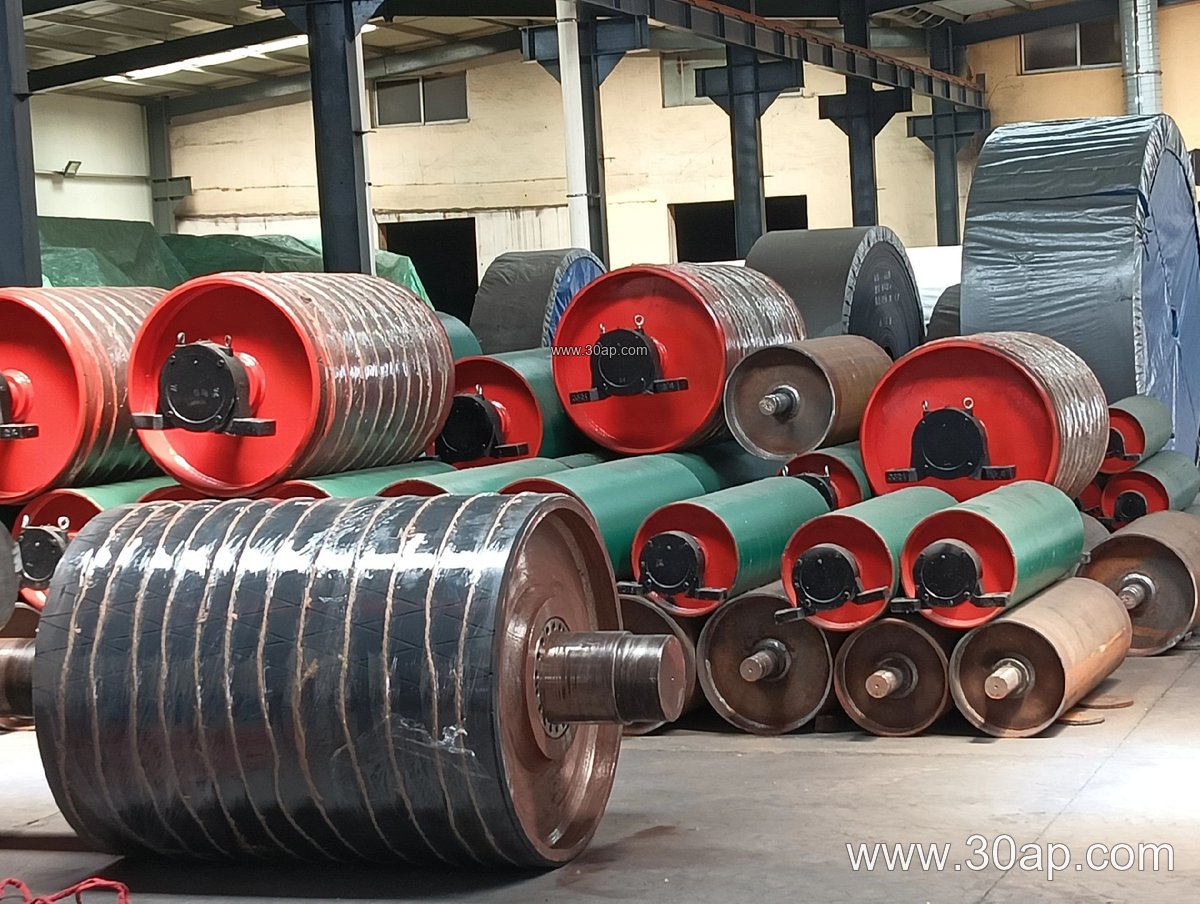
The position determines the job. A head or drive pulley pulls the belt and must resist slip, so lagging and a large wrap angle matter. A tail pulley at the loading end guides the belt back and often needs a self-cleaning surface. A bend pulley changes belt direction, while a take-up pulley maintains tension as the belt stretches. These roles are not interchangeable — a drive pulley cannot simply be swapped for a bend pulley of the same size, because torque, bearing load, and lagging requirements differ.
On the belt side, the pulley works with whatever carcass the line carries: an EP conveyor belt or NN conveyor belt in general duty, a steel cord conveyor belt where tension is very high, and flame retardant or abrasion resistant grades in coal and ore service. Heavier carcasses generally call for larger drums to keep bend stress within limits.
Industries and Duty Conditions
Large pulleys appear wherever tonnage is high and belts are wide. In a limestone quarry or aggregate line, a primary crusher discharge conveyor often runs a Ø800 mm or larger head drum behind an abrasion resistant belt handling sharp rock. In a coal preparation plant, underground mining conveyor and flame retardant belt combinations put a premium on lagging that will not build up static or slip in damp conditions. Power plant coal handling, cement clinker lines, iron ore and copper ore terminals, and port ship loading systems all rely on this class of drum. Dust, moisture, temperature, and starting torque are the variables that most affect the choice.
What to Check Before Ordering
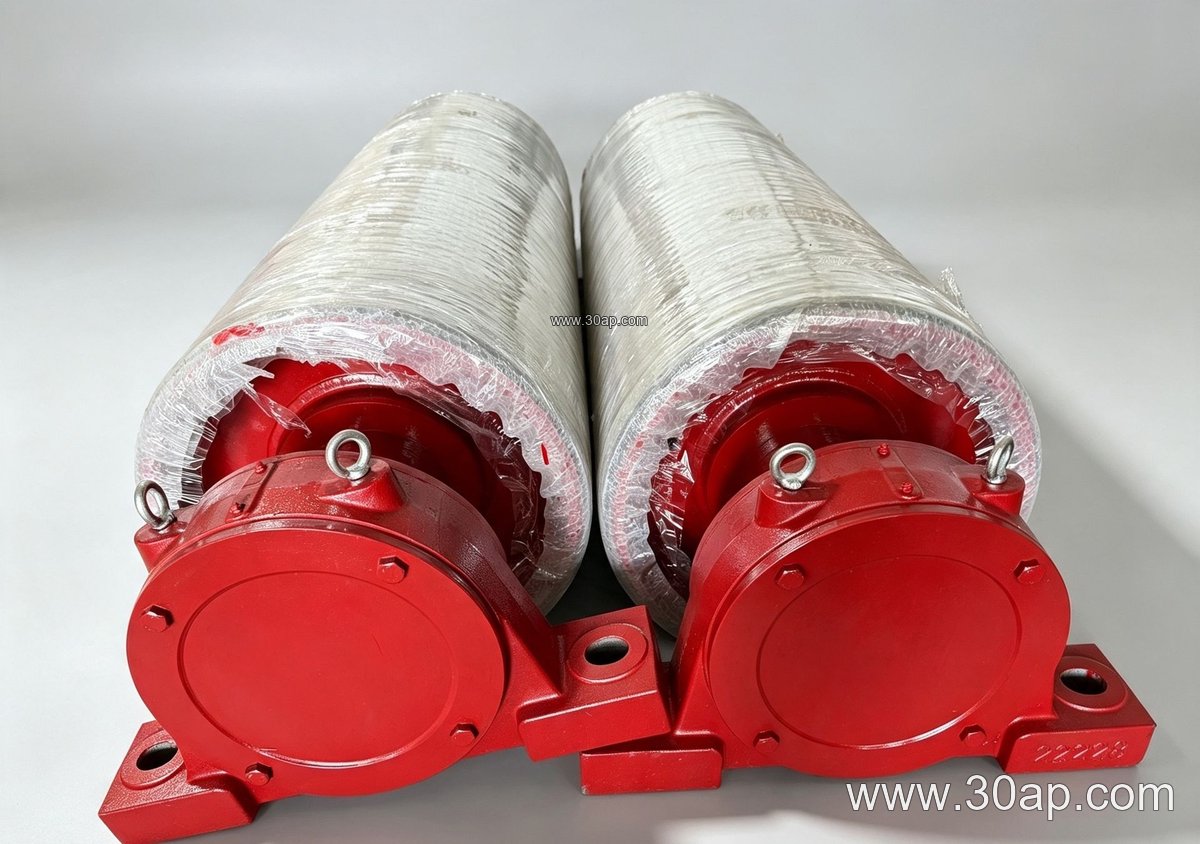
- Belt width and face width — the drum face normally exceeds belt width by roughly 100 to 200 mm.
- Duty and tension — confirm whether the unit is a drive, tail, bend, or take-up pulley, since each has different load assumptions.
- Lagging type and thickness — match surface to grip needs and material conditions.
- Shaft and bearing — sized from torque and radial load, not copied from belt width.
- Balancing and runout — important at higher belt speeds to protect the belt and bearings.
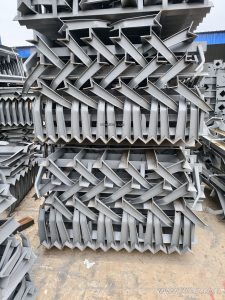
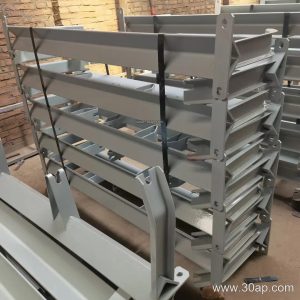
- Mounting interface — check that the conveyor bracket and bearing housing pattern match the existing frame.
Ask for a drawing showing shell thickness, end plate design, lagging groove pattern, shaft material, and bearing seat dimensions. A pulley that fits the frame but is under-sized on shaft torque will fail early, and one that is over-sized adds unnecessary weight and cost.
Maintenance Notes
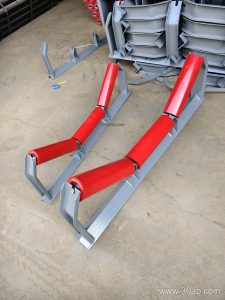
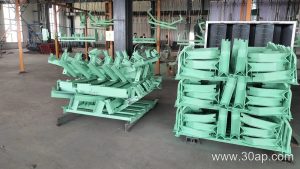
Inspect lagging wear at each shutdown, especially on drive pulleys where slip shows as polished or torn rubber. Check bearing temperature and grease condition regularly; a rising trend usually means misalignment or seal damage. Keep the belt tracking straight, because edge loading accelerates shell and lagging wear. When replacing lagging, confirm the bond method suits the site — hot vulcanized in a workshop, cold bonded in place — and allow proper cure time before restarting. For related components such as the conveyor belt, idler roller, and conveyor bracket, keep spare-part records aligned with the pulley drawing so future replacements match the original design.