What a 315mm Diameter Conveyor Pulley Is
A 315mm diameter conveyor pulley is a mid-sized drum component used in belt conveyor systems to drive, tension, or redirect the belt. With a nominal diameter of 315mm, this pulley sits between smaller tail pulleys and larger drive pulleys, making it a versatile choice for moderate-duty applications. It is commonly found in quarry, aggregate, and cement plant operations where space and load requirements call for a balanced solution. The pulley works in tandem with the conveyor belt, idler rollers, and conveyor brackets to maintain smooth material flow.
Construction and Key Components
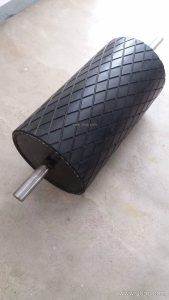
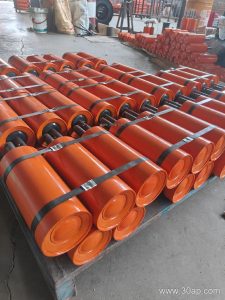
The 315mm diameter conveyor pulley typically consists of a cylindrical shell, end discs, a shaft, and bearing housings. The shell is usually made from seamless steel tube or rolled plate, machined to ensure concentricity. Shaft diameters are selected based on torque and load, with common sizes ranging from Ø80 to Ø160 for this pulley size. Surface options include plain finish, rubber lagging (cold-bonded or hot-vulcanized), diamond pattern, and ceramic lagging. Lagging thickness often ranges from 8mm to 15mm, depending on the required grip and wear resistance.
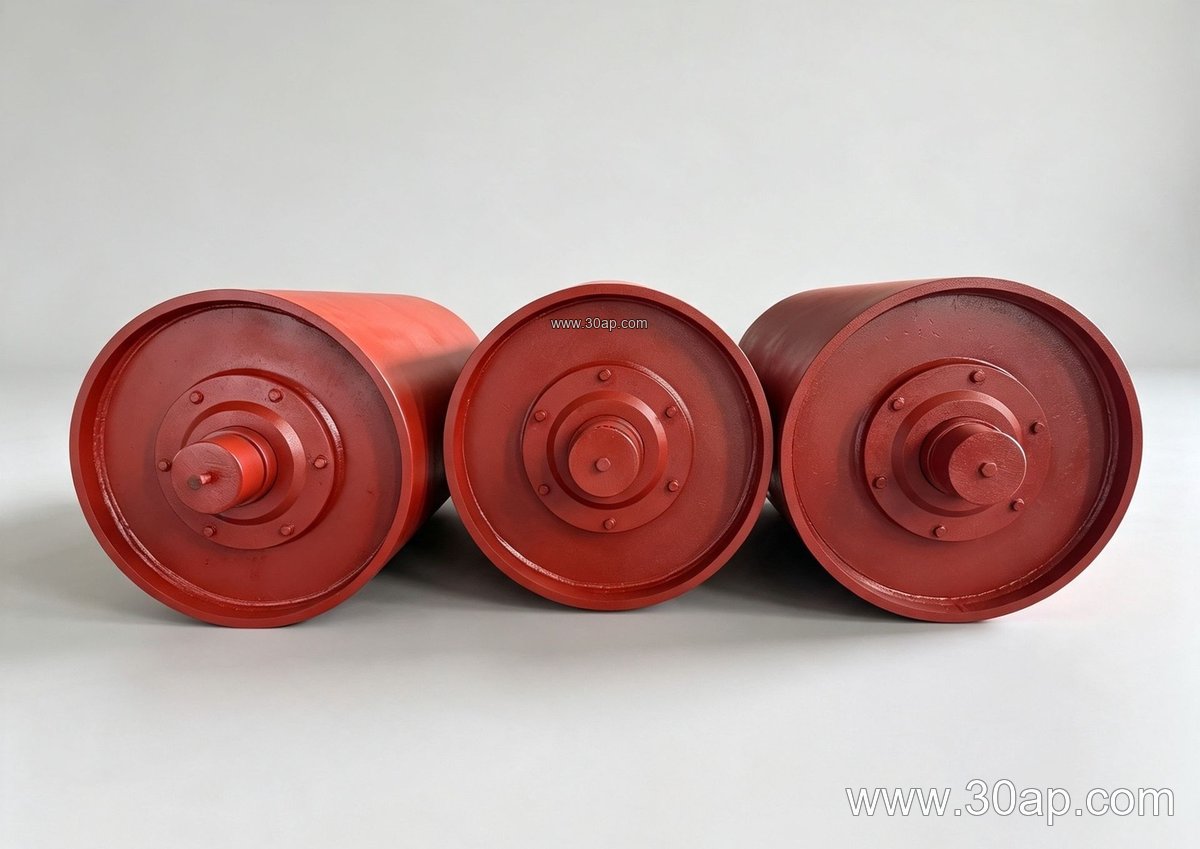
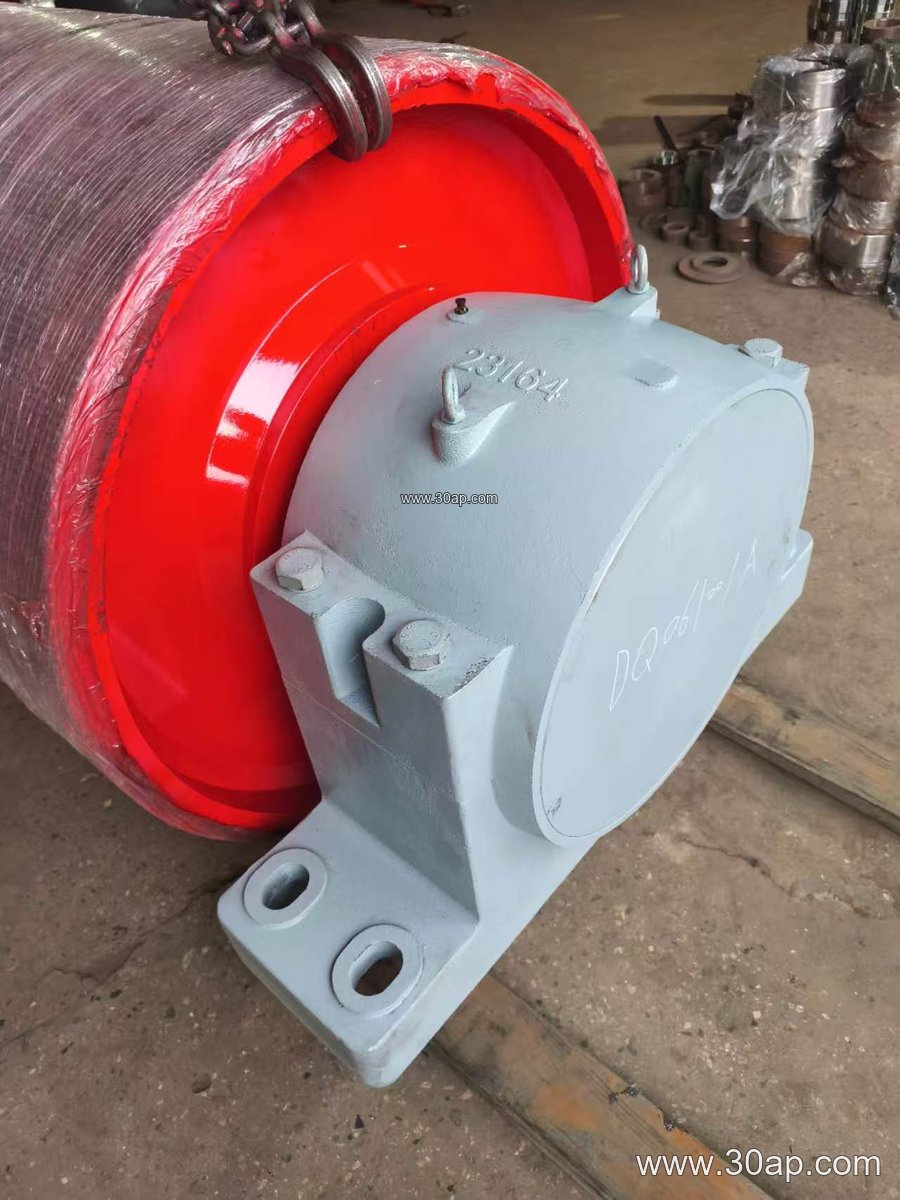
Bearing assemblies are housed in sturdy brackets that bolt to the conveyor frame. The pulley may be supplied with a keyed shaft, locking assemblies, or a shrink-disc connection. For maintenance, some designs feature removable end caps for bearing access.
Where It Fits in a Conveyor System
This pulley size is frequently used as a tail pulley or bend pulley in systems with belt widths from B650 to B1200. For instance, a B800 conveyor might use a 315mm diameter tail pulley to guide the return belt, while a B1000 system could employ it as a snub pulley to increase wrap angle on the drive pulley. In cement plants, it helps manage clinker transfer; in sand and gravel lines, it supports aggregate transport. The 315mm diameter also appears in portable crushing and screening plants where compact dimensions are beneficial.
Specifications and Selection Considerations
When specifying a 315mm diameter conveyor pulley, several parameters must be defined. The table below outlines typical ranges (reference values only; actual supply depends on design).
| Parameter | Common Range |
|---|---|
| Diameter | 315 mm |
| Belt width compatibility | B650 – B1200 (varies) |
| Shell length | Approx. 750 – 1400 mm |
| Shaft diameter | Ø80 – Ø160 mm |
| Lagging thickness | 8 – 15 mm |
| Lagging type | Plain, rubber, diamond, ceramic |
Belt width does not dictate a single pulley diameter; the 315mm size can be paired with various belt widths as long as the shaft and bearing ratings are adequate. Shaft diameter must be calculated from torque and radial loads, not assumed from belt width. The pulley face width is usually slightly wider than the belt to prevent edge damage.
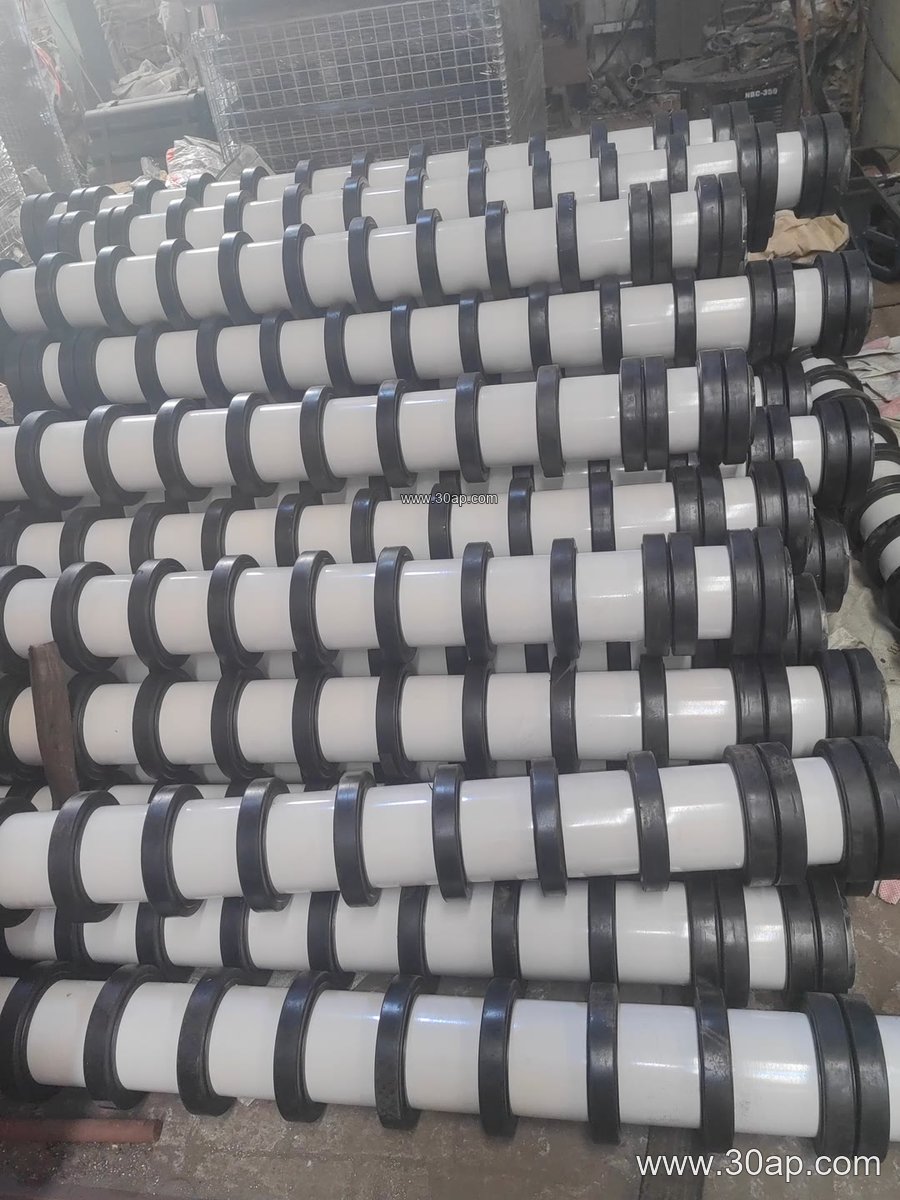
Buyers should also consider the operating environment. In coal mining or underground mining, flame retardant and anti-static properties may be required for the conveyor belt, and the pulley lagging should resist abrasion. For iron ore or copper ore handling, high abrasion resistant conveyor belt and ceramic lagging can extend service life. In food or fertilizer plants, oil resistant or food grade belts may be needed, and the pulley surface should be cleanable.
Maintenance and Compatibility
Regular inspection of the 315mm diameter conveyor pulley includes checking lagging wear, bearing temperature, and shaft alignment. Worn lagging reduces traction and can cause belt slippage. Re-lagging with cold-bonded rubber or ceramic tiles is a common refurbishment. The pulley should be compatible with the conveyor belt type—for example, a pipe conveyor belt or corrugated sidewall belt may require special pulley profiles. Ensure that idler rollers and conveyor brackets are aligned to avoid uneven belt tracking.
For harsh applications, such as a crusher conveyor belt or quarry conveyor belt, consider a pulley with reinforced shell and heavy-duty bearings. The 315mm diameter offers a good balance between load capacity and space efficiency, making it a practical component in many bulk material handling circuits.