What a Tapered Idler Does on a Conveyor
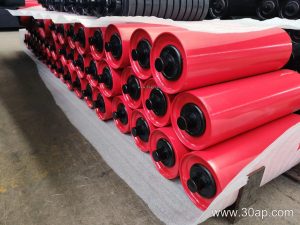
A tapered idler is a roller with a conical profile, often used in the transition zone or as a self-aligning component to guide the conveyor belt. Unlike standard cylindrical rollers, its changing diameter across the face helps correct belt tracking and reduce edge damage. In quarry and aggregate lines, a tapered idler is frequently installed just after the head pulley or before the tail pulley to stabilize the belt as it opens or closes. The same principle applies in cement plants and power plant coal handling, where belt wander can cause spillage and premature wear.
Construction and Key Dimensions
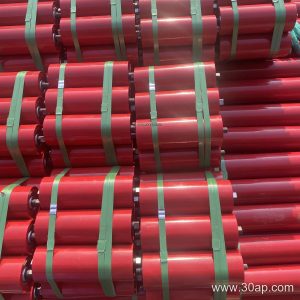
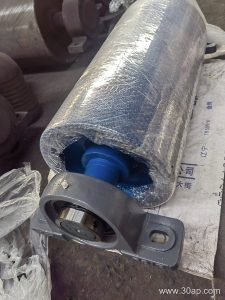
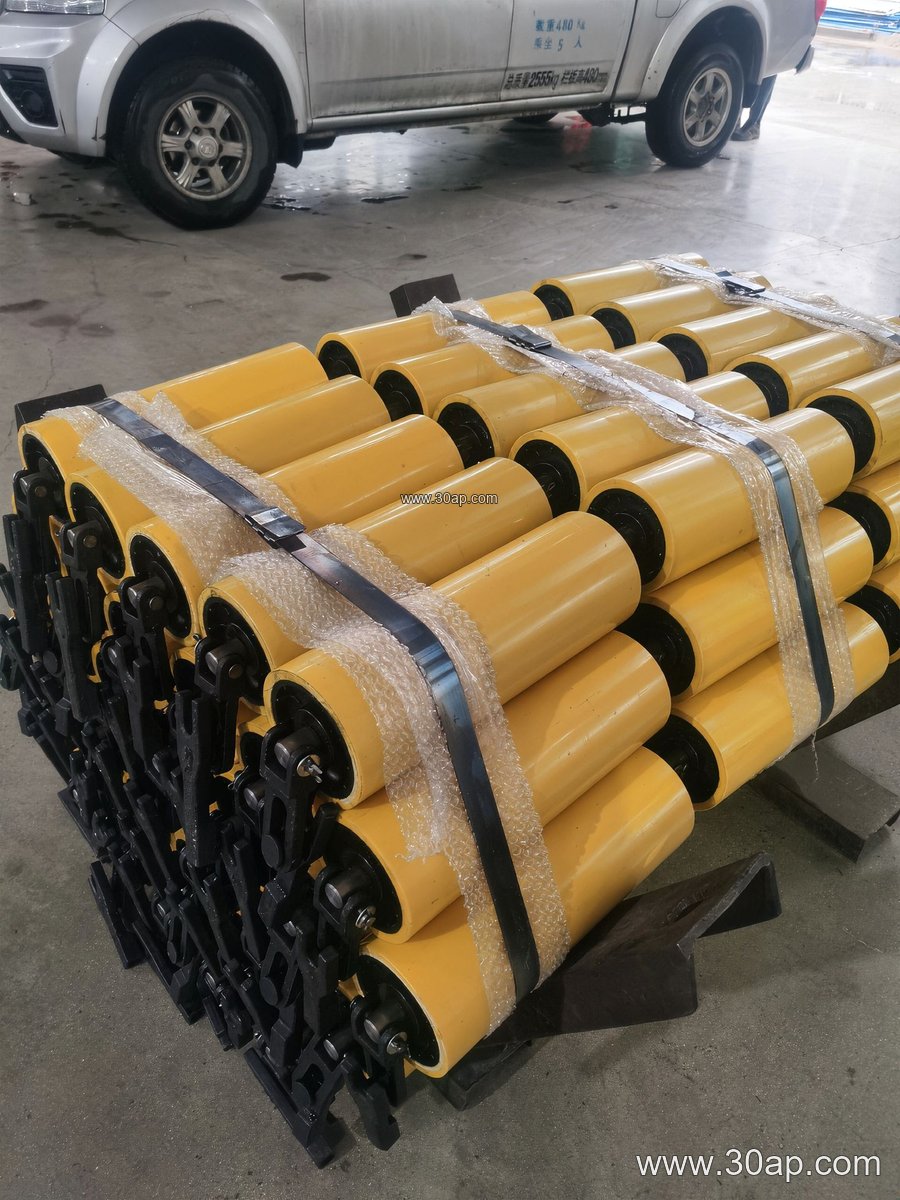
Most tapered idlers are built with a steel tube shell, precision bearings, and a sealed housing to keep out dust and moisture. The taper angle and roller diameter are selected based on belt width and load. Common roller diameters for tapered designs include Ø89, Ø108, Ø127, and Ø159 mm, while belt widths range from B500 to B2000. The roller length varies with the conveyor bracket and troughing configuration. For reference, a three-roll troughing set on a B1000 belt often uses a center roll around 380 mm long, but side rolls and tapered units may differ. Bearings such as 6205 or 6305 are typical, but the bearing size should always be matched to the actual load and shaft, not assumed from belt width alone.
Where Tapered Idlers Fit in Bulk Handling
In a limestone quarry, a tapered idler can be placed at the transfer point to center the belt after loading. At a coal washing plant, it helps keep the belt on track when the conveyor is slightly misaligned. The same component is useful in sand and gravel operations, where uneven loading from a crusher can push the belt sideways. Tapered idlers are not a replacement for drive pulleys, tail pulleys, or bend pulleys; those are separate components with different functions. They also differ from standard troughing idlers, which support the belt but do not actively correct tracking.
Selection and Maintenance Notes
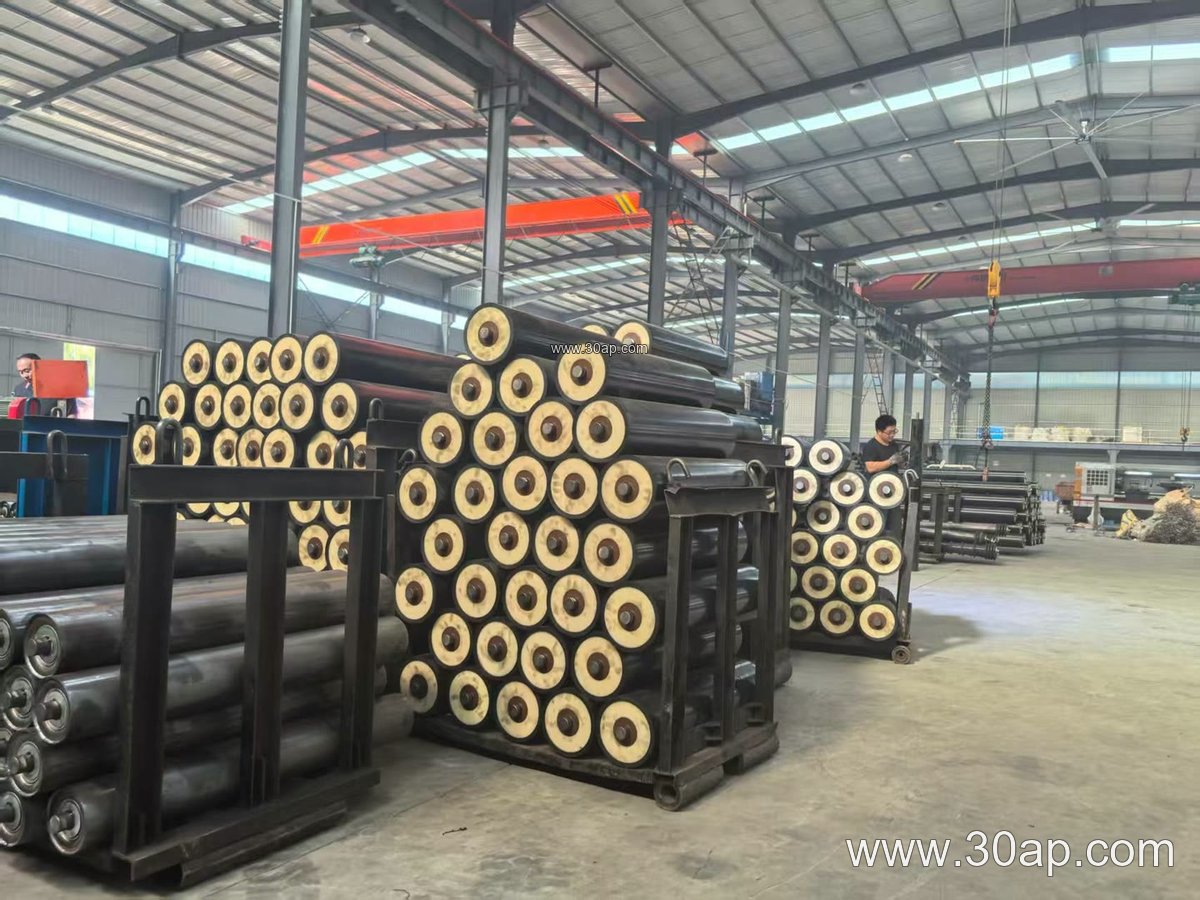
When choosing a tapered idler, consider the belt width, the trough angle (20°, 30°, 35°, or 45°), and the available mounting space. The roller surface can be plain steel, nylon, or rubber-covered, depending on whether impact or abrasion is a concern. A rubber disc version may help in high-impact zones, but it is not the same as a standard impact idler. For a conveyor carrying abrasive ore or heavy rock, a robust seal and a sturdy bracket are more important than a fancy surface. Regular inspection of the idler roller for wobble, noise, or material buildup will prevent belt damage. In dusty environments such as a cement plant or a power plant, keeping the idler clean and the bearings greased (if greasable) extends service life.
Matching the Idler to the Conveyor System
A tapered idler works best when it is part of a well-designed tracking system. It should not be used to compensate for a badly aligned conveyor frame or a worn pulley. If the belt is mistracking, check the drive pulley, tail pulley, and bend pulley alignment first. Then verify that the tapered idler is mounted square to the belt and that the bracket is secure. In a port or ship loading facility, a tapered idler may be used on the return side to keep the belt centered before it enters the take-up. Always follow the manufacturer’s mounting instructions and avoid mixing tapered idlers with standard rollers in the same troughing set unless the design allows it.