What a Return Idler Does on a Conveyor
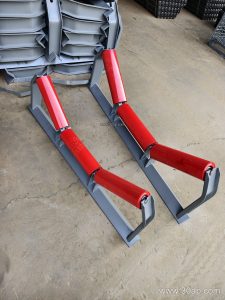
A return idler is the roller that carries the empty lower run of a conveyor belt. While the top side of the belt slides over carrying idlers loaded with material, the underside comes back with little more than its own weight and whatever cling material it picked up at the discharge point. The return idler supports that slack span, keeps the belt from sagging between frames, and reduces drag along the whole circuit. In a quarry or a cement plant, a worn or seized return roller shows up quickly as belt tracking problems, edge wear, and higher motor current.
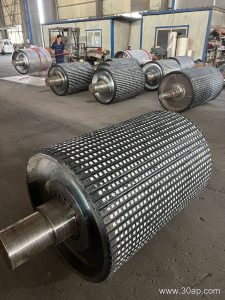
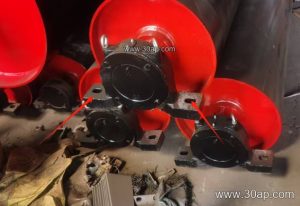
The product is also called a lower idler or return roller in many workshops. Those are accurate short names for the same item. It is not a drive, tail, or bend pulley, and it should not be confused with one; those parts transmit tension and change belt direction, while the return idler simply supports and guides the returning belt.
Construction and Common Forms
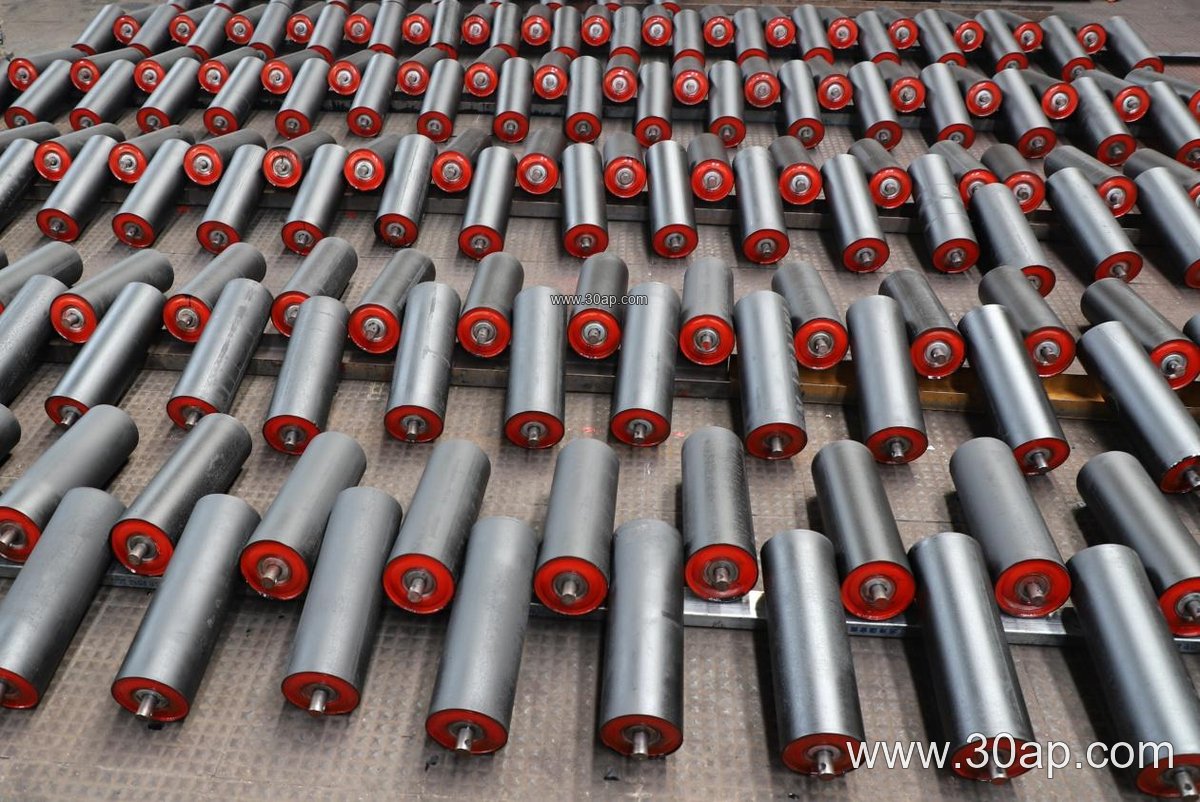
A typical unit is a steel tube shell with pressed end caps, a through shaft, and sealed ball bearings. Bearing seats are usually machined to keep the shaft concentric, and the labyrinth seal keeps fine dust away from the grease. Shell surfaces can be plain steel, nylon-coated, ceramic-covered, or fitted with rubber rings, depending on how sticky or abrasive the environment is.
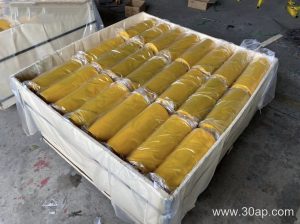
Flat return idlers are the default choice for straight lower runs. V-shaped return idlers set the belt into a shallow V so it self-centers, and they are common on long overland lines and in dusty plants where mistracking is a risk. Spiral or helical return idlers are used where sticky material builds up on the belt surface, because the spiral form tends to shed fines. Rubber-disc return rollers absorb impact and run more quietly where lumpy material falls onto the return side.
Matching Diameter and Belt Width
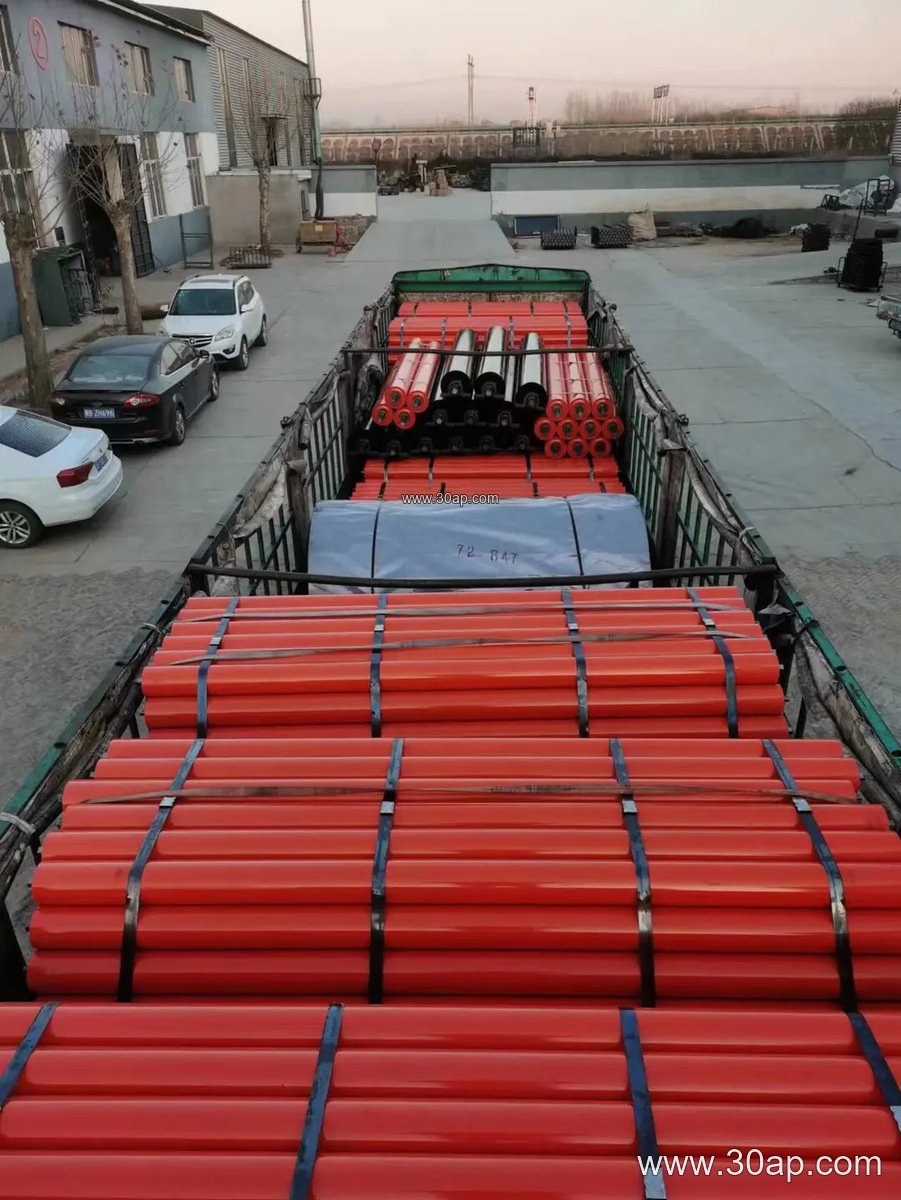
Roller diameter is chosen from belt speed, load, and the space available under the frame. The common range runs from Ø63 up to Ø219, with Ø89, Ø108, Ø127, and Ø133 covering a large share of ordinary installations. Larger diameters turn more slowly and usually last longer on high-speed lines. Bearing size is not tied to one shell diameter; a 6205 or 6305 bearing may appear in several roller sizes, and a 6308 or 6310 is more typical on heavy-duty units. Belt width is a separate decision, and one belt width can work with several pulley diameters and roller sizes.
Idler length follows the belt width and the frame arrangement. For a three-roll troughing set on the carrying side, common roll lengths are roughly 200 mm at B500, 250 mm at B650, 315 mm at B800, 380 mm at B1000, 465 mm at B1200, 530 mm at B1400, and 600 mm at B1600. These figures are examples for orientation only; side rolls and center rolls can differ, and return rolls are usually shorter than carrying rolls. A buyer should confirm the frame dimensions rather than assume a fixed match.
Where It Fits in the Plant
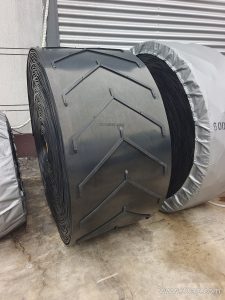
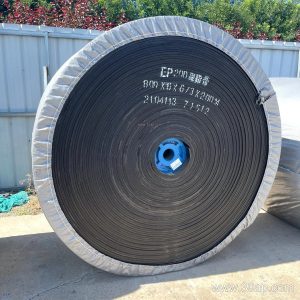
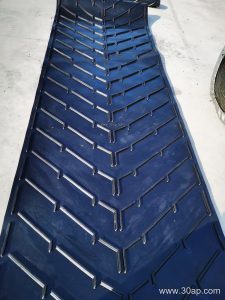
Return idlers appear in almost every bulk handling line. In a coal preparation plant or a power station coal yard, they sit under a flame retardant conveyor belt and must cope with coal dust and occasional spillage. In a limestone or iron ore operation, a heavy-duty mining conveyor belt running at high tonnage puts more load on the lower run, so larger shafts and stronger seals pay off. Aggregate and sand plants often use a rubber conveyor belt with a modest return roller spacing, because the belt is short and the material is abrasive.
Spacing along the line matters as much as the roller itself. Too wide a gap lets the belt sag and flap; too tight a gap adds friction and cost. Designers usually set return spacing at roughly two to three times the carrying idler spacing, then adjust for belt tension and sag limits.
What to Check Before Ordering
- Belt width and frame fixing centres, so the roller length and shaft ends fit.
- Shell diameter and bearing size suited to speed and load.
- Sealing quality for dusty, wet, or washdown conditions.
- Surface form: plain steel, nylon, ceramic, or rubber rings.
- Whether a flat, V-shaped, or spiral form best suits the material carried.
- Compatibility with the existing conveyor bracket and frame height.
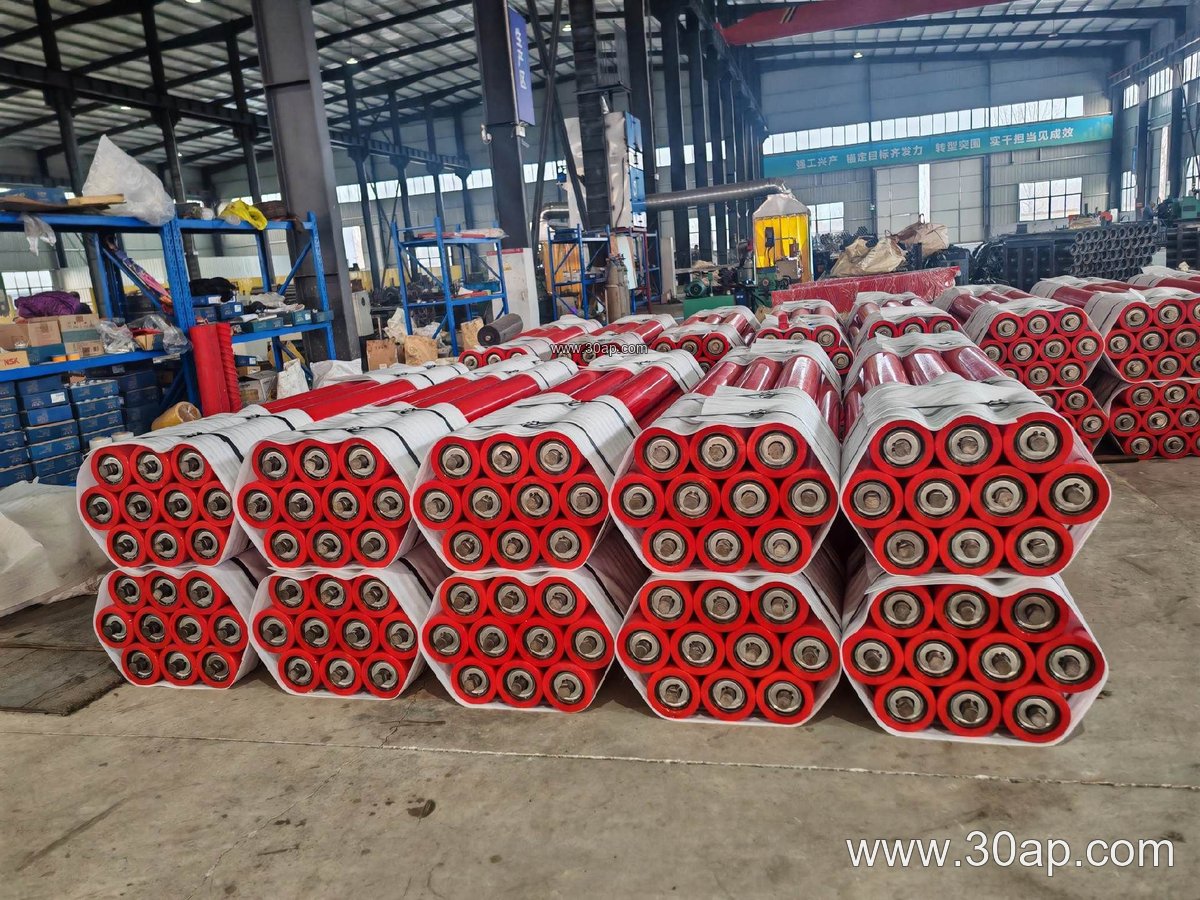
Good maintenance practice is simple: check for seized rollers, listen for squealing bearings, and replace units before a flat spot wears through the shell. A small stock of spare return rollers kept on site avoids long stops. For more on matched components such as the conveyor pulley, idler roller, and conveyor bracket, or to discuss a return idler selection for your line, visit beltconveyorfactory.com and review the options with your conveyor layout in hand.