What a Cement Plant Conveyor Belt Has to Handle
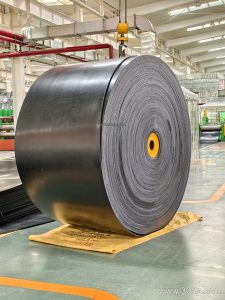
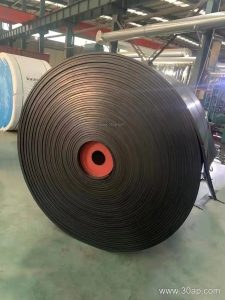
A cement plant conveyor belt operates in one of the most punishing material-handling environments in heavy industry. Limestone arrives from the quarry in large, sharp-edged lumps, crushed clinker leaves the kiln at elevated temperature, and fine cement dust settles on every frame and idler roller in the building. The belt must carry all of this continuously, often over long inclined routes between the crusher, raw mill, preheater, clinker cooler, and packing plant. Choosing the right Cement Plant Conveyor Belt therefore means matching the carcass, cover compound, and surface form to the specific line, not simply ordering the widest belt available.
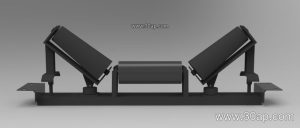
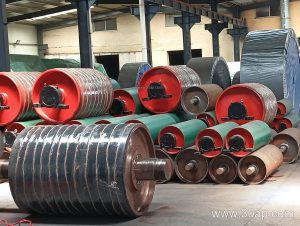
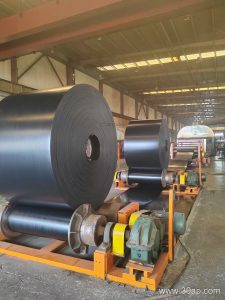
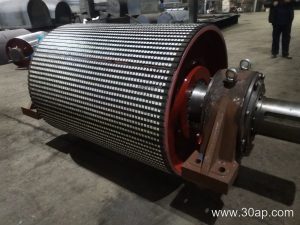
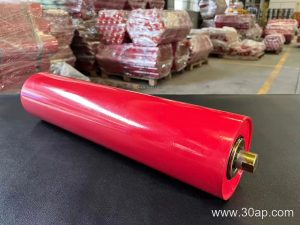
The same product is also described as a cement conveyor belt, and both terms refer to the heavy-duty fabric or steel-reinforced belt used in cement production lines. It sits on a troughing idler roller set, runs over a drive pulley and tail pulley, and is supported by conveyor brackets along the structure.
Construction of the Belt
A typical cement plant belt is a composite: a load-carrying carcass, top and bottom cover rubber, and often a breaker or impact layer beneath the top cover. The carcass carries tension and resists elongation, while the covers protect it from abrasion, heat, and oil. Common carcass options include:
- Multi-ply fabric core, usually 2 to 6 plies of EP or NN fabric
- Single-layer heavy fabric for shorter runs
- Steel cord for long, high-tension main lines
Cover thickness is usually stated as top plus bottom, for example 4+2 mm, 5+2 mm, 6+2 mm, or 8+3 mm. The top cover does the abrasion work; the bottom cover protects against pulley contact and idler friction.
Common Types Used in Cement Lines
The choice of belt type depends on the section of the plant and the material being moved. The following table groups typical options; values are common references and should be confirmed against the actual conveyor design.
| Type | Typical Use in Cement Plant | Reference Strength / Size |
|---|---|---|
| EP Conveyor Belt | General material transport, raw meal, crushed limestone | EP200 to EP1000; B500 to B2000 |
| NN Conveyor Belt | Medium-duty lines, alternative fabric carcass | NN100 to NN400 |
| Steel Cord Conveyor Belt | Long overland or main plant lines | ST1000 to ST2500 |
| Abrasion Resistant Conveyor Belt | Clinker, limestone, sharp aggregate | Cover 6+2 or 8+3 mm |
| Heat Resistant Conveyor Belt | Clinker cooler discharge, hot material | Cover grade per temperature |
| Flame Retardant Conveyor Belt | Coal handling, enclosed galleries | PVG800S or equivalent |
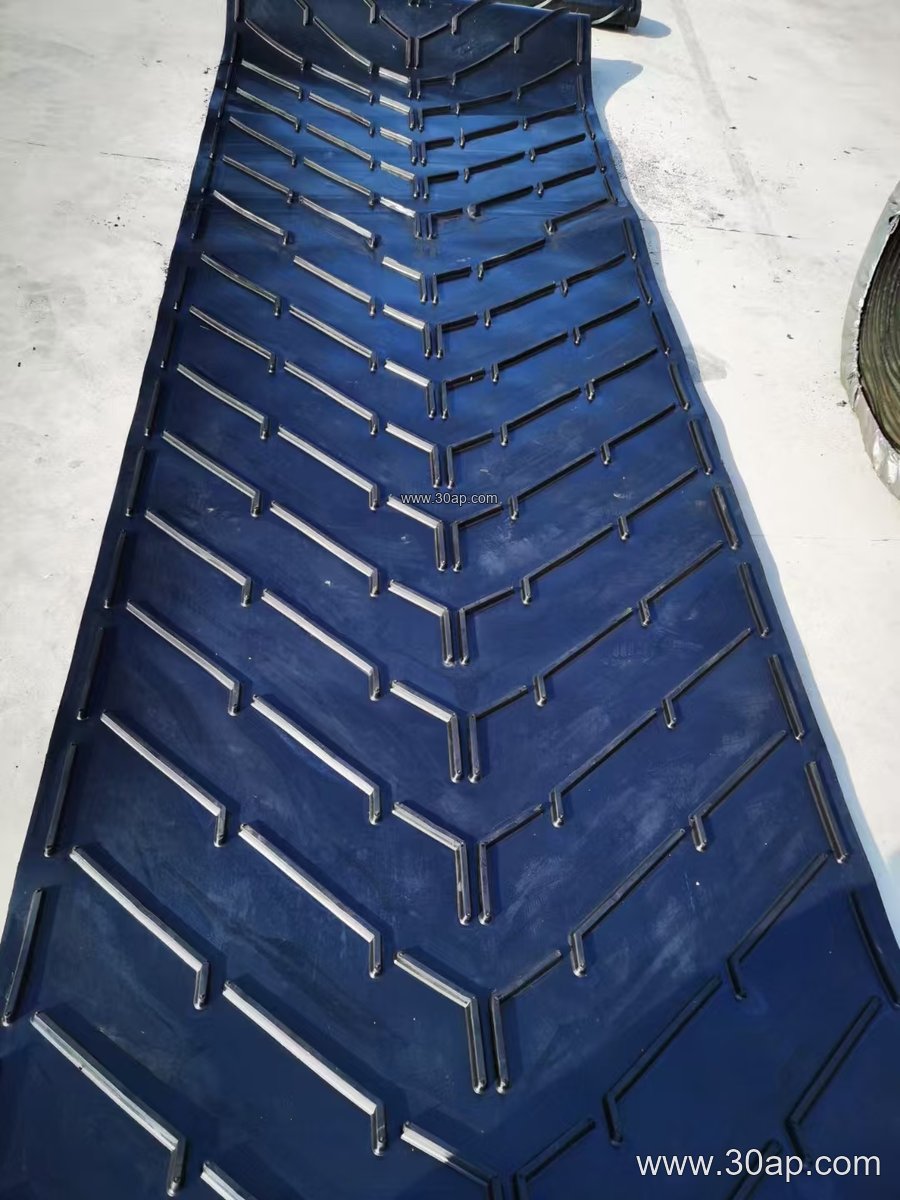
| Chevron Conveyor Belt | Inclined sections prone to material rollback | Pattern height per design |
| Corrugated Sidewall Conveyor Belt | Steep inclines with confined space | Sidewall height per design |
For coal handling or underground coal mining conveyor belt sections inside the plant, flame retardant and anti-static properties are usually specified together. A pipe conveyor belt may be considered where dust control and route flexibility are priorities, though it is a different conveying concept rather than a replacement for an open trough belt.
Widths, Strength Grades, and Matching to the Conveyor
Belt width follows the conveyor frame and material lump size. Common widths include B500, B650, B800, B1000, B1200, B1400, B1600, B1800, and B2000. A 1200mm wide conveyor belt is a frequent choice for main clinker lines, while 800mm or 1000mm belts suit smaller transfer points. Wider belts such as 1800mm or 2000mm appear on high-capacity quarry and port systems.
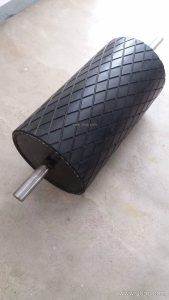
Strength grade and width are selected together with the pulley diameters, shaft sizes, and take-up arrangement. A wider belt does not automatically dictate a particular pulley diameter, and shaft diameter is determined by the conveyor designer from torque and load, not from belt width alone. Buyers should share the conveyor layout, capacity, material specification, and pulley data so the belt and the drive, tail, and bend pulleys are matched as a system.
Buyer Checklist
- Confirm the material: lump size, temperature, moisture, oil content, and abrasiveness
- State the conveyor length, incline angle, and capacity in tonnes per hour
- Specify carcass type and strength grade, for example EP630 or ST1600
- Choose cover thickness and compound based on wear and heat
- Check flame retardant and anti-static requirements for coal or enclosed routes
- Confirm belt width and edge condition against the idler roller and pulley arrangement
- Ask about splicing method: endless conveyor belt, mechanical, or vulcanized joint
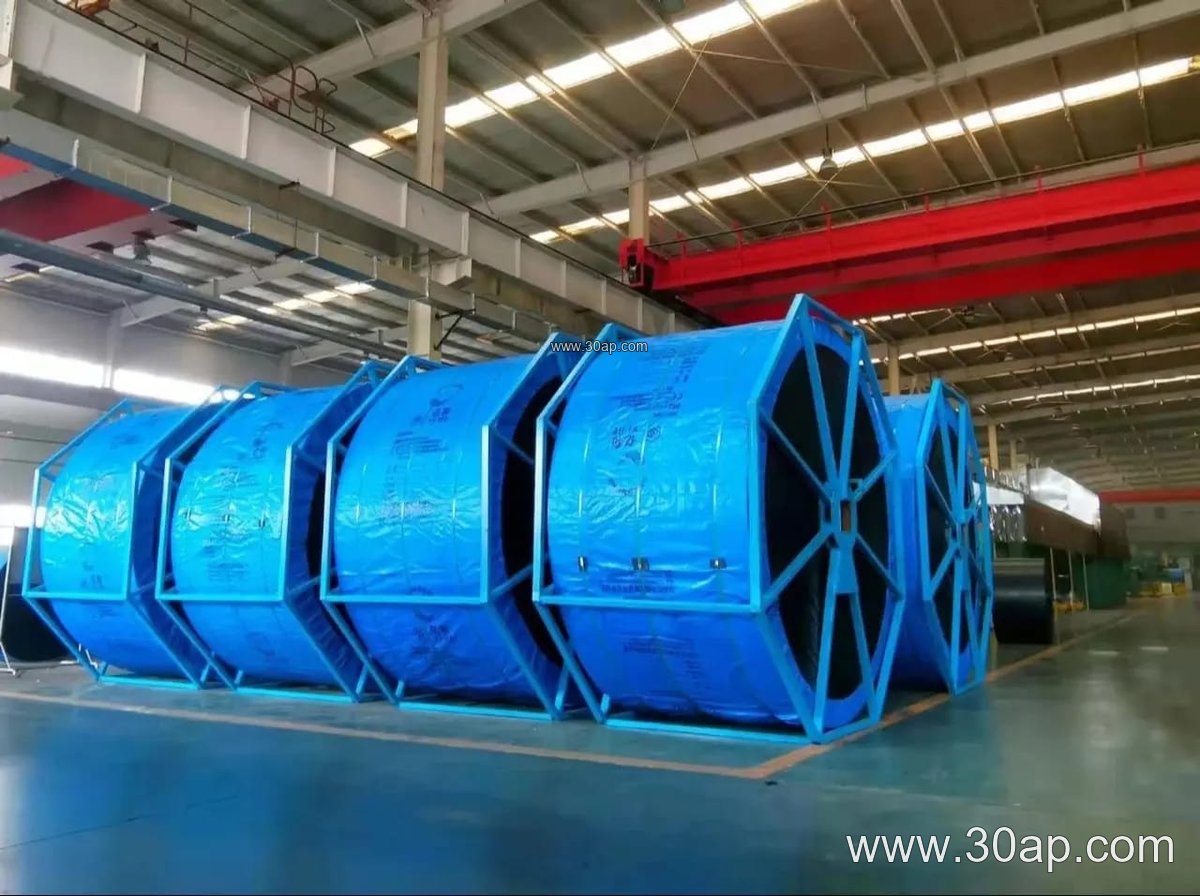
On-site, belt life often depends as much on maintenance as on specification. Keep the idler roller rotating freely, inspect the conveyor pulley lagging, and check conveyor brackets for alignment. Misalignment and material spillage accelerate edge wear on any abrasion resistant conveyor belt. For cement plants, a practical spare-parts plan usually includes one spare belt roll and a set of idlers for the most critical line.
Whether the line moves limestone, clinker, gypsum, or coal, the Cement Plant Conveyor Belt should be selected from the actual duty rather than from a catalogue default. Review the specification with the conveyor designer, confirm the reference values, and keep the belt, pulleys, and idlers working as one matched system.