What a Conveyor Support Leg Does
A conveyor support leg is the vertical member that carries the weight of the belt line down to the floor, foundation, or steel structure. It is the part that turns a row of idler frames into a stable conveyor section. On a typical frame, the leg connects to a cross beam or stringer, and the top of the leg holds the bracket that supports the idler roller. Without a properly sized leg, the frame flexes, the belt misaligns, and the whole transfer point becomes a maintenance problem.
The leg is often supplied as part of a complete support assembly, but it can also be ordered separately when a section is being extended or repaired. Buyers in quarry, crushing and screening, and cement plant projects usually treat it as a structural item rather than a wear part, so getting the geometry right at the start matters more than replacing it later.
How the Leg Is Built
Most legs are fabricated from angle steel, channel steel, or folded steel plate. The choice depends on the load and the height of the frame. A light aggregate line may use folded plate legs, while a heavy-duty mining frame carrying a wide belt with a thick cover often needs channel or angle sections with gusseted feet. The foot plate usually has slotted holes so the installer can adjust height and alignment before final bolting.
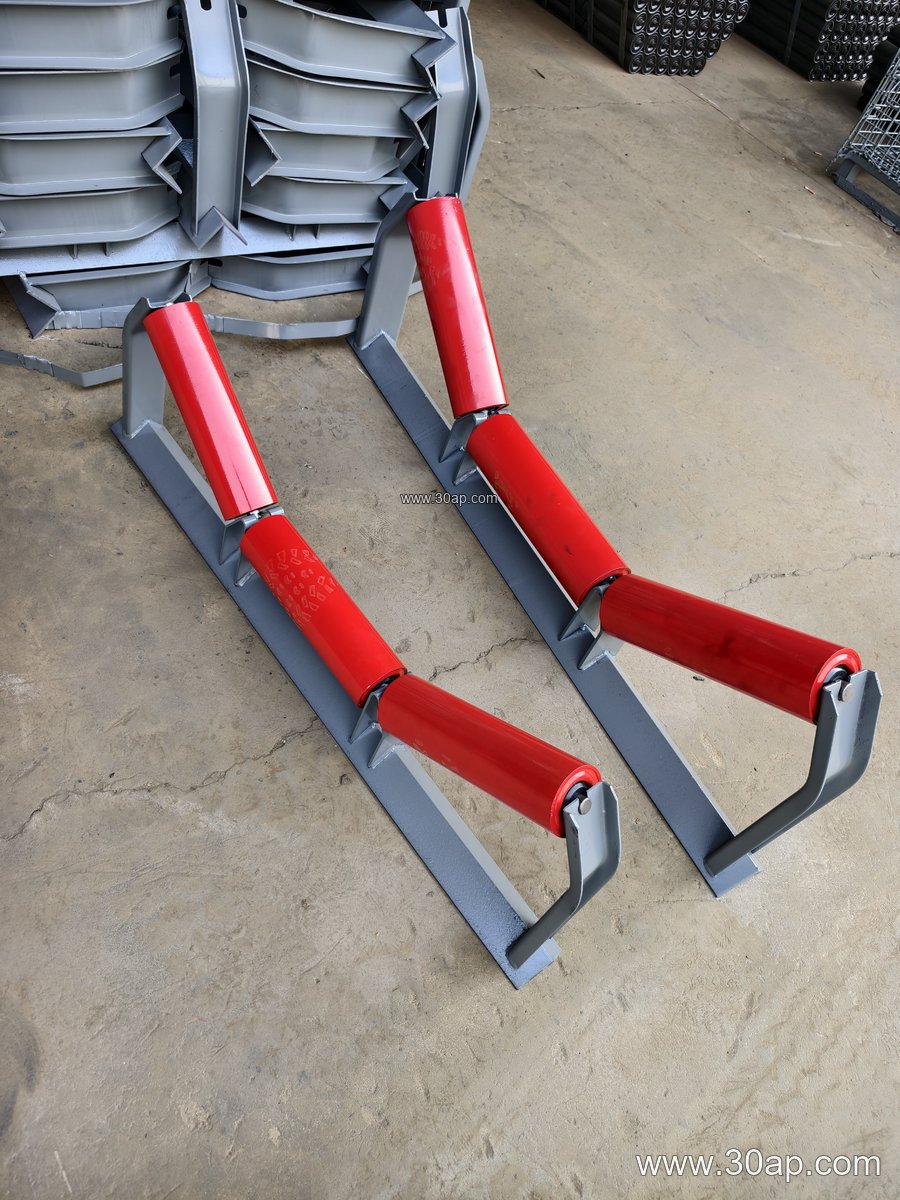
The top connection is just as important as the foot. A leg may carry a conveyor bracket that sets the trough angle, or it may bolt directly to a cross member that holds the idler roller. On adjustable frames, the leg includes a sliding or pivoting section so the trough angle can be changed between common values such as 20, 30, 35, and 45 degrees. Fixed legs are simpler and cheaper, but they lock the frame to one profile.
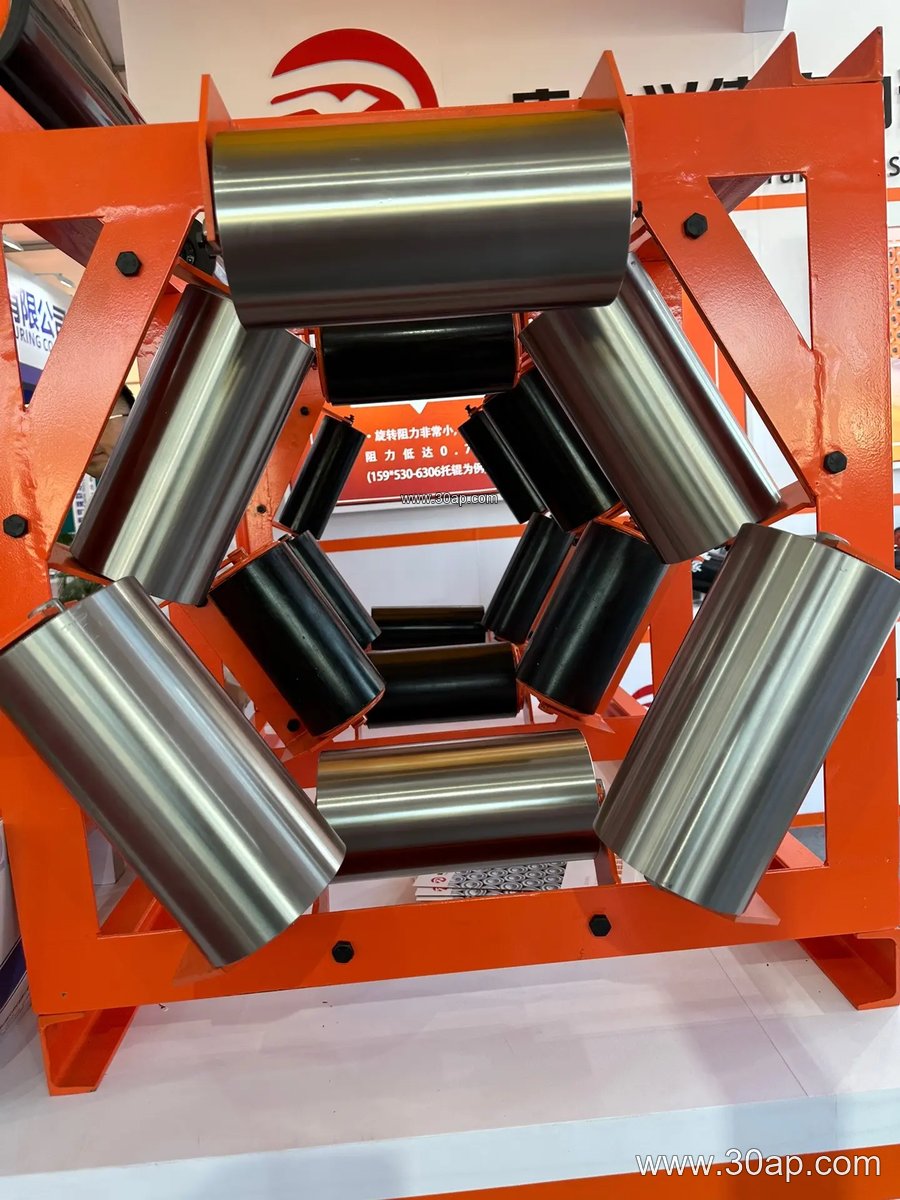
Common Structural Reference Points
- Material options: angle steel, channel steel, folded steel plate
- Belt width range commonly referenced: B500 up to B2200
- Trough angles for adjustable designs: 20, 30, 35, and 45 degrees
- Idler roller diameters often used: Ø89, Ø108, Ø133, Ø159, Ø194
- Forward tilt on some frames: about 1.5 to 2 degrees
These figures are reference values, not a fixed rule. A B800 frame at 35 degrees with Ø108 rollers is a common combination, and a B1200 frame at 45 degrees with Ø133 rollers also appears in heavy material handling. However, belt width alone does not determine shaft size or hole spacing. Installation hole distance and cross beam length change with belt width, trough angle, and frame design, so they should be confirmed against the drawing.
Where Support Legs Are Used
These legs appear wherever a belt conveyor runs above ground and needs a stable frame. In a limestone quarry or a sand and gravel line, they carry the troughing section through the crushing and screening area. In a coal washing plant or a power plant coal yard, flame retardant conveyor belt and abrasion resistant conveyor belt run on frames that must resist dust, vibration, and occasional impact. The same structural approach is used under a fabric core conveyor belt on a cement plant clinker line, or under a steel cord conveyor belt at a port ship loading system.
The leg also works with the idler roller layout. A V-type return bracket and its legs support the returning belt, while impact brackets near a crusher discharge need a stiffer leg arrangement. On a pipe conveyor belt line, the support structure is different, but the principle of a stable vertical member remains the same. You can see related frame and roller components at wangxinautoparts.com/conveyor-support-leg and matching belt options at wangxinautoparts.com/ep-conveyor-belt, with roller details at wangxinautoparts.com/idler-roller.
Matching the Leg to the Rest of the Frame
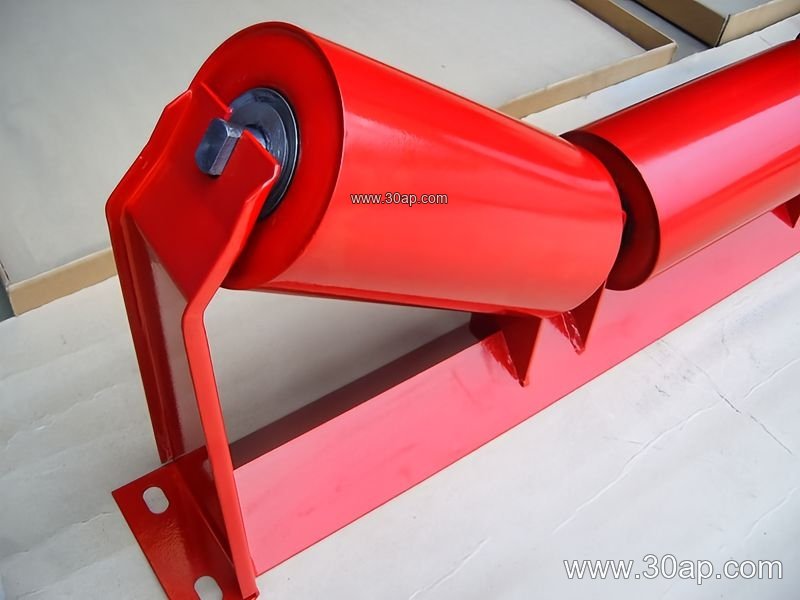
Selection usually starts with the belt width, the material being carried, and the trough angle. A wide belt with a heavy ore load needs a stronger leg and a wider foot plate than a narrow belt on a light aggregate line. The idler roller diameter affects the height of the bracket, which in turn affects the leg height. If the frame is adjustable, the leg should have enough travel to cover the intended angle range.
Fixed and adjustable legs are not interchangeable on every frame. An adjustable leg is useful during commissioning and where the material profile may change, while a fixed leg is preferred for simple, permanent installations. The buyer should confirm the connection detail, the bolt pattern, the surface treatment, and the required height before ordering. A leg that is too short or too tall will force shims or field modification.
Buyer Checklist
- Confirm belt width and frame drawing before choosing a leg height
- State whether the frame is fixed or adjustable, and the required trough angle range
- Match the top connection to the conveyor bracket or cross beam
- Check the foot plate hole pattern against the foundation or steel structure
- Consider the environment: coal dust, cement powder, salt air, or washdown
- Ask for the material and plate thickness, not only the overall dimensions
Maintenance is mostly about inspection. Check for loose bolts, bent legs, corrosion at the foot, and any sign that the frame has settled. A small alignment correction early can prevent edge damage on the conveyor belt and uneven wear on the idler roller. When a leg is replaced, keep the original height and angle so the whole section stays true.