What a 1400mm Conveyor Belt Is
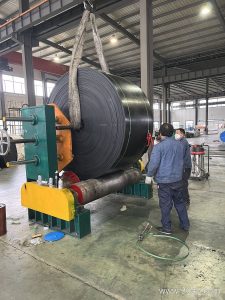
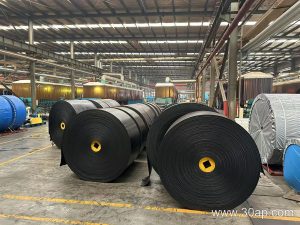
A 1400mm conveyor belt is a wide-profile belt designed for conveyor systems that need to move large volumes of bulk material in a single pass. In the industry it is also called a B1400 belt or a 1400mm wide conveyor belt, and both names refer to the same 1400 mm width across the belt. Width is only one part of the specification, but it has a direct effect on throughput, on the size of the material that can be carried, and on the structural demands placed on pulleys, idler rollers, brackets and the frame.
This width sits in the middle-to-large range of common belt sizes. Buyers comparing options often look at 1200mm, 1400mm and 1600mm side by side, and the final choice usually depends on required capacity, lump size and the geometry of the existing conveyor.
Construction and Common Specifications
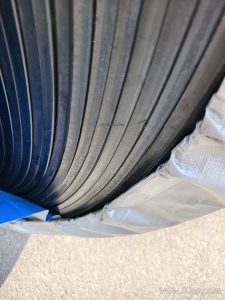
A 1400mm belt is built from a load-carrying carcass and rubber covers on both faces. The carcass carries tension and resists impact, while the top cover protects against abrasion and the bottom cover runs against idler rollers. Several carcass families are available at this width, and each suits different duty levels.
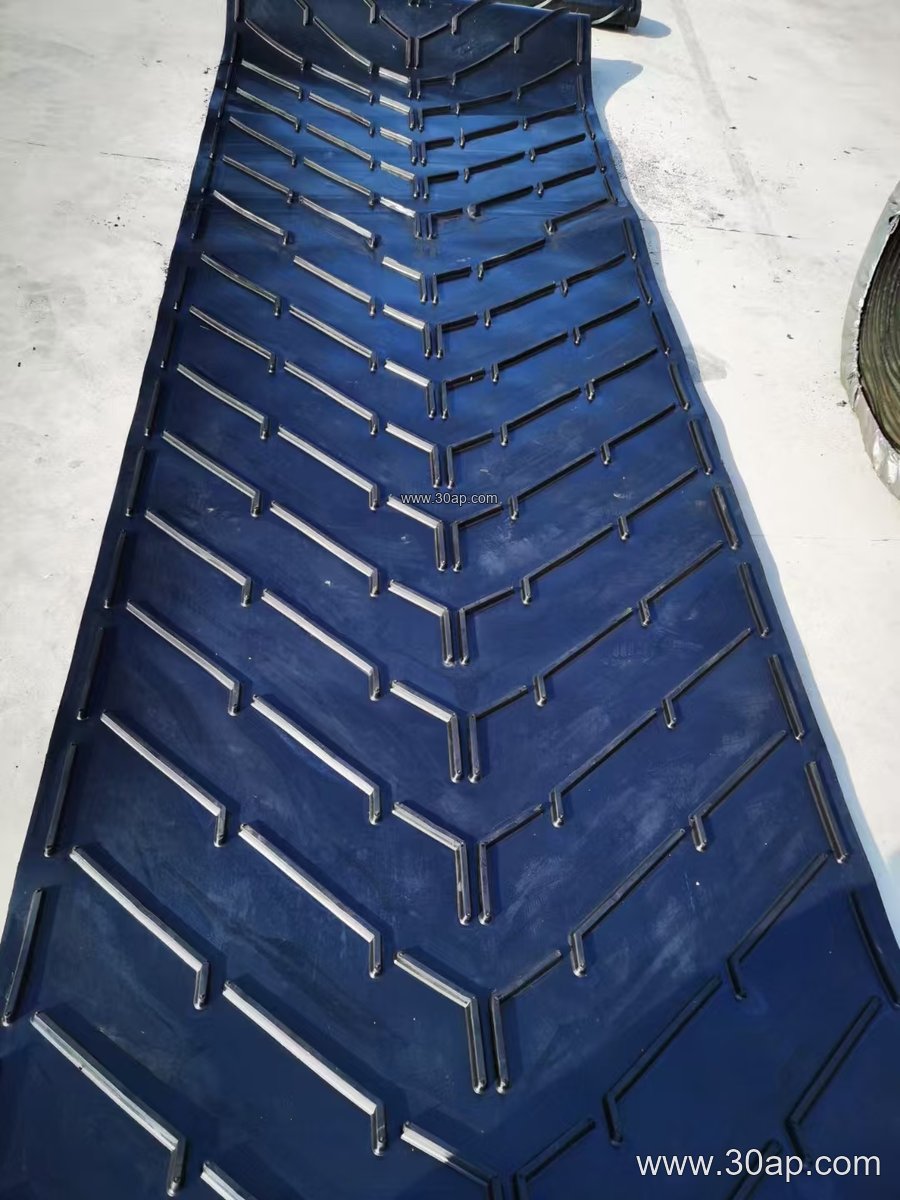
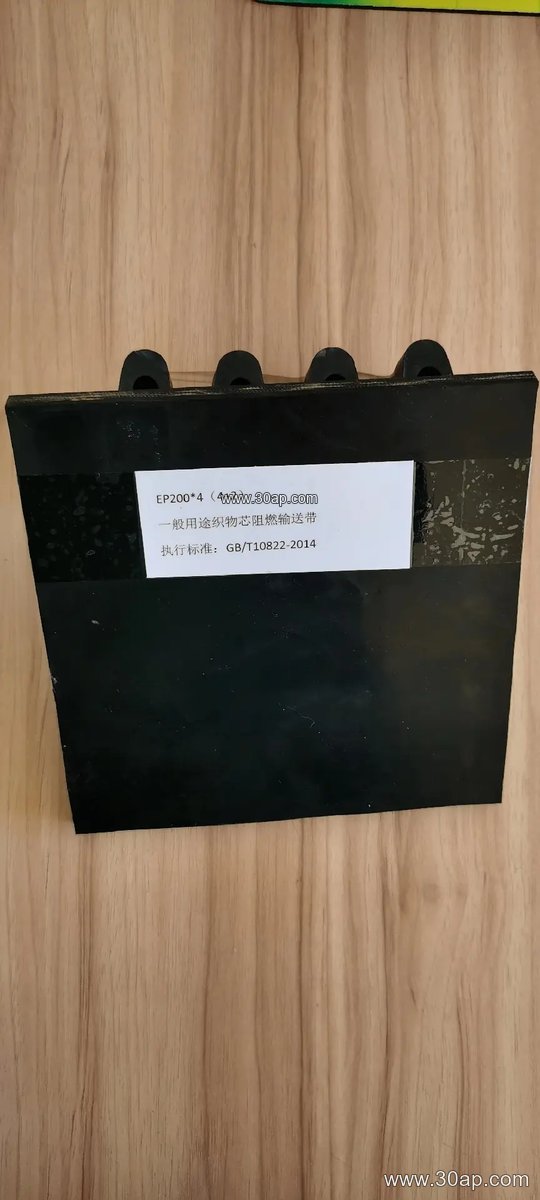
- Fabric core belts: EP (polyester-cotton) and NN (nylon) constructions are common. EP conveyor belts such as EP200, EP400, EP630, EP1000 and EP1250 are widely used, while NN conveyor belts are chosen where high elasticity and impact absorption matter.
- Steel cord belts: For long centre distances and high tension, ST1000, ST1600, ST2000 and similar steel cord conveyor belts provide high strength with low elongation.
- PVC and PVG belts: PVC conveyor belts and PVG800S type belts are frequently specified for underground coal mining conveyor systems where flame resistance is required.
Cover thickness is usually quoted as top plus bottom, for example 4+2 mm, 5+2 mm, 6+2 mm or 8+3 mm. Carcass layers commonly range from two to six plies in fabric constructions. These values are typical references; actual specifications are confirmed by design for each installation.
| Parameter | Common Reference Range |
|---|---|
| Belt width | B1400 (1400 mm) |
| Fabric carcass | 2 to 6 plies, EP or NN |
| Strength grades | EP200 to EP1250 typical; higher grades on request |
| Steel cord grades | ST1000, ST1600, ST2000 and above |
| Cover thickness | 3+1.5, 4+2, 5+2, 6+2, 8+3 mm |
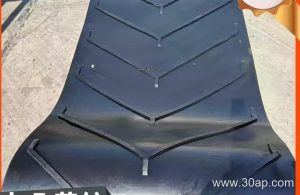
| Surface forms | Smooth, chevron, corrugated sidewall, skirted |
Where 1400mm Belts Are Used
This width appears in mines, coal preparation plants, cement works, power stations, quarries, sand and gravel yards, steel plants, ports and recycling facilities. In a crushing circuit, a 1400mm belt can serve as a primary discharge belt feeding screens or stockpiles. In a cement plant it may carry clinker or limestone, while in a coal mining operation a flame retardant conveyor belt is often required for underground sections. A quarry conveyor belt at this width typically handles graded rock and aggregate, so abrasion resistant and impact resistant covers are prioritised.
Special service conditions call for specific cover compounds. Heat resistant conveyor belts are used after kilns and dryers, oil resistant belts in workshops and processing plants, cold resistant belts in northern yards, and anti-static belts where static build-up is a concern. Chevron conveyor belts and corrugated sidewall belts help on steep inclines, while skirted belts contain material at transfer points.
Selection Notes for Buyers
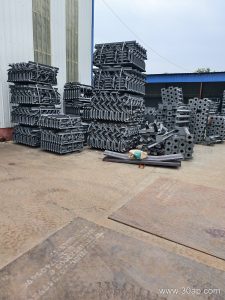
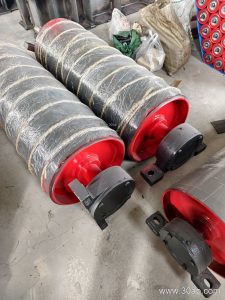
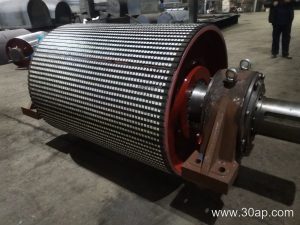
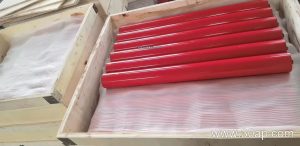
Width alone does not define a belt. The drive and tail pulleys, troughing idler rollers, return rollers and conveyor brackets must all be matched to the belt’s tension rating, cover thickness and weight. A 1400mm belt should never be assumed to fit a particular pulley diameter or shaft size without checking the conveyor design. Ask for the full specification: carcass type, strength grade, number of plies, cover thickness, surface pattern and any fire or oil resistance requirement.
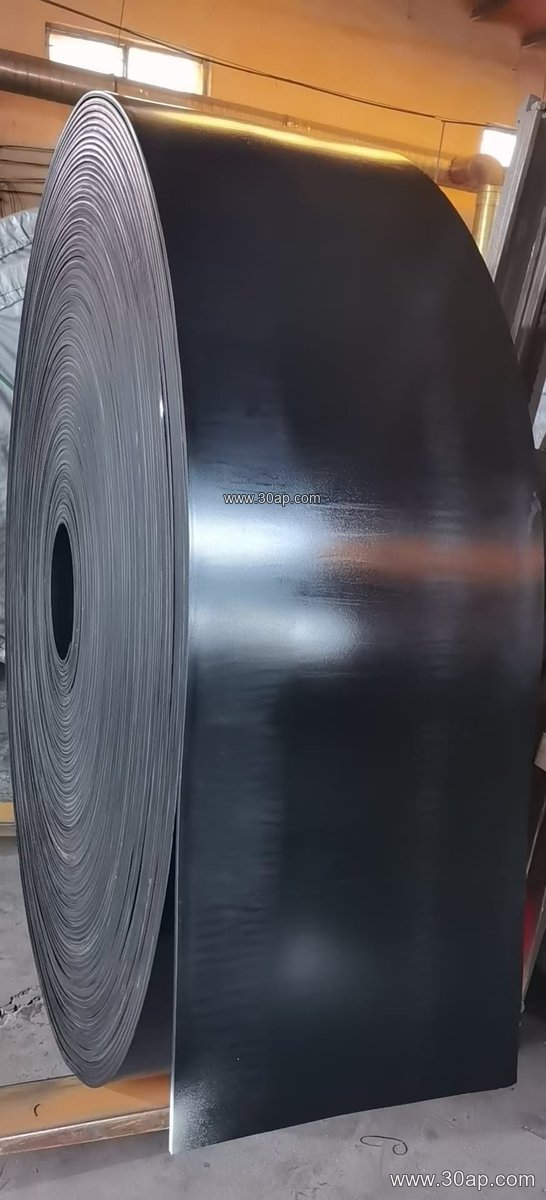
For a new project, confirm the belt speed, lump size, material temperature and loading method. For a replacement belt, measure the existing width and record the pulley and idler arrangement before ordering. Ordering a B1400 belt with the correct grade and cover saves downtime and avoids premature wear on the conveyor pulley and roller set.
Maintenance and Handling
Store belts in a dry, shaded place and avoid sharp bends during installation. Check belt tracking, idler roller alignment and pulley condition regularly. Worn rollers can damage the bottom cover quickly, and misalignment shortens belt life on any width. Keep the belt clean at transfer points and inspect splice areas, especially on heavy-duty mining conveyor belts that run continuously.
For more information on matching a 1400mm conveyor belt to your line, review our rubber conveyor belt and EP conveyor belt ranges together with the idler roller and pulley options for your conveyor frame.