What a Parallel Idler Bracket Actually Does
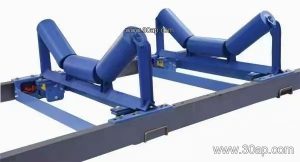
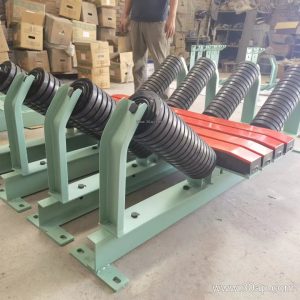
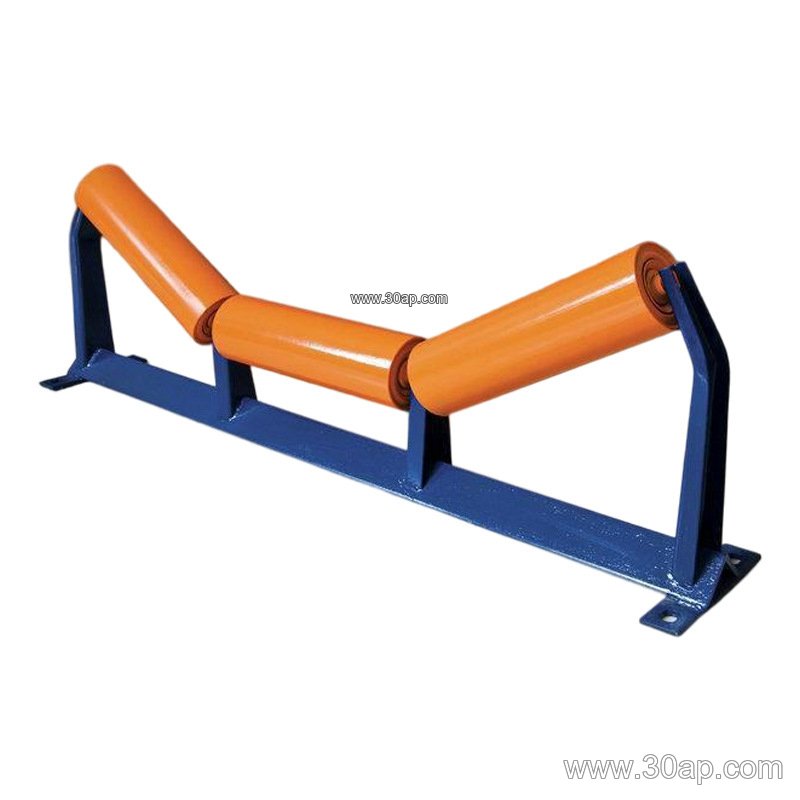
A parallel idler bracket is the stationary support that holds the carrying-side idler rollers in line along a conveyor’s upper run. Rather than tilting the rolls into a trough profile, this bracket keeps the mounting positions flat and parallel to the conveyor frame, so it is most often associated with the flat or slightly inclined sections of a belt line. In a typical bulk handling plant, the bracket pairs with a conveyor bracket system, an idler roller set, and the conveyor belt itself. Buyers sometimes call it a flat carrying bracket or a parallel roller support frame; both refer to the same component.
It is easy to confuse this part with troughing or transition brackets. Those components deliberately angle the rolls to cup the belt. A parallel design does not. That difference matters when you are matching hardware to a specific run, and it is why the bracket should be ordered by function, not by appearance alone.
Construction and Mounting Details
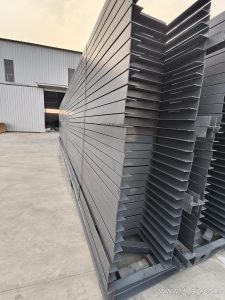
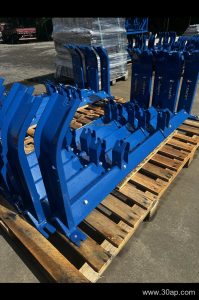
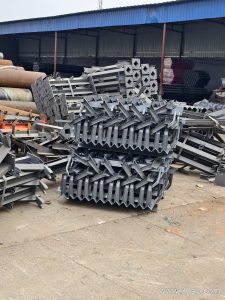
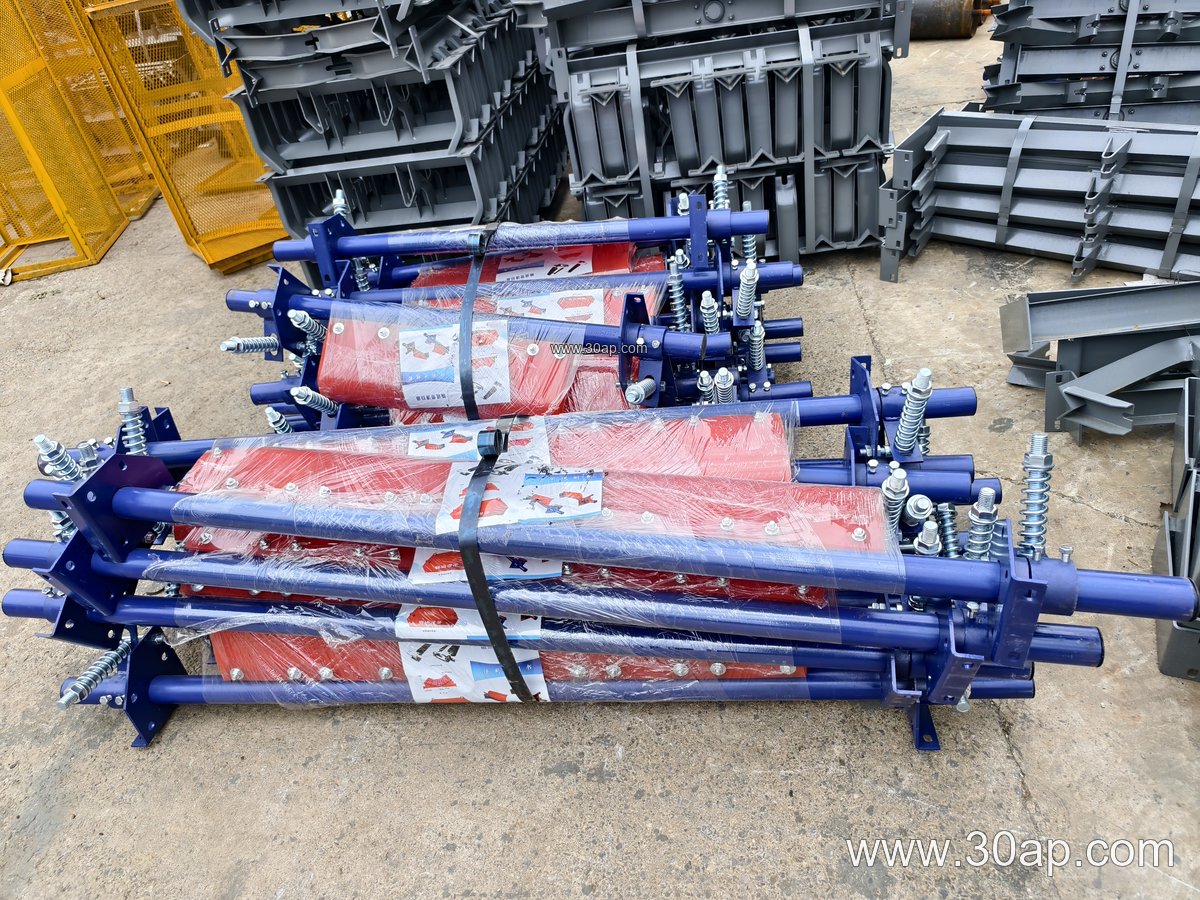
Most parallel brackets are fabricated rather than cast. Common materials are angle steel, channel steel, or folded steel plate, welded into a frame with drilled mounting holes. The hole spacing and crossbeam length are determined by belt width, roll diameter, and the frame layout, so they are not fixed numbers across all conveyors.
Typical reference values include:
- Belt widths from B500 through B2200, with B800, B1000, and B1200 common in aggregate and cement plants
- Roll diameters such as Ø89, Ø108, Ø133, Ø159, and Ø194
- Trough angles of 20, 30, 35, and 45 degrees on adjacent troughing brackets, which helps put the parallel section in context
A sensible example would be a B1000 line using Ø133 rolls on the flat section, with 35-degree troughing brackets elsewhere. That is a design choice, not a rule. No single belt width forces one roll diameter or one bracket layout.
Where It Fits on a Conveyor
The bracket is usually found on the carrying side where the belt runs flat, at loading zones ahead of the first troughing set, or on short transfer conveyors. In a quarry or sand and gravel line, it may appear just after a crusher discharge where the belt needs a stable, level support before entering a troughed section. In a coal preparation plant or power station coal yard, parallel brackets can support the belt at weigh points or at inspection stations.
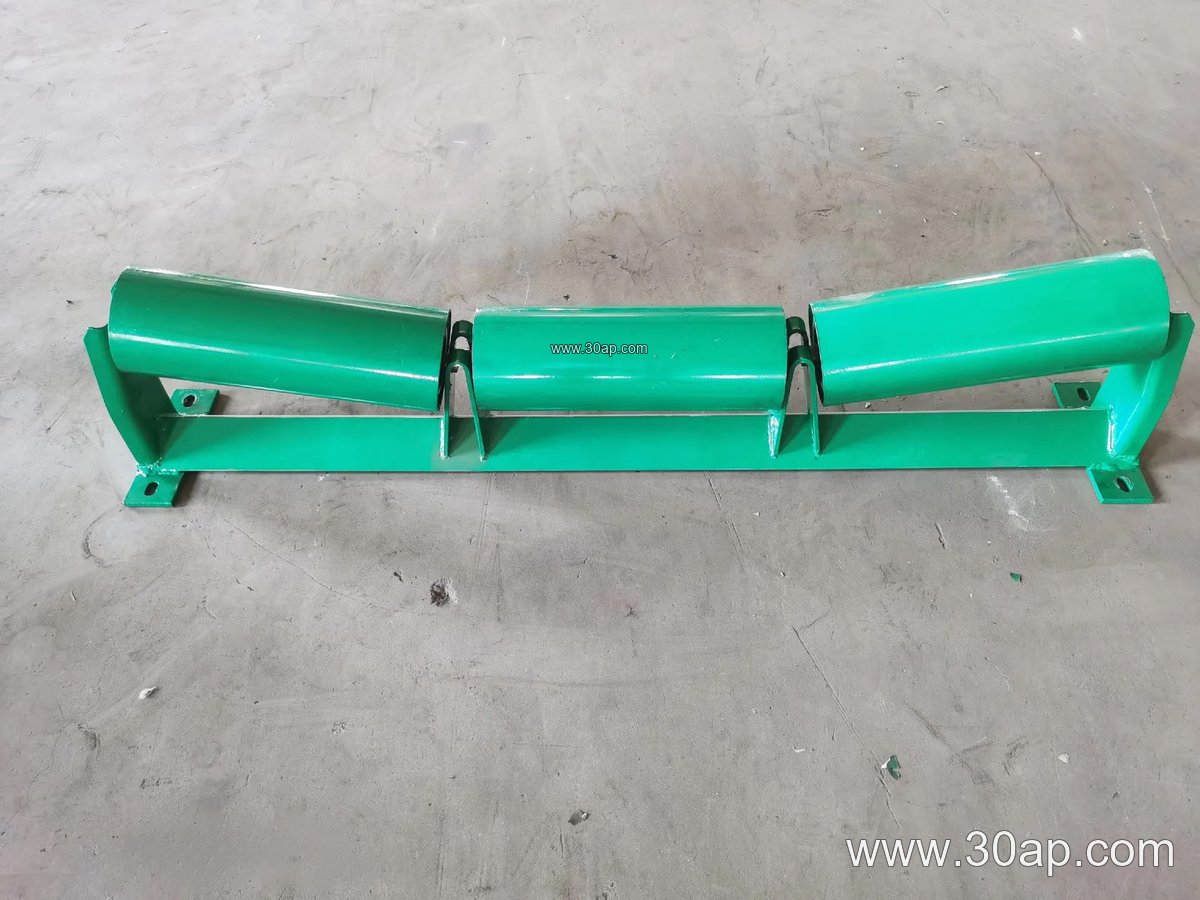
On the return side, a parallel bracket is not the same as a V-return bracket. The V-return bracket angles the rolls to center the belt, while the parallel version keeps rolls level. Self-aligning and forward-leaning brackets are separate designs with their own behavior, so they should not be substituted for a parallel bracket without engineering review.
Matching the Bracket to Belt and Rollers
Selection starts with the belt. A heavy-duty mining conveyor belt or a steel cord conveyor belt carrying iron ore will need a sturdier frame than a light fabric core belt on a packing line. The roll diameter should suit the load and belt speed, and the bracket must accept that roll’s shaft and bearing housing. Installation hole pitch follows from the frame and roll combination, so confirm dimensions against the drawing rather than assuming a standard.
Environmental conditions also shape the choice. In a cement plant, dust buildup argues for easy-clean frames. In a cold-climate port or a fertilizer warehouse, material choice and coating may matter more. Where a flame retardant conveyor belt or heat resistant conveyor belt is specified, the bracket still performs the same mechanical job, but maintenance access should be planned around the belt’s operating temperature and the plant’s inspection routine.
Buyer Checklist
- Confirm the bracket type: parallel carrying, not troughing, transition, or return
- State belt width and the roll diameter the frame must carry
- Provide frame dimensions and hole spacing, or a drawing reference
- Specify material and finish, especially for wet or corrosive service
- Check that the bracket aligns with adjacent conveyor pulley and idler roller positions
- Plan spare brackets for high-wear loading zones
For plants running long overland lines, a small stock of parallel brackets in the most-used widths can shorten downtime. Pair the order with the correct conveyor belt specification and roller set so the flat section, trough section, and return run all work as one system. More conveyor component guidance is available at conveyoridlerparts.com for brackets, rollers, and related hardware.
Maintenance Notes
Inspect the bracket for bent crossbeams, elongated holes, and loose bolts during routine walk-throughs. A distorted parallel bracket can cause the belt to track poorly, which is often misdiagnosed as a roller or pulley problem. Replacing a bent bracket is usually faster than straightening it, and keeping the mounting surfaces clean helps the belt run true. In dusty operations such as a limestone mine or a batching plant, a quick visual check after each shift prevents small alignment faults from turning into edge damage on an expensive belt.