What a Heavy-Duty Steel Conveyor Bracket Does
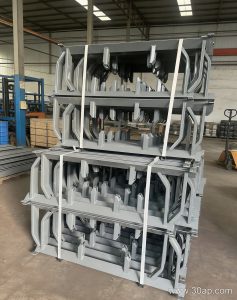
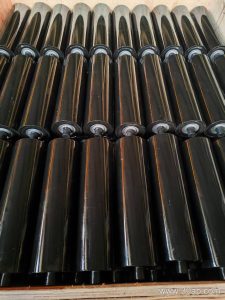
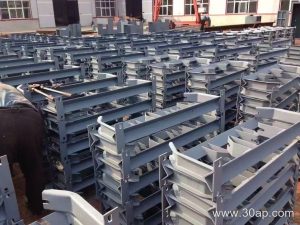
In bulk material handling, the heavy-duty steel conveyor bracket is the structural link between the idler roller and the conveyor frame. It holds the rollers at the correct angle and spacing so the conveyor belt runs smoothly under load. Unlike lighter brackets, this heavy-duty steel conveyor bracket is built to withstand continuous impact, high belt tension, and abrasive dust in mines, quarries, cement plants, and power stations. It is often referred to as a heavy-duty conveyor bracket or a reinforced steel bracket, and both terms describe the same load-bearing component.
Construction and Materials
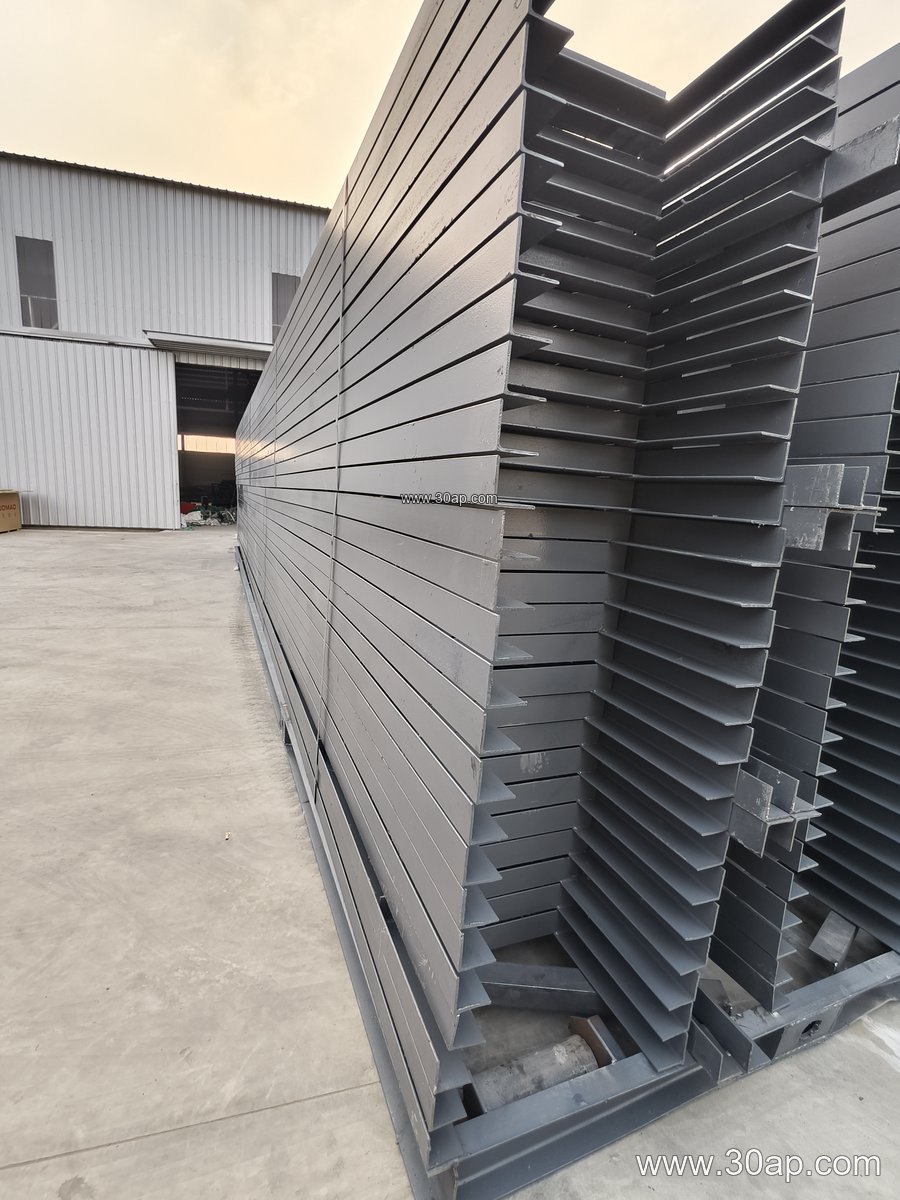
These brackets are typically fabricated from angle steel, channel steel, or folded steel plate. The choice depends on the belt width and the weight of the material being conveyed. For example, a B1000 belt carrying iron ore may require a bracket made from 8mm folded plate, while a B650 belt in a sand and gravel line might use 5mm angle steel. Welds are usually continuous and ground smooth to prevent belt damage. Surface treatment often includes hot-dip galvanizing or painting to resist corrosion in wet or chemical environments.
Common Types and Configurations
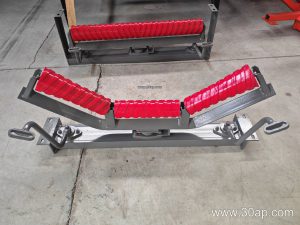
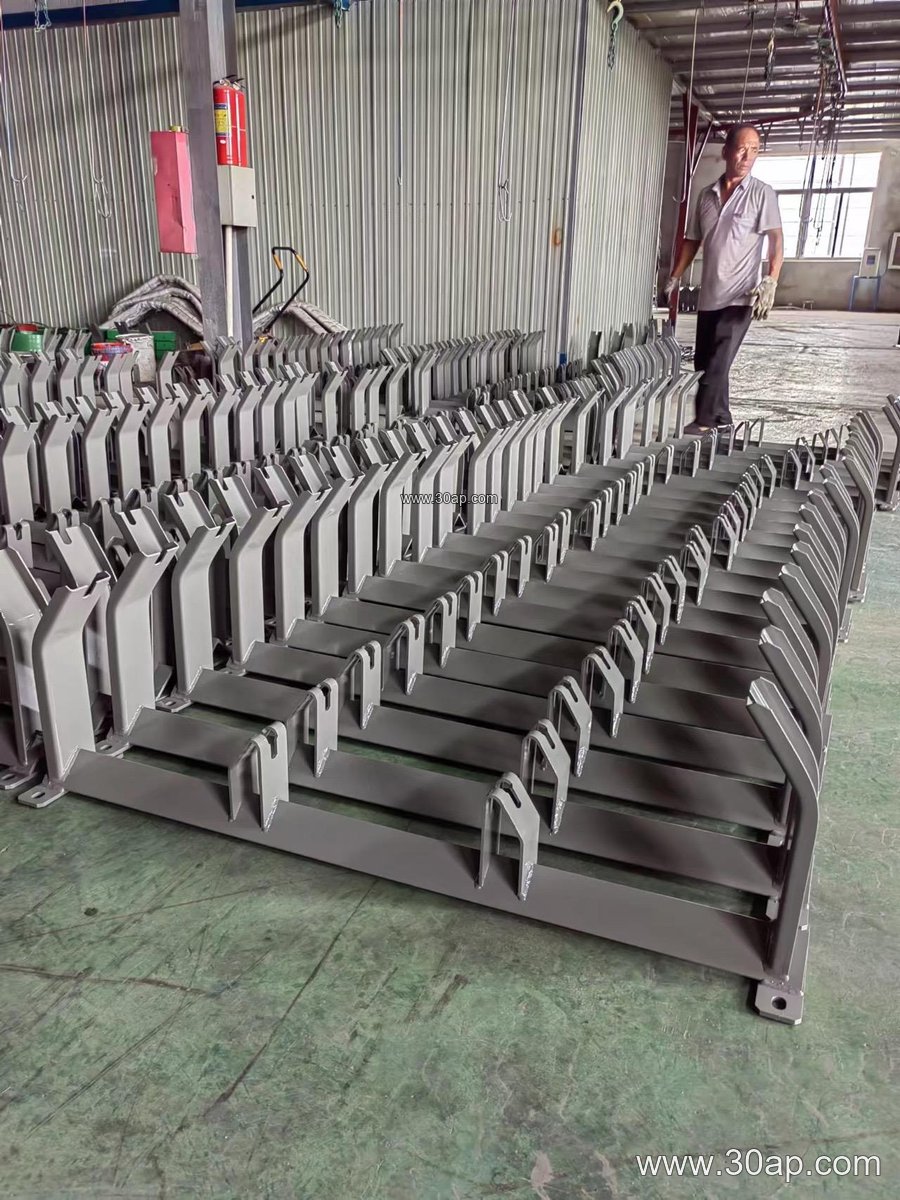
- Troughing bracket (carrying side) – supports three or five idlers to form a trough angle.
- Return bracket – supports the belt on the return side, often with a flat or V-shaped roller arrangement.
- Impact bracket – reinforced version positioned under the loading point to absorb shock.
- Self-aligning bracket – allows slight rotation to keep the belt centered.
- Adjustable bracket – permits changes to trough angle or roller position during installation.
Each type is designed for a specific location on the conveyor. For instance, a transition bracket is used near the head or tail pulley to gradually change the belt from flat to troughed. A heavy-duty steel conveyor bracket for the carrying side is not interchangeable with a return bracket, as they serve different functions.
Where These Brackets Are Used
Heavy-duty steel conveyor brackets are found in a wide range of industries. In underground coal mining, they support conveyor belts that transport coal from the face to the surface. In a limestone quarry, they hold idler rollers that carry crushed rock to the crusher. Cement plants use them on clinker and raw meal conveyors, while power plants rely on them for coal handling systems. Other applications include steel mills, port loading facilities, and aggregate processing lines. The bracket must match the belt width, trough angle, and roller diameter to ensure proper belt training and minimal spillage.
Key Parameters for Selection
When specifying a heavy-duty steel conveyor bracket, several parameters must be considered. The table below lists common reference values, but final dimensions should always be confirmed with the conveyor design.
| Parameter | Common Options |
|---|---|
| Belt width (B) | B500, B650, B800, B1000, B1200, B1400, B1600, B1800, B2000, B2200 |
| Trough angle | 20°, 30°, 35°, 45° (adjustable brackets allow change) |
| Roller diameter (Ø) | Ø89, Ø108, Ø133, Ø159, Ø194 |
| Material | Angle steel, channel steel, folded steel plate |
For example, a B800 belt with a 35° trough angle and Ø108 rollers is a common combination in aggregate plants, but it is not the only valid one. A B1200 belt might use 45° troughing with Ø133 rollers in a coal stockyard. The bracket’s mounting hole spacing and crossbeam length are determined by the belt width and trough angle, so they are not fixed numbers.
Compatibility with Conveyor Components
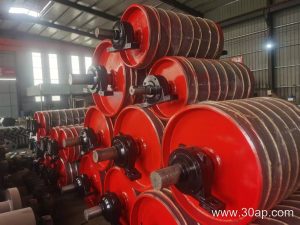
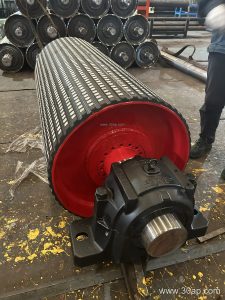
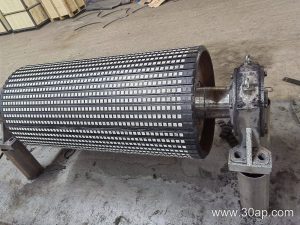
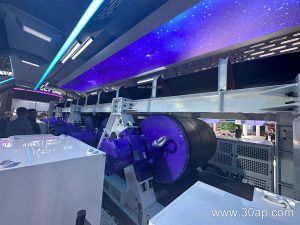
A heavy-duty steel conveyor bracket works together with the conveyor belt, idler roller, and conveyor pulley. The bracket must be aligned with the pulley to avoid belt misalignment. In mining applications, a Mining Conveyor Belt or Flame Retardant Conveyor Belt is often used, and the bracket must be robust enough to handle the belt’s tension. Similarly, a Steel Cord Conveyor Belt used in high-capacity systems requires heavy-duty brackets that can support the weight without deformation. For abrasive materials like iron ore, an Abrasion Resistant Conveyor Belt is paired with impact brackets at transfer points.
Installation and Maintenance Tips
Proper installation is critical. Brackets should be mounted perpendicular to the belt line and securely bolted to the frame. Adjustable brackets allow fine-tuning of the trough angle to optimize material containment. Regular inspection should check for loose bolts, bent brackets, or worn idler rollers. In dusty environments such as cement plants, cleaning around the bracket prevents material buildup that can cause belt tracking issues. Replacing a damaged heavy-duty steel conveyor bracket promptly avoids costly downtime and belt damage.
Buyer’s Checklist
- Confirm belt width and trough angle required for your conveyor.
- Verify roller diameter and bracket mounting dimensions.
- Choose material and surface treatment suitable for the environment.
- Consider adjustable brackets for future changes in belt loading.
- Ensure compatibility with existing pulleys and idlers.
For more information on conveyor brackets and related components, visit our site at www.example.com/conveyor-bracket or www.example.com/idler-roller. Our team can help you select the right heavy-duty steel conveyor bracket for your specific application.