What a Conveyor Bracket Quotation Covers
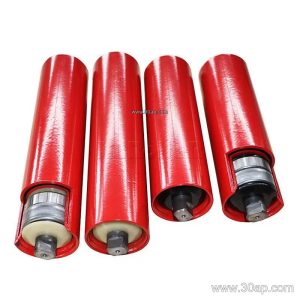
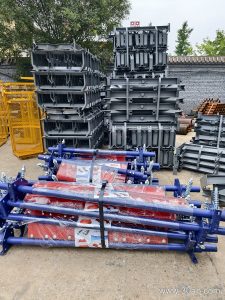
A conveyor bracket quotation is the priced offer a supplier prepares for the steel supports that hold idlers and shape the belt along a conveyor line. In practice, buyers often call this part a conveyor idler bracket or idler frame, and the quotation should make clear which bracket family is being offered, how it is built, and what it is designed to carry. The bracket itself is a modest component, but it decides whether a conveyor belt runs true or wanders, whether the belt edge wears quickly, and how easily maintenance crews can replace a seized idler roller.
Because the bracket is tied to belt width, trough angle and roller diameter, a useful quotation is never just a unit rate. It should describe the arrangement, the material, and the installation position so the offer can be checked against the conveyor drawing.
How These Brackets Are Built
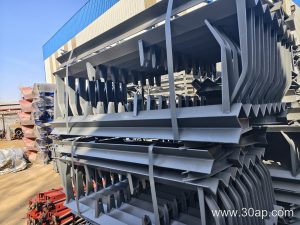
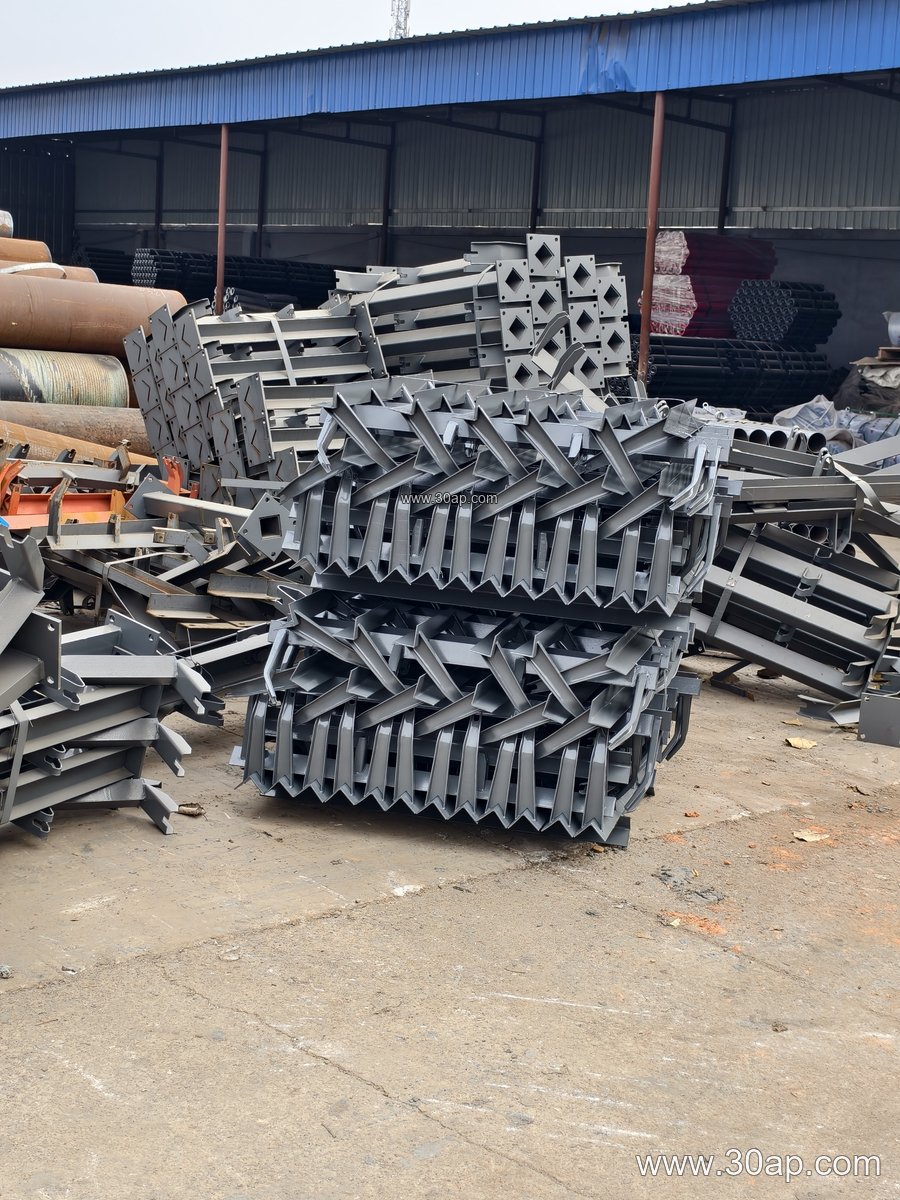
Most brackets are fabricated from angle steel, channel steel or folded steel plate, then drilled or punched for mounting bolts. Welded gussets are common on wider frames where the load from a fully loaded belt is higher. Surface treatment matters in dusty or wet plants, so a quotation normally states whether the frame is painted, galvanized or otherwise protected.
The main structural points to confirm are the beam length, the mounting hole spacing and the roller fixing method. These dimensions follow belt width and trough angle, so they are set by design rather than by a single standard number. A quotation that lists them explicitly is easier to compare than one that only gives a model code.
Common Bracket Types and Where They Sit
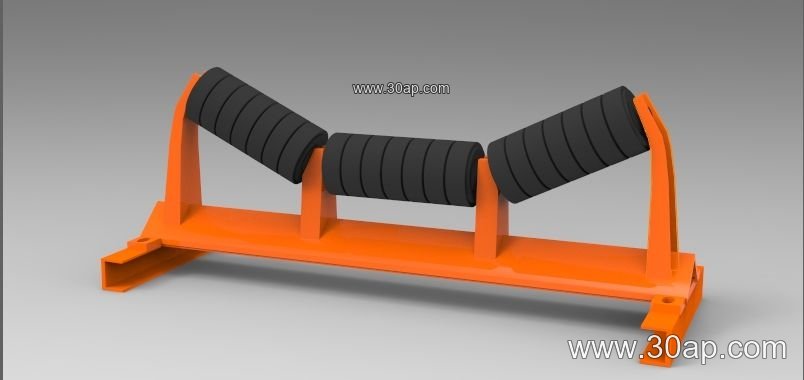
The carrying side usually uses a troughing bracket that sets the belt into a 20, 30, 35 or 45 degree trough. Adjustable brackets allow the angle to be changed within that range during commissioning. Return side brackets are often flat or V-shaped, and transition brackets guide the belt between the tail pulley and the first full trough station. Self-aligning and forward-leaning brackets are selected where belt training is a concern. Impact brackets with cushioning are used below loading points.
- Troughing and upper trough brackets for the carrying run
- Flat and V-return brackets for the empty run
- Transition brackets near pulleys and loading zones
- Self-aligning and forward-leaning brackets for belt training
- Impact brackets under chutes and transfer points
Drive pulleys, tail pulleys and bend pulleys are separate items and are quoted separately; a bracket quotation should not be read as covering them.
Typical Duty Points Across Industries
In a limestone quarry or a stone crushing line, brackets under the crusher discharge see heavy impact and abrasive dust. In a coal washing plant or a power plant coal yard, flame retardant and anti-static belt properties matter, and the frames must suit frequent washdown. Cement plants and clinker lines combine heat and fine dust, while port and ship loading conveyors demand long, stable frames for wide belts. In each case the bracket must match the belt and roller selection, not the other way round.
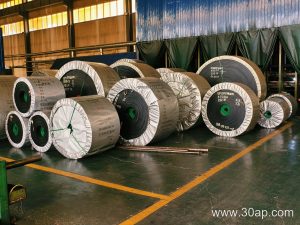
Where a steel cord conveyor belt or a heavy-duty mining conveyor belt is used, the idler spacing and frame stiffness are usually tighter, and the quotation should reflect that. For lighter bulk material conveyor belt duties, standard channel frames are often enough. Related belt options such as EP conveyor belt, NN conveyor belt and heat resistant conveyor belt are chosen on the belt side, while the bracket quotation stays focused on the supporting steel.
Reading a Quotation Line by Line
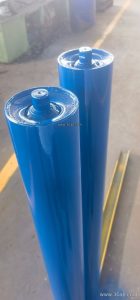
A clear offer usually groups items by position and gives the belt width, trough angle, roller diameter and material for each line. Examples might read B800, 35 degree, Ø108 or B1200, 45 degree, Ø133, with B650, 30 degree, Ø89 appearing on smaller lines. These are common reference combinations, not fixed rules, and wider belts can be paired with different roller diameters depending on load and speed.
Reference parameters often quoted
| Item | Common range |
|---|---|
| Belt width | B500 to B2200 |
| Trough angle | 20, 30, 35, 45 degrees |
| Roller diameter | Ø89, Ø108, Ø133, Ø159, Ø194 |
| Frame material | Angle steel, channel steel, folded plate |
| Forward lean | About 1.5 to 2 degrees |
Ask for the quantity per station, the total number of stations, and whether mounting bolts and idler fixing clamps are included. Confirm the surface finish, the packing method and the drawing revision the price is based on.
Buyer Checklist Before Ordering
- Match every bracket line to the conveyor layout drawing.
- Confirm belt width, trough angle and roller diameter together.
- State the environment: dust, moisture, heat or washdown.
- Check whether adjustable or fixed frames are required.
- Verify hole spacing and beam length against the idler pitch.
- Ask for a dimensional drawing with the quotation.
A good conveyor bracket quotation is traceable, dimensioned and consistent with the belt and idler selection. Treated that way, it becomes a working document for installation and spare parts planning rather than a single price line.