What a Conveyor Idler Bracket Does
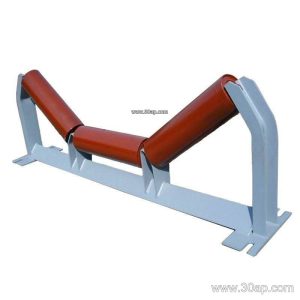
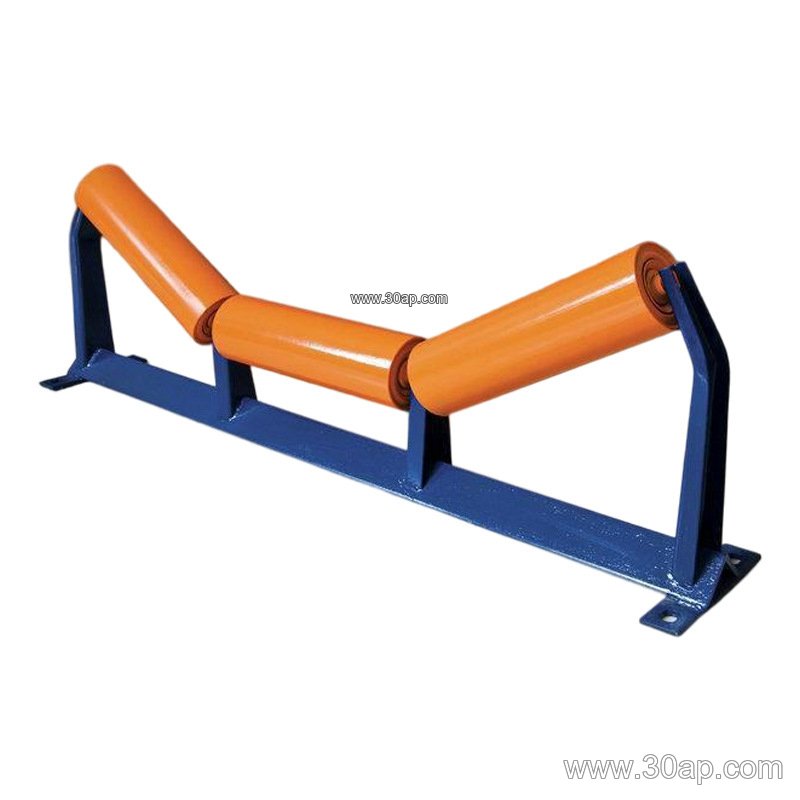
A conveyor idler bracket is the structural support that holds idler rollers in place along a belt conveyor. Often called a conveyor bracket or idler frame, it keeps each roller at the correct height and angle so the belt runs smoothly. In quarry, cement plant, and power plant coal handling lines, these brackets carry the weight of the belt and material, and they set the trough shape that keeps bulk material centered.
The bracket is not a moving part, but its alignment affects everything above it. If the bracket is twisted or loose, the belt may mistrack, spill material, or wear unevenly. That is why maintenance teams treat bracket condition as part of the conveyor structure, not just a roller accessory.
How the Bracket Is Built
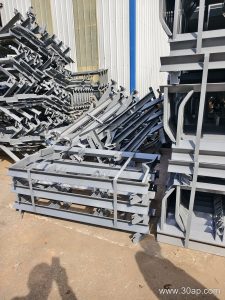
Most brackets are fabricated from angle steel, channel steel, or folded steel plate. The material thickness and coating depend on the duty. In a sand and gravel line, a painted or galvanized bracket may be sufficient. In an iron ore or underground coal mining conveyor, heavier sections and corrosion protection are common.
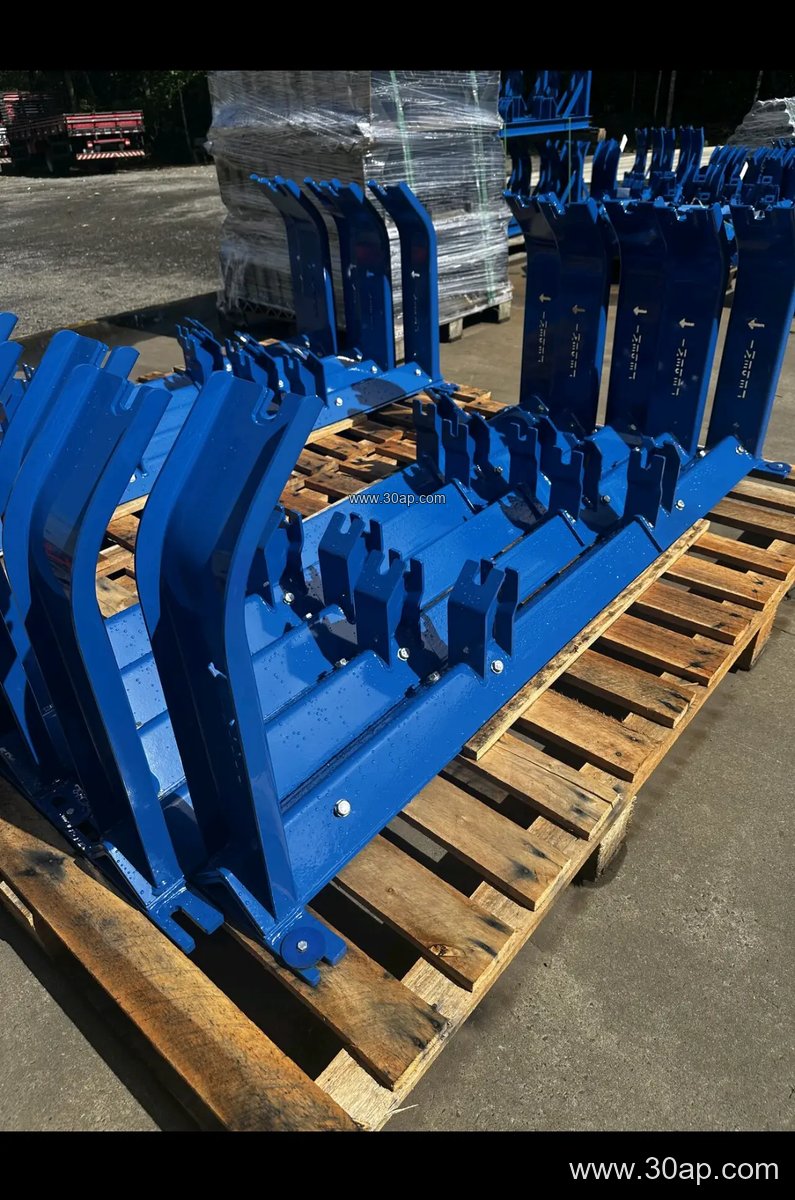
Key construction details include the mounting hole spacing, the crossbeam length, and the slot angle. These are not fixed numbers; they follow the belt width, the roller diameter, and the trough angle required by the conveyor design. A typical bracket may be described as B800, 35 degree, for Ø108 rollers, but the same belt width can also be used with other roller diameters or trough angles when the design calls for it.
Common Types and Where They Fit
Brackets are usually grouped by position and function. The main types include:
- Trough bracket (carrying side) – supports three or more idlers to form the trough.
- Transition bracket – eases the belt from flat to troughed profile near pulleys.
- Return bracket – supports the belt on the return run, often with a flat or V-shaped arrangement.
- Impact bracket – reinforced for loading points where material drops onto the belt.
- Self-aligning bracket – allows slight movement to help correct belt tracking.
- Adjustable bracket – permits changes to the trough angle on site.
These are not interchangeable with drive pulleys, tail pulleys, or bend pulleys. Pulleys transmit power and change belt direction; brackets only support idlers. A common comparison is between a fixed trough bracket and an adjustable bracket. The fixed version is simple and rigid, while the adjustable one lets operators fine-tune the trough angle between common settings such as 20, 30, 35, or 45 degrees. Forward-leaning brackets, often around 1.5 to 2 degrees, are another variation used for belt training.
Matching Brackets to Belt and Roller
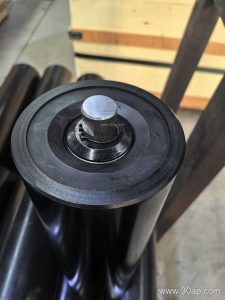
Belt width and roller diameter are the first reference points. Common belt widths include B500, B650, B800, B1000, B1200, B1400, B1600, B1800, B2000, B2200. Roller diameters often seen are Ø89, Ø108, Ø133, Ø159, and Ø194. The bracket must accept the roller shaft and hold the idler at the correct height.
A buyer should provide the belt width, the roller diameter, the desired trough angle, and the mounting dimensions. The table below shows reference combinations; these are examples, not fixed rules.
| Belt Width | Typical Trough Angle | Common Roller Diameter | Bracket Note |
|---|---|---|---|
| B650 | 30 deg | Ø89 | Light to medium duty |
| B800 | 35 deg | Ø108 | General bulk handling |
| B1000 | 35 deg | Ø108 / Ø133 | Check hole spacing |
| B1200 | 45 deg | Ø133 | Heavy trough, impact zones |
| B1400 | 35 deg | Ø159 | Mining and quarry duty |
| B1600 | 45 deg | Ø159 / Ø194 | High capacity lines |
Do not assume one belt width matches only one pulley diameter or one trough angle. The conveyor designer sets the combination based on material, capacity, and transition distance.
Applications Across Industries
In a limestone quarry or aggregate plant, trough brackets support idlers under a 800mm or 1000mm belt carrying crushed stone. In a cement plant, brackets on the clinker and raw material conveyors must resist dust and heat. In a coal-fired power plant, flame retardant and anti-static belt grades are common, and brackets near transfer points may be impact-resistant. In a coal washing plant, corrosion resistance matters because of moisture and fines.
Other users include steel mills, fertilizer plants, grain silos, and tunnel spoil handling. The bracket itself is selected for the environment: galvanized for wet conditions, heavier steel for high loads, and adjustable designs where the belt profile may change over time.
Buyer Checklist
Before ordering, confirm the belt width, roller diameter, trough angle, mounting hole pattern, and material finish. Ask whether the bracket is fixed or adjustable, and whether it is for carrying, return, transition, or impact service. Check that the bracket matches the idler roller shaft and the conveyor frame. For harsh sites, specify the coating or steel grade. Keep spare brackets for high-wear zones such as loading points and curves.
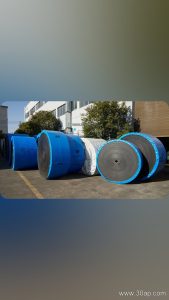
Related conveyor components such as the conveyor belt, idler roller, and conveyor pulley all interact with the bracket, so a consistent specification helps avoid mismatch. Whether the line uses an EP conveyor belt, a steel cord conveyor belt, or a flame retardant conveyor belt, the bracket’s job remains the same: hold the idlers steady and keep the belt running true.