What an EP500 Conveyor Belt Is
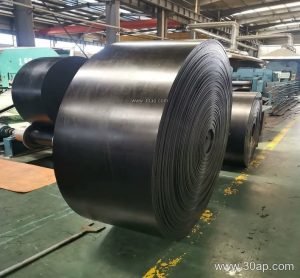
An EP500 Conveyor Belt is a fabric-core rubber belt built around polyester-polyamide (EP) carcass plies, with a nominal tensile strength of 500 N/mm per ply width. It sits in the middle-upper range of the EP lineup, above EP400 and below EP630, which makes it a practical choice for main haulage lines that carry dense, abrasive bulk materials but do not justify a steel cord construction. In everyday plant language it may be called an EP rubber conveyor belt or an EP fabric core conveyor belt; all three names describe the same product.
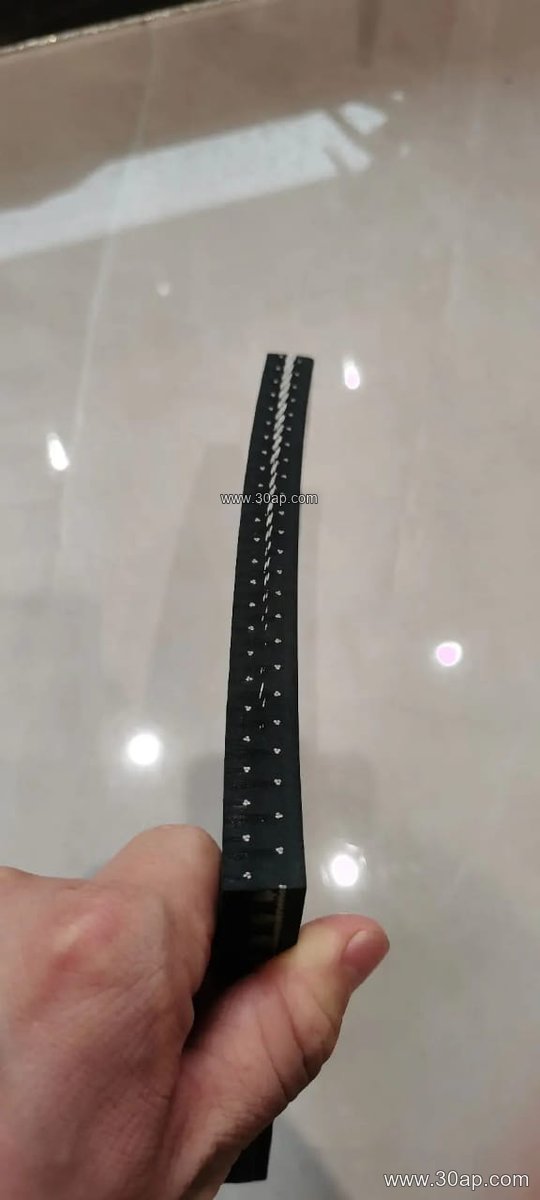
The carcass is the defining element. EP fabric combines polyester warp yarns for low elongation with polyamide weft yarns for flexibility and impact absorption. That balance gives the belt good troughability on conventional idler roller stations while keeping stretch under control on long centre distances. A rubber cover, usually abrasion resistant, protects the carcass from the material stream.
Construction and Typical Build
Most EP500 belts use two to six plies depending on the duty. Cover gauges are commonly quoted in top-plus-bottom form, such as 5+2 mm or 6+2 mm for abrasive rock, and thicker builds are available where impact is severe. Buyers should treat these as reference figures and confirm the final construction with the manufacturer against the actual conveyor design.
- Number of plies: usually 2 to 6, selected by tension calculation
- Cover grade options: abrasion resistant, heat resistant, oil resistant, flame retardant, anti-static
- Surface forms: plain, chevron or patterned for inclined sections, and corrugated sidewall where a skirted belt is needed
- Edge construction: cut edge or moulded edge, depending on width and application
An endless conveyor belt version is often specified for critical lines where a spliced joint is undesirable, while open-length belts are spliced on site with vulcanised or mechanical joints.
Where It Fits in the Plant
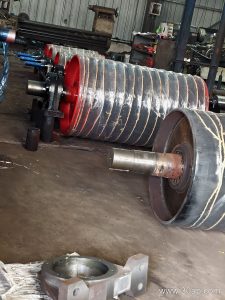
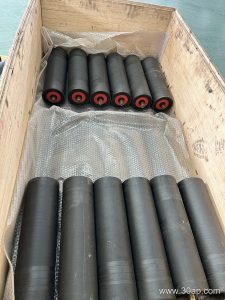
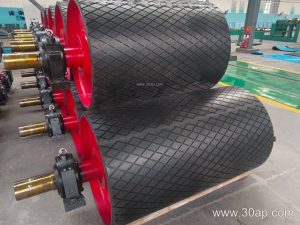
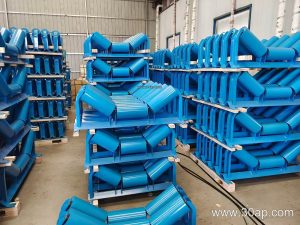
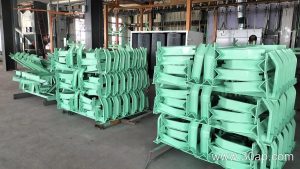
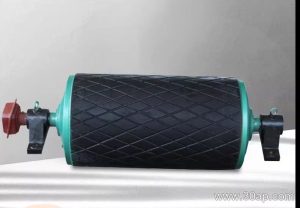
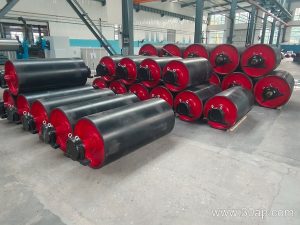
The EP500 grade appears in mines and quarries feeding crushers, in cement plants moving clinker and raw meal, in power plants handling coal, and in sand and gravel operations where a heavy-duty mining conveyor belt is required. It is also common on port and ship loading systems and in steel plants carrying ore and sinter. In these settings the belt runs over conveyor pulley assemblies, troughing idler rollers and conveyor brackets that must be matched to the belt width and load.
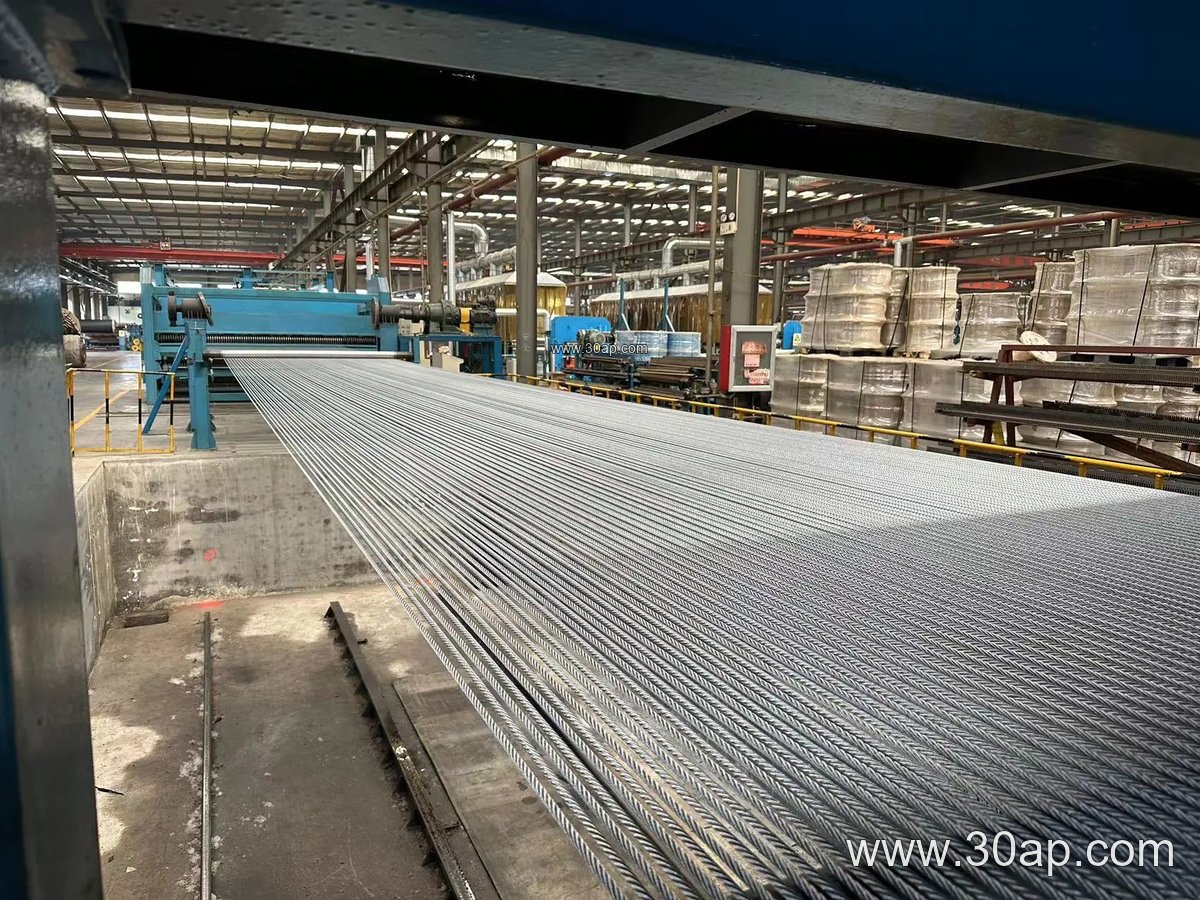
Selection is not automatic. A 1200mm wide EP500 conveyor belt may be right for one transfer point and oversized for another; belt width, speed and capacity must come from the conveyor calculation, not from a rule of thumb. Where the duty is extremely long or the tension very high, a steel cord conveyor belt is often compared as an alternative; where oil or heat is the dominant risk, the appropriate resistant cover grade matters more than the base strength grade.
Specifications Buyers Commonly Review
| Parameter | Typical reference range |
|---|---|
| Strength grade | EP500 (500 N/mm per ply) |
| Belt width | B500, B650, B800, B1000, B1200, B1400, B1600, B1800, B2000 mm |
| Cover thickness | 3+1.5, 4+2, 5+2, 6+2, 8+3 mm |
| Carcass plies | 2 to 6, by design |
| Cover grades | abrasion resistant, heat resistant, oil resistant, flame retardant, anti-static, cold resistant |
Widths and cover builds are design variables, not fixed pairings. A 1000mm belt and a 1400mm belt can both be supplied in EP500 construction, and the pulley diameters and shaft sizes are determined by the conveyor engineer, not derived from belt width alone.
Selection and Maintenance Notes
Match the cover grade to the material: high abrasion resistant covers for crushed stone and ore, flame retardant and anti-static grades for underground coal mining conveyors and other hazardous areas, heat resistant grades for clinker and sinter, and oil resistant grades for oily scrap or processed parts. On steep inclines, a chevron conveyor belt profile or a corrugated sidewall belt may be preferred over a plain EP500 belt because it holds material better.
During operation, keep the belt tracking straight by checking pulley alignment, idler roller condition and loading symmetry. Inspect splices for edge separation, and watch the cover for gouging at transfer points where impact is concentrated. Store spare belts away from direct sunlight and ozone sources, and rotate stock so that older belts are used first. A correctly specified EP conveyor belt with a sound splice and good maintenance usually delivers its expected service life without drama.
For buyers comparing grades, EP500 is a sensible middle option between lighter EP400 belts and heavier EP630 or EP800 constructions. Confirm the final datasheet, joint method and cover grade with the supplier before ordering, and keep the conveyor design calculation on file for future replacement decisions.