What a Custom Conveyor Pulley Is
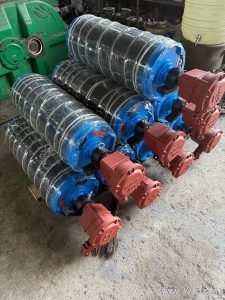
A custom conveyor pulley is a purpose-built drum assembly manufactured to match a specific belt conveyor layout rather than selected from a fixed catalogue. Instead of forcing a standard drum into an existing structure, the pulley is defined around the duty: belt width, wrap angle, tension, shaft load, environment and the driven or non-driven role it plays. For a quarry, cement plant or power station coal yard, that usually means the drum must fit existing conveyor brackets and bearing housings while carrying the loads the belt actually produces.
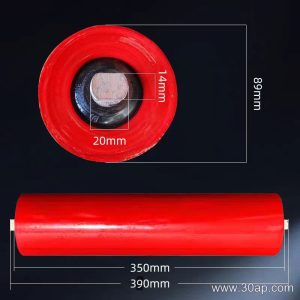
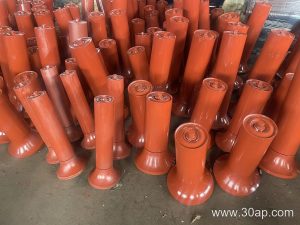
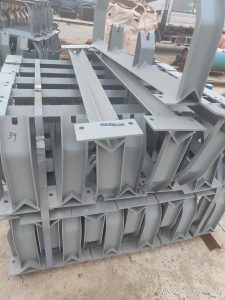
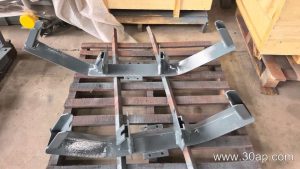
Among the equipment around it, the pulley works with the conveyor belt, the idler roller sets that support the carrying and return strands, and the conveyor bracket that anchors the assembly. A well-matched drum keeps the belt tracking centrally and transfers torque without slip, which matters most where the belt is heavily loaded or exposed to abrasive dust.
How the Drum Is Built
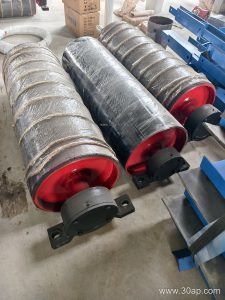
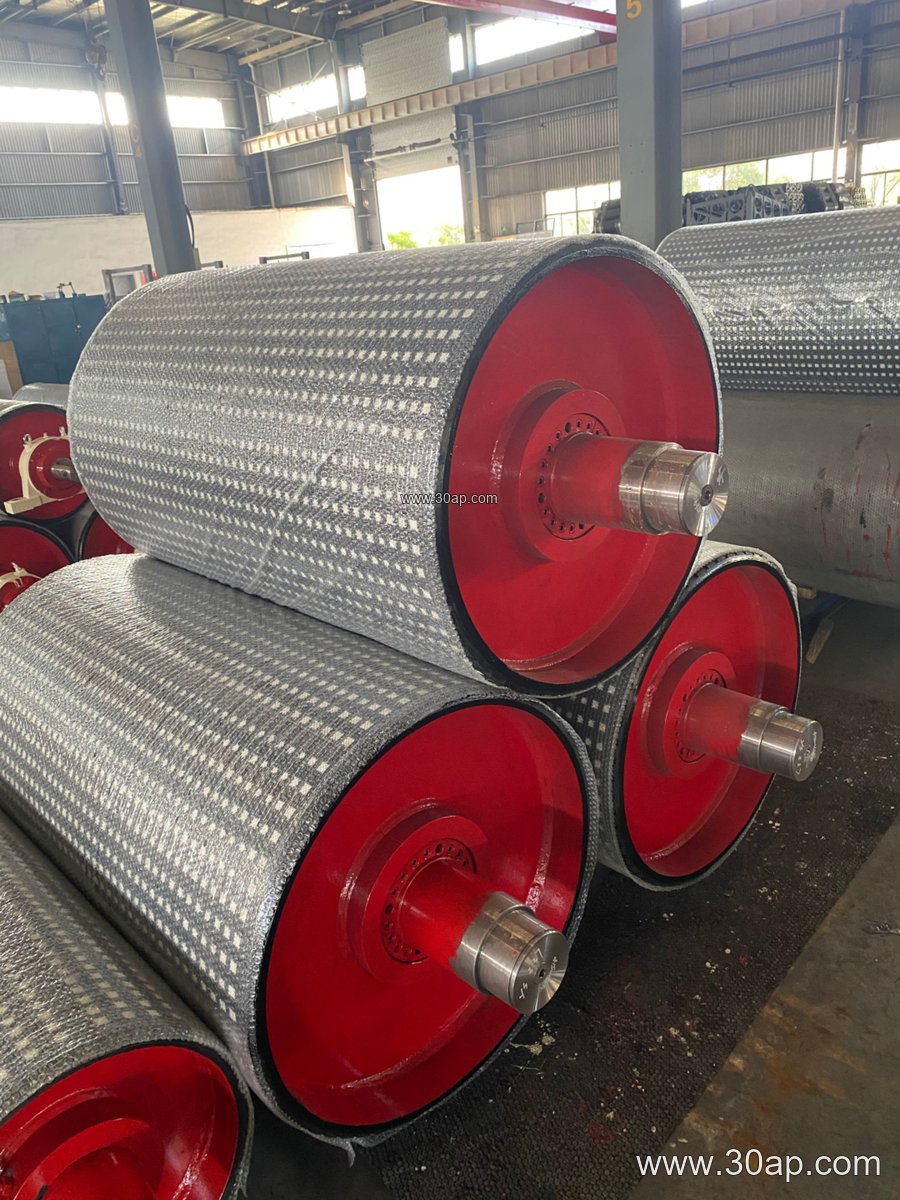
The core is a steel shell, usually machined and sometimes crowned to encourage self-centring. End discs or hubs are welded to the shell, and the shaft is fitted by welding, shrink fit or keyed connection depending on torque and serviceability requirements. Bearing housings sit at each end, and the whole assembly is balanced before lagging is applied.
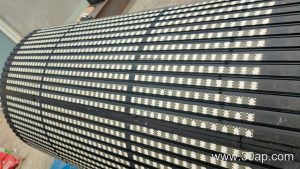
Surface treatment is where much of the customisation happens. A plain finish suits light duty and cleaning-friendly positions. Rubber lagging, applied cold or hot vulcanised, improves grip on the drive side and cushions the belt. Diamond or herringbone profiles help shed water and fines, while ceramic lagging is chosen where abrasive carry-back would quickly wear plain rubber. Lagging thickness commonly falls between 8 mm and 20 mm, with the final figure set by the duty rather than by habit.
Position in the Conveyor and Its Effect on Design
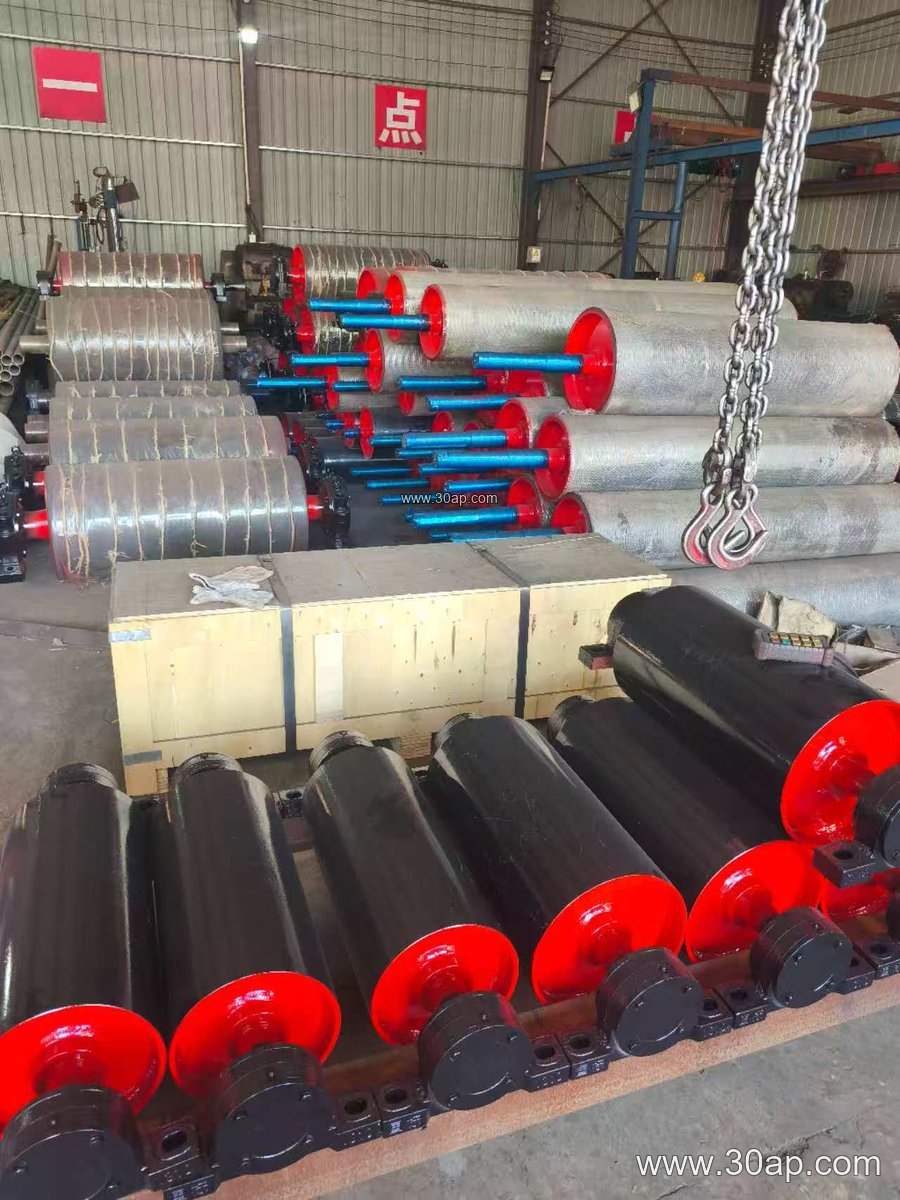
A drive pulley transmits power and therefore carries the highest torque; its shaft, keyway and lagging usually need the most attention. A tail pulley at the loading end returns the belt and often benefits from a self-cleaning or wing-type profile where sticky material is present. A bend pulley changes belt direction without driving, so its diameter is chosen mainly to keep belt bending stress acceptable.
The distinction matters. A custom conveyor pulley ordered for a head or drive position cannot simply be swapped with a tail or bend drum of the same width, because the load case, lagging and shaft design differ. When comparing options, engineers sometimes weigh a bend pulley against a snub or take-up pulley to see which position allows the gentler belt path.
Typical Sizes and Combinations
Drum width usually exceeds belt width so the belt is fully supported. The following reference values are common starting points, not fixed rules, and each project should confirm its own dimensions.
- B400 belt, shell width around 500 mm, diameter often Ø200 to Ø315 mm
- B650 belt, shell width around 750 mm, diameter often Ø315 to Ø500 mm
- B800 belt, shell width around 950 mm, diameter often Ø400 to Ø630 mm
- B1000 belt, shell width around 1150 mm, diameter often Ø500 to Ø800 mm
- B1200 belt, shell width around 1400 mm, diameter often Ø630 to Ø1000 mm
- B1400 belt, shell width around 1600 mm, diameter often Ø800 to Ø1250 mm
- B1600 belt, shell width around 1800 mm, diameter often Ø1000 to Ø1400 mm
Useful combinations such as B800 × Ø500, B1200 × Ø1000 or B1400 × Ø800 appear regularly, but no belt width is limited to a single diameter. Shaft diameter is a separate decision based on torque and bearing load; common shafts run from Ø50 mm to Ø200 mm, and the value should never be copied from belt width alone.
Matching the Drum to the Belt
The drum and belt form a system. A heavy-duty mining conveyor belt carrying ore at high tension needs a drive drum with adequate diameter to limit bending fatigue, especially where a steel cord conveyor belt is used. Underground coal mining conveyor belt installations using a flame retardant conveyor belt often specify lagging that resists both abrasion and static build-up. In a cement plant, heat resistant conveyor belt sections may feed clinker that radiates warmth into the drum area, so bearing selection and grease choice deserve a second look.
At a port or aggregate conveyor belt line, a high abrasion resistant conveyor belt paired with ceramic-lagged drums gives longer service between belt changes. Where a pipe conveyor belt or a corrugated sidewall conveyor belt is involved, pulley geometry must respect the belt profile and any cleats, so the drum drawing should be shared with the belt supplier early.
What Buyers Should Confirm Before Ordering
A clear specification prevents most field problems. Before placing an order, confirm the following with the manufacturer:
- Belt width and required shell face width
- Pulley diameter and whether crowning is wanted
- Shaft diameter, material and keyway detail
- Lagging type, profile and thickness
- Bearing type, housing style and mounting centres to suit the conveyor bracket
- Balancing class and surface finish
- Operating environment, including dust, moisture and temperature
Also ask how the drum will be inspected and re-lagged later. A drum that can be re-covered without replacement extends the life of the whole conveyor, and in a busy sand and gravel line that downtime saving is often worth more than the initial price difference. For assistance with drum, idler roller and belt matching, visit www.beltsupplier.com to review compatible components.