What a Self-Aligning Idler Bracket Does
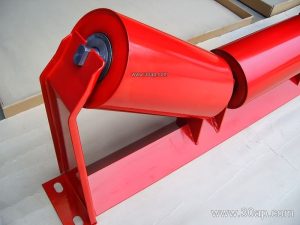
A self-aligning idler bracket is the mounting frame that holds a set of idler rollers and lets them pivot slightly so the belt corrects its own path. Instead of fixing the rollers rigidly to the conveyor stringer, this bracket sits on a pivot point or a swivel base. When the belt drifts sideways, the angled rollers in the bracket create a small steering force that pushes the belt back toward the center line. In a quarry, a cement plant, or a power plant coal yard, that gentle correction reduces edge damage and spillage without an operator adjusting the frame by hand every shift.
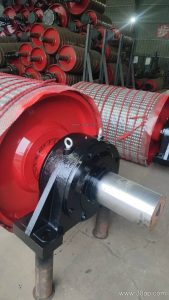
The bracket is often called a self-tracking idler frame or a training idler bracket. It is not a drive pulley, tail pulley, or bend pulley, and it does not replace any of them. It works alongside the carrying idlers and return idlers on the same conveyor.
How the Bracket Is Built
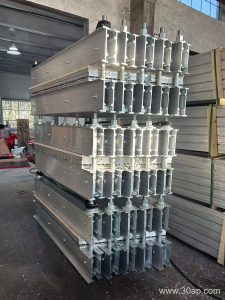
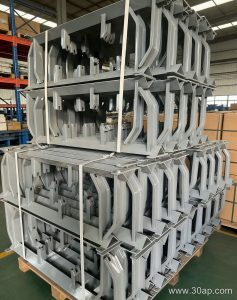
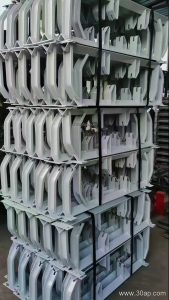
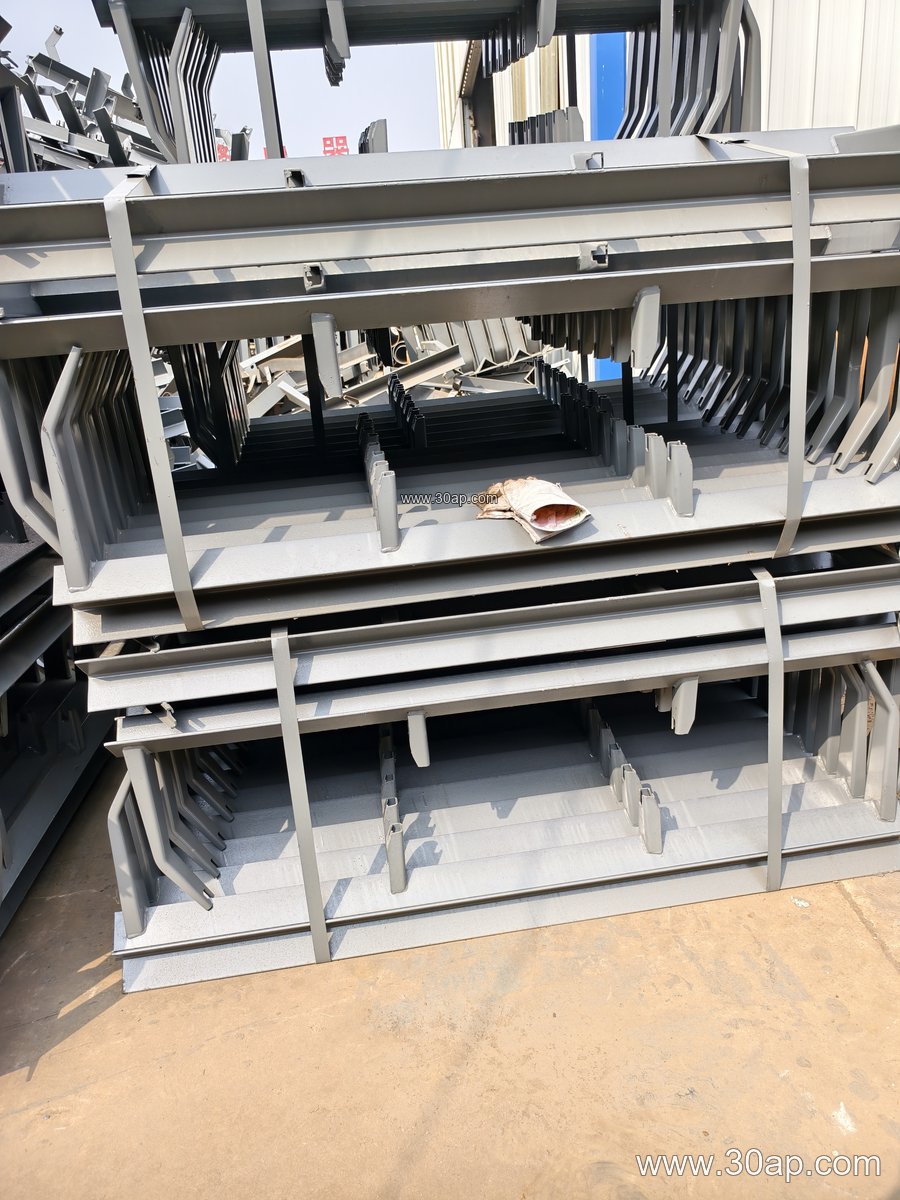
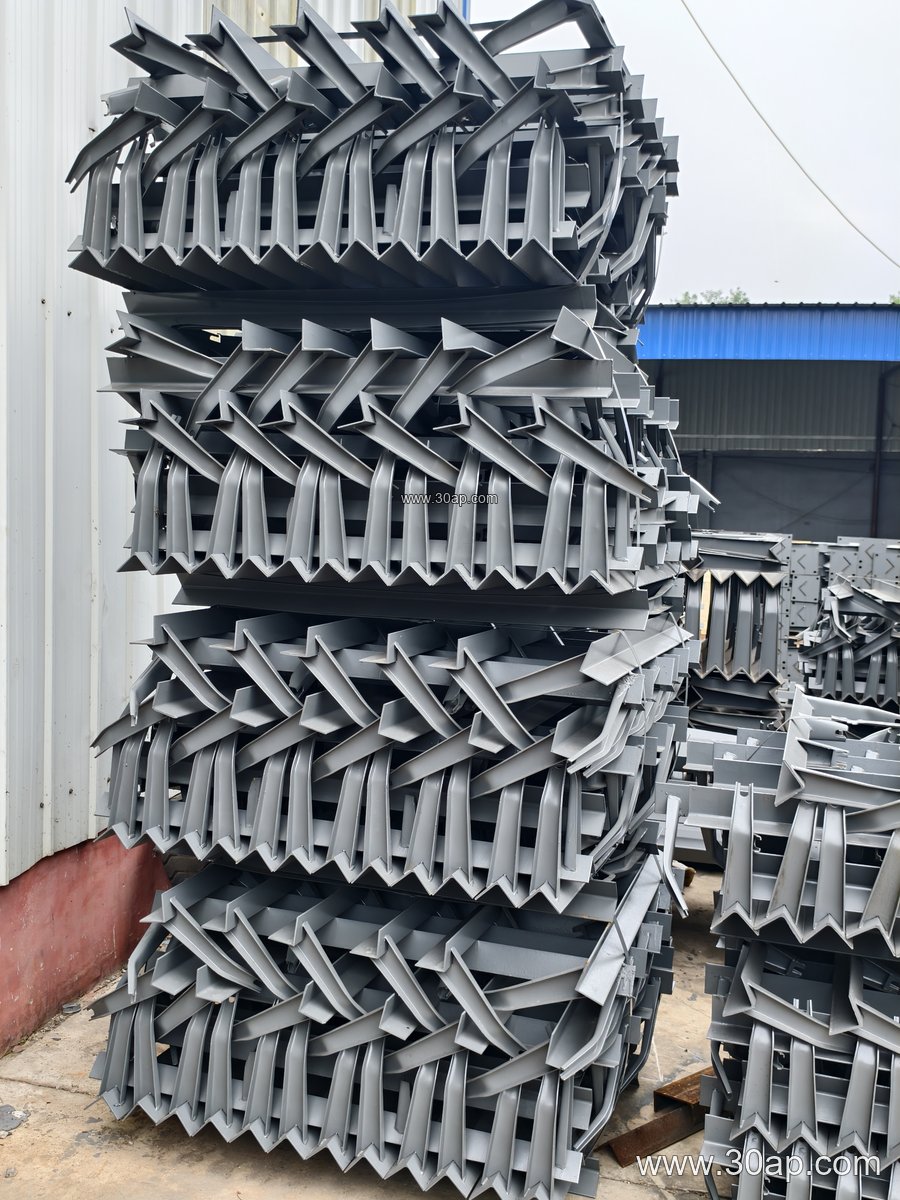
Most units are fabricated from angle steel, channel steel, or folded steel plate. The frame carries two or three rollers, usually with the outer rollers set at an angle to form a trough. A central pivot allows the whole assembly to rotate a few degrees around a vertical axis. Stops or limit pins keep the swing within a safe range.
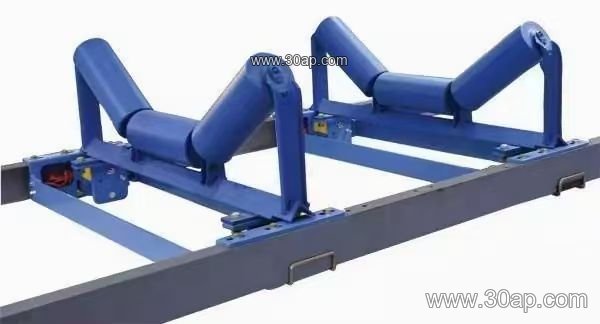
Common construction details include:
- Welded or bolted cross beam sized to the belt width
- Pivot shaft with bushings or sealed bearings
- Roller mounting slots that accept different shaft ends
- Optional forward tilt of about 1.5 to 2 degrees to encourage centering
Materials and plate thickness vary with load. Heavy-duty mining conveyor lines generally use thicker channel and larger pivot hardware than a small aggregate conveyor.
Where It Fits on the Conveyor
Self-aligning brackets are typically installed on the carrying side, a short distance after the loading point, and on the return side where belt wander is common. In a limestone mine or a crushing and screening line, the belt often shifts after a chute loads it off-center. A training bracket placed downstream catches that drift early.
On a coal mining conveyor belt or an underground coal mining conveyor, space is tight, so compact swivel frames are preferred. In a port ship loading conveyor or a steel plant sinter line, the bracket may sit on a long overland section where a small correction saves a lot of edge wear. The bracket should not be confused with a transition bracket, a buffer idler bracket, or a V-return bracket; each has a different job.
Matching Belt Width, Trough Angle, and Roller Diameter
Selection starts with the belt width, the required trough angle, and the roller diameter. These values are linked to the conveyor design rather than fixed by a single rule. A B800 belt with a 35 degree trough and Ø108 rollers is a common combination, while a B1200 line with a 45 degree trough often uses Ø133 rollers. A smaller B650 conveyor with a 30 degree trough may run Ø89 rollers.
The table below shows typical reference combinations. Treat them as examples, not mandatory pairings.
| Belt Width | Trough Angle | Roller Diameter | Typical Use |
|---|---|---|---|
| B500 | 20–30 degrees | Ø89 | Light aggregate, sand |
| B650 | 30 degrees | Ø89 | Small crushing line |
| B800 | 35 degrees | Ø108 | Cement plant, quarry |
| B1000 | 35–45 degrees | Ø108–Ø133 | Coal handling, ore |
| B1200 | 45 degrees | Ø133 | Power plant, port |
| B1400 | 35–45 degrees | Ø133–Ø159 | Heavy bulk material |
| B1600 | 35–45 degrees | Ø159 | Mining, steel plant |
| B1800 | 35–45 degrees | Ø159–Ø194 | Large overland conveyor |
Installation hole spacing and cross beam length change with belt width and trough angle. A buyer should ask for a dimension drawing rather than assume a fixed number. The belt width does not lock the bracket to one trough angle or one roller size.
Adjustable Versus Fixed Frames
An adjustable self-aligning idler bracket lets maintenance staff change the trough angle within a range, such as 20 to 45 degrees, or fine-tune the pivot stop. A fixed frame is simpler and cheaper but must be ordered for the exact belt width and angle. For a conveyor that may be modified later, the adjustable version offers more flexibility. For a stable, single-purpose line in a fertilizer plant or grain silo, a fixed frame can be enough.
Buyer Checklist
- Confirm belt width and the operating trough angle
- Specify roller diameter and shaft end type so the idlers fit the bracket
- State whether the frame is for the carrying side or return side
- Ask for the pivot range and stop settings
- Match steel thickness and finish to the dust and moisture level on site
- Request a drawing showing mounting hole distance and beam length
A well-chosen self-aligning bracket keeps the belt centered, protects the edges, and reduces manual tracking work. Pair it with suitable idler rollers and a properly tensioned conveyor belt, and the whole line runs more steadily.