What a Conveyor Take-Up Pulley Does
A conveyor take-up pulley is the rotating component that maintains the correct tension in the belting on a conveyor system. Often called a tension pulley or take-up drum, it sits in a movable frame that adjusts position to compensate for stretch, load changes, and thermal expansion. Without it, a conveyor belt can slip on the drive pulley, sag between idlers, or mistrack. The take-up pulley is not a drive pulley or a tail pulley; it has a distinct tensioning function, and while a bend pulley may guide the belt, the take-up pulley specifically moves to regulate slack.
Construction and Surface Options
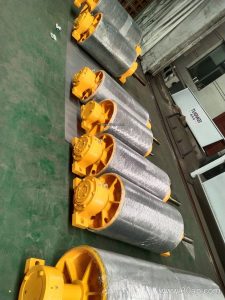
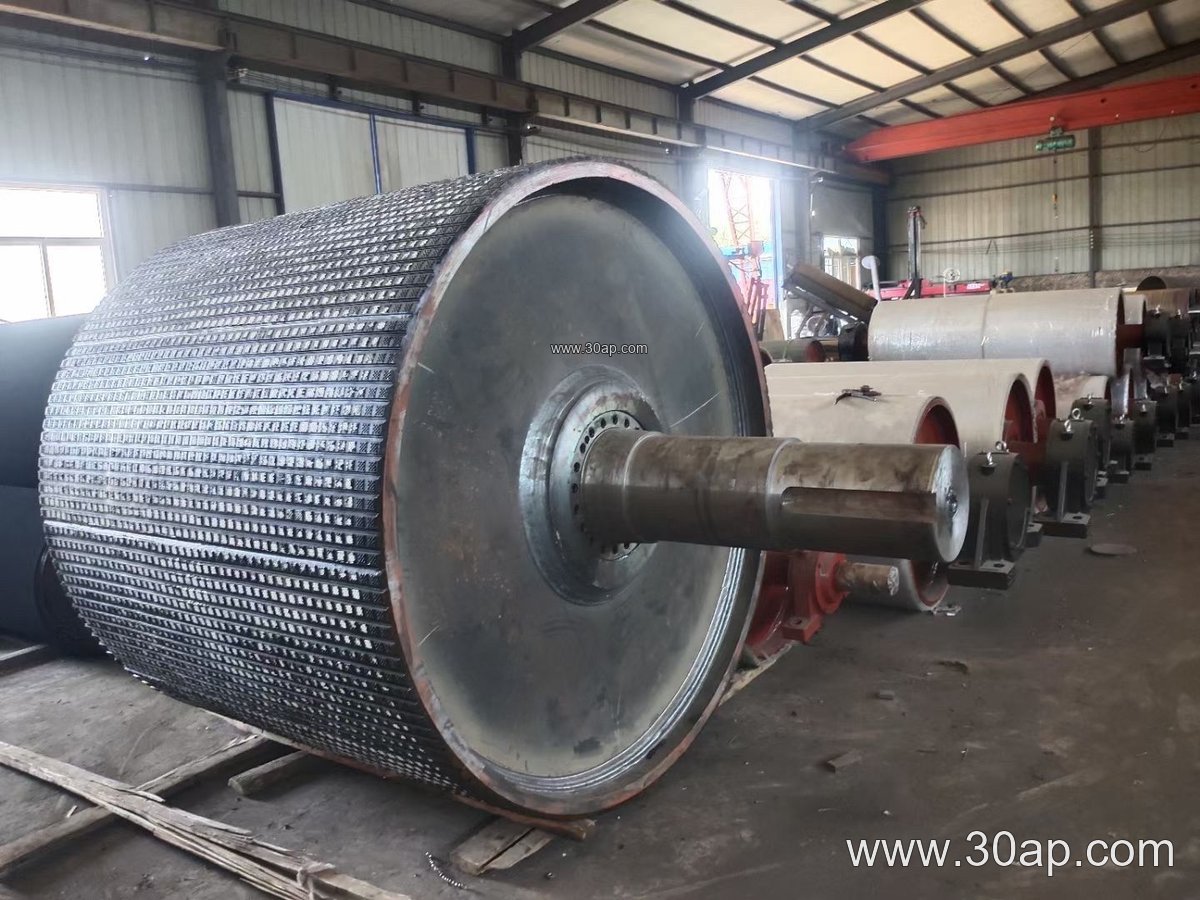
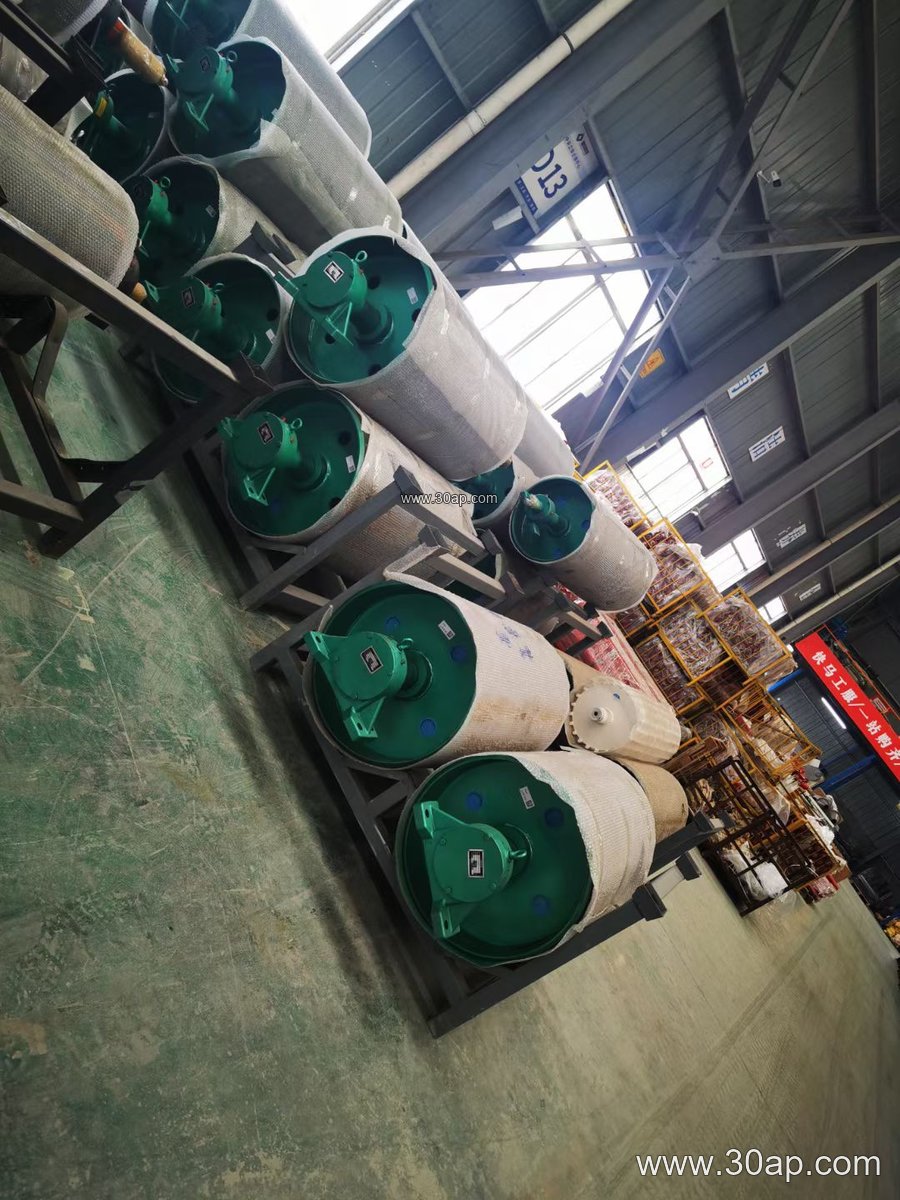
Typically built from a welded steel drum with a shaft, hubs, and bearing housings, the take-up pulley can be supplied with different surface treatments. Common surfaces include plain finish, cast rubber, cold-bonded rubber, hot-vulcanized rubber, diamond grooving, herringbone grooving, and ceramic lagging. Lagging thickness often ranges from 8 mm to 20 mm depending on the duty. The pulley face width is usually wider than the belt width; for example, a B800 belt may use a pulley face around 950 mm, and a B1200 belt around 1400 mm. Diameters commonly range from Ø200 to Ø1800, with combinations such as B800 × Ø500 or B1200 × Ø1000 appearing in heavy-duty layouts. Shaft diameters are not tied to belt width alone; they are determined by torque and load, with common sizes including Ø50, Ø80, Ø120, and Ø160.
Where It Fits in the Conveyor
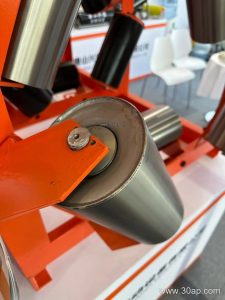
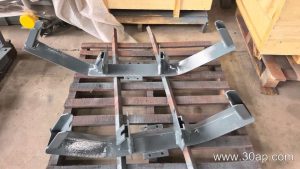
Take-up pulleys are found in mining, coal preparation, cement plants, power station coal handling, quarry and aggregate lines, and port bulk terminals. In a typical arrangement, the take-up pulley is mounted on a carriage that travels along the conveyor bracket or frame, either with a screw take-up, gravity take-up, or hydraulic tensioning. It may be located near the tail or after the drive to suit the belt path. The pulley works together with the conveyor belt, carrying idlers, and return idlers to keep the belt aligned and tensioned. In underground mining and long overland conveyors, proper take-up action is essential for reliable starting and stopping.
Key Parameters Buyers Should Review
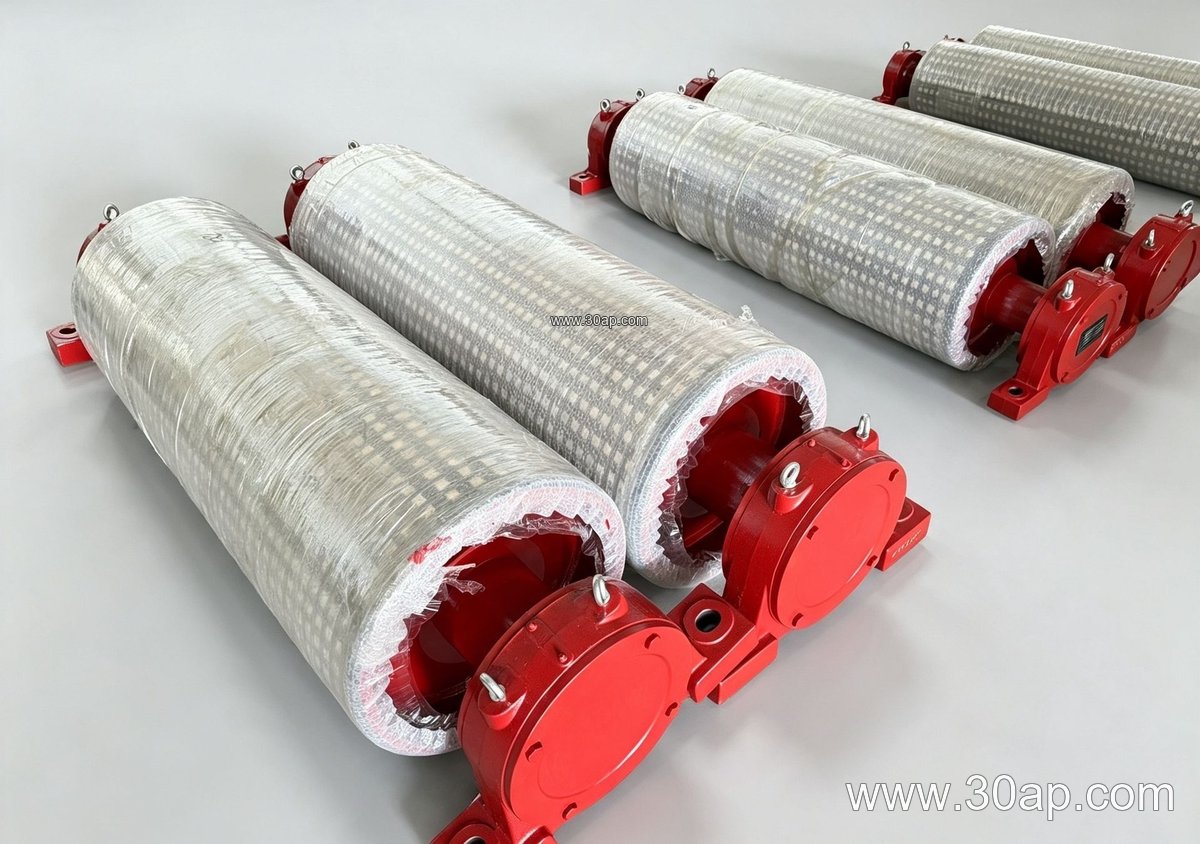
When specifying a conveyor take-up pulley, buyers should confirm the belt width, pulley diameter, face width, shaft diameter, bearing type, and lagging requirement. The table below shows common reference combinations; final dimensions should be confirmed by the conveyor designer.
| Belt Width (mm) | Typical Pulley Face (mm) | Common Diameter Range (mm) | Example Shaft Dia. (mm) |
|---|---|---|---|
| B500 | 600 | Ø250–Ø400 | Ø60–Ø80 |
| B650 | 750 | Ø315–Ø500 | Ø70–Ø100 |
| B800 | 950 | Ø400–Ø630 | Ø80–Ø120 |
| B1000 | 1150 | Ø500–Ø800 | Ø100–Ø140 |
| B1200 | 1400 | Ø630–Ø1000 | Ø120–Ø160 |
| B1400 | 1600 | Ø800–Ø1250 | Ø140–Ø180 |
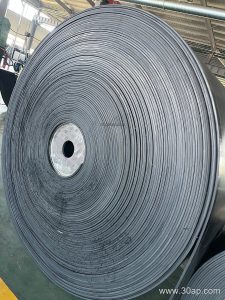
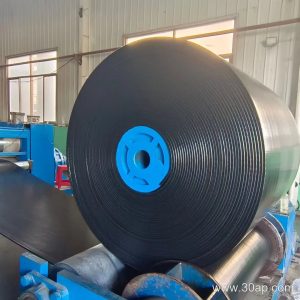
These values are typical references, not mandatory pairings. A B1200 belt might use a Ø800 pulley in one plant and a Ø1000 pulley in another, depending on belt tension and space. The take-up pulley should be matched to the conveyor belt type—such as EP conveyor belt, steel cord conveyor belt, or flame retardant conveyor belt—and to the load profile. For abrasive materials, a rubber-lagged take-up pulley can reduce wear and improve grip. For high-temperature service, heat resistant lagging may be needed.
Maintenance and Buying Tips
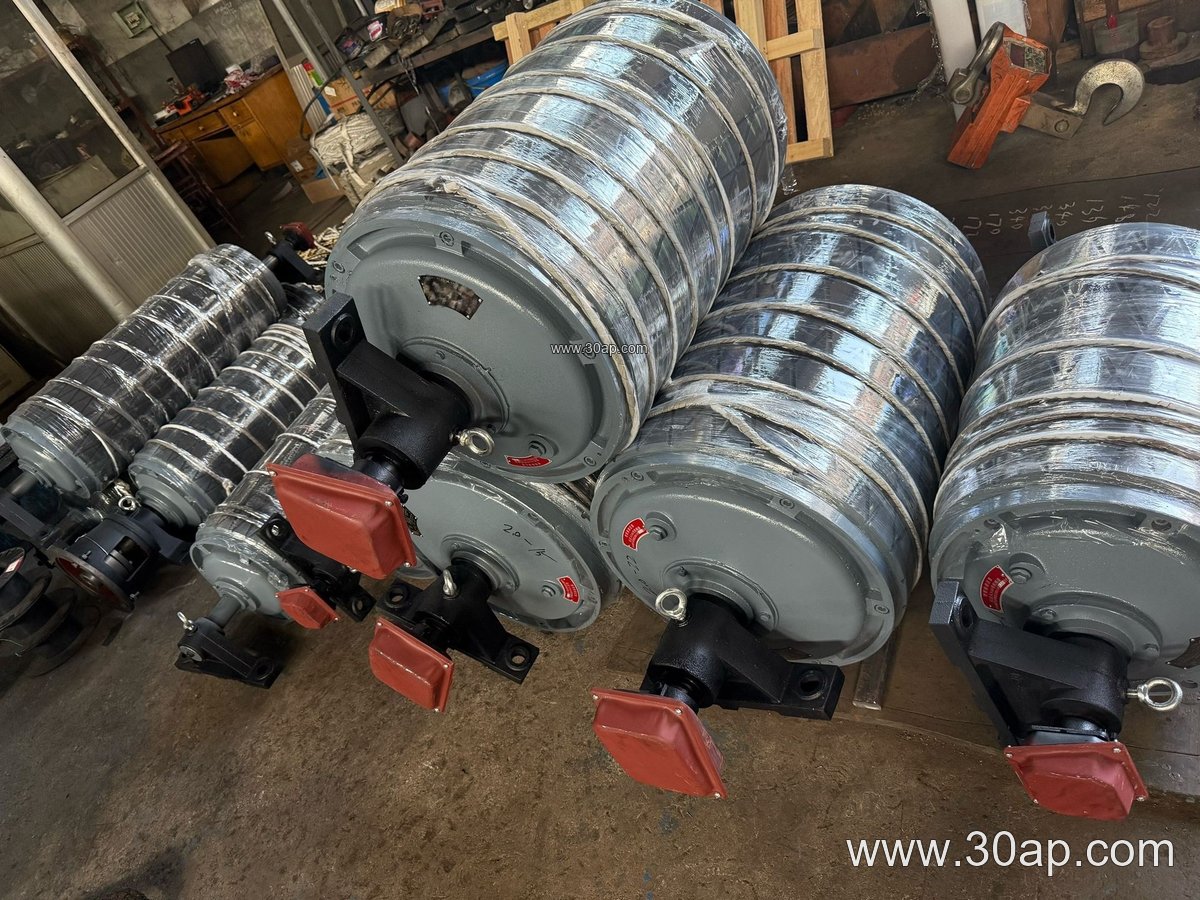
Regular inspection of the take-up pulley should cover lagging wear, bearing condition, shaft alignment, and travel of the take-up carriage. A stuck or under-tensioned take-up pulley can cause belt slip and accelerated idler roller wear. Buyers should ask for the pulley’s dynamic balance report if high speed is expected, and confirm that the bearing housings fit the existing conveyor bracket. Lubrication points and access for lagging replacement should also be considered. When replacing a take-up pulley, keep the same functional subtype—do not substitute a bend pulley or tail pulley unless the conveyor design is reviewed. For systems handling coal or cement, flame retardant and anti-static belt properties may influence the take-up pulley’s surface choice. In quarry and aggregate duty, abrasion resistant lagging is often practical.
Working With the Belt and Frame
The take-up pulley does not work alone. Its performance depends on correct interaction with the conveyor belt, the idler roller set, and the conveyor bracket. For wide belts such as 1800 mm or 2000 mm, the pulley face may be around 2000 mm or 2200 mm, and the shaft diameter could be Ø180 or Ø200, but these are design-dependent. Always share the belt width, belt type, trough angle, and expected tension with the pulley supplier. A well-matched take-up pulley helps extend belt life and keeps the entire conveyor system running smoothly.