What a 1500mm Conveyor Belt Really Means
A 1500mm conveyor belt is a wide-format belt built for conveying systems that need high capacity, stable tracking and good material support. In everyday plant language, people may call it a 1500 wide belt, a 1.5-meter belt or simply a wide conveyor belt. The number refers to the belt width, not to the pulley diameter or the shaft size. That distinction matters because a wide belt can run on different pulley diameters depending on the duty, the load and the conveyor design.
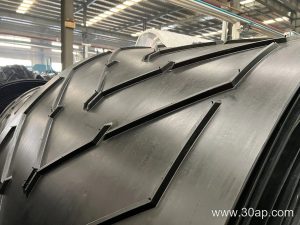
Wide belts are common in bulk handling where the material layer is spread out rather than heaped in a narrow strip. A 1500mm belt can be an EP conveyor belt, an NN nylon belt or a steel cord belt, depending on the tension and the application. The belt body usually combines a fabric or steel cord carcass with rubber covers on the top and bottom. The carcass carries the tension, while the covers protect against abrasion, impact and the working environment.
How the Belt Is Built
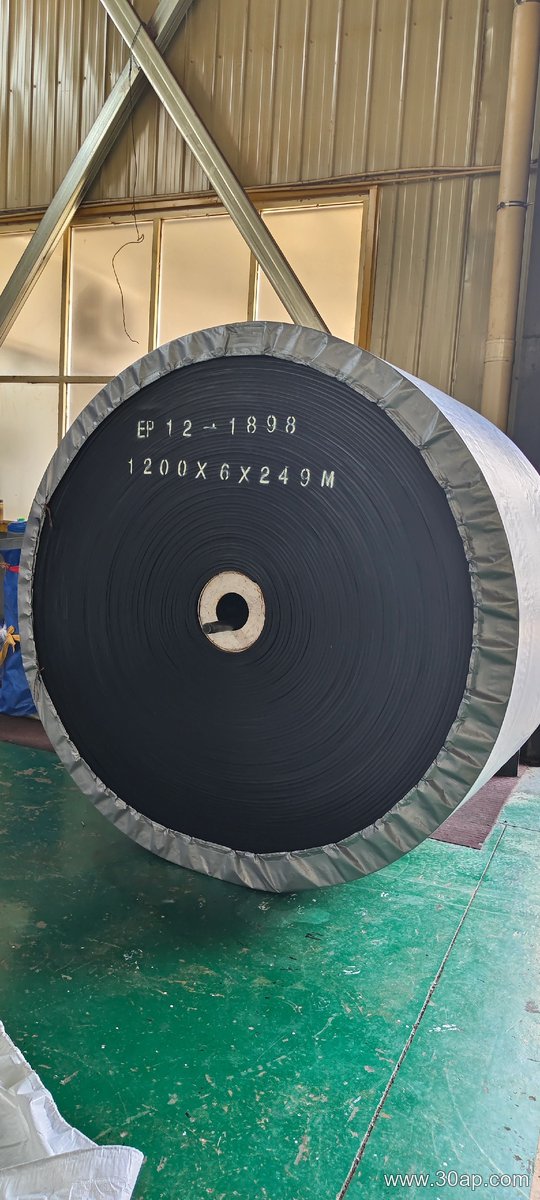
An EP conveyor belt uses polyester and nylon fabric layers, often called plies. A typical specification may look like EP630/3 or EP800/4, where the first number relates to the longitudinal tensile strength and the second number shows the number of fabric plies. Heavier belts may use more plies or a steel cord carcass. Cover rubber is chosen for the job: abrasion-resistant grades for ore and aggregate, heat-resistant grades for clinker and sinter, and oil-resistant compounds for oily or chemical environments.
Edge construction also matters on a 1500mm wide belt. A well-built edge resists fraying and helps the belt run straight through the conveyor. The belt is joined either by a hot vulcanized splice, a cold bonded splice or a mechanical fastener, depending on the belt type and the site conditions. For long overland conveyors, a vulcanized splice is usually preferred because it gives a smoother surface and better fatigue resistance.
Where 1500mm Belts Are Used
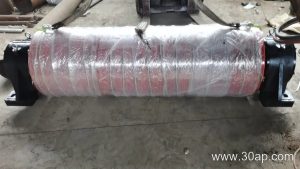
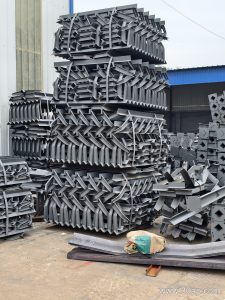
This width is often found in mines, quarries, aggregate plants, cement works, power stations and port terminals. It suits primary crushing circuits, stockyard conveyors and long-distance haulage where the tonnage is high. A 1500mm belt may also appear in heavy industrial plants handling coal, limestone, copper ore, iron ore or sand and gravel. The belt works together with idler rollers, a conveyor pulley and a conveyor bracket system, so the whole conveyor must be considered rather than the belt alone.
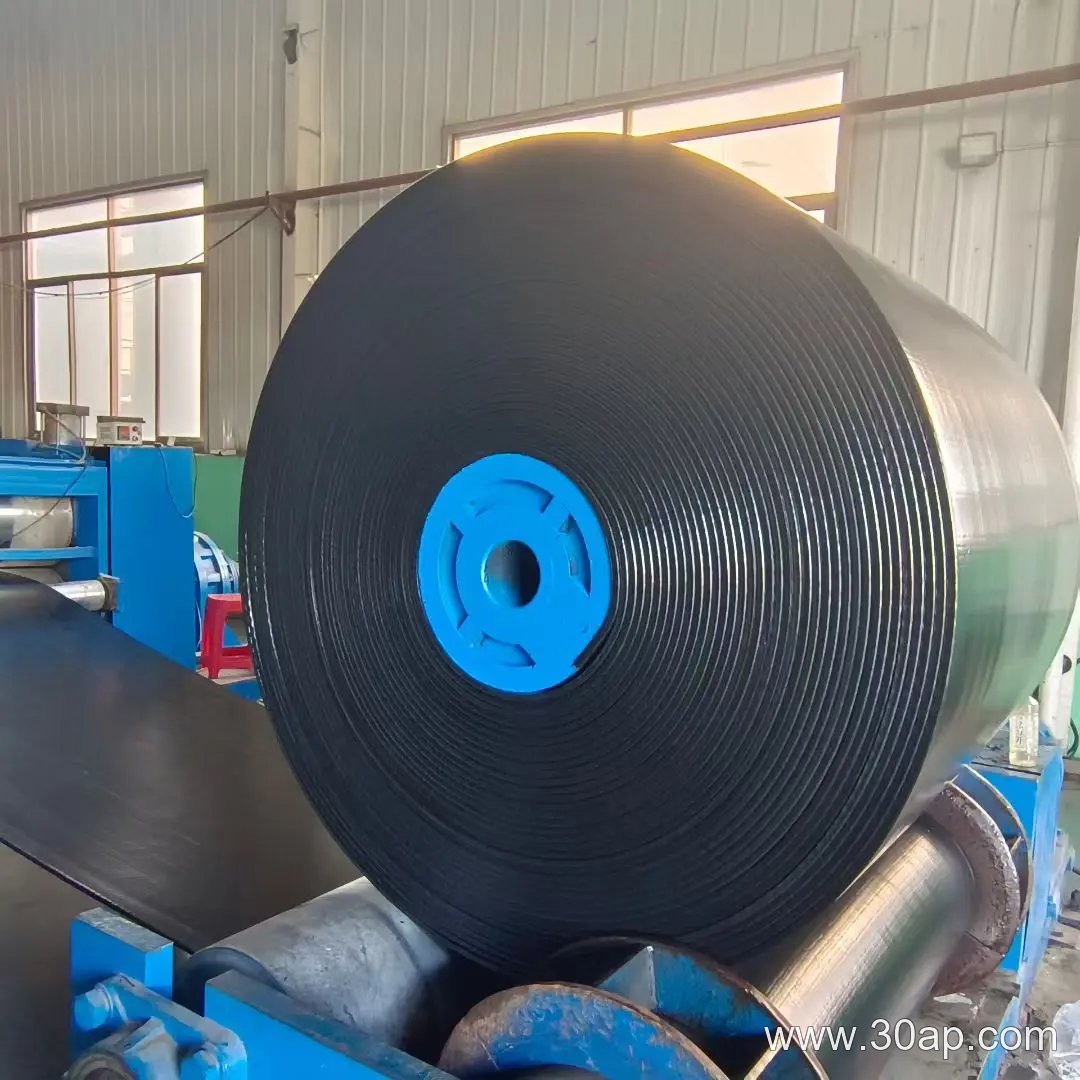
Different belt types fit different duties. A Flame Retardant Conveyor Belt is used in underground coal mines and other enclosed areas where fire safety is a priority. An Oil Resistant Conveyor Belt is chosen for recycling plants, scrap handling and workshops where lubricants or oily materials may contact the belt. A Thick Conveyor Belt with heavier covers is common in primary crushing and high-impact transfer points, where sharp lumps and drop heights would quickly damage a lighter belt. An EP1500 Conveyor Belt is a high-strength fabric belt often selected for heavy-duty bulk haulage on long conveyors or steep inclines.
Matching the Belt to the Conveyor
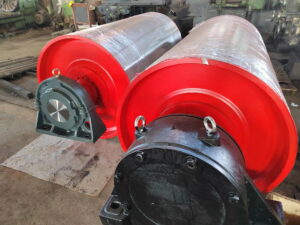
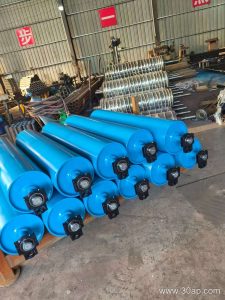
A 1500mm belt is not a standalone item. The conveyor structure, the idler roller spacing, the pulley face width and the drive power all interact. Pulley face width is normally a little wider than the belt itself. A B1400 pulley, for example, may have a face around 1500mm to 1600mm, while a B1600 pulley is wider still. Common pulley diameters include Ø500, Ø630, Ø800, Ø1000 and Ø1250, with rubber lagging, diamond lagging or ceramic lagging for grip. The shaft diameter is determined by the torque and the load, not by the belt width alone.
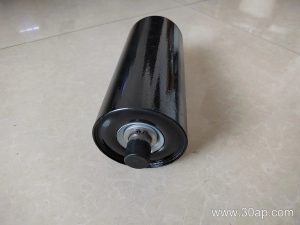
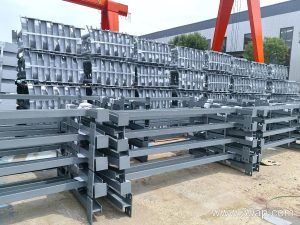
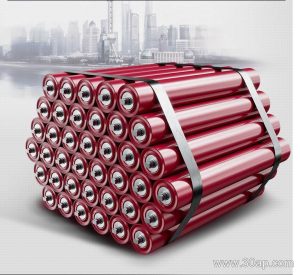
Idler rollers for a 1500mm belt are usually selected from troughing, return, impact and self-aligning types. Common roller diameters include Ø133, Ø159 and Ø194, and the trough angle is often 30, 35 or 45 degrees. A conveyor bracket holds the idlers in place, and adjustable brackets can help with alignment. If the belt wanders, the cause may be uneven loading, misaligned idlers, a crooked pulley or a seized roller, so the whole line should be checked.
What Buyers Should Check
- Belt type and carcass: EP, NN or steel cord, with the correct strength grade for the duty.
- Cover grade and thickness: abrasion, heat, oil or flame resistance as required.
- Belt width and edge condition: 1500mm nominal width with clean, straight edges.
- Pulley and idler compatibility: face width, roller diameter and trough angle.
- Splice method: hot, cold or mechanical, and who will carry it out.
- Operating conditions: material size, moisture, temperature, incline and belt speed.
It is also worth asking for the belt’s recommended minimum pulley diameter, because a thick or stiff belt may need a larger pulley to avoid excessive bending stress. The belt should be stored away from direct sunlight, excessive heat and oily floors, and it should be handled with suitable lifting equipment to avoid edge damage.
Practical Advice for Long Service Life
Correct loading is one of the simplest ways to protect a 1500mm belt. Material should be placed centrally and at a speed close to the belt speed, so impact and abrasion are reduced. Skirt rubber, impact idlers and a suitable chute design help control the load. Regular inspection of the idler rollers, the conveyor pulley and the conveyor bracket system can catch problems before they damage the belt. Tracking should be checked after any structural change, and the splice should be watched for cracks or separation.
Choosing a wide belt is a balance between capacity, strength, cover life and the conveyor hardware around it. A 1500mm conveyor belt can give excellent service when it is specified for the actual material and working conditions, rather than picked only by width. Buyers who compare carcass type, cover grade, pulley size and idler layout will make a more reliable choice than those who focus on the belt number alone.
FAQ
Q1. Is a 1500mm conveyor belt the same as a B1500 belt?
In practice, yes. The 1500mm figure describes the belt width. Some catalogues use B1400 or B1600 for the pulley or frame, and the actual belt width should be confirmed with the conveyor manufacturer.
Q2. Can one 1500mm belt fit any pulley diameter?
No. The belt can run on different pulley diameters, but the minimum pulley diameter depends on the belt construction, thickness and tension. The shaft diameter is set by the load and torque, not by the belt width alone.
Q3. Which belt type is best for a 1500mm conveyor?
It depends on the material and the environment. EP belts suit general bulk handling, flame retardant grades suit underground coal, oil resistant grades suit oily waste streams, and thicker covers suit high-impact crushing circuits.