What a Heavy-Duty Belt Conveyor Idler Does on the Line
A heavy-duty belt conveyor idler is the rotating support that carries the loaded conveyor belt between the head and tail of a conveyor. In a quarry, a limestone mine, or a crushing and screening circuit, these rollers take continuous impact, grit, and moisture while keeping the belt tracking on a stable path. The idler roller itself is simple in principle, yet the difference between a standard roller and a heavy-duty belt conveyor idler sits in wall thickness, bearing protection, sealing, and the strength of the shaft and bracket interface.
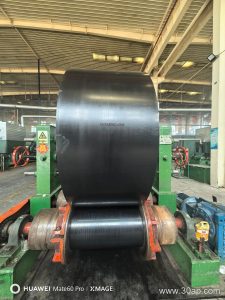
Because the belt is the most expensive wear part on the conveyor, the idler set underneath it decides how long that belt lasts. Poorly sealed rollers drag, flat-spot, and then wear the bottom cover of the conveyor belt. Well-built heavy-duty rollers protect both the belt and the structure.
How the Roller Is Built
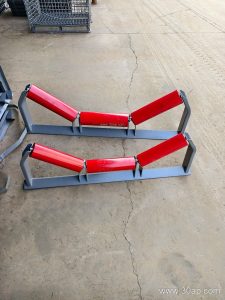
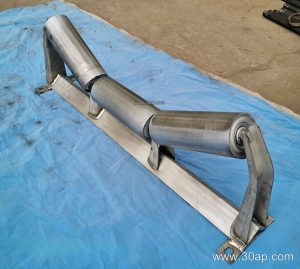
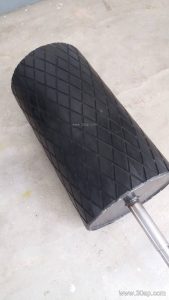
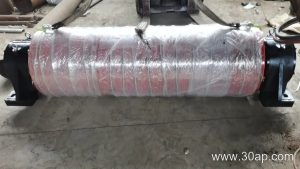
A typical heavy-duty idler roller combines a steel tube shell, welded end discs, a through shaft, and deep-groove ball bearings housed in sealed bearing caps. Roll face options include plain steel, nylon, ceramic, and rubber rings, and the choice follows the duty. Rubber-ring impact rollers are common under a crusher discharge where lumps fall from height, while ceramic or nylon faces can suit sticky or abrasive fines.
Troughing sets normally use two or three rolls; a three-roll troughing idler is the workhorse on a bulk material conveyor belt. Return runs use a single flat roll or a V-shaped return idler to help center the belt. Transition idlers sit near the head and tail pulleys, where the belt changes from flat to troughed, and self-aligning idlers correct wander on long flights.
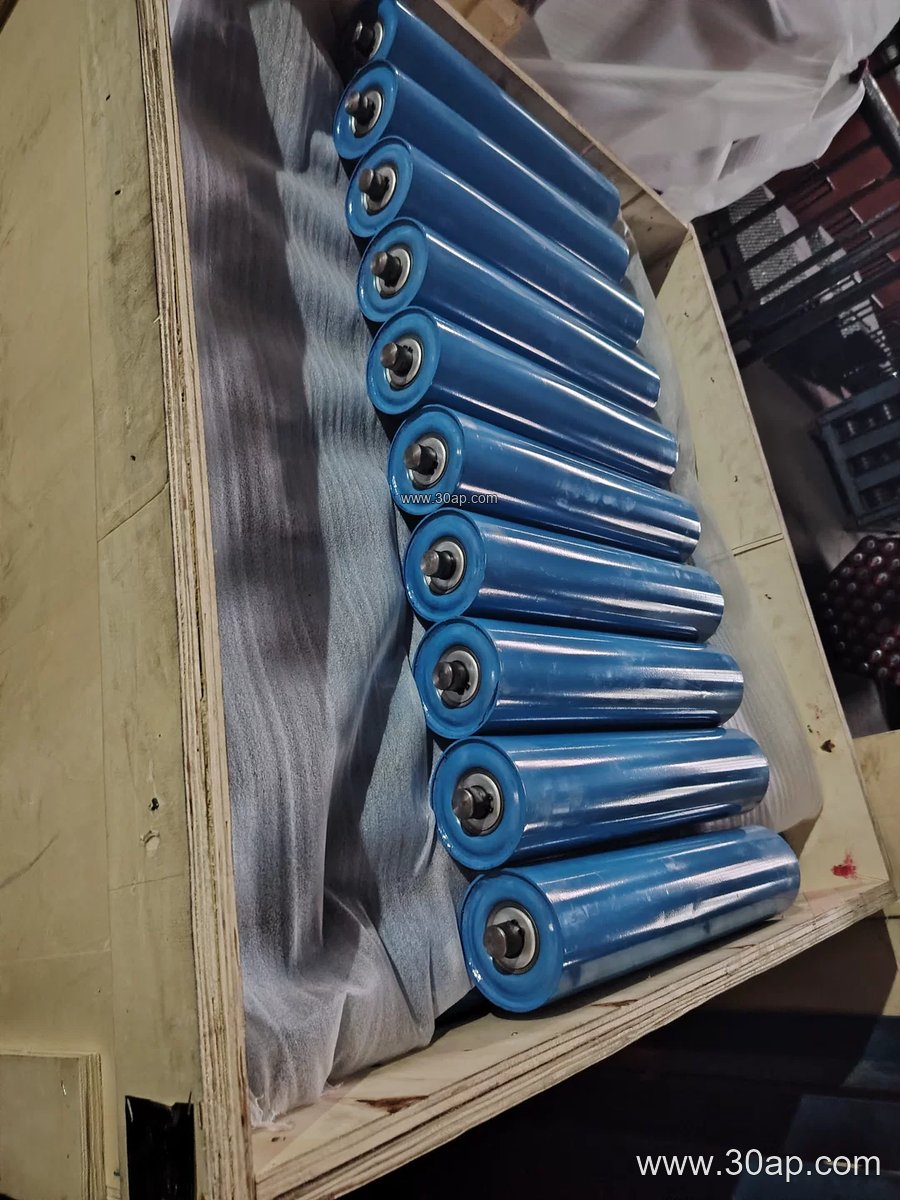
Common Reference Dimensions
The values below are typical reference points, not fixed matches. Roll length changes with belt width, trough angle, and roll arrangement, and side rolls can differ from the center roll.
| Item | Common Reference Range |
|---|---|
| Roller diameter | Ø63, Ø76, Ø89, Ø102, Ø108, Ø127, Ø133, Ø159, Ø178, Ø194, Ø219 mm |
| Belt width | B400, B500, B650, B800, B1000, B1200, B1400, B1600, B1800, B2000, B2200, B2400 |
| Trough angle | 20°, 30°, 35°, 45° |
| Bearing | 6204, 6205, 6305, 6306, 6308, 6310 |
| Roll face | Steel tube, nylon, ceramic, rubber ring |
As an example of how roll length scales, a three-roll troughing set on B800 may use rolls around 315 mm long, while B1200 often calls for roughly 465 mm. These are design examples only; the final figure comes from the conveyor designer.
Where Heavy-Duty Idlers Earn Their Place
Two settings show the value most clearly. In a limestone quarry or aggregate plant, dust and fine grit work into bearings, so sealed heavy-duty rollers on the crusher conveyor and the primary screen feed keep maintenance intervals reasonable. In a coal handling system at a power plant, flame retardant conveyor belt and anti-static conveyor belt are paired with rollers that resist coal fines and wash-down water.
The same reasoning applies on an iron ore or copper ore line, where a steel cord conveyor belt or a high strength conveyor belt carries dense, sharp material and punishes any weak roller. On long overland flights, a pipe conveyor belt or a corrugated sidewall conveyor belt may run alongside conventional troughed sections, and each section still needs idlers matched to its load and speed.
What Buyers Should Check Before Ordering
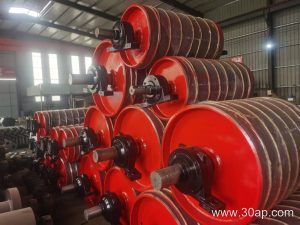
- Duty and load: Confirm the belt width, material bulk density, and lump size so the roller diameter and shaft size are adequate. Do not assume one belt width dictates one pulley diameter — the drive pulley, tail pulley, and bend pulley are selected separately from the idlers.
- Sealing and bearing: Ask about bearing protection, grease retention, and dust exclusion. A cheap seal is the most common cause of early failure in wet or dusty plants.
- Roll face: Rubber rings for impact zones, ceramic or nylon where build-up is an issue, steel elsewhere.
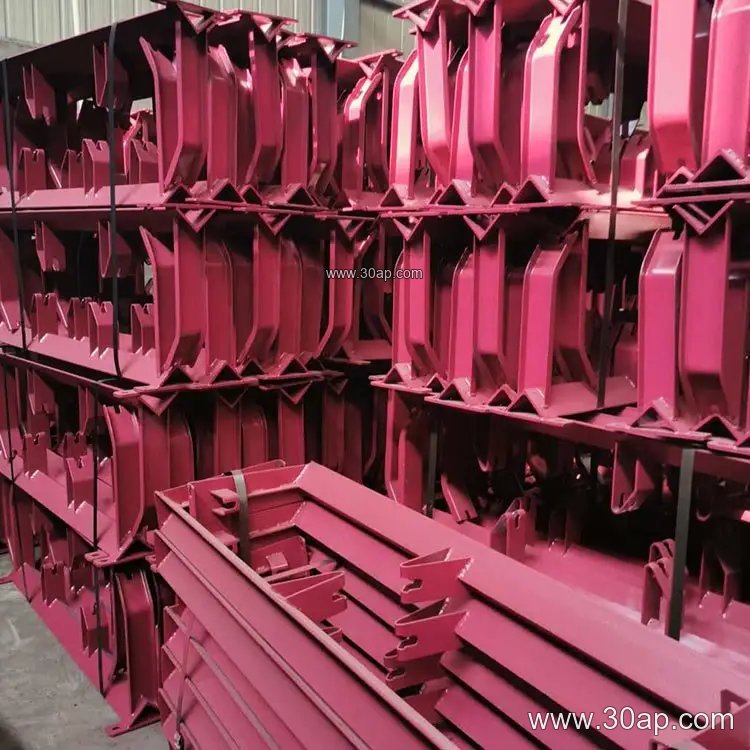
- Bracket fit: The conveyor bracket and frame spacing must match the idler shaft ends; a mismatch creates misalignment and edge wear on the belt.
- Consistency: Ordering the same heavy-duty belt conveyor idler specification across a plant simplifies spares and reduces downtime.
Maintenance is straightforward when the basics are right: check for seized rolls, listen for bearing noise, and confirm the belt still tracks centrally. Replacing a worn idler early is far cheaper than replacing the belt above it.
Matching Idlers to the Whole Conveyor
Idlers never work alone. The conveyor pulley set handles tension and drive, the belt carries the load, and the idlers support it in between. On a cement plant clinker line, a heat resistant conveyor belt may run over rollers chosen for temperature tolerance; on a port ship loading conveyor, abrasion resistant conveyor belt pairs with robust rollers that survive constant starts and stops. Buyers who treat the idler as part of a system, rather than a commodity item, usually get longer belt life and fewer unplanned stops.