What a Port Conveyor Belt Does
A port conveyor belt is the load-carrying element of a bulk handling system that links ship unloaders, stackers, reclaimers, storage yards, and train or truck loading stations. Unlike a short in-plant conveyor, a port conveyor belt often runs several hundred meters, crosses transfer towers, and carries abrasive and heavy cargo such as iron ore, coal, cement clinker, fertilizer, or sand. The belt must combine high tensile strength with stable tracking, because a single misaligned section can spill material onto the quay or halt a ship-loading schedule.
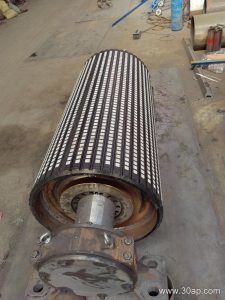
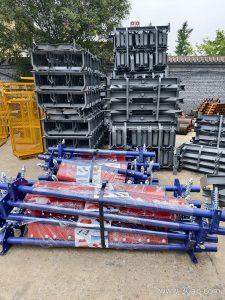
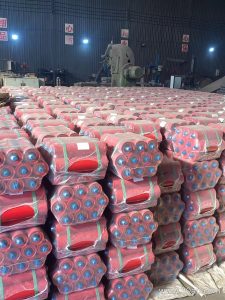
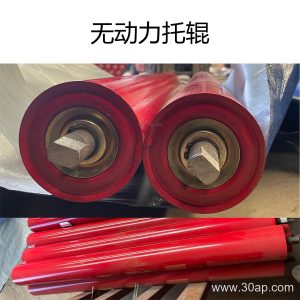
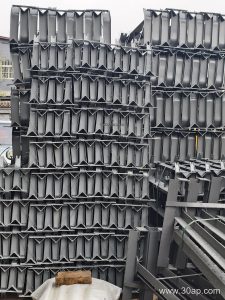
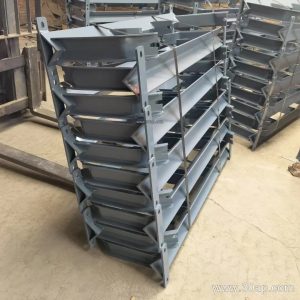
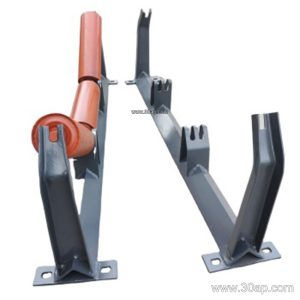
In practice, the belt works together with conveyor pulleys, idler rollers, and conveyor brackets. The drive pulley transmits torque, the tail pulley sets tension, and bend pulleys route the return strand. These components are not interchangeable, and a port conveyor belt is selected around the pulley diameters and trough geometry already fixed by the conveyor designer. Getting the belt specification right protects the whole line, from the take-up to the discharge chute.
Construction and Common Specifications
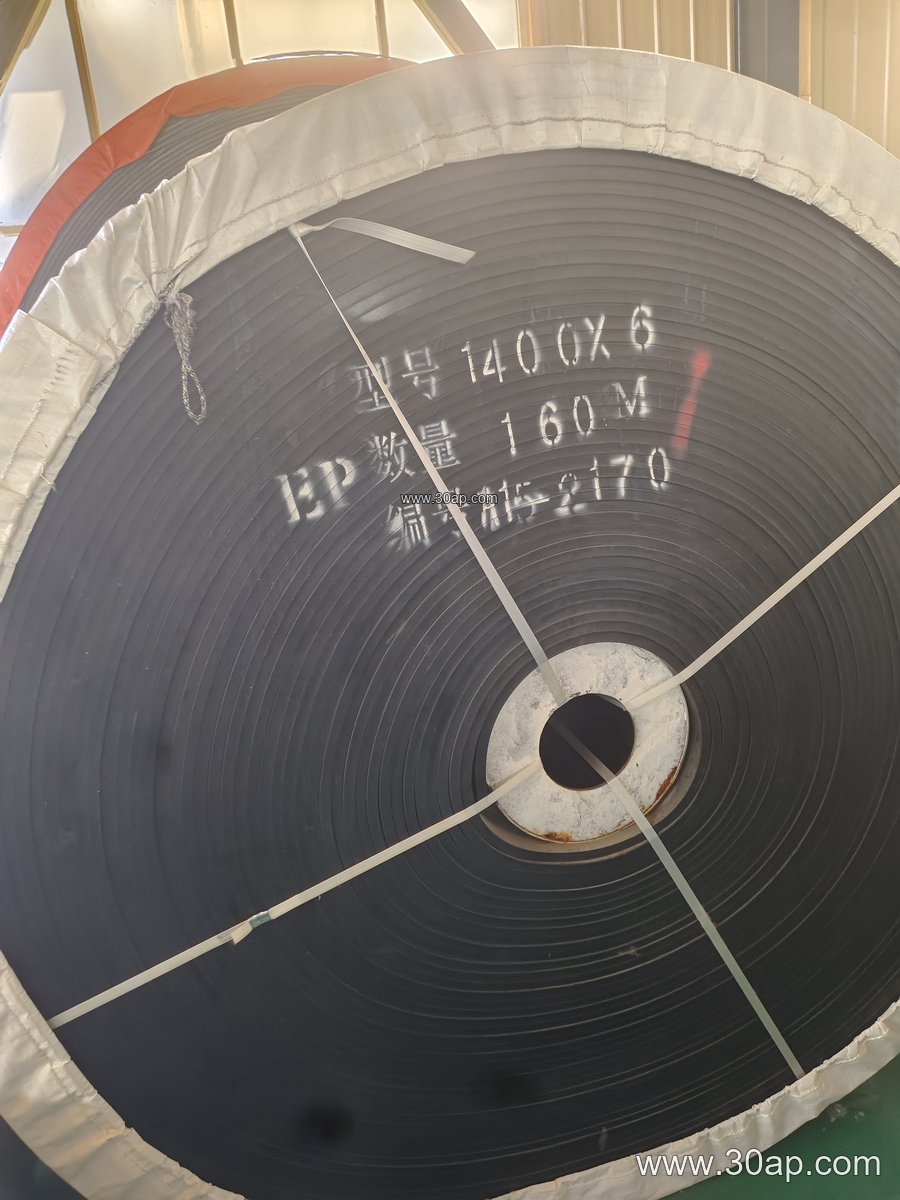
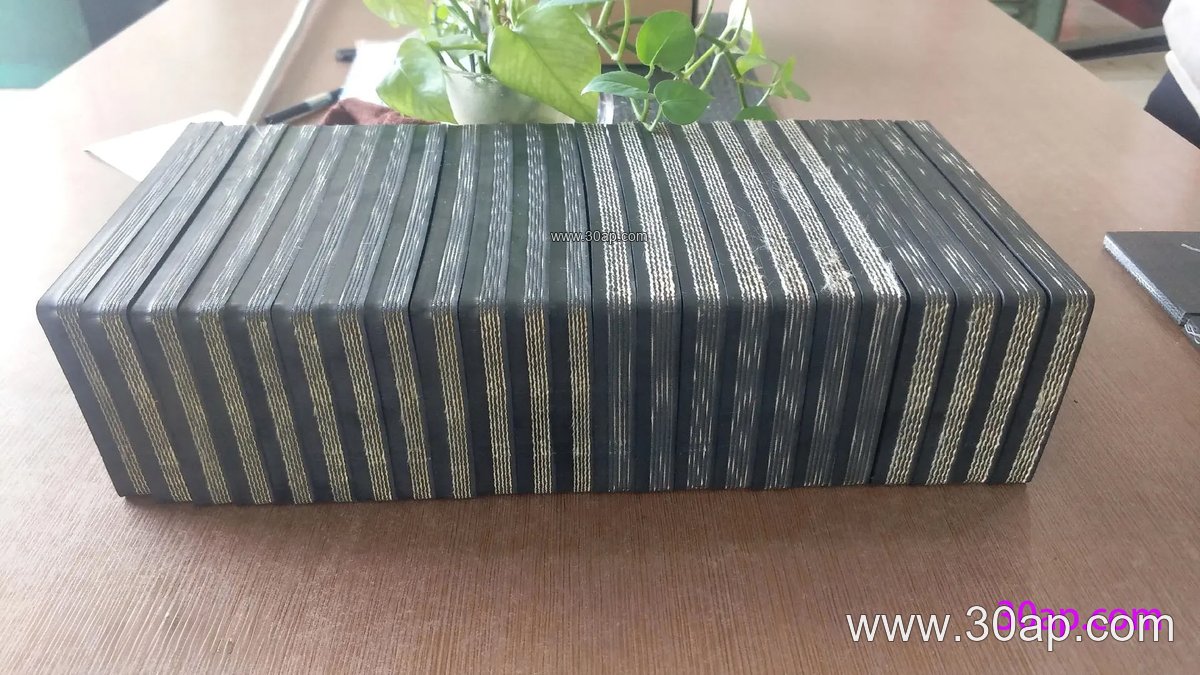
Most port installations use a fabric core or steel cord construction. An EP conveyor belt (polyester warp, nylon weft) is common for medium-strength runs, while an NN conveyor belt uses nylon in both directions for better shock absorption at loading points. For long overland or ship-loading booms, a steel cord conveyor belt provides the highest tensile rating with low elongation. A multi-ply fabric core conveyor belt is still widely chosen where impact and tear resistance matter more than ultimate strength.
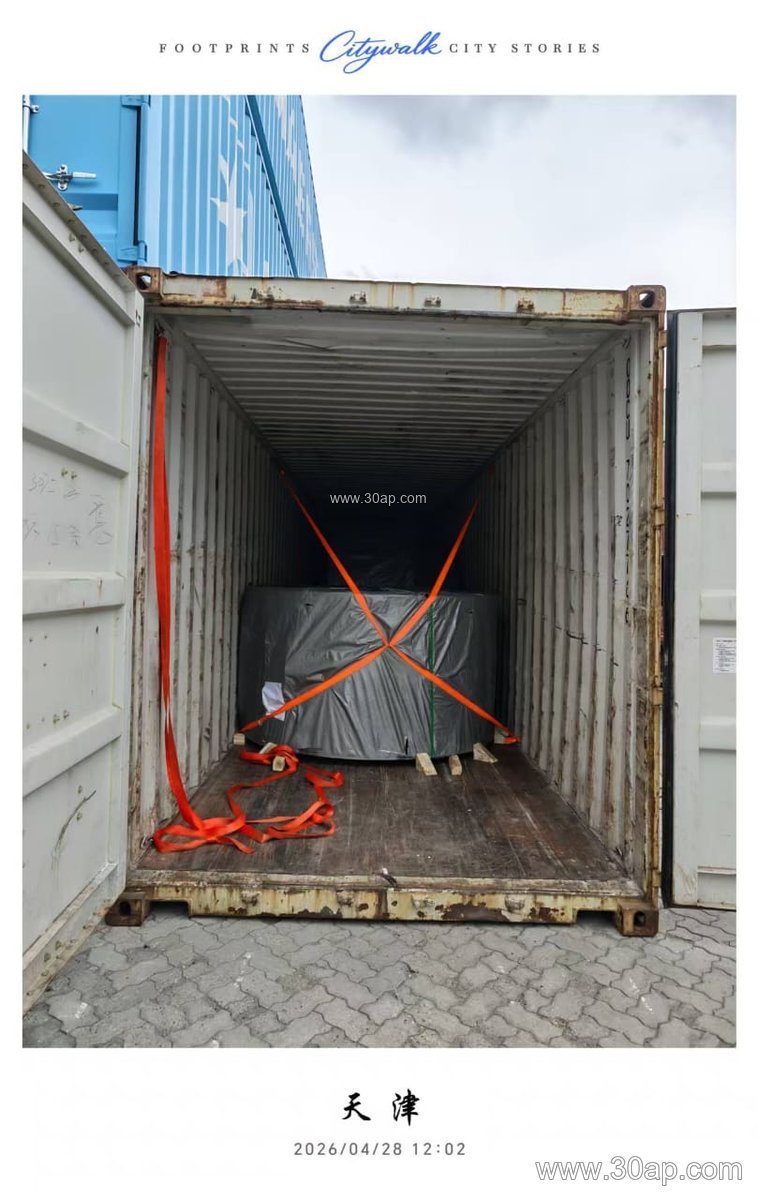
Cover compound selection depends on cargo. An abrasion resistant conveyor belt suits ore and clinker; a heat resistant conveyor belt handles sinter or cement; a flame retardant conveyor belt and anti-static conveyor belt are typically required in coal systems; and an oil resistant conveyor belt is used for certain petrochemical cargoes. Belt width usually follows the conveyor design rather than a fixed rule, and wider belts are not automatically better.
The table below shows reference ranges only. Actual values are confirmed by the conveyor designer and the belt manufacturer.
- Belt types: EP, NN, steel cord, PVC, PVG, chevron, corrugated sidewall, pipe conveyor belt
- Fabric strength grades: EP200 to EP2000, or NN100 to NN400 depending on the line
- Steel cord grades: ST1000 to ST3150 for heavy-duty mining and port duty
- Common widths: B650, B800, B1000, B1200, B1400, B1600, B1800, B2000
- Cover thickness examples: 4+2 mm, 5+2 mm, 6+2 mm, 8+3 mm
- Carcass layers: usually 2 to 6 plies in fabric constructions
Where It Fits in the Terminal
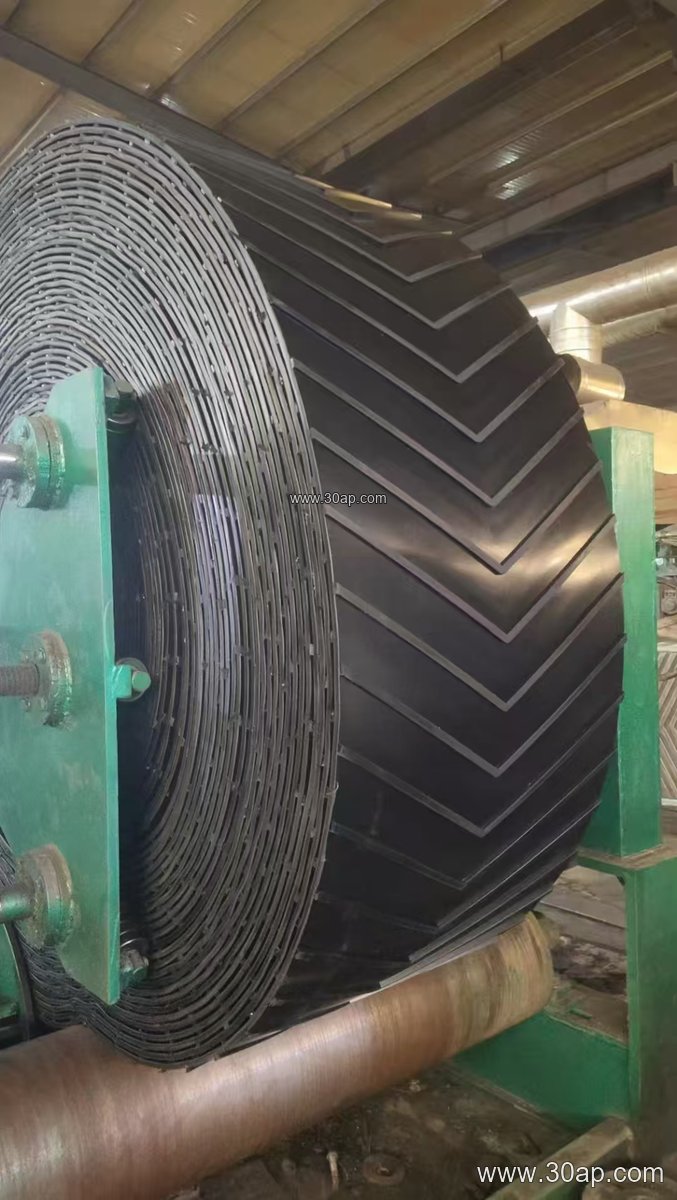
Bulk terminals, power plants, cement plants, and steel plants all rely on this equipment. A coal conveyor belt moving from a ship unloader to a stockpile must resist fine dust and self-ignition risk, so flame retardant and anti-static covers are usual. An iron ore conveyor belt on a quay line faces sharp lumps and high impact, making a heavy-duty mining conveyor belt with reinforced edges a sensible choice. In a sand and gravel yard, a quarry conveyor belt or aggregate conveyor belt with chevron profiles can handle inclined transfer towers without material rollback.
Enclosed routes deserve attention too. A pipe conveyor belt can curve around restricted terminal space and reduce dust escape, while a corrugated sidewall belt or skirted conveyor belt keeps material on the belt at steep inclines. These are alternative configurations for specific layouts, not replacements for a standard troughed port belt.
Selection Points for Buyers
Start with the duty profile: tonnage per hour, lump size, drop height, ambient temperature, and whether the cargo is wet or oily. Confirm the pulley diameters and trough angle with the conveyor supplier, since belt thickness and stiffness affect training. Ask for the splice method, because an endless conveyor belt spliced on site needs compatible cover and carcass. Check edge condition and cover grade against the actual cargo, and specify whether a cold resistant conveyor belt is needed for winter operation.
Maintenance access matters as much as the belt itself. Inspect idler rollers for seized bearings, watch for cover wear at transfer points, and keep the conveyor brackets and pulleys aligned. A well-matched port conveyor belt, supported by sound conveyor pulleys and idler rollers, gives predictable service life and fewer unplanned shutdowns.