What a Four-Roll Idler Bracket Does
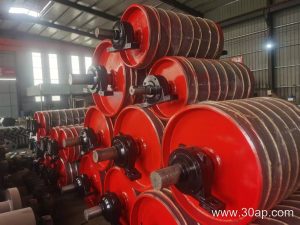
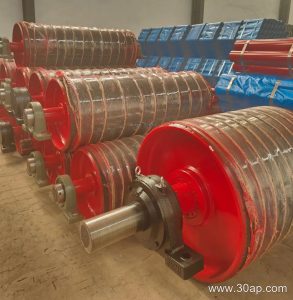
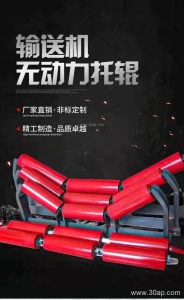
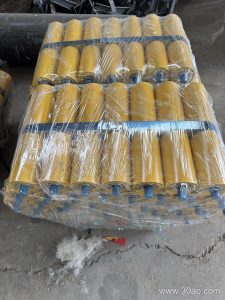
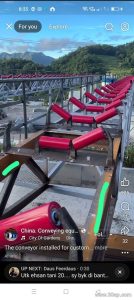
A four-roll idler bracket is a support frame that carries four idler rollers under the carrying side of a conveyor belt. Instead of the familiar three-roll trough set, it spreads the belt load across four rolls, which gives the belt a wider, gentler trough profile. In a quarry, a limestone mine, or a cement plant transfer tower, this arrangement helps keep bulk material centered on the belt and reduces the chance of spillage at high-capacity loading points. The bracket is often called a four-roll idler support frame or a four-roll troughing bracket, and it works together with the conveyor belt, the idler roller set, and the conveyor pulley that drives or redirects the line.
How the Bracket Is Built
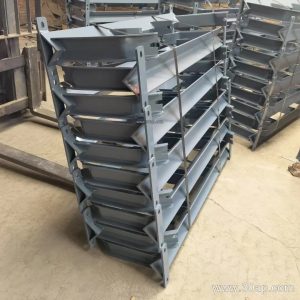
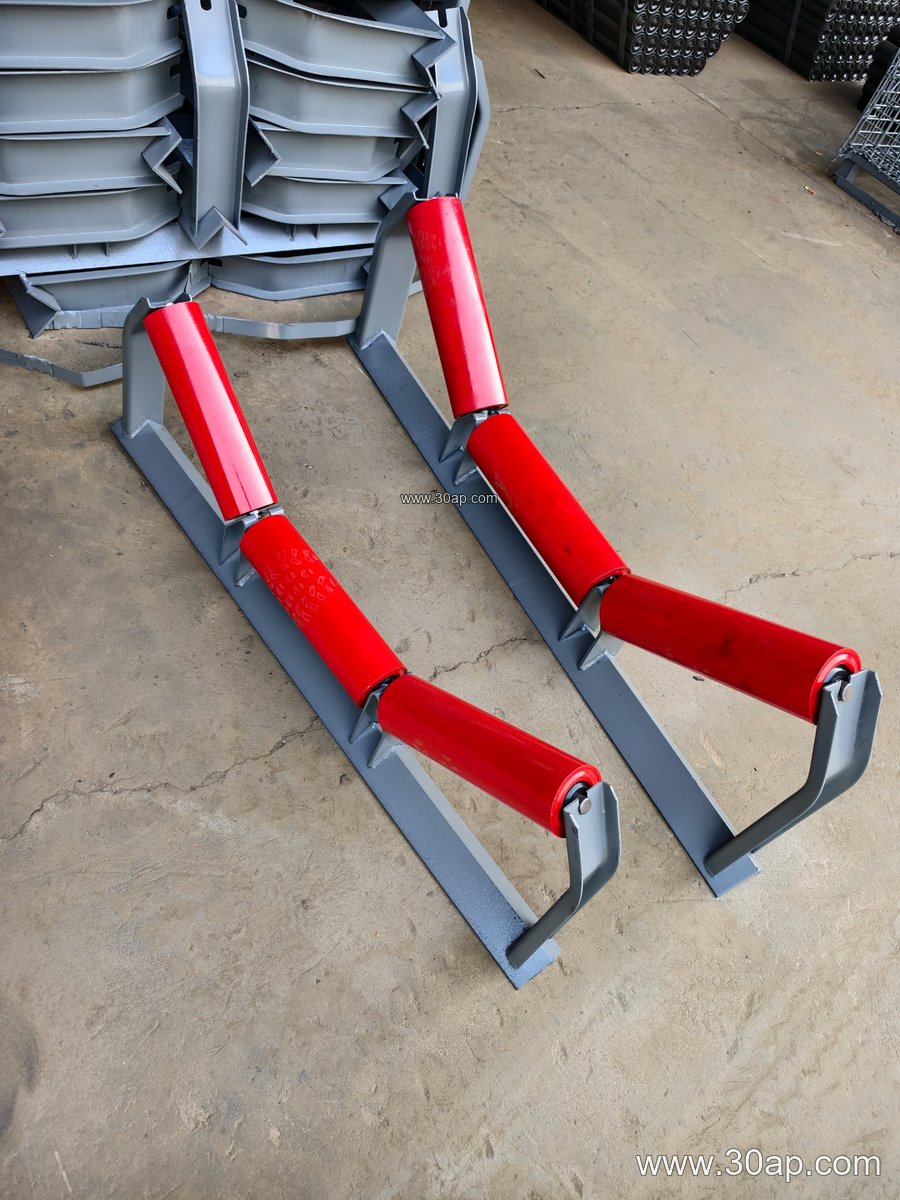
Most four-roll idler brackets are fabricated from angle steel, channel steel, or folded steel plate. The frame usually includes a crossbeam, two side wings, and mounting pads or slots for the idler shafts. The two outer rolls sit at a steeper angle than the two inner rolls, forming a shallow V or a stepped trough. Welded or bolted construction is common; bolted frames are easier to replace in the field, while welded frames are stiffer under heavy loads.
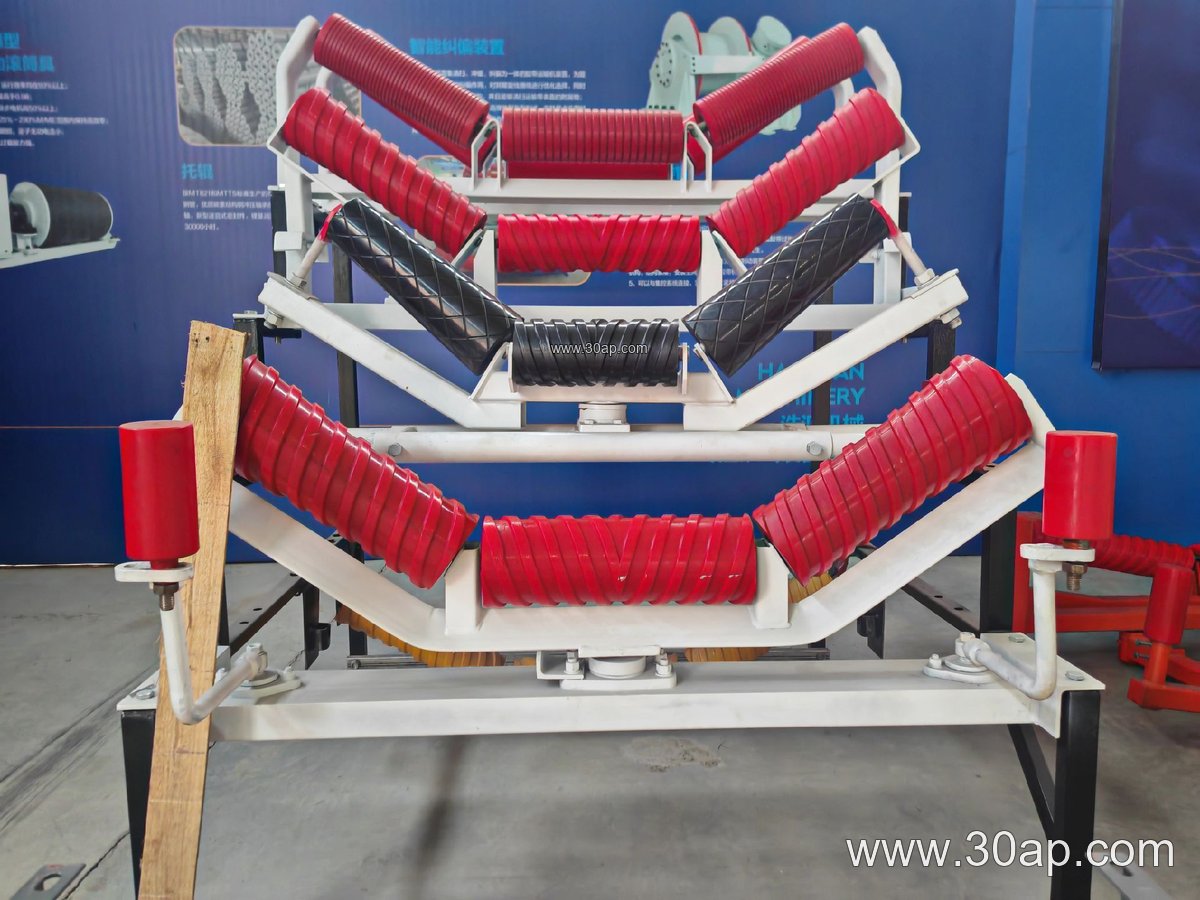
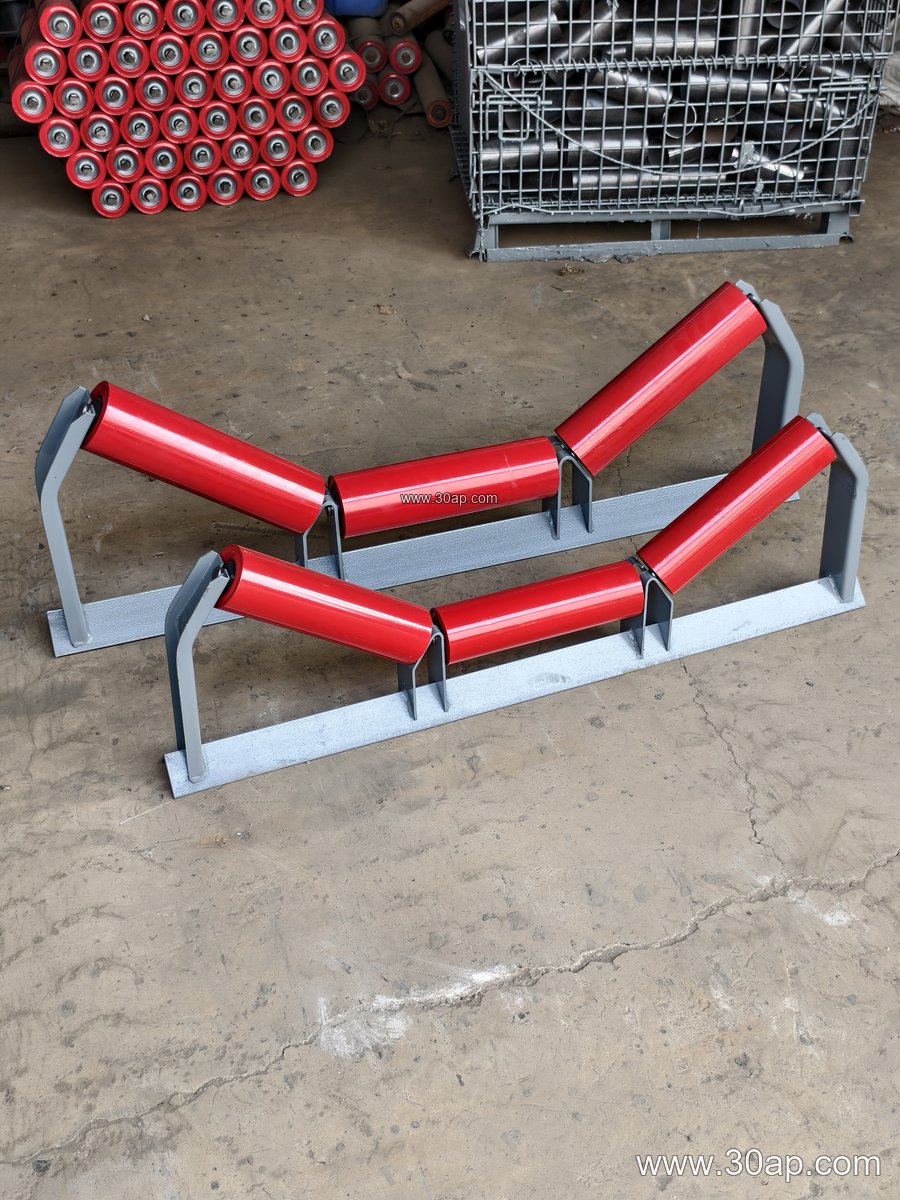
The bracket is normally fixed to the conveyor stringer or to a base frame with bolts through slotted holes. Slotted holes allow small adjustments during installation so the rolls line up with the belt centerline. In dusty conditions, such as a coal handling system or a sand and gravel line, the bracket should have clear drainage and no pockets where fines can pack.
Where Four-Roll Supports Fit Best
Four-roll brackets are often used where belt widths are large and material loads are heavy. Typical sites include iron ore terminals, power plant coal yards, crushing and screening plants, and fertilizer or grain silo conveyors. On a wide belt carrying a heavy abrasive burden, four rolls share the load and can reduce the pressure on any single roll. This is relevant when the belt is an abrasion resistant conveyor belt, a heavy-duty mining conveyor belt, or a steel cord conveyor belt carrying ore over long distances.
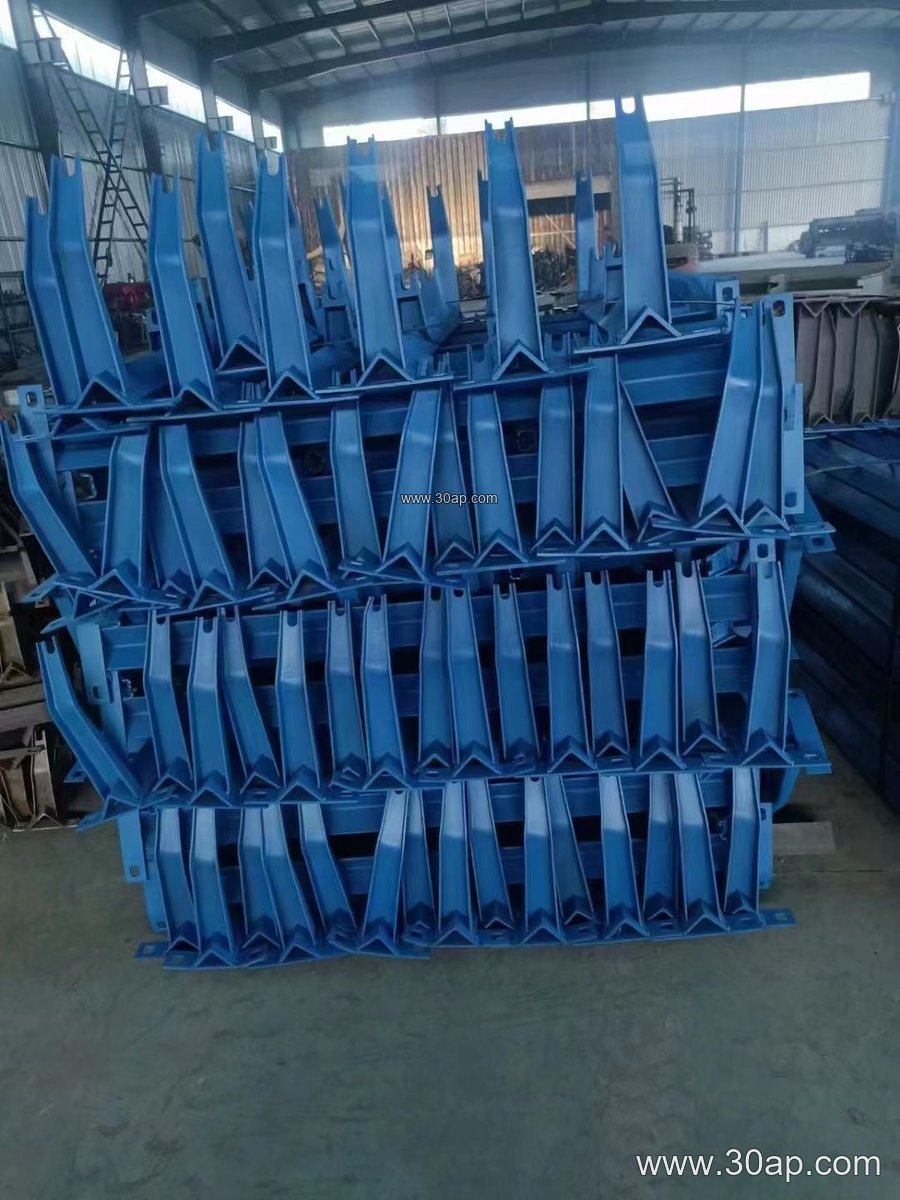
They are also useful at transition zones between the tail pulley and the first troughing station, where the belt must change from flat to troughed without pinching the edges. In such places, a four-roll bracket can provide a more gradual curve than a steep three-roll set.
Matching Bracket, Belt, and Roll
Selection starts with belt width, trough angle, and roll diameter. The table below shows common reference combinations; actual mounting hole spacing and crossbeam length are determined by the conveyor design, not by a single fixed rule.
| Belt Width | Typical Trough Angle | Common Roll Diameter | Typical Use |
|---|---|---|---|
| B650 | 30 degrees | Ø89 mm | Small aggregate or sand line |
| B800 | 35 degrees | Ø108 mm | Quarry and cement plant feed |
| B1000 | 35 degrees | Ø108 mm or Ø133 mm | Coal yard and power plant |
| B1200 | 45 degrees | Ø133 mm | Iron ore and heavy bulk handling |
| B1400 | 35 to 45 degrees | Ø159 mm | Port and large crushing station |
| B1600 | 35 to 45 degrees | Ø159 mm or Ø194 mm | High-capacity mining duty |
A wider belt does not automatically mean a single trough angle or roll size. The angle should suit the material’s repose angle and the belt’s flexibility. A 45-degree trough holds a deep load but can stress belt edges; a 35-degree trough is a common compromise. Adjustable brackets let maintenance teams change the trough angle within a range, which is helpful when a line handles both fine and lumpy material.
Buyer Checklist
- Confirm the belt width and the required trough angle before ordering.
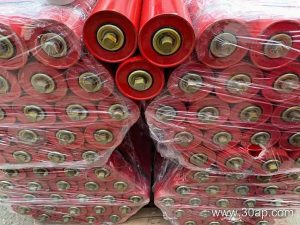
- Check the roll diameter and shaft end shape so the bracket fits the existing idler roller.
- Ask for the mounting hole layout and crossbeam length, since these vary with width and angle.
- Match the frame material and finish to the site: dusty coal, wet aggregate, or corrosive fertilizer duty.
- Consider an adjustable version if the conveyor handles mixed materials or may be upgraded later.
- Review clearance around the conveyor pulley and the tail pulley to avoid interference during belt tracking.
For a full conveyor line, the four-roll idler bracket is only one part of the support system. It should be specified together with the conveyor belt, the troughing rolls, and the conveyor bracket set that anchors the frame. Buyers working with an EP conveyor belt, an NN conveyor belt, or a flame retardant conveyor belt should confirm that the bracket height and roll spacing suit the belt’s stiffness and the load profile. A well-matched four-roll support keeps the belt seated, extends roll life, and helps the whole conveyor run smoothly in demanding bulk handling environments.