Which Idler Roller Material Fits a Cement Plant Budget?
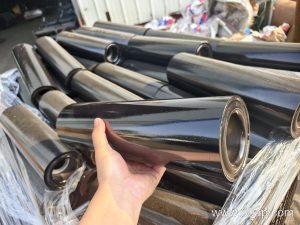
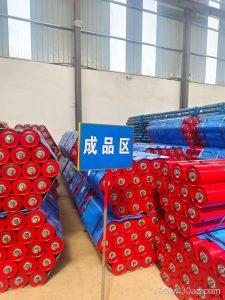
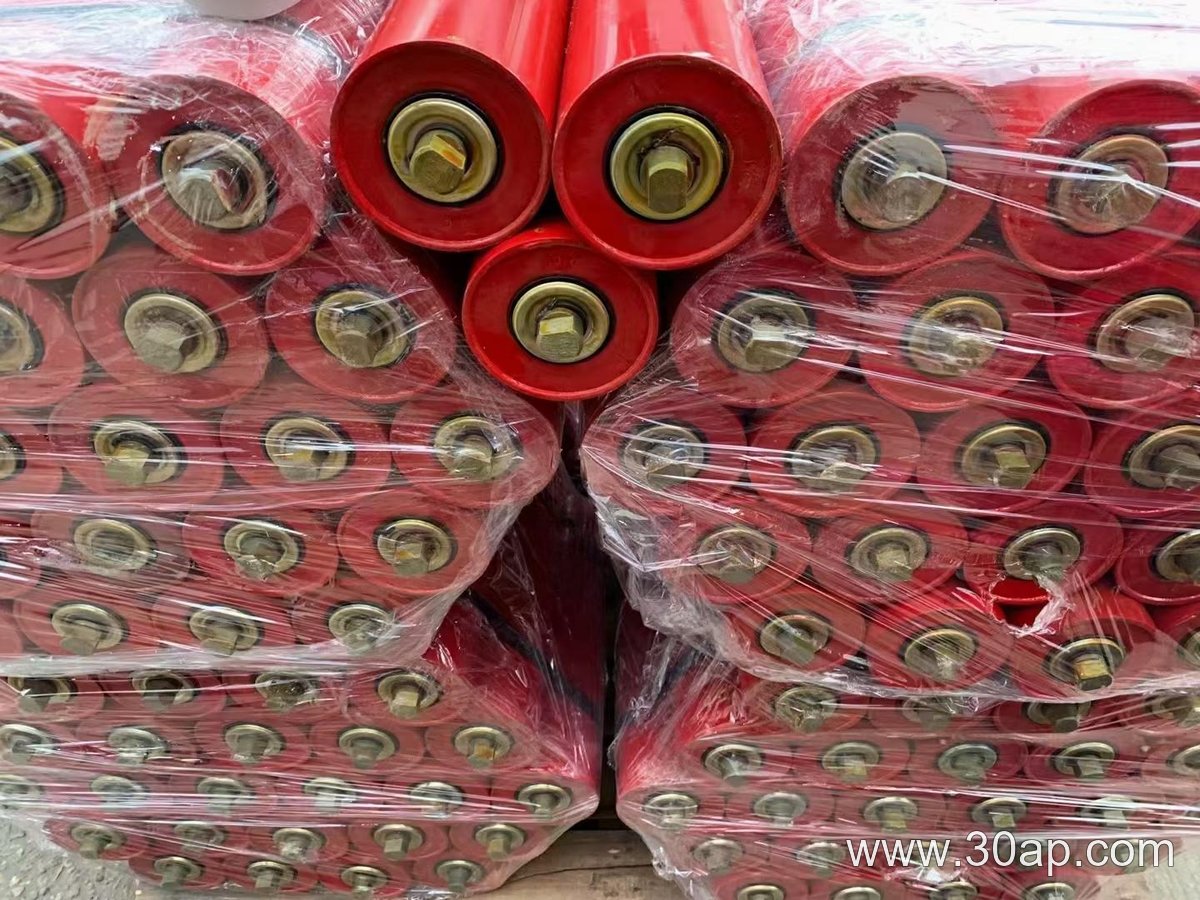
A cement plant can use either a steel idler roller or a polymer idler roller. Steel usually costs less up front and tolerates heat; polymer resists clinker dust sticking but costs more. Check your belt speed, load, and dust chemistry before deciding.
Two Suitable Materials and Their Trade-offs
Steel idler roller: lower purchase cost, higher weight, good for hot clinker zones. Polymer idler roller: higher purchase cost, lighter, sheds sticky fines, but may soften in extreme heat. Match the material to the actual duty, not the lowest quote alone.
- Choose steel where budget and heat resistance dominate.
- Choose polymer where dust buildup and belt wear dominate.
Which conveyor pulley suits a cement plant: drum or wing?
The answer depends on whether the priority is belt grip or self-cleaning in abrasive dust. A drum conveyor pulley offers full-surface contact; a wing conveyor pulley uses spaced bars to shed debris.
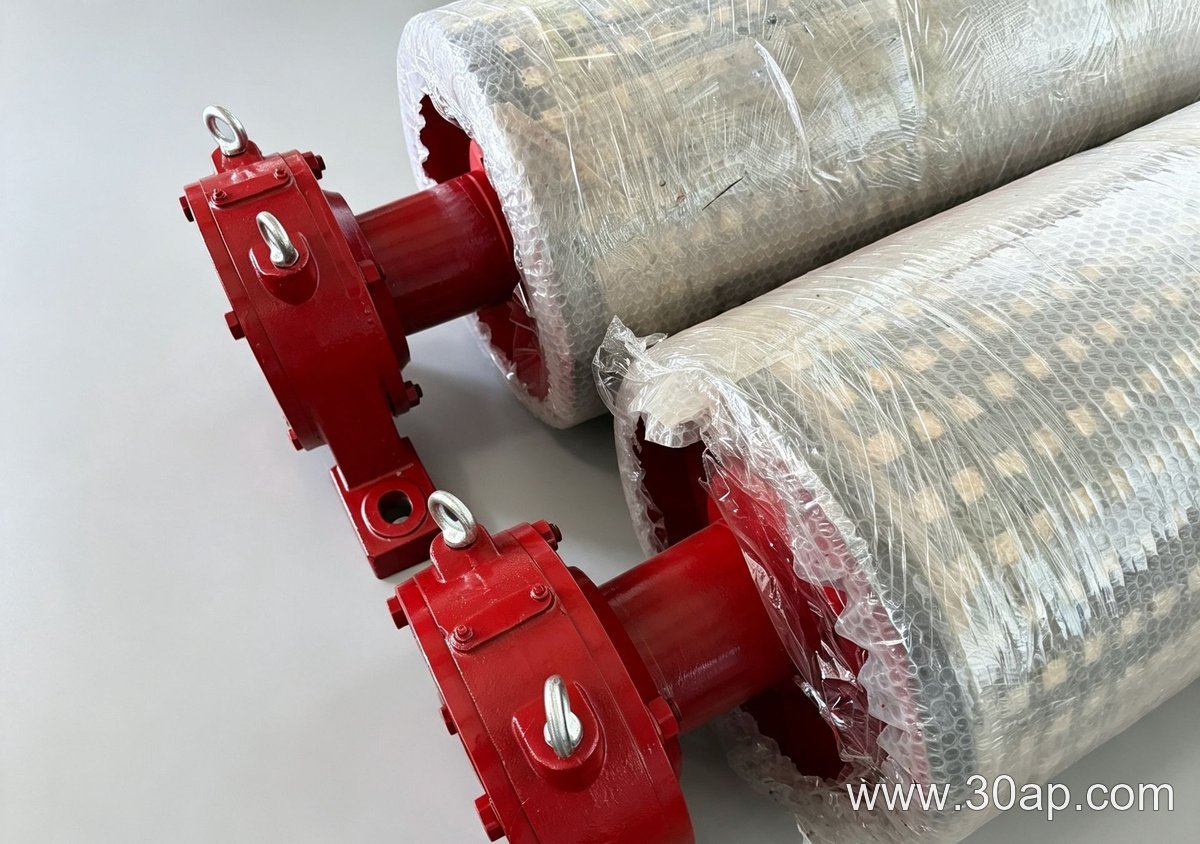
Drum conveyor pulley
- Benefits: even belt support and higher traction when lagged.
- Limitations: buildup can pack between belt and shell in wet, sticky service.
- Suitable conditions: dry clinker or finished cement where slip must be minimized.
Wing conveyor pulley
- Benefits: material falls through the gaps, reducing wrap buildup.
- Limitations: less contact area and lower grip; not ideal for high-torque drives.
- Suitable conditions: dusty, sticky transfer points where cleaning access is limited.
As a hypothetical example, a cement plant moving damp limestone might favor a wing conveyor pulley, while a dry additive line could use a lagged drum conveyor pulley.
How Conveyor Bracket Fabrication Shapes Wet-Outdoor Performance
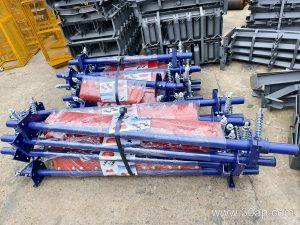
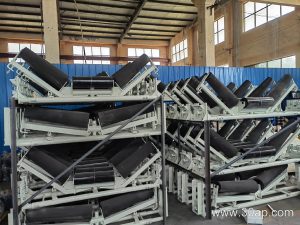
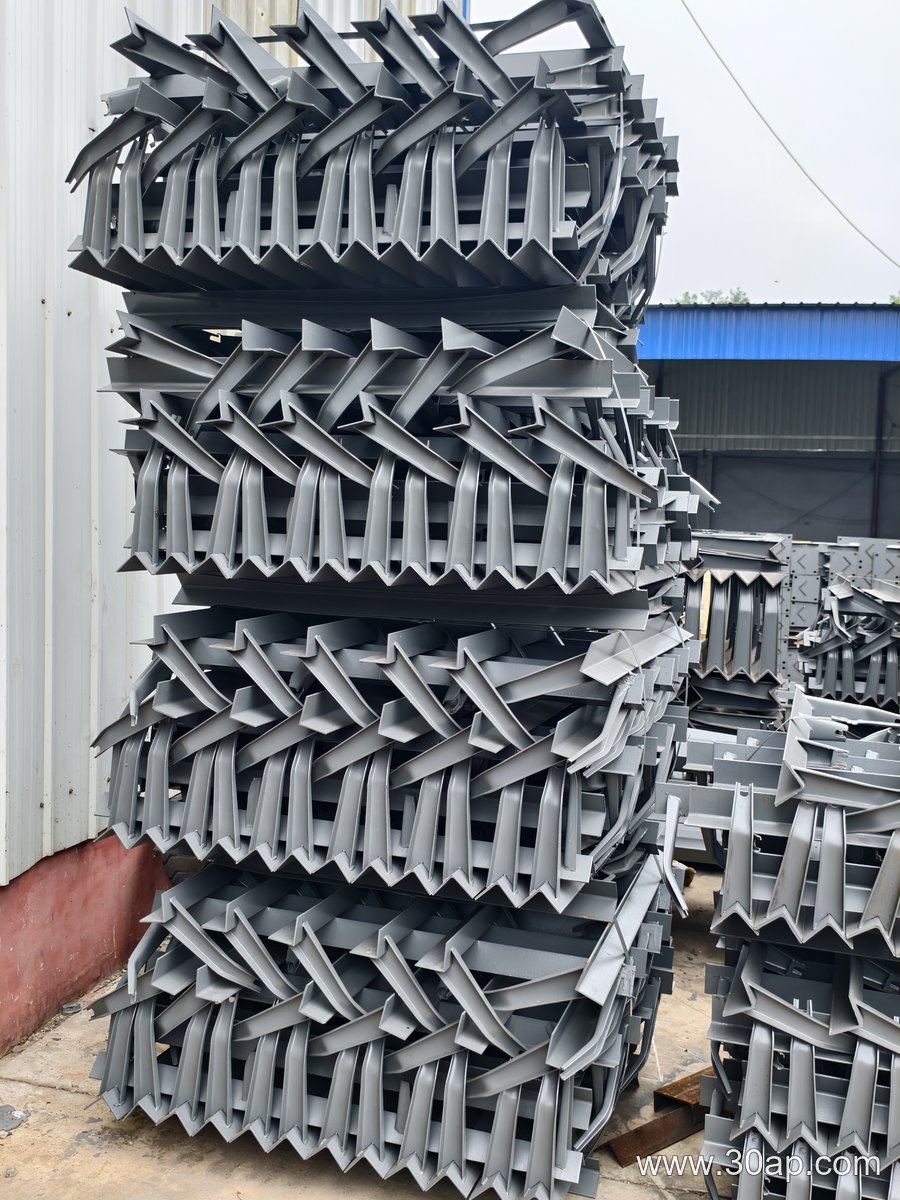
A conveyor bracket on a wet outdoor line must shed water, hold alignment, and resist galvanic attack. The manufacturing process decides much of that before the bracket ever reaches the site.
Cutting, Forming, and Hole Placement
Laser or plasma cutting leaves a heat-affected edge; if it is not dressed, that edge becomes a corrosion initiation site. Forming sets the bracket’s angles, and hole placement controls how the idler or stringer sits. A misaligned hole pattern forces installers to elongate holes in the field, which exposes bare steel.
Welding and Finish
Welds should be continuous where water can pool. Skip welds create crevices that trap moisture. After welding, a galvanized or painted finish only performs as well as the surface preparation beneath it.
- Deburr cut edges before forming.
- Use continuous welds at drainage-critical joints.
- Verify hole pattern against the frame before finishing.
Hypothetically, a bracket with dressed edges and full welds may outlast a skip-welded equivalent in the same wet outdoor service, though project-specific testing is required.
What Drives Conveyor Belt Cost in a Dusty Quarry?
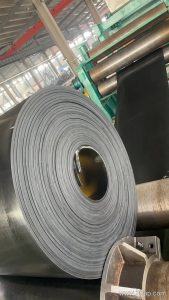
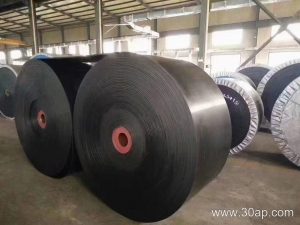
Buyers often ask why two conveyor belts of the same width carry very different quotations. The answer lies in four cost factors: cover compound and carcass material, belt dimensions, manufacturing complexity, and freight.
Material and Construction
Abrasion-resistant covers and heavier fabric or steel-cord carcasses raise cost. In a dusty quarry, grit and impact may justify those choices, but they are not free.
Dimensions and Manufacturing
Width, length, ply count and splice preparation add material and labor. Tight tolerances, custom edge profiles and low-volume runs increase unit cost.
Freight
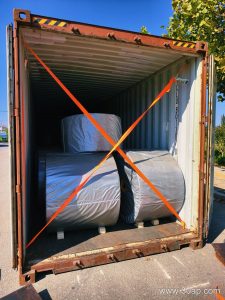
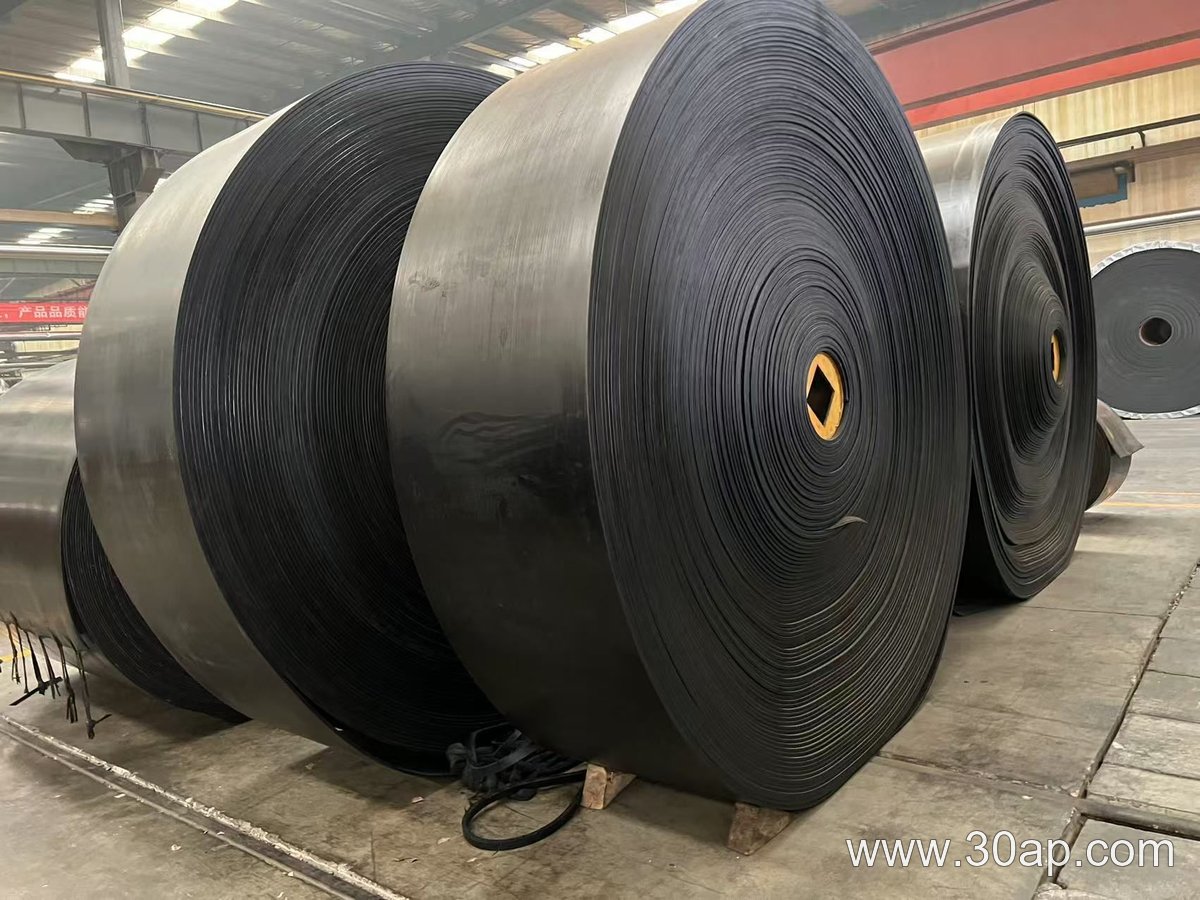
Belt weight and coil diameter drive shipping charges. Longer belts need special packaging and handling, which affects delivered cost.
Compare total delivered cost, not just the belt price.