What the Conveyor Carrying Bracket Does
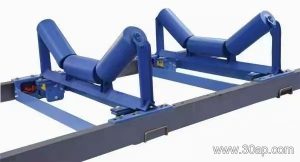
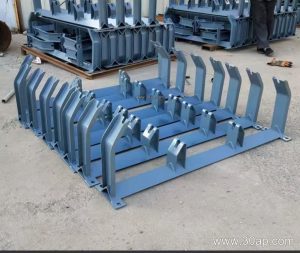
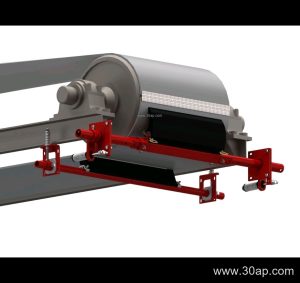
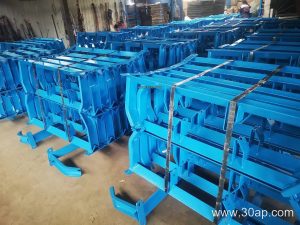
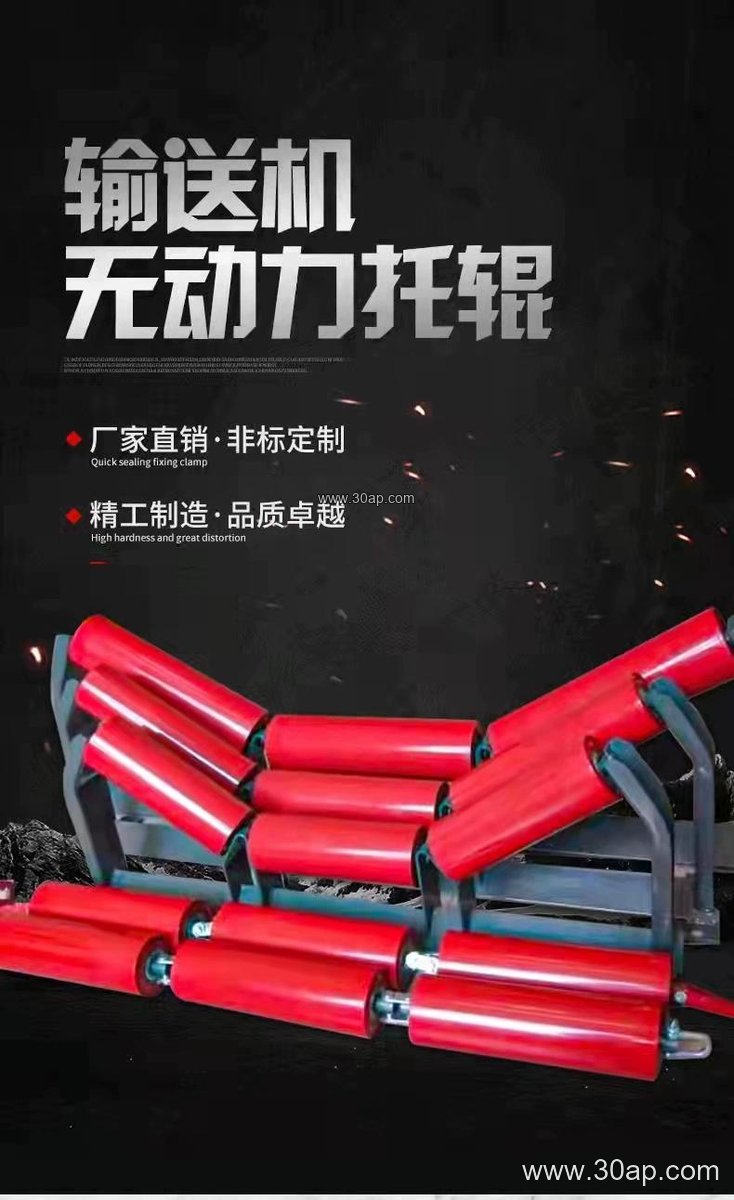
The conveyor carrying bracket is the structural element that holds the carrying idlers in place along the loaded run of a belt conveyor. It sets the trough angle, keeps the idler shafts at the correct spacing, and transfers the weight of the belt and material into the conveyor frame. In a quarry, cement plant, or power plant coal yard, these brackets are repeated every few meters, so their alignment and rigidity directly affect belt tracking and idler life. The same component is often called a carrying idler bracket or troughing bracket, and it should not be confused with return brackets or impact brackets, which serve different positions on the conveyor.
Construction and Mounting Details
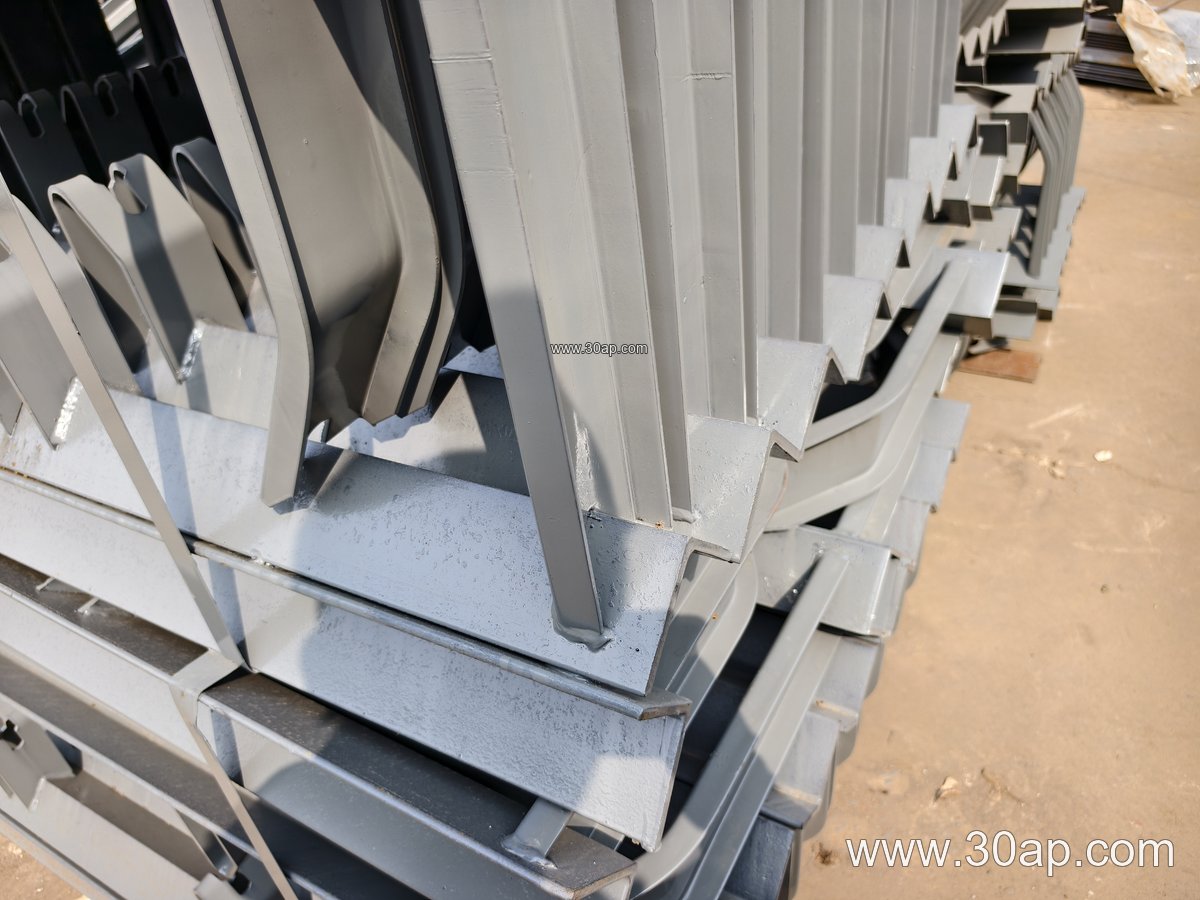
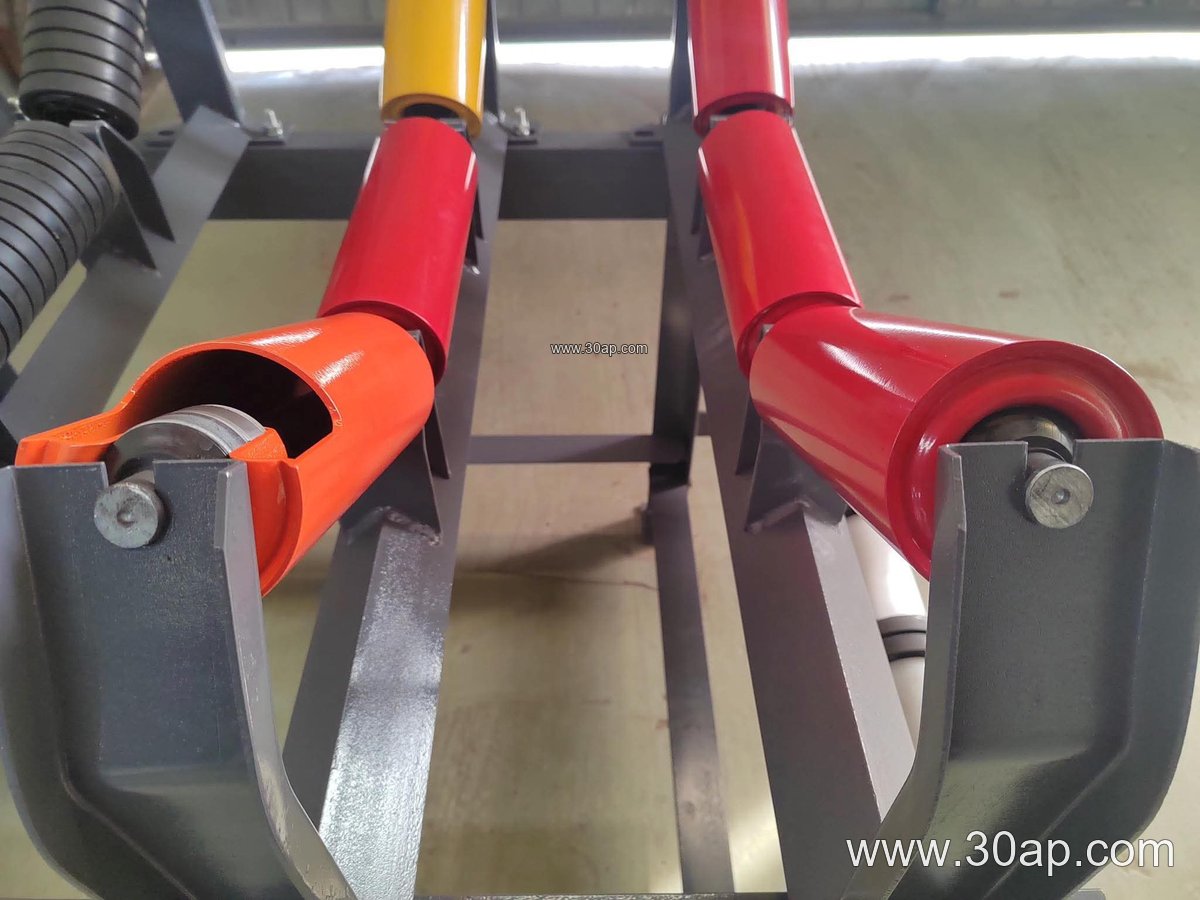
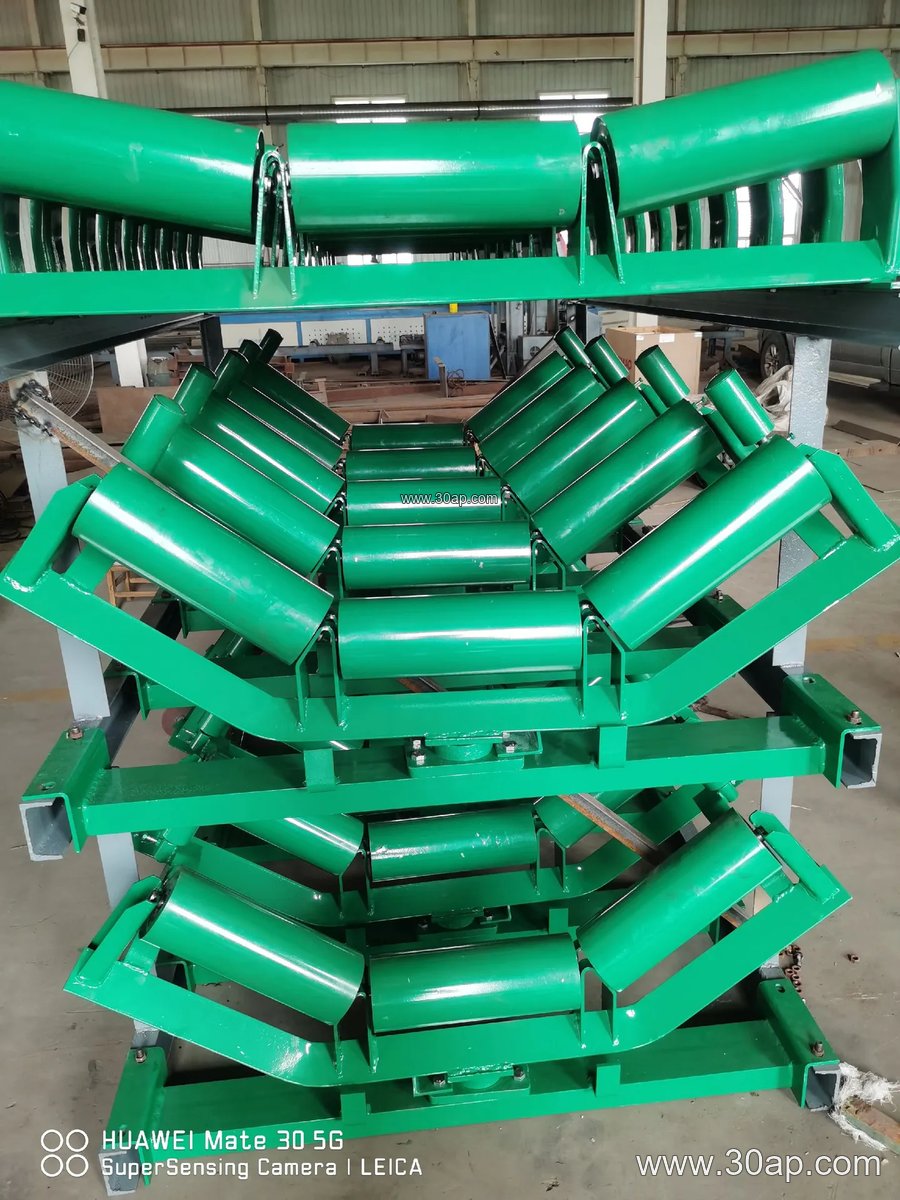
Most carrying brackets are fabricated from angle steel, channel steel, or folded steel plate. The material thickness and hole pattern are matched to the belt width and the idler diameter. A typical bracket has two or three idler seats, with the outer seats angled to form the trough. Fixed brackets are welded or bolted to the frame at a set trough angle, while adjustable brackets allow the angle to be changed on site. Mounting hole spacing and crossbeam length are not universal; they are determined by the conveyor design, belt width, and pulley layout, not by a single standard number.
Common Configurations and Reference Data
The table below lists reference combinations that appear in conveyor design. These are common examples, not fixed supply rules. A given belt width can work with more than one trough angle and idler diameter.
| Belt Width | Trough Angle | Idler Diameter | Typical Bracket Type |
|---|---|---|---|
| B500 | 20° or 30° | Ø89 | Fixed or adjustable |
| B650 | 30° | Ø89 or Ø108 | Fixed or adjustable |
| B800 | 30° or 35° | Ø108 | Fixed or adjustable |
| B1000 | 35° | Ø108 or Ø133 | Fixed or adjustable |
| B1200 | 35° or 45° | Ø133 | Fixed or adjustable |
| B1400 | 35° or 45° | Ø133 or Ø159 | Fixed or adjustable |
| B1600 | 35° or 45° | Ø159 | Fixed or adjustable |
| B1800 | 35° or 45° | Ø159 or Ø194 | Fixed or adjustable |
| B2000 | 35° or 45° | Ø194 | Fixed or adjustable |
| B2200 | 35° or 45° | Ø194 | Fixed or adjustable |
Angle steel and channel steel brackets are common in general bulk handling, while folded plate designs are used where a lighter or more compact frame is needed. Forward-tilt brackets, usually around 1.5° to 2°, are a separate subtype used for belt training and are not a replacement for the standard carrying bracket described here.
Where Carrying Brackets Are Used
These brackets are found wherever a conveyor belt carries bulk material. In a limestone quarry or sand and gravel line, they support the belt after the crusher and before the screen. In a cement plant, they appear on clinker and raw material conveyors. In a power plant coal yard, they hold the idlers under a flame retardant conveyor belt or a heat resistant conveyor belt, depending on the material temperature. The bracket works together with the idler roller, the conveyor pulley, and the belt itself; a misaligned bracket can cause edge wear even when the belt and idlers are in good condition.
Selection Tips for Buyers
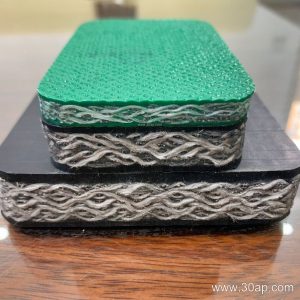
Start with the belt width and the idler diameter, then confirm the trough angle required by the material profile and capacity. Check the mounting hole spacing against the existing frame before ordering, because a bracket that fits one conveyor frame may not fit another. Ask for the material and plate thickness, especially in abrasive service such as iron ore or copper ore, where a heavier bracket reduces deformation. Adjustable brackets are useful during commissioning when the trough angle needs fine-tuning, but fixed brackets are simpler to maintain once the angle is settled. For a conveyor carrying a steel cord conveyor belt or a thick heavy-duty belt, the bracket must be stiff enough to keep the idlers in line under load. Keep a few spare brackets on site, since replacing a bent bracket is faster than straightening one.
Maintenance Notes
Inspect carrying brackets for loose bolts, bent crossbeams, and worn idler seats. A bracket that has shifted will show up as belt misalignment or uneven idler wear. When replacing idlers, check that the new idler diameter matches the bracket seat height, because a different diameter changes the belt line. In dusty locations such as a coal mining conveyor or a stone crushing plant, clean the bracket area so material buildup does not push the belt off center. Regular checks keep the conveyor carrying bracket, the idlers, and the belt working as one system.