What a Double-Row Return Idler Does
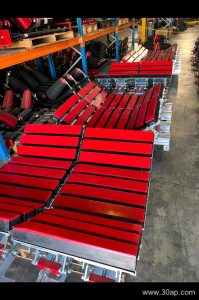
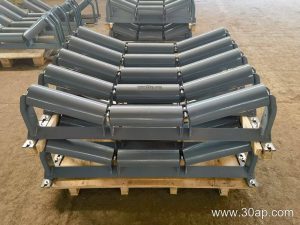
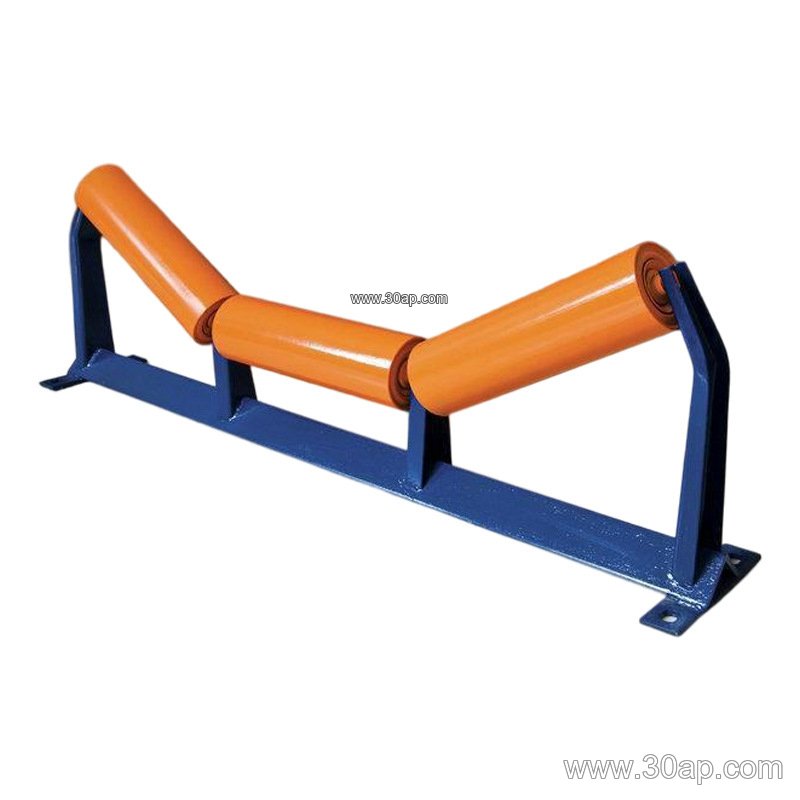
A double-row return idler is a carrying component on the lower, returning strand of a belt conveyor. Instead of one straight roller shell across the frame, this return idler roller uses two rows of rollers mounted side by side or in a shallow V arrangement. The belt rests on both rows as it travels back to the tail pulley, so the load is shared and the belt is guided more steadily than it would be on a single flat roller. In a quarry, a cement plant or a power plant coal yard, this arrangement helps keep the return belt centred and reduces the chance of edge damage.
It is a subtype of the return idler family, and it is not a substitute for a troughing idler, a transition idler or an impact idler. Those carry the loaded strand. The double-row return idler works only on the empty side, and its job is support, alignment and belt protection.
How the Roller Set Is Built
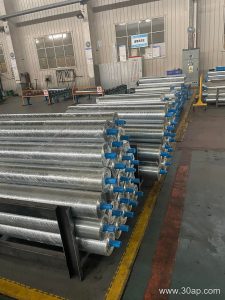
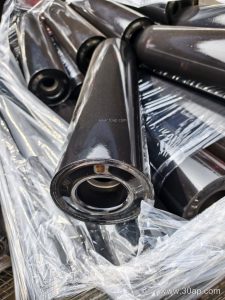
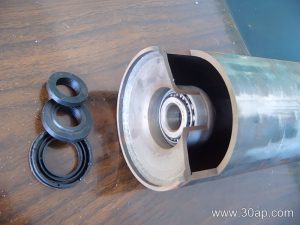
The frame usually carries two roller shells on a common shaft or on separate stub shafts, depending on the design. Typical shells are steel tube, and buyers can request nylon, ceramic or rubber ring surfaces where abrasion or material build-up is a concern. Bearings are commonly 6204, 6205, 6305, 6306, 6308 or 6310, and the bearing size should be matched to the roller diameter and load, not chosen from belt width alone.
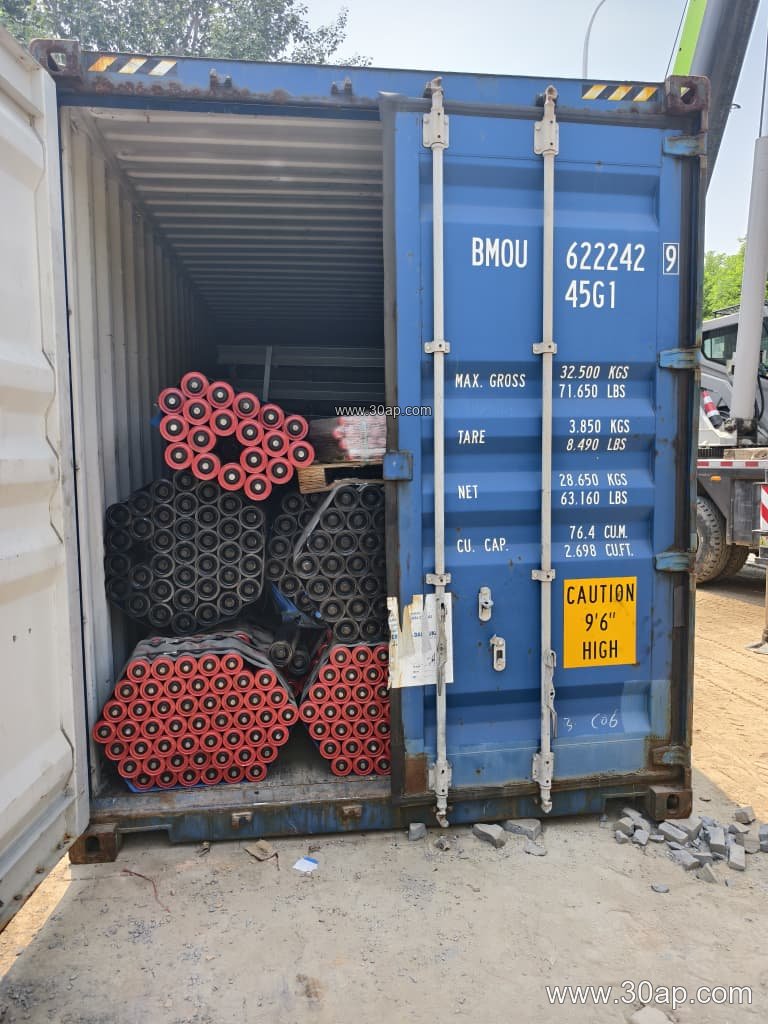
Seals matter as much as the shell. Dust, fine grit and wash-down water are the usual causes of premature bearing failure, so labyrinth seals and grease retention features are worth checking. The idler roller should turn freely by hand and run without noticeable wobble.
Where It Fits in the Conveyor Line
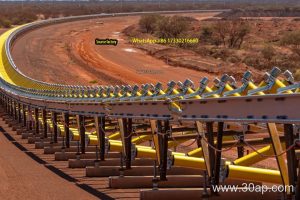
The double-row return idler is normally installed between the head pulley and the tail pulley on the return run, spaced at intervals set by the belt sag and load. It works together with the conveyor bracket and the conveyor pulley that define the belt path. On a long overland conveyor, on a ship loading line or in a sand and aggregate plant, the return side can be the place where misalignment first shows up, and the two-row layout gives the belt a broader, more stable contact than a single flat roller.
It is also useful where the belt is wide, where the return strand is exposed to wind, or where a slight crown in the belt needs support from both sides of the centre line. For a pipe conveyor belt or a corrugated sidewall belt, the return idler must be selected around the belt profile and the frame, not simply copied from a flat belt line.
Common Sizes and Reference Data
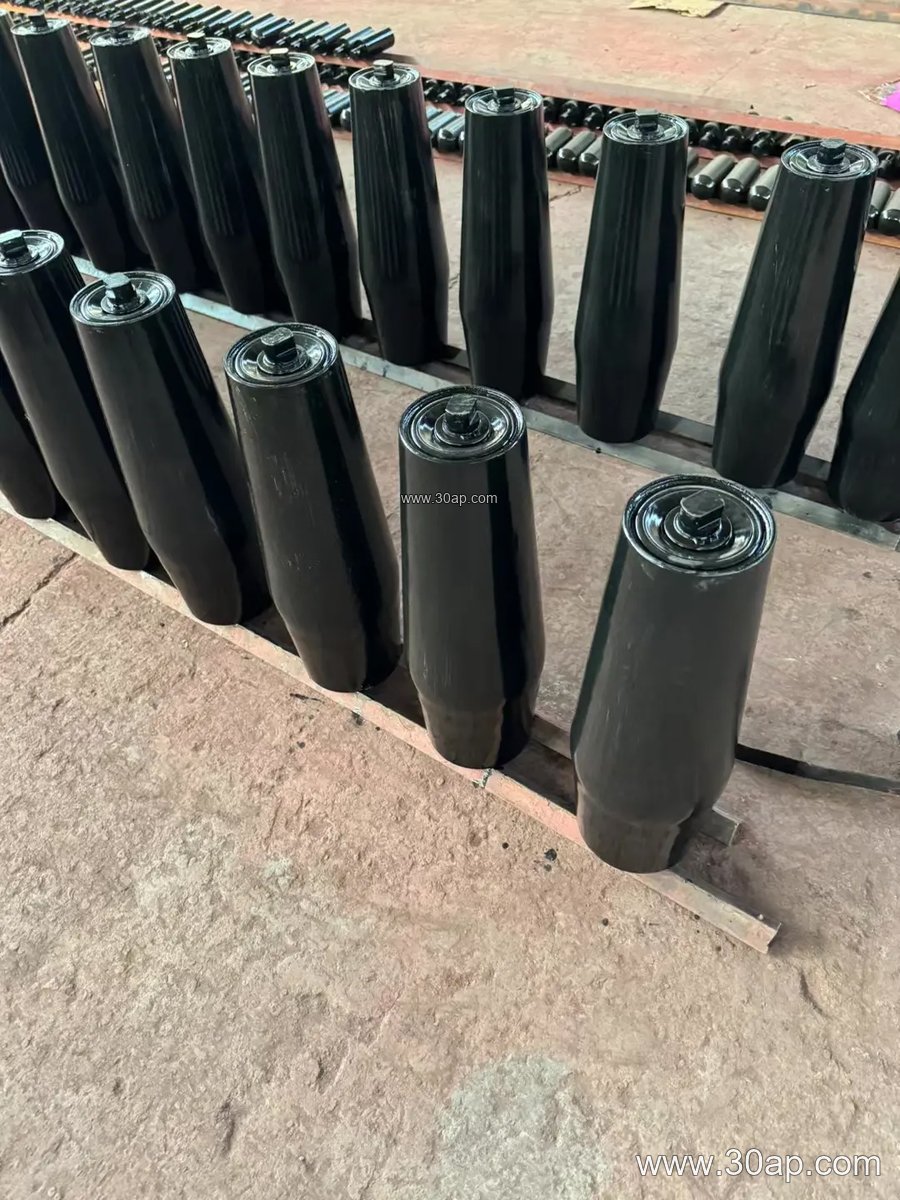
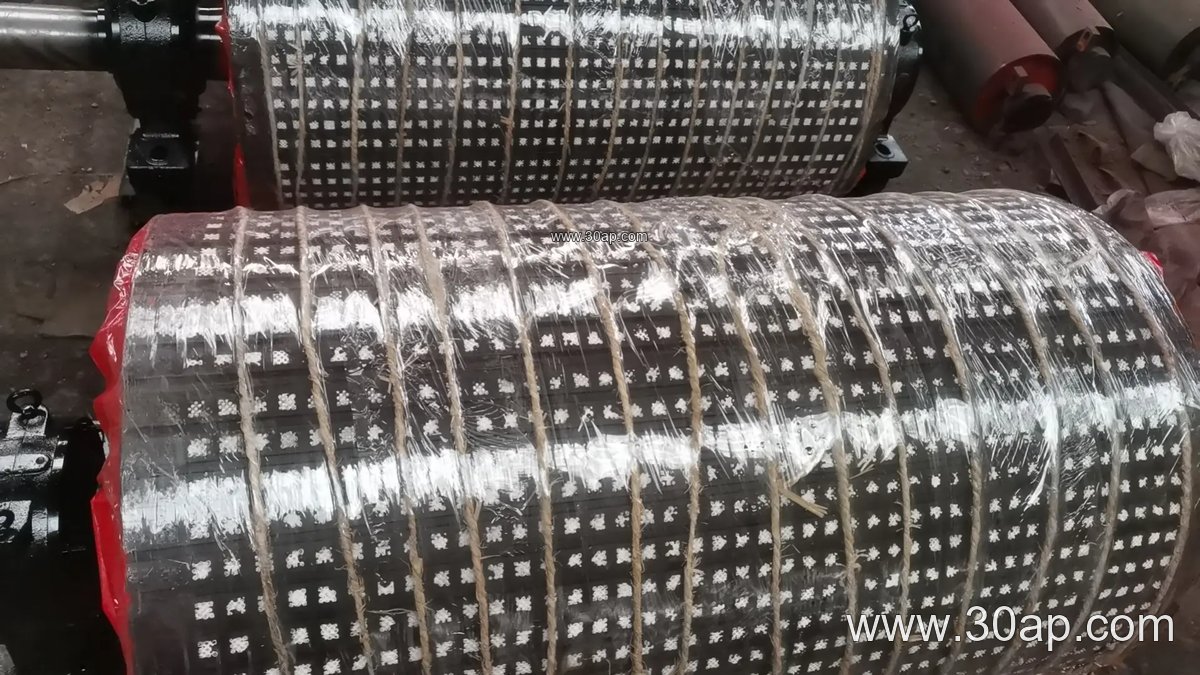
Roller diameter and belt width are chosen together with the conveyor design. The table below gives common reference values, not fixed matches. A 500 mm belt and a 2000 mm belt may both use a double-row return idler, but the roller length, shaft and bearing will differ.
| Belt width | Typical roller diameter | Common return roller length (reference) |
|---|---|---|
| B500 | Ø63 to Ø89 | about 200 mm |
| B650 | Ø76 to Ø108 | about 250 mm |
| B800 | Ø89 to Ø127 | about 315 mm |
| B1000 | Ø102 to Ø133 | about 380 mm |
| B1200 | Ø108 to Ø159 | about 465 mm |
| B1400 | Ø127 to Ø178 | about 530 mm |
| B1600 | Ø133 to Ø194 | about 600 mm |
| B1800 | Ø159 to Ø219 | about 670 mm |
These lengths are typical examples for return rollers; side rollers and centre rollers can differ, and the final value is set by the conveyor designer. A double-row return idler for a 1200 mm wide belt is not the same part as one for a 1800 mm wide belt, even when the roller diameter looks similar.
Buyer Checklist
- Confirm the belt width and the return strand profile before ordering.
- Check the roller diameter, shaft size and bearing number against the existing frame.
- Ask about seal type and grease access for dusty or wet service.
- Match the roller surface to the material: rubber rings for impact and grip, ceramic or nylon where build-up is an issue.
- Verify spacing and mounting height so the belt does not sag onto the frame.
In coal mining, iron ore handling or a crushing and screening circuit, the return side often carries fine dust and spillage. A double-row return idler with good sealing and a sturdy bracket is a practical choice, and it pairs well with an abrasion resistant conveyor belt or a flame retardant conveyor belt on the loaded side. Buyers comparing return options should treat the two-row return idler as its own category, not as a replacement for a V-type return idler or a flat return roller.
Installation and Maintenance Notes
Align the frame square to the belt centre line, tighten the conveyor bracket bolts evenly, and check that both roller rows touch the belt with similar pressure. During routine inspection, listen for squealing bearings, look for material wrapped around the shaft, and confirm the belt tracks near the centre. Re-grease sealed bearings at the interval recommended for the site, and replace a roller when it stops turning freely rather than waiting for the shell to wear through.