What a Long-Distance Conveyor Idler Does on a Extended Run
A long-distance conveyor idler is the rotating support that carries a conveyor belt over kilometers of route, not just a few meters between a head pulley and a tail pulley. On a long overland system, every idler station adds rolling resistance, so the design of the idler roller directly affects power draw, belt life, and the load placed on the conveyor pulley and conveyor bracket. A typical long-distance line through a quarry, a limestone mine, or a power plant coal yard may use thousands of these rollers, and small differences in diameter, bearing quality, and alignment multiply over the full length.
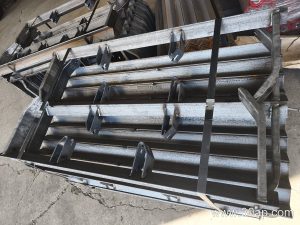
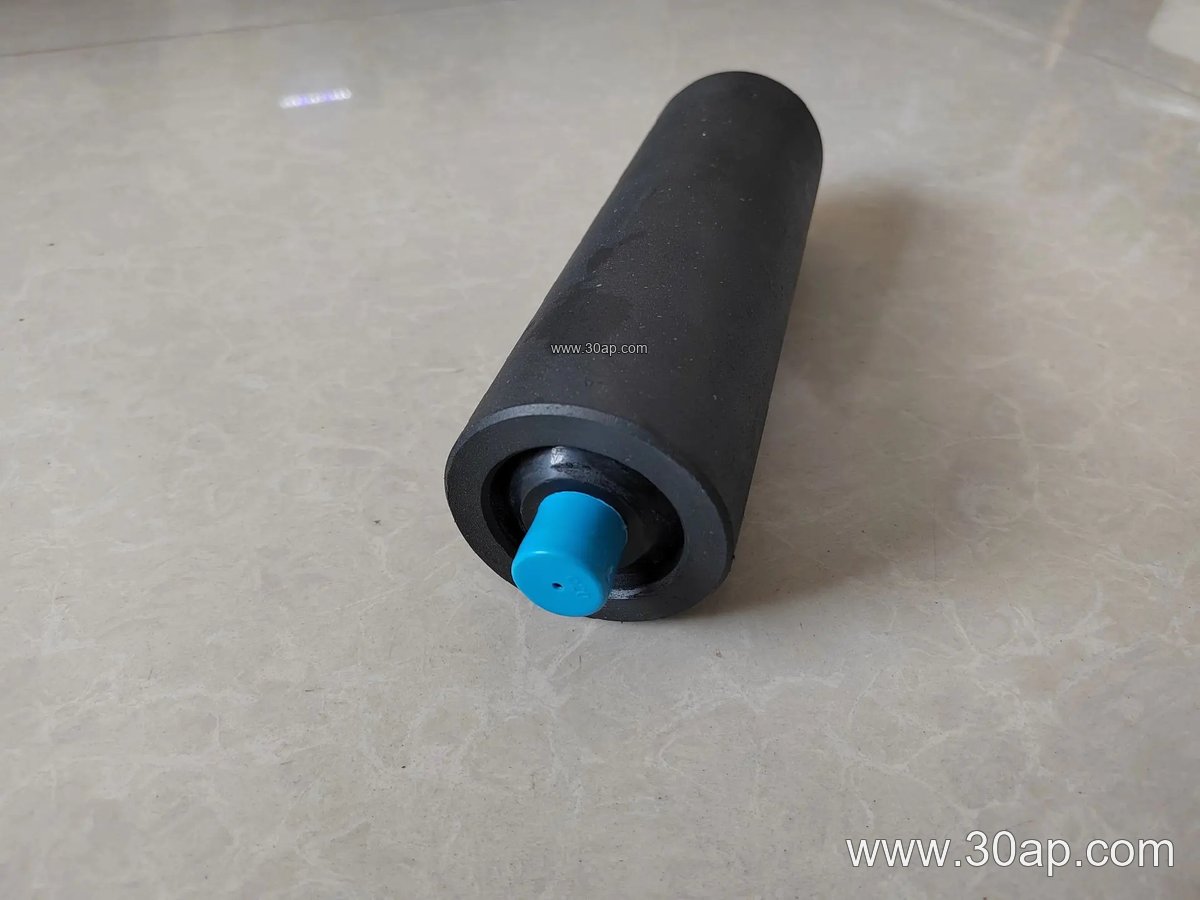
In practice, the long-distance conveyor idler is usually a steel-tube roller with a sealed bearing housing, mounted in a three-roll troughing set on the carrying side and a single or V-shaped roll on the return side. The same product is also called a long-haul conveyor roller or long-run idler roller, and those terms describe the same component, not a different machine.
Construction Details That Matter Over Kilometers
Because the belt keeps moving for hours, the idler has to resist dust, moisture, and vibration without seizing. Common constructions include:
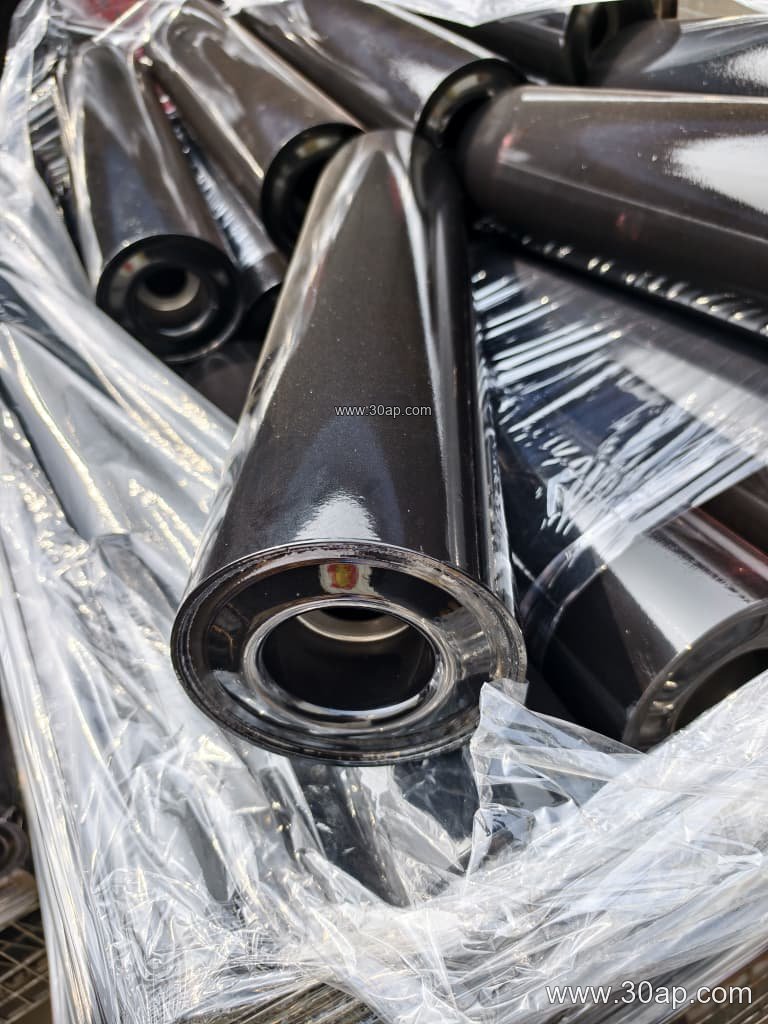
- Sealed deep-groove ball bearings, often 6204, 6205, 6305, 6306, 6308, or 6310 depending on roll diameter and load.
- Steel tube shells with welded or pressed end caps; nylon, ceramic, or rubber-ring surfaces appear where abrasion or build-up is a concern.
- Grease-retaining labyrinth seals for dusty sites such as a cement plant or a crushing and screening line.
- Balanced rollers to limit vibration at higher belt speeds.
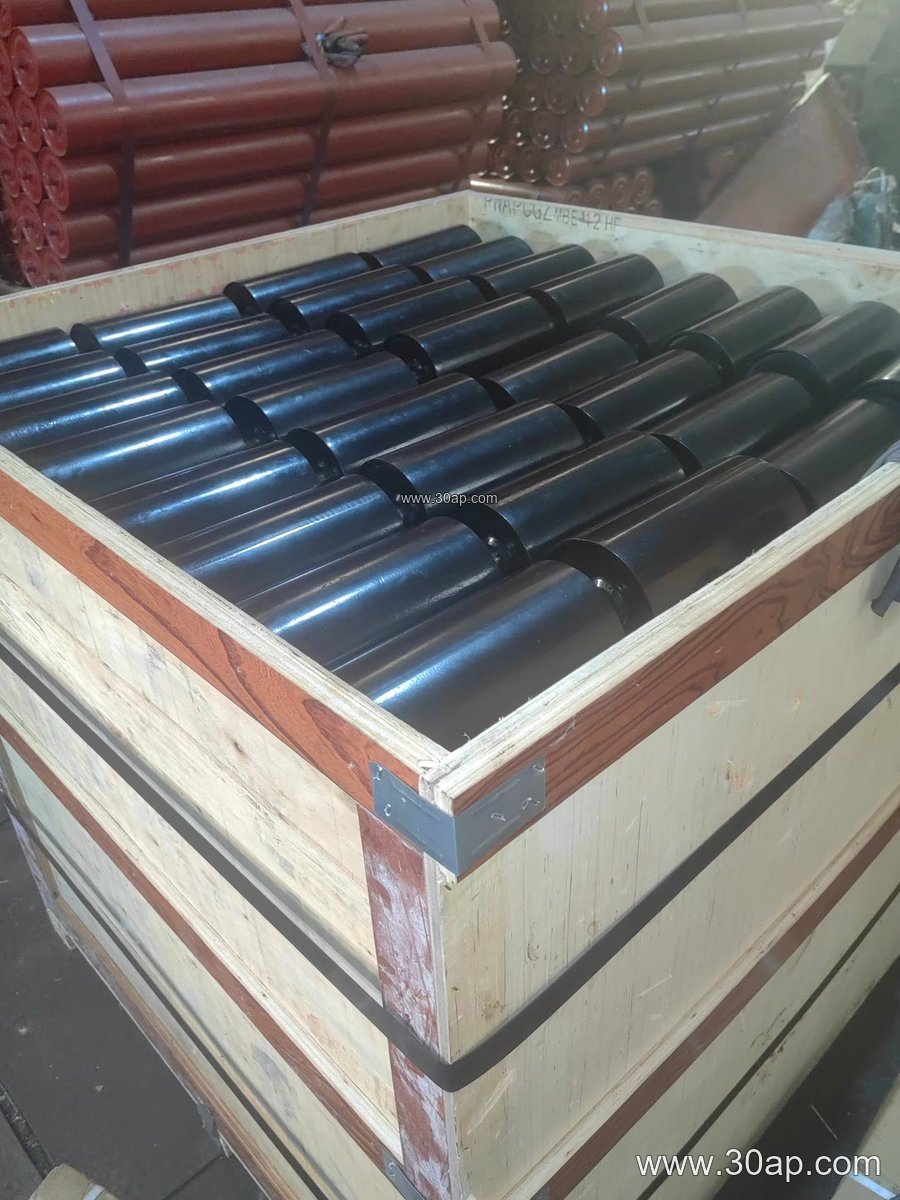
The shell diameter is chosen with the belt width and load in mind, not as a fixed pair. Common diameters include Ø89, Ø102, Ø108, Ø127, Ø133, Ø159, and Ø178 mm, while wider belts may call for Ø194 or Ø219 mm. Roll length changes with belt width, trough angle, and roll arrangement. For example, a three-roll troughing set may use a roll of about 380 mm on a B1000 belt or about 465 mm on a B1200 belt, but side rolls and center rolls can differ, so the final length is set by design.
Where Long-Distance Idlers Are Used
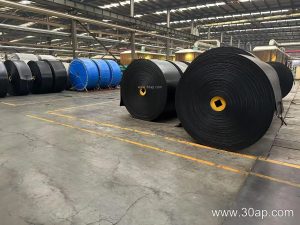
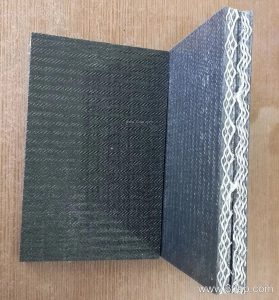
Long overland conveyors are common in a limestone quarry feeding a cement plant, in an iron ore or copper ore transport line, and in power plant coal handling where the belt runs from stockyard to bunker. They also appear in port ship-loading systems and in tunnel spoil removal. In these places, the belt itself is often a heavy-duty mining conveyor belt or a steel cord conveyor belt, and the idler must match that duty. A steel cord conveyor belt such as ST1600 or ST2000 carries high tension, but the idlers still handle the same supporting job along the line.
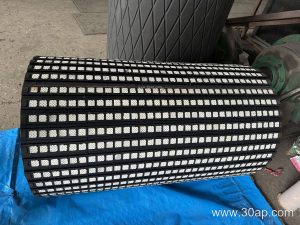
Where the route climbs or material is wet, a chevron conveyor belt or a corrugated sidewall conveyor belt may be used, and the idler spacing and roll profile are adjusted so the belt runs cleanly. The idler does not replace the drive pulley, tail pulley, or bend pulley; those are separate components with different functions.
Reading Diameter, Belt Width, and Trough Angle Together
Buyers often ask for a roller size by belt width alone, but the relationship is not one-to-one. A B800 belt may run with Ø89 or Ø108 rollers, and a B1400 belt may use Ø127 or Ø159, depending on load, speed, and idler spacing. Trough angles of 20, 30, 35, or 45 degrees change the belt cross-section and the load on each roll. A 35-degree three-roll set is common on bulk material conveyor belts, while a 45-degree set may be chosen to increase capacity in a confined route.
Return-side idlers are usually flat or V-shaped, and transition idlers near the pulleys ease the belt from flat to troughed. Impact idlers with rubber rings are placed under loading points, and self-aligning idlers help keep a long belt centered. These are different subtypes used for specific duties; they do not substitute for the standard long-distance carrying idler.
Selection and Maintenance Notes for Buyers
For a long route, calculate the total idler count and the rotating resistance before choosing a low-cost roller, because a seizing idler can damage the belt and stop the line. Ask for the bearing number, seal type, shell thickness, and balancing grade rather than only the outside diameter. Keep spare rollers on site and check alignment after belt splicing, since a misaligned frame loads the conveyor bracket and the roller ends unevenly.
Whether the line handles coal, clinker, aggregate, or ore, the long-distance conveyor idler is a small part with a large effect on uptime. Matching it to the belt, the trough angle, and the environment is the practical way to keep a long conveyor running smoothly.