Combating Extreme Abrasion on Raw Material Transport Lines
In a heavy cement plant environment, every single idler roller faces a relentless bombardment of sharp, dense, and hard mineral aggregates. Conveying raw crushed limestone, abrasive silica sand, and hot clinker from kilns places severe mechanical stress on the rotating outer shell. Without proper surface hardness and metallurgical durability, the continuous sliding and impact of abrasive particles quickly gouge the steel surface, creating localized pits and imbalances that compromise the entire belt conveyor network.
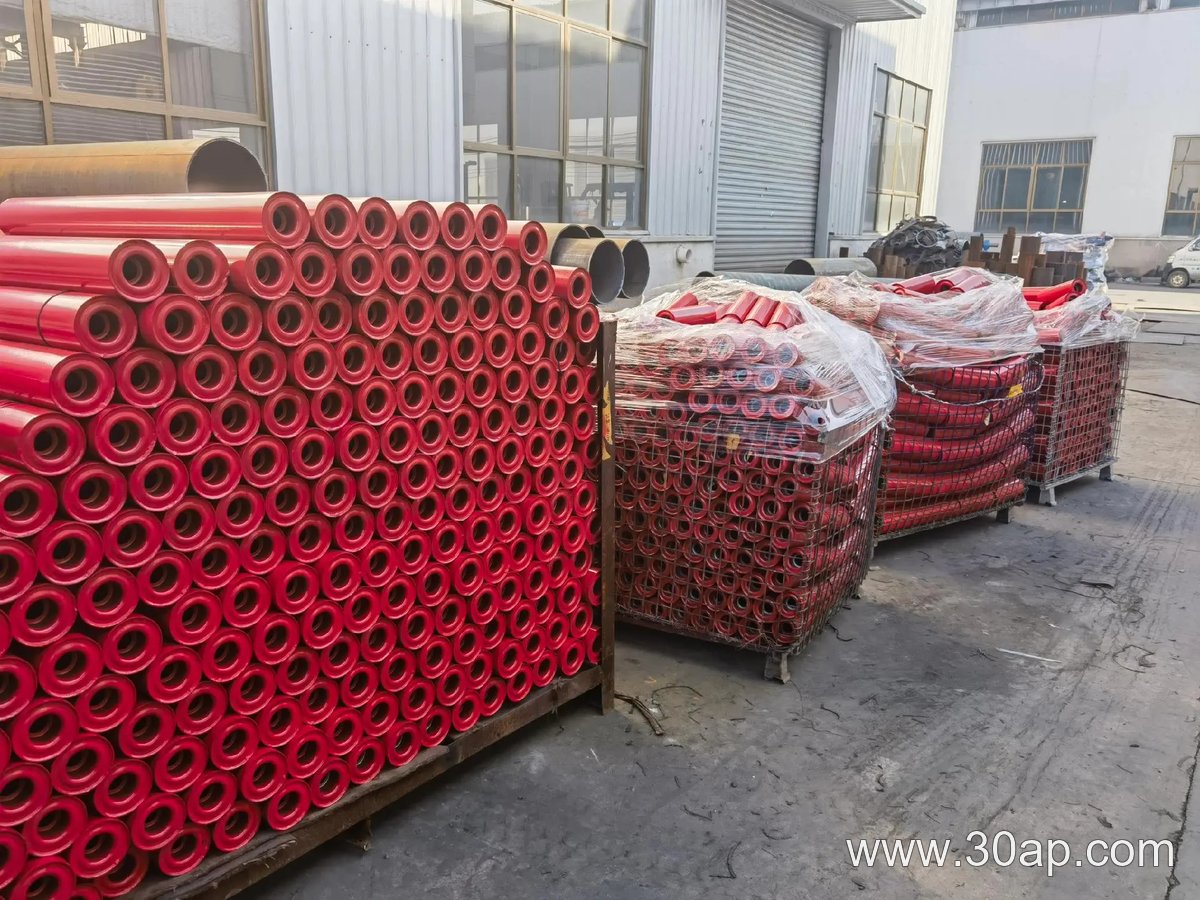
Surface Wear Mechanisms in High-Volume Mineral Processing
Understanding how abrasion degrades an idler roller requires examining the micro-mechanics of particle contact. As millions of tons of angular clinker pass over the moving belt, hard mineral grains press against the rotating cylinder under high normal forces. This interaction causes three primary forms of degradation:
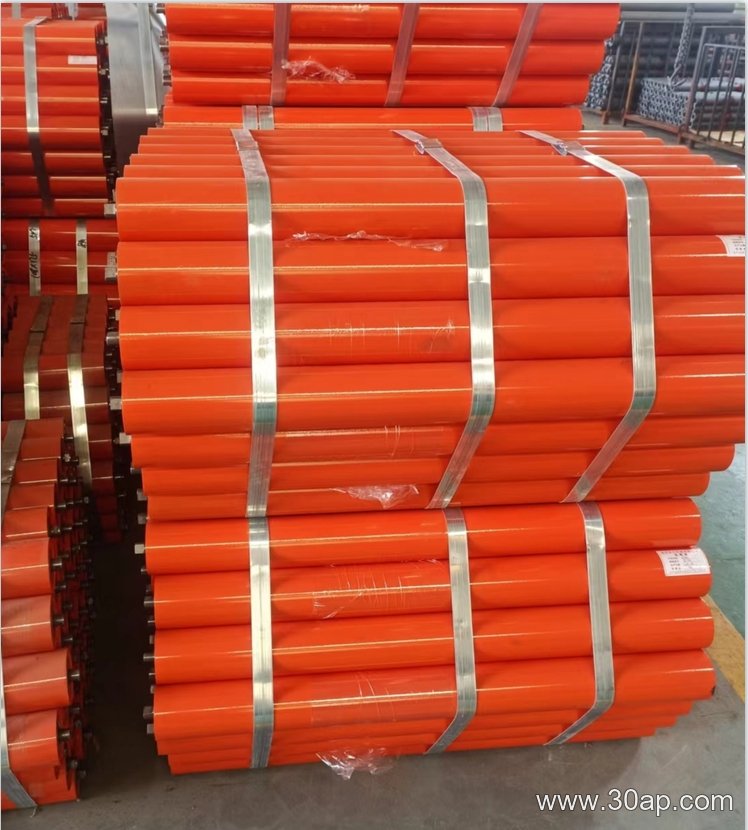
- Micro-cutting, where sharp mineral edges slice away microscopic metallic ribbons from the shell exterior.
- Impact fatigue, which occurs when heavy chunks drop onto the belt directly above the roller assembly, causing localized surface micro-cracking.
- Uneven wall thinning, leading to dynamic imbalance, excessive bearing vibration, and eventual mechanical seizure.
Engineering Countermeasures for Enhanced Abrasion Defense
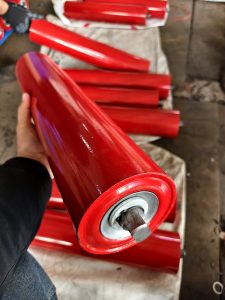
To resist aggressive abrasive wear, engineers specify particular metallurgical compositions and specialized surface treatments for the idler roller shell. Rather than relying entirely on standard low-carbon structural steel, high-durability designs incorporate induction-hardened outer rims, abrasion-resistant alloy steel grades, or thick polyurethane protective sleeves.
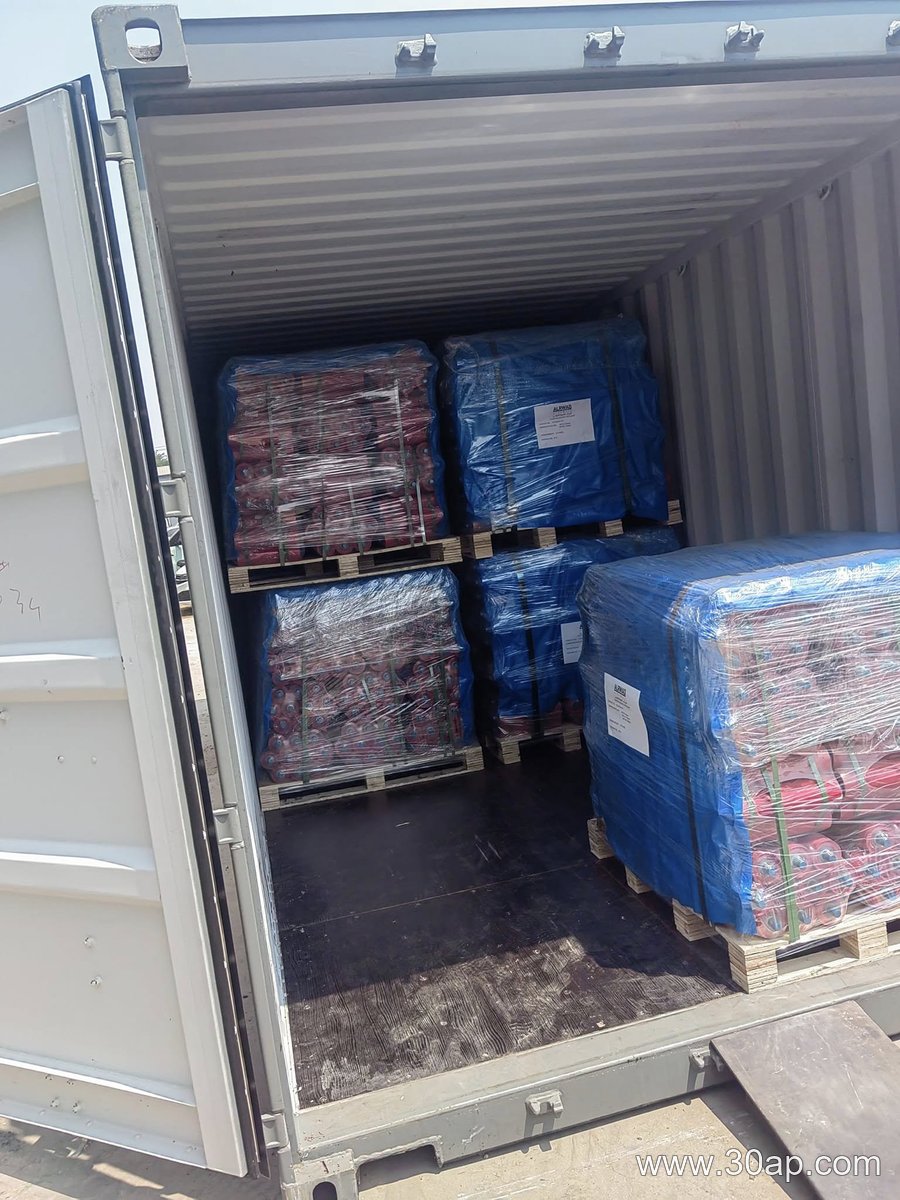
Furthermore, maintaining a smooth, uncompromised exterior surface prevents premature belt cover wear. When an idler roller maintains its original cylindrical geometry and low rotational friction, the entire conveying line operates with minimized energy consumption and reduced unplanned maintenance downtime.
Evaluating Operational Trade-Offs in Material Specification
Selecting highly wear-resistant materials for an idler roller always involves balancing initial capital investment against long-term maintenance frequency. Premium alloy steels or thick polymer coatings increase upfront procurement budgets, yet they drastically extend service intervals in harsh clinker-handling zones. Plant operators must weigh the projected tonnage throughput against local abrasive conditions to determine the most cost-effective structural configuration for their specific conveyor layouts.