What a Belt Conveyor Guide Idler Does
A belt conveyor guide idler is a specialized roller assembly used to keep the conveyor belt centered and aligned along the carrying path. Unlike standard carrying or return idlers that primarily support the belt and material load, guide idlers are positioned at strategic points to correct belt drift and prevent edge damage. In a typical conveyor system, you will find them near the tail pulley, ahead of the drive pulley, or on long straight sections where misalignment tends to occur. They work together with the conveyor belt, idler roller frames, and conveyor bracket to maintain smooth tracking, especially in industries such as coal mining, cement plants, power plant coal handling, and quarry operations where bulk material loads are heavy and operating conditions are demanding.
Construction and Key Components
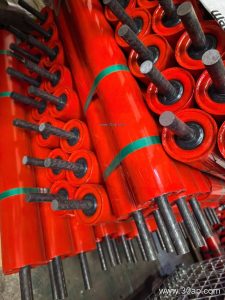
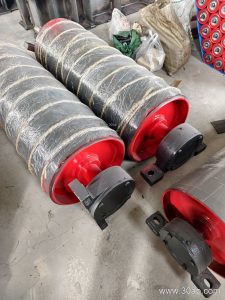
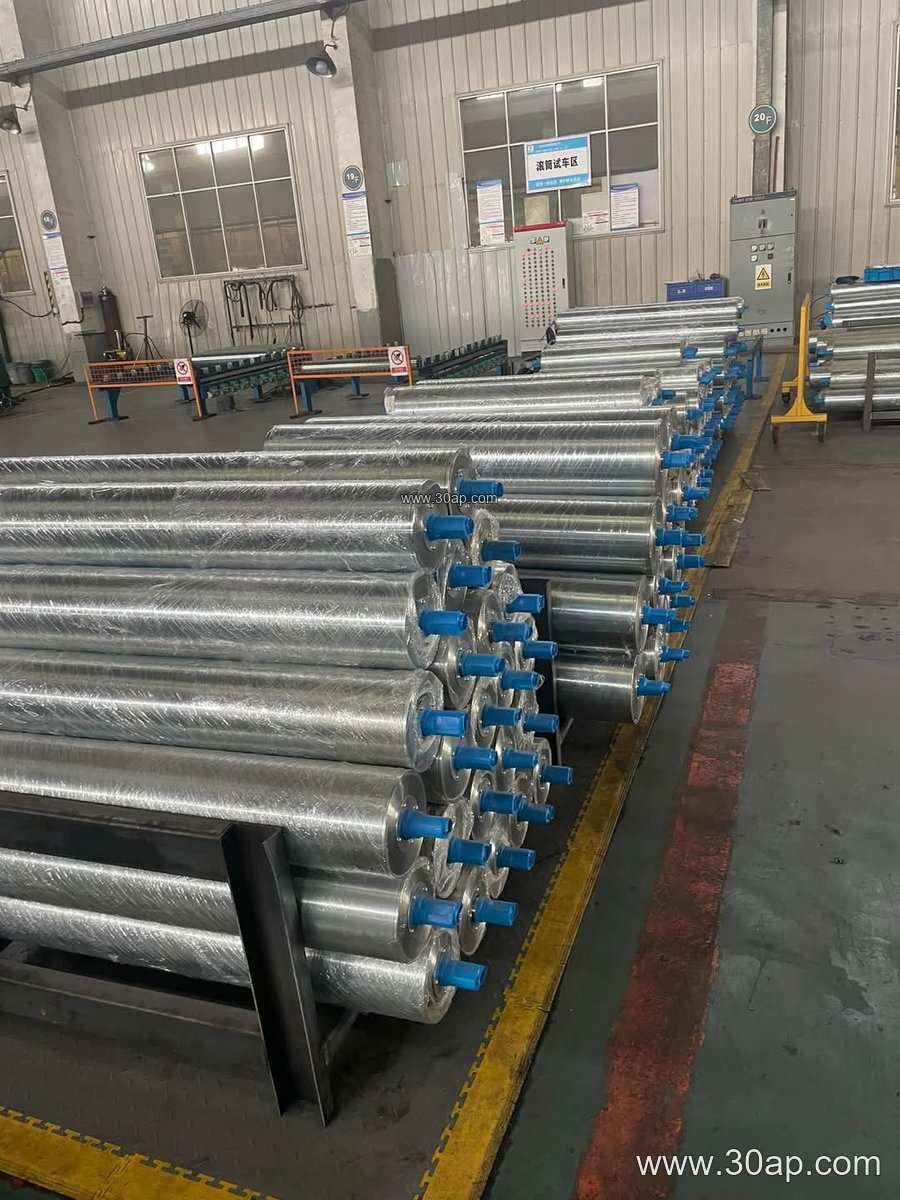
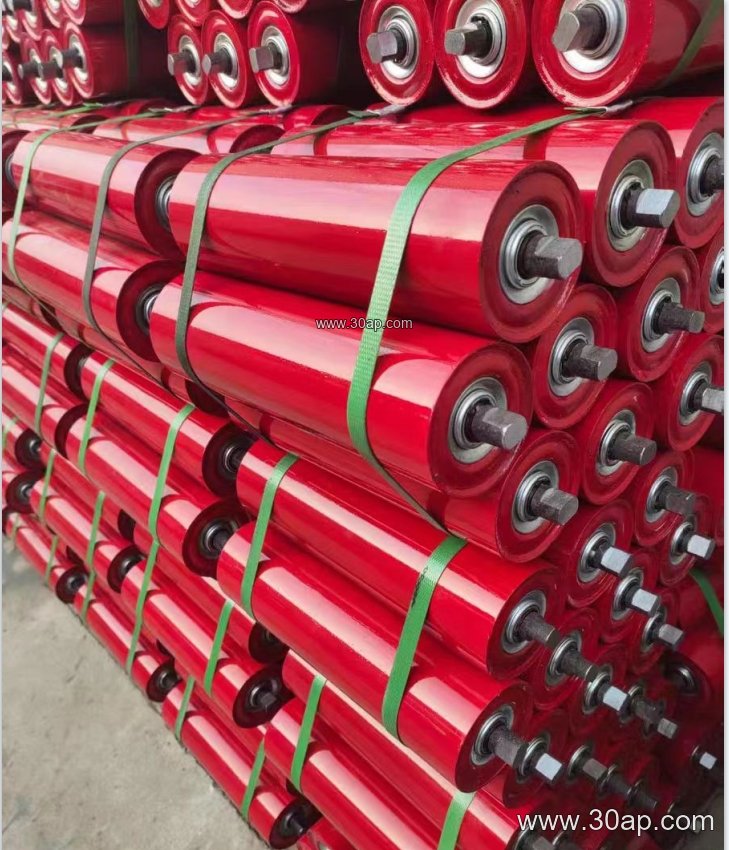
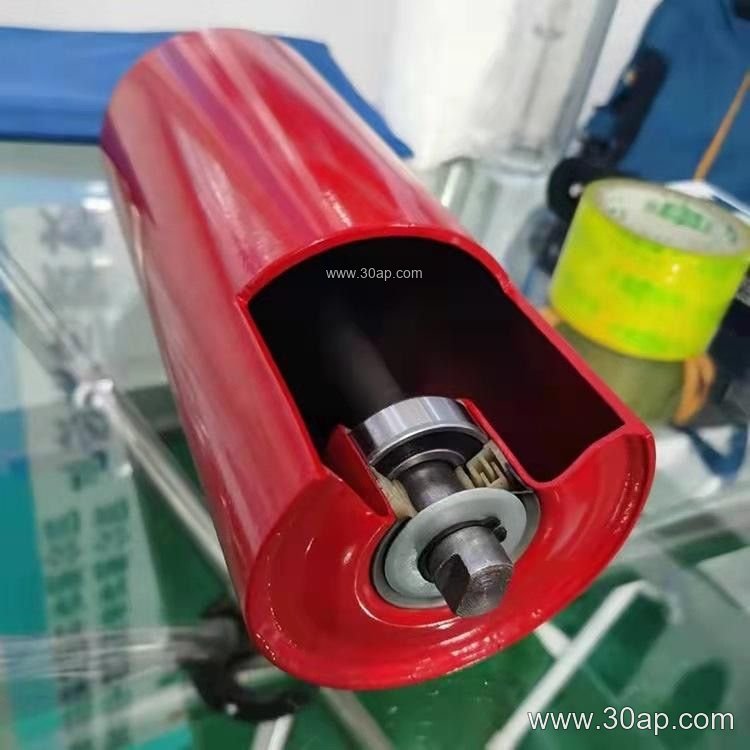
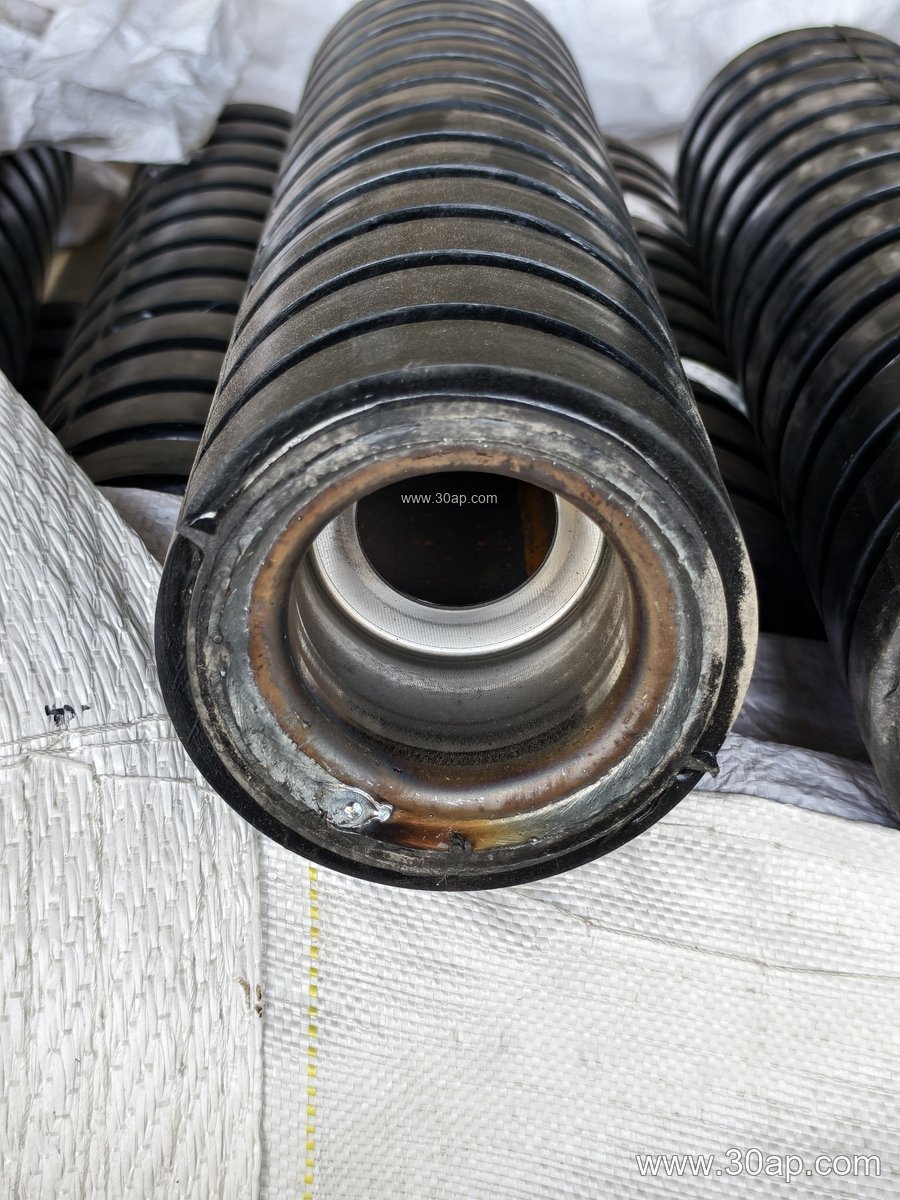
A guide idler is built around a sturdy steel tube shell, often fitted with rubber or polyurethane rings to increase friction and gently steer the belt without excessive wear. The roller rotates on sealed ball bearings, commonly sizes like 6204, 6205, or 6305, housed in a pressed or machined end cap. The shaft is typically mild steel, and the entire assembly mounts on a conveyor bracket or frame that allows adjustable positioning. Some designs use a vertical axis orientation to act as a side guide, while others are inclined to create a self-aligning effect. The shell surface may be plain steel, nylon-coated, or ceramic-lined for specific wear resistance. Proper sealing is critical in dusty environments such as limestone mines or aggregate crushing plants, where fine particles can quickly destroy unprotected bearings.
Common Types and Configurations
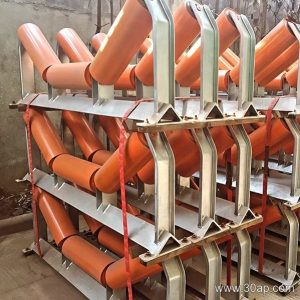
Guide idlers come in several forms depending on the tracking problem they solve. The most common are vertical guide rollers, which mount on the sides of the belt and physically limit lateral movement. Another design is the self-aligning idler, which uses a pivoting frame to automatically correct belt misalignment. Tapered guide rollers are also used to apply a gentle steering force. These are distinct from standard troughing idlers, return idlers, or impact idlers, which serve different primary functions. For example, a troughing idler set with three rolls supports the loaded belt, while a guide idler focuses on alignment. When specifying, buyers should note the roller diameter, face length, bearing size, and mounting arrangement. Below is a reference table of common guide idler dimensions; actual sizes vary by design and should be confirmed with the supplier.
| Parameter | Common Range / Example |
|---|---|
| Roller diameter | Ø63, Ø76, Ø89, Ø102, Ø108, Ø127, Ø133 mm |
| Belt width (B) | B500, B650, B800, B1000, B1200, B1400 mm |
| Roller length (typical) | 200 mm for B500 up to 530 mm for B1400 (varies with frame) |
| Bearing size | 6204, 6205, 6305, 6306 |
| Shell material | Steel tube, rubber-covered, nylon, ceramic |
Note that roller length is not fixed to belt width alone; it depends on the guide idler frame and mounting angle. Always refer to the conveyor design manual.
Where Guide Idlers Are Used
These idlers are essential in any conveyor system prone to belt misalignment. In underground coal mining, guide idlers help keep the belt on track in confined spaces where uneven loading is common. In a cement plant, they are often installed on clinker conveyors and raw material handling lines to protect the belt edges from scraping against structure. Power plants use them on coal conveyors to prevent spillage and extend belt life. Aggregate operations, such as stone crushing and screening plants, rely on guide idlers to maintain belt tracking through curves and transfer points. They are also found in port bulk terminals and steel plant sinter lines. While the belt itself may be a heavy-duty mining conveyor belt or a heat resistant conveyor belt, the guide idler’s role remains the same: keep the belt centered and reduce edge wear.
Buyer Checklist for Guide Idlers
When selecting a belt conveyor guide idler, consider the following:
- Belt width and speed – determines the roller length and diameter; do not assume one diameter fits all widths.
- Bearing type and sealing – match to the environment; dusty or wet conditions require better seals.
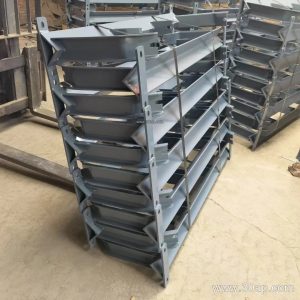
- Mounting brackets – ensure compatibility with existing conveyor bracket or frame.
- Roller surface – rubber or polyurethane for grip and belt protection; ceramic for high abrasion.
- Adjustability – some guide idlers allow fine-tuning of angle and position.
Always request dimensional drawings and confirm that the guide idler will not interfere with other components such as the conveyor pulley or skirt rubber. A well-chosen guide idler reduces downtime and belt replacement costs, especially in demanding applications like iron ore or copper ore handling where abrasive materials shorten component life.