What Is a Parallel Idler Bracket?
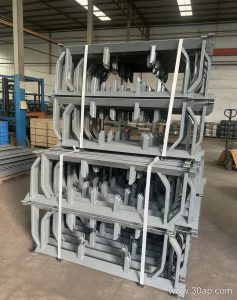
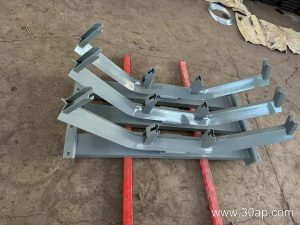
A parallel idler bracket is a structural support that holds the idler rollers in a parallel orientation relative to the conveyor belt. Unlike troughing brackets that angle the rollers to form a trough, this bracket keeps the rollers flat or parallel, making it suitable for the return side of the conveyor or for specific carrying configurations where a flat profile is desired. In many conveyor setups, the parallel idler bracket is used as a return bracket or a lower flat bracket, ensuring the belt maintains proper tension and alignment on its journey back to the tail pulley.
Also known as a flat idler bracket or return idler bracket, this component is essential for the smooth operation of belt conveyors in industries ranging from mining and quarrying to cement plants and power stations. Whether you are handling abrasive ore, coal, or aggregate, the right bracket design contributes to the overall efficiency of the material handling system.
Construction and Design Features
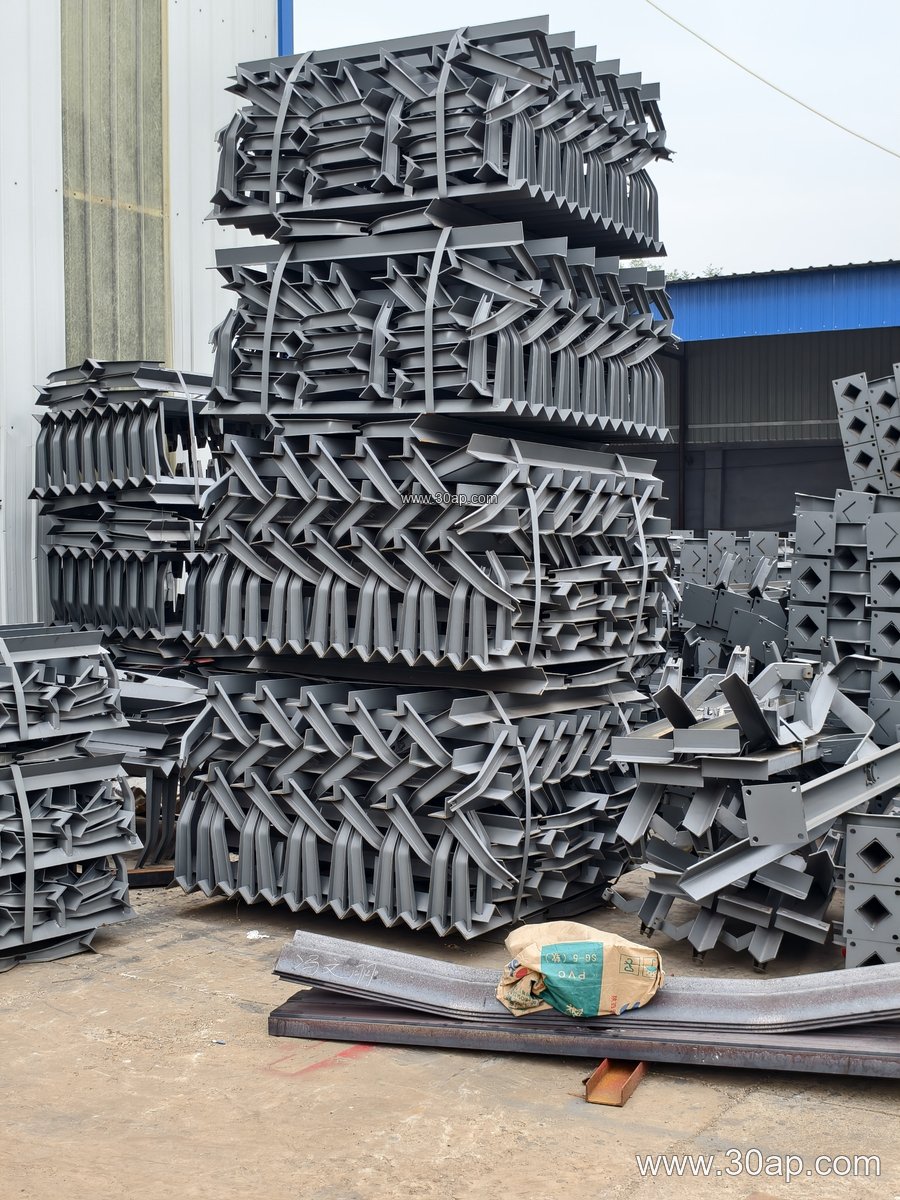
Parallel idler brackets are typically fabricated from angle steel, channel steel, or bent steel plate to provide robust support under heavy loads. The design must accommodate the specific belt width and roller diameter used in the conveyor. Common belt widths include B500, B650, B800, B1000, B1200, and B1400, among others. The bracket’s mounting hole spacing and crossbeam length are determined by the belt width and the required configuration, so they are not fixed values but are engineered per application.
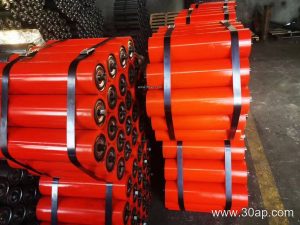
The bracket holds the idler roller in a horizontal position, and the rollers themselves may have diameters such as Ø89, Ø108, Ø133, or Ø159. The choice of roller diameter depends on the belt speed, load, and material characteristics. For instance, a B800 belt with a 35-degree troughing angle on the carrying side might use Ø108 return rollers supported by parallel brackets. It is important to note that the parallel bracket does not impose a trough angle; it maintains a flat profile, which is ideal for the return strand where the belt is empty.
Some parallel brackets are adjustable, allowing fine-tuning of the roller position to optimize belt tracking and reduce wear. These adjustable brackets can be particularly useful in applications where the belt may experience slight misalignment due to load variations or thermal expansion.
Where Parallel Idler Brackets Are Used
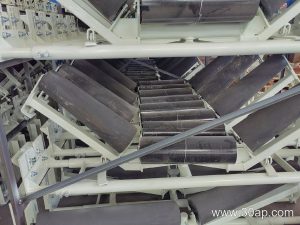
Parallel idler brackets are found in a wide range of bulk material handling operations. In a quarry or sand and gravel plant, they support the return side of the conveyor belt, helping to keep the belt stable after it discharges its load. In a coal mining operation, these brackets are used in underground and surface conveyors to guide the belt on its return path, often in combination with flame retardant conveyor belts for safety.
In cement plants, parallel brackets support the belt that carries clinker or raw meal, where heat resistant conveyor belts may be required. Power plant coal handling systems rely on these brackets to maintain belt alignment in dusty environments, frequently using anti-static conveyor belts to prevent static buildup. Similarly, in steel mills and foundries, they support belts transporting sinter or coke, where abrasion resistant conveyor belts are common.
Port facilities and ship loading conveyors use parallel idler brackets on the return strand to ensure reliable operation under high tension. Whether the belt is a heavy-duty mining conveyor belt or a lightweight food grade conveyor belt, the parallel bracket provides a stable foundation for the return rollers.
Key Selection Considerations for Buyers
When selecting a parallel idler bracket, buyers should consider several factors to ensure compatibility and longevity. First, determine the belt width and the required roller diameter. The bracket must be sized to fit the belt and roller without interference, and the mounting dimensions should match the conveyor frame. Common combinations include B650 with Ø89 rollers, B1000 with Ø108 rollers, or B1200 with Ø133 rollers, but these are not exclusive; the final choice depends on the conveyor design and load requirements.
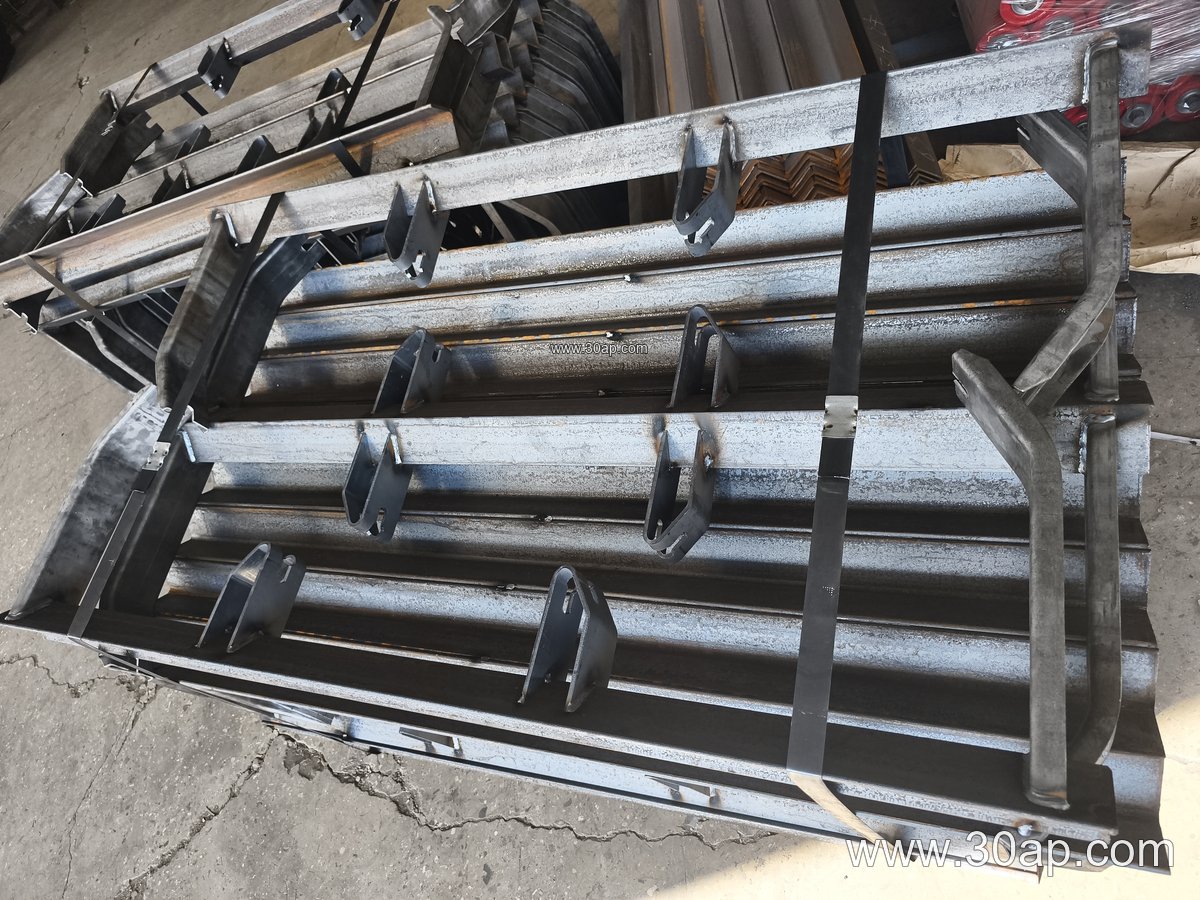
Second, consider the material and construction of the bracket. Angle steel and channel steel offer good strength and are suitable for most industrial environments. For corrosive or wet conditions, hot-dip galvanized or painted finishes may be advisable. The bracket should be designed to withstand the dynamic loads imposed by the moving belt and material, especially in high-capacity operations.
Third, evaluate whether a fixed or adjustable bracket is needed. Adjustable parallel brackets allow for correction of belt misalignment and can extend the service life of the belt and rollers. However, they may require more frequent inspection and maintenance. Fixed brackets are simpler and more economical for applications with stable belt tracking.
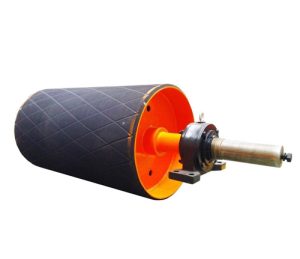
Finally, consider the overall conveyor system compatibility. The parallel idler bracket must work in harmony with other components such as the drive pulley, tail pulley, and bend pulley. While these pulleys serve different functions, the bracket ensures that the return belt is properly supported before it reaches the tail pulley. It is also important to coordinate with the type of conveyor belt used—whether it is an EP conveyor belt, a steel cord conveyor belt, or a specialized heat resistant conveyor belt—to ensure that the bracket and roller materials are suitable for the operating environment.
Maintenance and Long-Term Reliability
Regular inspection of parallel idler brackets is recommended to check for wear, corrosion, or deformation. Loose mounting bolts should be tightened, and any damaged brackets should be replaced promptly to avoid belt damage or downtime. Lubrication of the idler roller bearings, if applicable, should be carried out according to the manufacturer’s schedule. Keeping the brackets clean and free from material buildup helps maintain proper belt tracking and extends the life of the entire conveyor system.
In summary, the parallel idler bracket is a simple yet critical component that supports the return side of a conveyor belt. By selecting the right bracket for your belt width, roller diameter, and operating conditions, you can enhance the efficiency and reliability of your material handling process, whether in a coal mine, cement plant, or aggregate quarry.