What a Belt Conveyor Guide Idler Does
A belt conveyor guide idler is a small but decisive component in keeping a conveyor belt centred on its path. It is a roller assembly mounted at the edges of the belt, usually on the carrying or return side, that applies a gentle corrective force when the belt begins to drift sideways. Without this correction, a misaligned belt can rub against the frame, spill material, damage the belt edges, and shorten the life of pulleys and brackets. In a quarry, a cement plant, or a power plant coal yard, a well-chosen guide idler often prevents a minor tracking problem from becoming a shutdown.
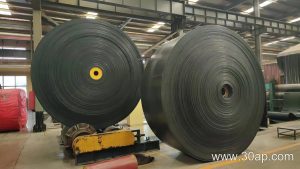
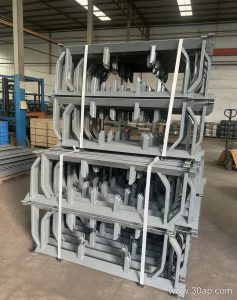
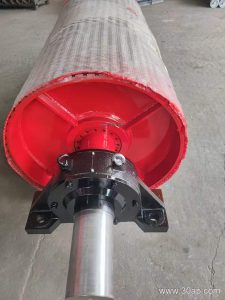
In many plants the guide idler works alongside a rubber conveyor belt or an EP conveyor belt, and its position is set relative to the belt width and the structure of the conveyor bracket. It is not a drive pulley, tail pulley, or bend pulley, and it does not transmit power. Its job is guidance, not traction.
How the Guide Idler Is Built
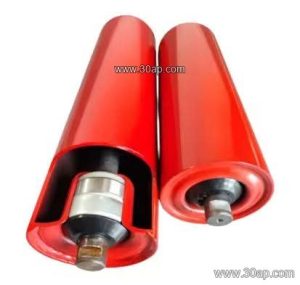
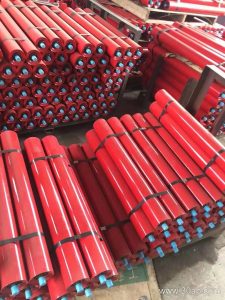
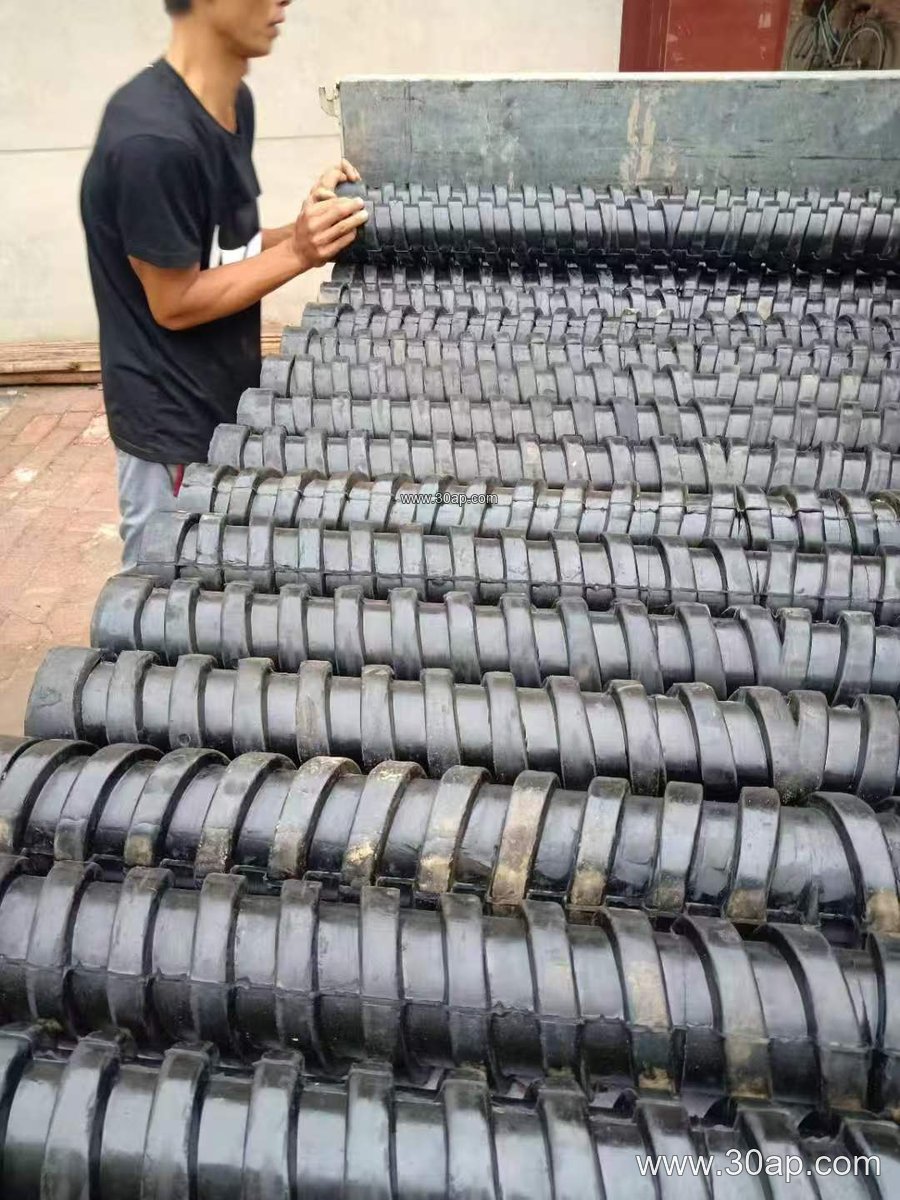
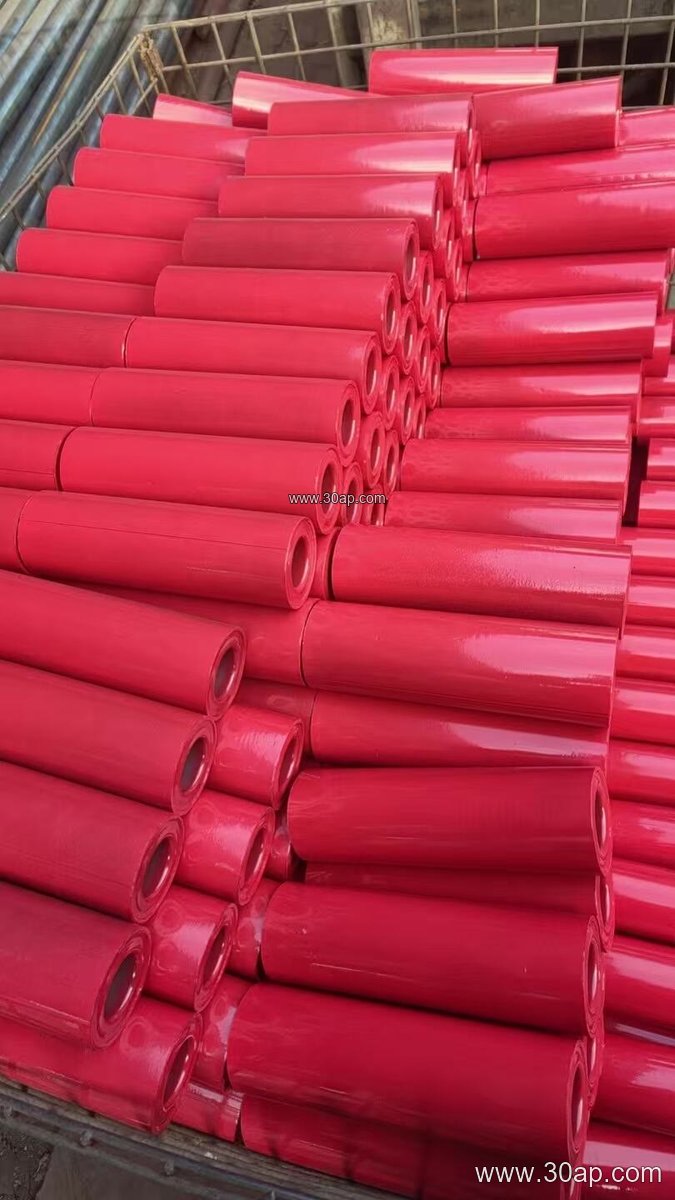
The typical unit combines a steel tube shell, a shaft, sealed bearings, and a mounting arrangement that allows small angular movement. The roller surface may be plain steel, nylon, ceramic, or fitted with rubber rings, depending on the environment. Dusty conditions at a limestone mine or an aggregate conveyor belt line often call for stronger sealing, while wet or sticky service may favour a smooth, self-cleaning face.
Guide idlers are frequently made as a pair of vertical or angled rollers that contact the belt edge. Some designs use a tapered roller to create a steering effect, and some use a friction disc that turns only when the belt touches it. The exact geometry is set by the conveyor designer, not by a single universal rule.
Common Reference Dimensions
The table below gives common reference values only. Actual selection depends on belt width, trough angle, load, and frame design.
- Roller diameter options: Ø63, Ø76, Ø89, Ø102, Ø108, Ø127, Ø133, Ø159 mm
- Belt width range often considered: B400 to B2400
- Trough angles used on associated carrying idlers: 20, 30, 35, 45 degrees
- Bearing sizes commonly fitted: 6204, 6205, 6305, 6306, 6308, 6310
Belt width and roller diameter are not locked together. A B800 conveyor may use different roller diameters depending on load and speed, and a B1200 belt may use a range of shell sizes. Shaft diameter is determined by the load calculation, not by belt width alone.
Where Guide Idlers Are Used
These idlers appear wherever belt tracking is critical. In a coal mining conveyor belt system, a flame retardant conveyor belt may run long distances and need edge guidance at transfer points. In a cement plant, a heat resistant conveyor belt carrying clinker benefits from guide rollers that resist dust and heat. At a port or ship loading conveyor belt, a wide conveyor belt such as a 1200mm or 1500mm belt may need guide idlers on both sides to hold alignment during loading.
They are also common on crusher conveyor belts in a stone crushing plant, on ore conveyor belts in an iron ore or copper ore operation, and on a pipe conveyor belt where the belt must be kept from twisting before it enters the pipe. A steel cord conveyor belt on a heavy-duty mining conveyor belt often uses guide idlers near the tail and at curves, where tracking forces are highest.
Buyer Checklist
Before ordering, confirm the belt width, the mounting position, and the available space on the conveyor bracket. Check whether the idler will run on the carrying side or the return side, and whether the environment is wet, dusty, or hot. Ask for the bearing size and sealing arrangement, because a poorly sealed bearing in a wash plant or a coal yard will fail early. Confirm the roller surface: a rubber ring guide idler may suit a fragile belt, while a ceramic or nylon face may suit abrasive service.
Remember that a guide idler is a tracking aid, not a substitute for correct pulley alignment. Drive, tail, and bend pulleys must be squared and levelled first. Only then can a guide idler do its job. Buyers should also check that the guide idler matches the conveyor frame and does not interfere with the belt edge or the skirt rubber. For a long overland conveyor with a fabric core conveyor belt or a multi-ply fabric core conveyor belt, a small number of well-placed guide idlers is usually better than many poorly set ones.
Finally, keep spare rollers and bearings on hand. A guide idler is inexpensive compared with belt damage, and replacing a worn roller early protects the belt, the pulleys, and the whole conveying line.