What the Idler Shaft Does
An idler shaft is the stationary axle that carries a rotating idler roller in a belt conveyor. The roller shell turns on bearings mounted around this shaft, while the shaft itself is held at both ends by the conveyor bracket or frame. In practice, the shaft transfers the weight of the belt and the material load from the roller to the conveyor structure, and it sets the position of the roller relative to the belt line.
Although it looks like a simple round bar, the idler shaft is a precision part. Its straightness, diameter tolerance, machined journal surfaces and end fixing details all affect how smoothly the idler roller runs. On a long overland conveyor carrying bulk material, a small alignment error at one shaft can cause vibration, edge wear and premature bearing failure.
Construction and Common Features
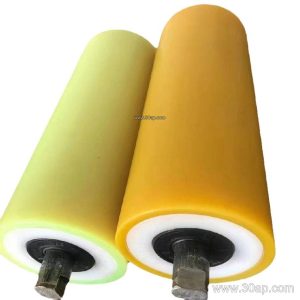
Most idler shafts are made from round carbon steel bar, often cold drawn or turned and ground at the bearing seats. The ends may be machined with flats, grooves, threaded sections or snap ring grooves so the shaft can be locked into the bracket without turning. Some designs use a through shaft with a flat at each end; others use a stub shaft pressed into the roller shell.
Typical features buyers ask about include:
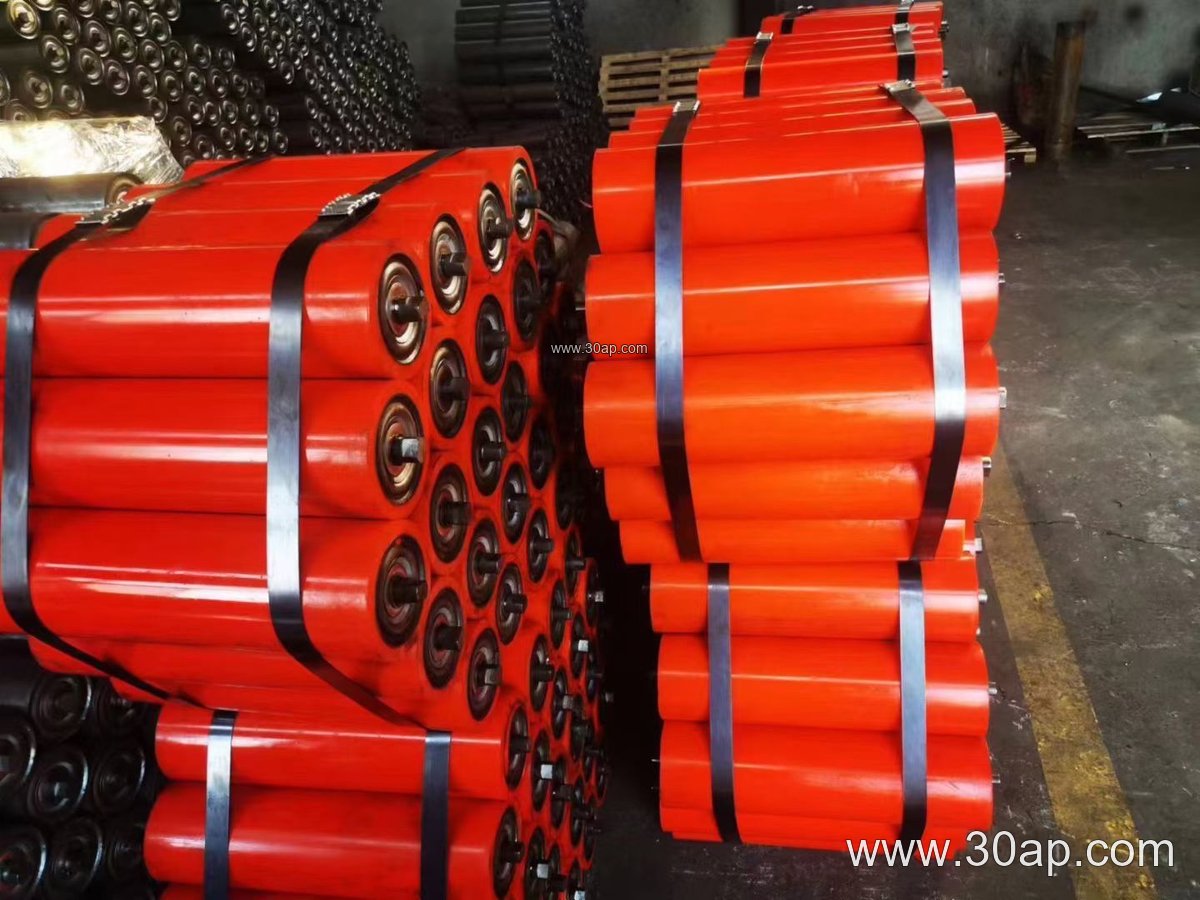
- Bearing seat diameter and surface finish
- Shaft length and the distance between fixing points
- End form: flat, groove, thread or cross hole
- Corrosion protection such as painting, plating or coating
- Straightness and runout tolerance
Bearings commonly used in idler rollers include 6204, 6205, 6305, 6306, 6308 and 6310. The bearing size should be matched to the actual shaft journal and load case, not guessed from belt width alone.
Where Idler Shafts Appear
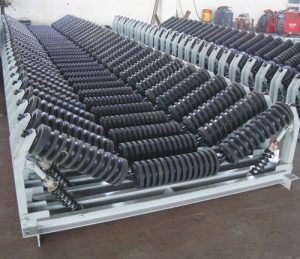
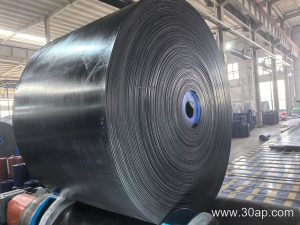
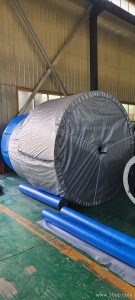
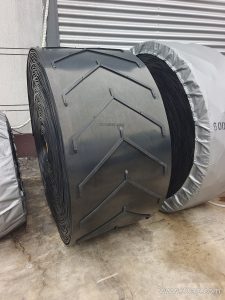
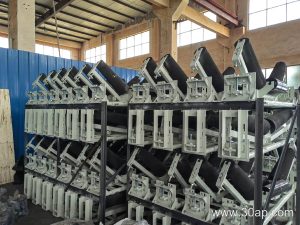
Idler shafts are found wherever a conveyor uses rotating rollers: carrying idlers on the top run, return idlers underneath, impact idlers at transfer points and self-aligning idlers on long curves. In a quarry or aggregate line, they sit under a rubber conveyor belt moving crushed stone. In a coal mining conveyor, they support a flame retardant conveyor belt through dusty and sometimes wet conditions. In a cement plant, they carry clinker and raw meal on heavy-duty conveyor belts, while a power plant coal handling system relies on them for continuous fuel transport.
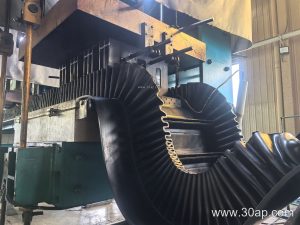
The same shaft design may appear in a pipe conveyor belt system, where idlers are arranged in a hexagonal or circular pattern, but the load direction and bracket geometry differ from a conventional troughed conveyor. For comparison, a bend pulley redirects the belt and uses a different shaft and bearing arrangement; it is not an idler shaft and should not be specified as one.
Shaft Diameter, Roller Diameter and Belt Width
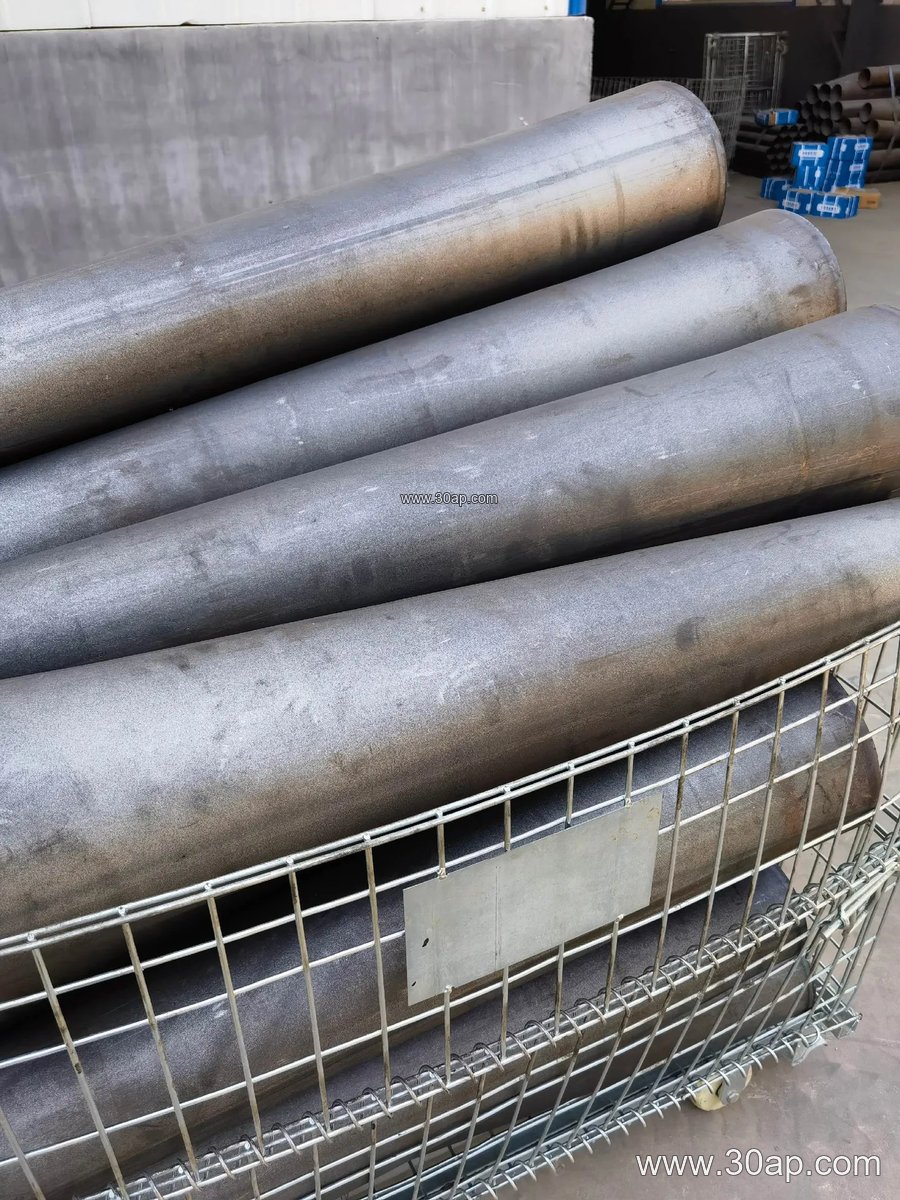
A common misunderstanding is that belt width alone determines shaft diameter. It does not. The shaft diameter depends on the roller diameter, the idler group type, the load per idler, the bearing selected and the fixing method. Roller diameters commonly seen in bulk handling include Ø63, Ø76, Ø89, Ø102, Ø108, Ø127, Ø133, Ø159, Ø178, Ø194 and Ø219 mm. Belt widths range from B400 and B500 up to B2000, B2200 and B2400, and wider belts usually need larger idlers, but the exact shaft size is a design decision.
Roller length also changes with belt width, trough angle and idler arrangement. For a three-roll troughed set, common examples are about 200 mm roll length for B500, 250 mm for B650, 315 mm for B800, 380 mm for B1000, 465 mm for B1200, 530 mm for B1400, 600 mm for B1600, 670 mm for B1800 and 750 mm for B2000. These are reference examples only; side rollers and center rollers may differ, and the shaft length must follow the actual bracket spacing.
Selection Notes for Buyers
When ordering an idler shaft, give the roller diameter, the bearing number, the shaft length, the end form and the required surface protection. State the application as well, because a dusty coal yard, a wet sand and gravel plant and a hot clinker line place different demands on sealing and lubrication. A shaft that fits a standard carrying idler may not suit an impact idler or a return roller with a different bearing housing.
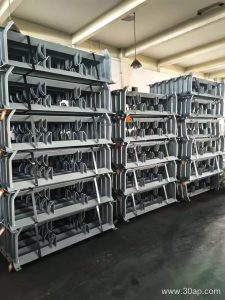
For replacement work, compare the old shaft carefully: journal diameter, overall length, flat position and groove location. A shaft that is slightly too long may not seat in the conveyor bracket, while a worn journal can allow the bearing inner ring to spin. Keeping a small stock of common shafts and idler rollers can reduce downtime on a busy conveyor line. For conveyor belt and roller enquiries, visit budingconveyorbelt.com to check related components such as the conveyor pulley, idler roller and conveyor bracket.