What a Ceramic Rubber-Lined Pulley Is
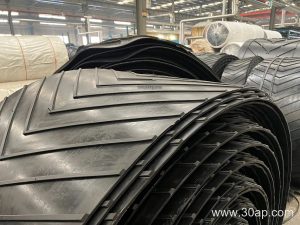
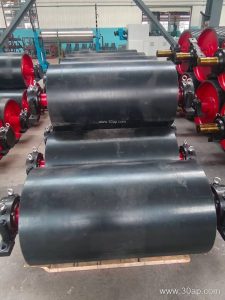
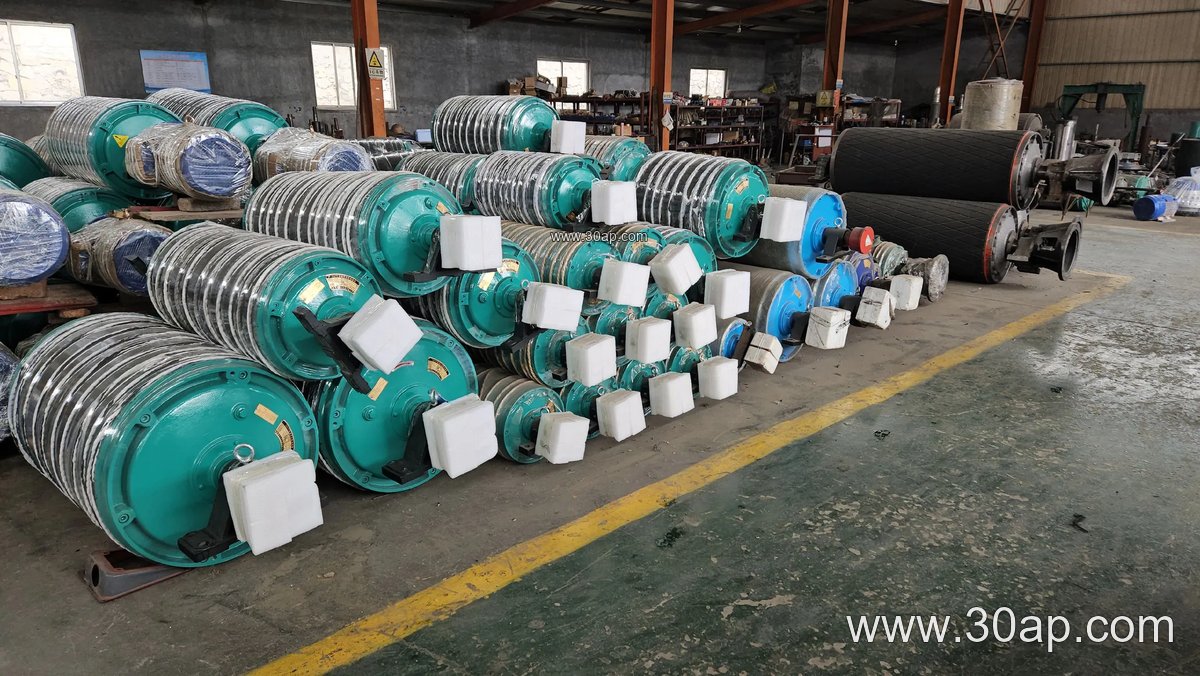
A ceramic rubber-lined pulley is a conveyor pulley whose shell is covered with rubber that contains embedded ceramic tiles. This combination gives the pulley a high-friction surface that grips the conveyor belt while resisting abrasive wear. The product is also known as a ceramic lagged pulley or ceramic rubber lagging pulley, and it is used where slip and wear are constant concerns. In a typical bulk handling line, this pulley works together with the conveyor belt and idler roller to keep material moving efficiently.
Construction and Surface Design
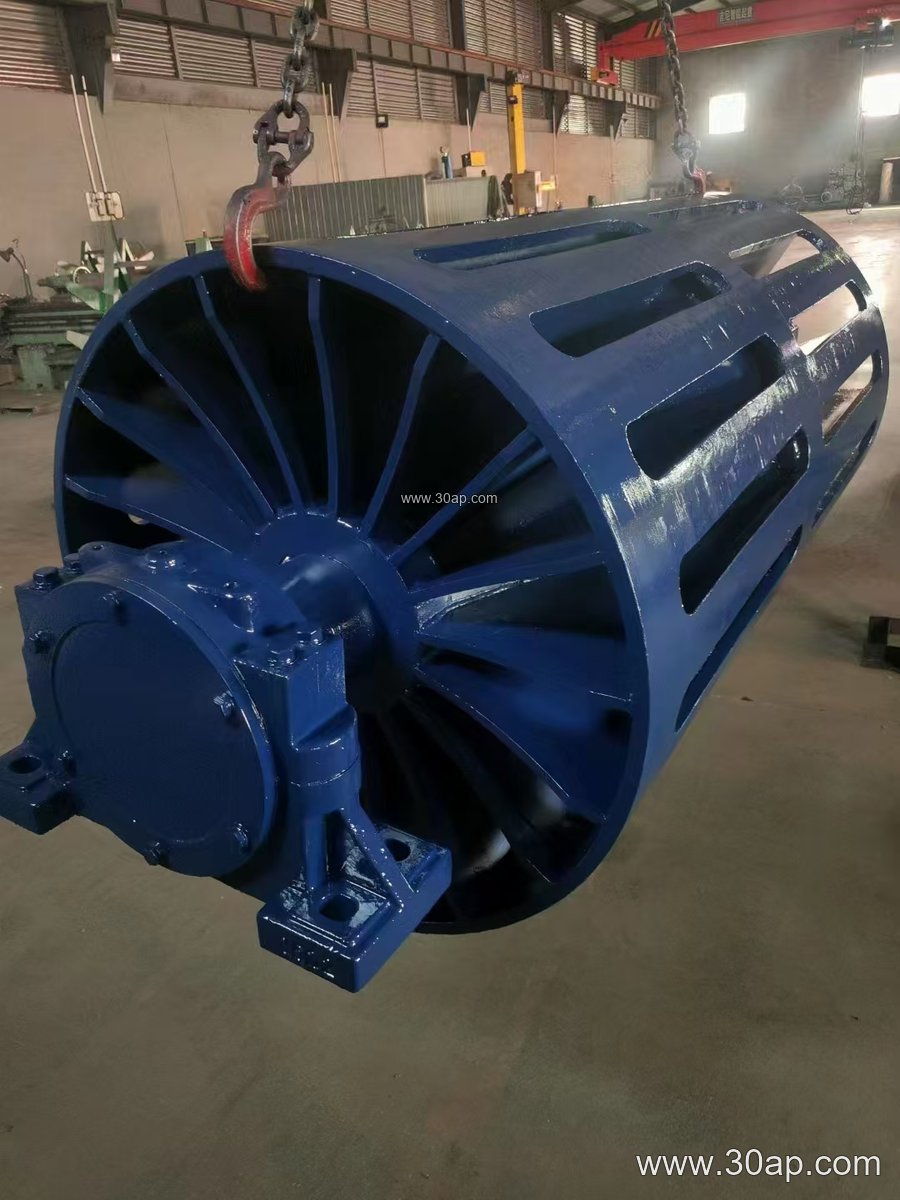
The pulley body is usually a welded steel drum with a shaft, hubs, and bearing housings. Around the drum, a rubber layer is bonded and then fitted with ceramic tiles in a pattern that improves grip. Common surface forms include ceramic lagging with diamond or rectangular tiles, and the rubber base may be applied by hot vulcanization or cold bonding. Lagging thickness often ranges from 8 mm to 20 mm, depending on the duty. The ceramic elements are not a replacement for the rubber; they work together to provide traction and wear protection.
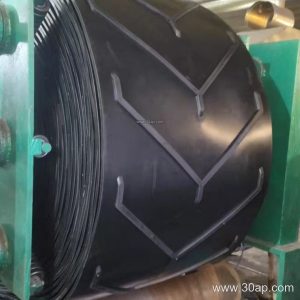
Other surface options exist, such as plain, diamond rubber, and herringbone lagging, but the ceramic rubber-lined version is chosen when abrasive material and wet conditions shorten the life of standard rubber. For example, a drive pulley with ceramic lagging can maintain torque transmission better than a plain steel drum in a dusty quarry line.
Where It Is Used
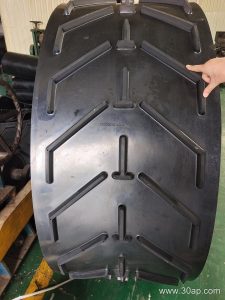
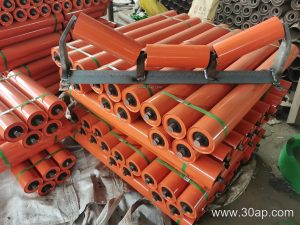
These pulleys appear in abrasive and demanding environments. In a limestone quarry or a sand and aggregate plant, fine dust and sharp particles quickly wear ordinary lagging. A ceramic rubber-lined pulley on the drive or tail position helps maintain belt contact and reduces maintenance stops. In a coal preparation plant, the pulley must handle both abrasion and occasional wet conditions, and ceramic lagging offers reliable grip without excessive belt stress. Other suitable sites include cement clinker lines, power plant coal handling, and iron ore transfer points. The pulley is often paired with an abrasion resistant conveyor belt, such as an EP200 or EP300 fabric core belt, and supported by heavy-duty idler rollers and sturdy conveyor brackets.
Key Selection Factors
Buyers should match the pulley to the conveyor duty, not simply to belt width. Common belt widths include B650, B800, B1000, and B1200, and pulley diameters may range from Ø400 to Ø1000 or larger. A B800 belt might use a Ø500 pulley in one layout and a Ø630 pulley in another, depending on belt tension and wrap angle. Shaft diameter is determined by torque and load, with common sizes such as Ø80, Ø100, or Ø120. The table below gives reference combinations; these are examples, not fixed rules.
| Belt Width (mm) | Example Pulley Diameter (mm) | Example Shaft Diameter (mm) | Typical Lagging Thickness (mm) |
|---|---|---|---|
| B800 | Ø500 | Ø80 | 10 |
| B1000 | Ø630 | Ø100 | 12 |
| B1200 | Ø800 | Ø120 | 15 |
| B1400 | Ø1000 | Ø140 | 15 |
Note that pulley face width is usually greater than belt width, for example about 950 mm for B800 and about 1150 mm for B1000. Always confirm the actual dimensions with the conveyor design.
Installation and Maintenance Notes
Correct installation matters. The pulley should be aligned with the conveyor frame so the belt runs centered. Ceramic lagging adds a small amount to the drum diameter, so check clearance and belt tracking after installation. Inspect the ceramic tiles periodically for cracks or missing pieces; damaged tiles can reduce grip and may damage the belt. Keep the pulley surface clean and avoid excessive belt tension, which can shorten lagging life. When replacing a pulley, consider the whole system, including the conveyor belt type and the condition of the idler rollers and brackets.
Buyer Checklist
- Confirm the pulley position: drive, tail, bend, or take-up. Each has different demands.
- Check the conveyor belt specification, such as EP1000 or steel cord ST1600, to ensure compatibility.
- Ask for the lagging thickness and ceramic pattern that suit the material being conveyed.
- Verify shaft diameter and bearing size based on actual load, not just belt width.
- Review the pulley face width and ensure it matches the belt width plus required margin.
For more information on conveyor components, including pulleys, belts, and rollers, visit our site at www.example.com/conveyor-pulley or www.example.com/ceramic-lagged-pulley. A well-selected ceramic rubber-lined pulley can extend service life in abrasive industries such as mining, cement, and power generation, while keeping the conveyor belt running smoothly.