What a Conveyor Equipment Idler Does on the Line
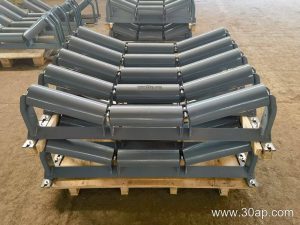
A conveyor equipment idler is the rotating roller assembly that supports the conveyor belt along its carrying and return runs. It carries the weight of the belt and the material, keeps the belt tracking in a stable trough, and reduces friction so the drive only has to overcome the load and the natural flexing of the belt. In a quarry, a coal preparation plant or a cement kiln feed line, dozens to hundreds of these units work together, and their condition directly affects belt life and downtime.
The idler is a simple product in principle but a demanding one in service. Dust, moisture, fines and impact all attack it at once, which is why the details of construction matter more than the outline drawing suggests.
How an Idler Roller Is Built
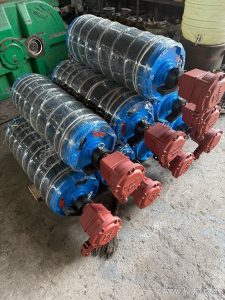
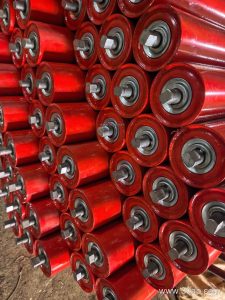
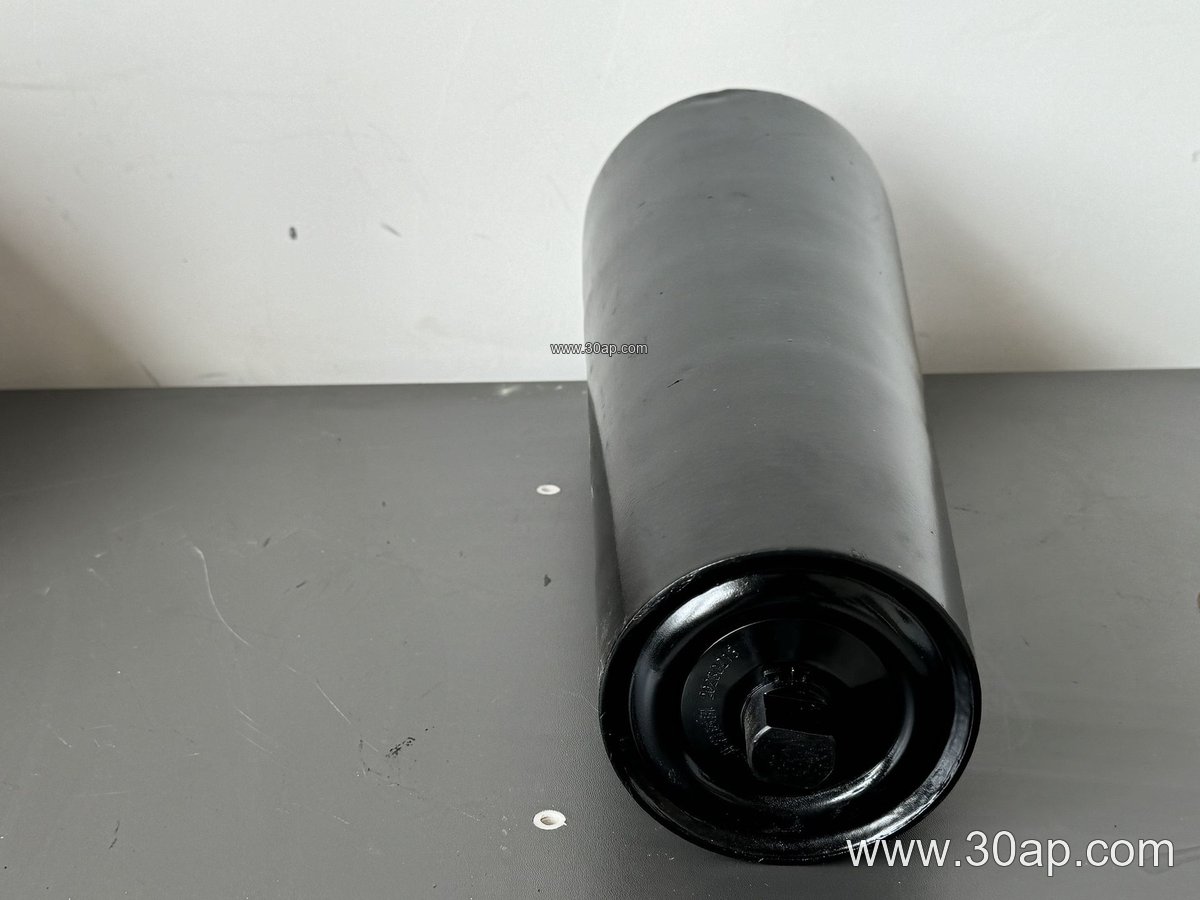
A typical idler roller consists of a steel tube shell, two bearing housings pressed into the tube ends, a shaft that runs through both bearings, and a sealing arrangement at each end. The shell may be plain steel, nylon-coated, ceramic-covered or fitted with rubber rings for impact absorption. Bearings are usually deep-groove ball bearings; common sizes include 6204, 6205, 6305, 6306, 6308 and 6310, matched to the roller diameter and load rather than to belt width alone.
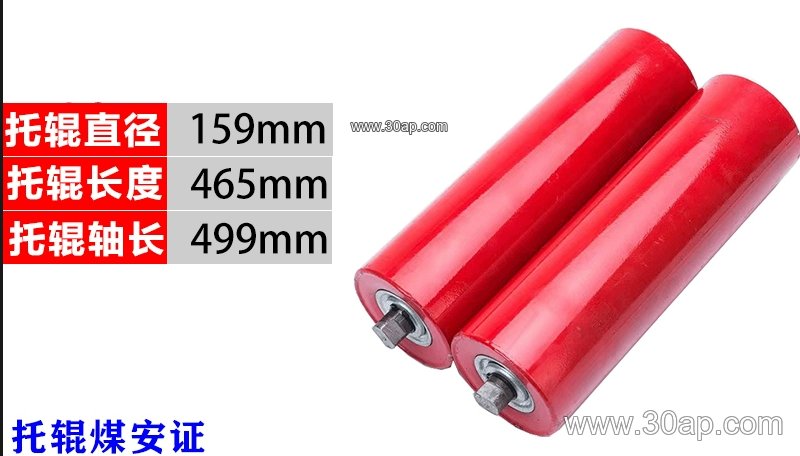
Sealing is the quiet hero of the design. Labyrinth seals, felt seals and contact lip seals are combined in different ways depending on the dust and water exposure. A well-sealed idler keeps grease in and grit out, and that is usually what separates a long-service roller from one that seizes within a season.
Common Idler Types and Where They Sit
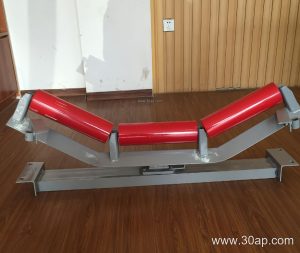
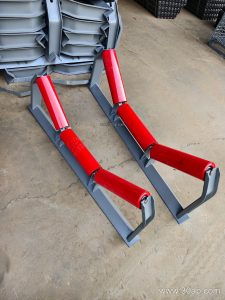
The carrying run is normally supported by three-roll troughing sets, with a trough angle of 20, 30, 35 or 45 degrees depending on the material’s angle of repose and the belt width. Impact zones below a crusher or transfer chute use impact idlers or rubber-ring impact idlers. The return run uses flat return idlers or V-return idlers, and self-aligning idlers, including friction and tapered types, help correct belt wander on long conveyors.
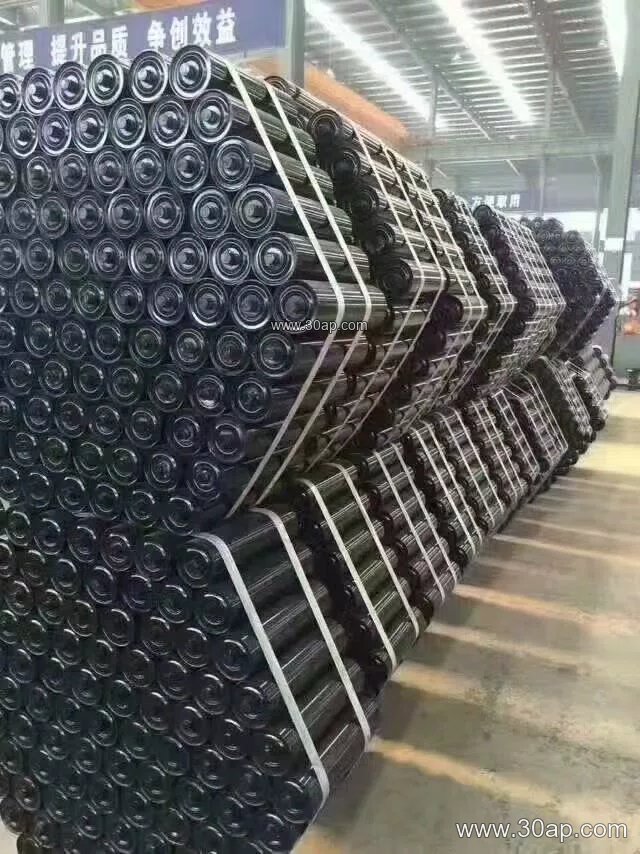
- Troughing idlers: main carrying support, usually in three-roll sets.
- Transition idlers: ease the belt from flat to troughed profile near pulleys.
- Impact idlers: absorb shock at loading points.
- Return and V-return idlers: support the empty belt.
- Self-aligning idlers: assist tracking on long or misaligned runs.
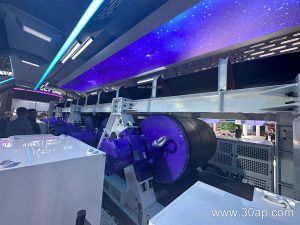
These are not interchangeable with the conveyor pulley at the head, tail or bend position; pulleys transmit drive and change belt direction, while idlers only support and guide.
Matching Roller Diameter, Belt Width and Roll Length
Roller diameter is chosen from belt speed, load and the space available. Common diameters include 63, 76, 89, 102, 108, 127, 133, 159, 178, 194 and 219 mm. Belt widths range from B400 up to B2400 in many plants. Roll length follows belt width, trough angle and the idler set form; for a three-roll troughing set, typical roll lengths are around 200 mm for B500, 250 mm for B650, 315 mm for B800, 380 mm for B1000, 465 mm for B1200, 530 mm for B1400, 600 mm for B1600, 670 mm for B1800 and 750 mm for B2000. Side rolls and centre rolls can differ, and the figures are examples rather than fixed pairings.
| Item | Common reference values |
|---|---|
| Roller diameter | 63, 76, 89, 102, 108, 127, 133, 159, 178, 194, 219 mm |
| Belt width | B400 to B2400 |
| Trough angle | 20, 30, 35, 45 degrees |
| Bearing sizes | 6204, 6205, 6305, 6306, 6308, 6310 |
| Roll surface | Steel, nylon, ceramic, rubber ring |
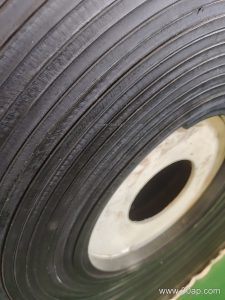
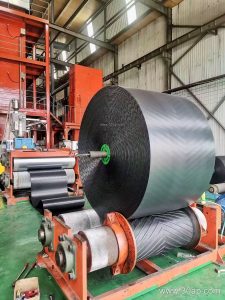
On a heavy-duty mining conveyor belt carrying ore, larger diameters and thicker shells are common; on a lighter aggregate conveyor belt, smaller rollers may be sufficient. The belt itself, whether an EP conveyor belt, a steel cord conveyor belt or a flame retardant conveyor belt for underground coal mining, sets the load and safety requirements the idlers must respect.
Applications Across Bulk Handling Industries
Idlers appear wherever a belt runs. In a limestone quarry or sand and aggregate line they support crusher discharge and screening feed belts. In a power plant coal yard they carry coal on long inclined runs. In a cement plant they handle clinker, raw meal and additives. Port ship loaders and stackers use large-diameter rollers on high-tonnage boom conveyors. The same hardware also appears in fertilizer plants and grain terminals, where sealing and material build-up need attention.
For more on matching rollers with belts and pulleys, see https://www.jsf-conveyor.com/conveyor-equipment-idler and the belt guidance at https://www.jsf-conveyor.com/ep-conveyor-belt.
What Buyers Should Check Before Ordering
Start with the duty: belt width, speed, material density and the loading method. Confirm the trough angle and whether the set is two-roll or three-roll. Ask about shell thickness, bearing size and seal type, because these determine service life more than appearance. Check that the shaft ends and mounting flats fit the existing conveyor bracket. For impact positions, specify rubber-ring or impact idlers rather than standard troughing rolls. Finally, keep a small spare stock of the most-used sizes; replacing a seized roller early protects the belt and avoids a much larger repair.