What the ST1000 Conveyor Belt Is
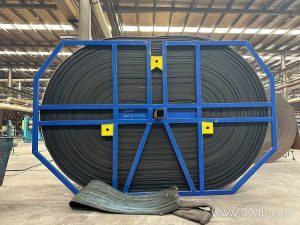
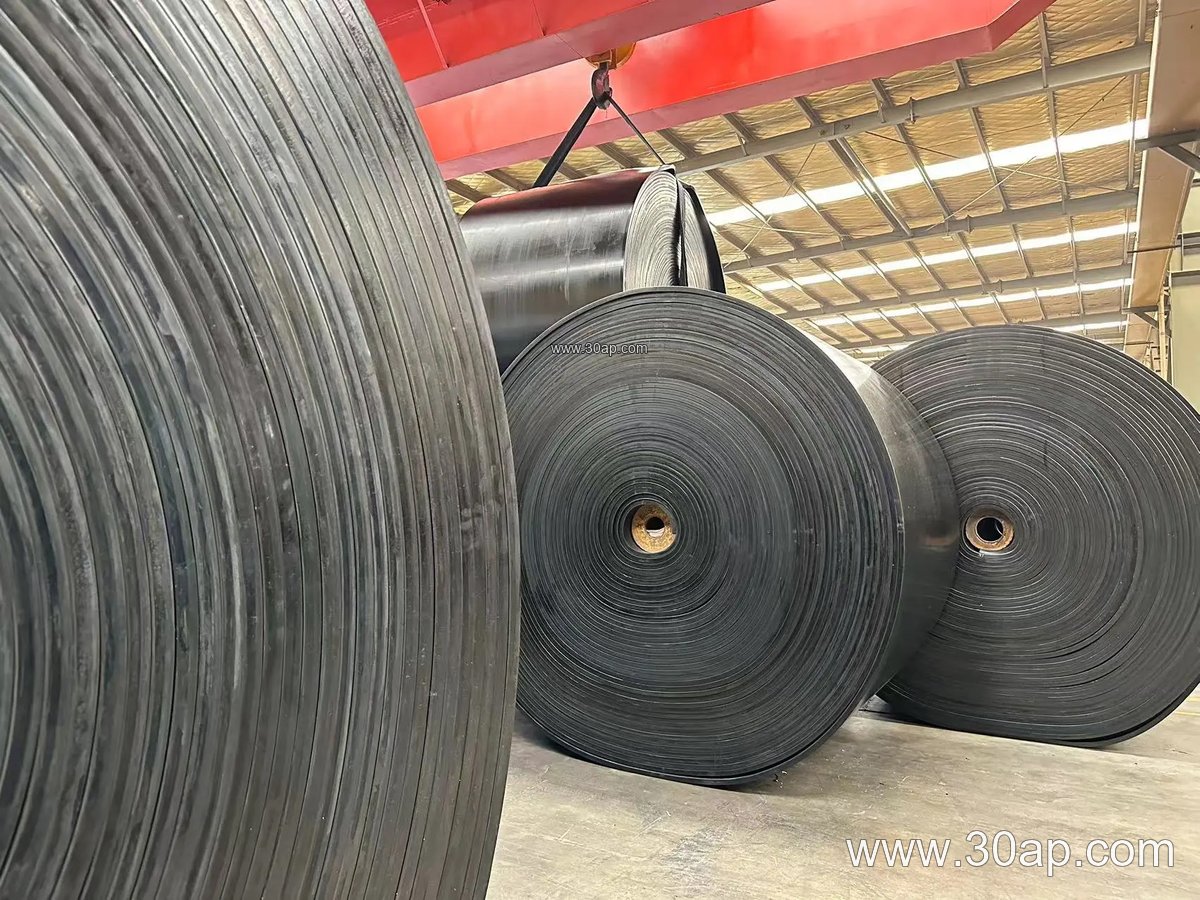
The ST1000 Conveyor Belt is a steel cord conveyor belt with a nominal tensile strength of 1000 N/mm. It belongs to the steel cord family, where high-carbon steel cables run longitudinally through the rubber to carry heavy loads over long distances. Unlike fabric-core belts, which rely on woven plies, the ST1000 uses steel cords as the tension-bearing element, making it suitable for high-capacity haulage in mining, cement, power generation, and port handling.
In the steel cord range, common strength grades include ST630, ST800, ST1000, ST1250, ST1600, ST2000, ST2500, and ST3150. The ST1000 sits in the mid-range, often chosen for main haulage lines where a balance between strength and flexibility is needed. It is not a replacement for fabric-core belts such as EP Conveyor Belt or NN Conveyor Belt, but rather a different construction for heavier duty.
Construction and Key Components
The belt consists of steel cords embedded in a rubber matrix, with top and bottom cover rubber protecting the carcass. The cords are arranged in a single plane, spaced evenly, and bonded to the rubber through a vulcanization process. Cover rubber grades are selected for the operating environment: abrasion resistant for sharp rock, heat resistant for clinker or sinter, flame retardant for coal mining, oil resistant for oily materials, and cold resistant for low-temperature sites.
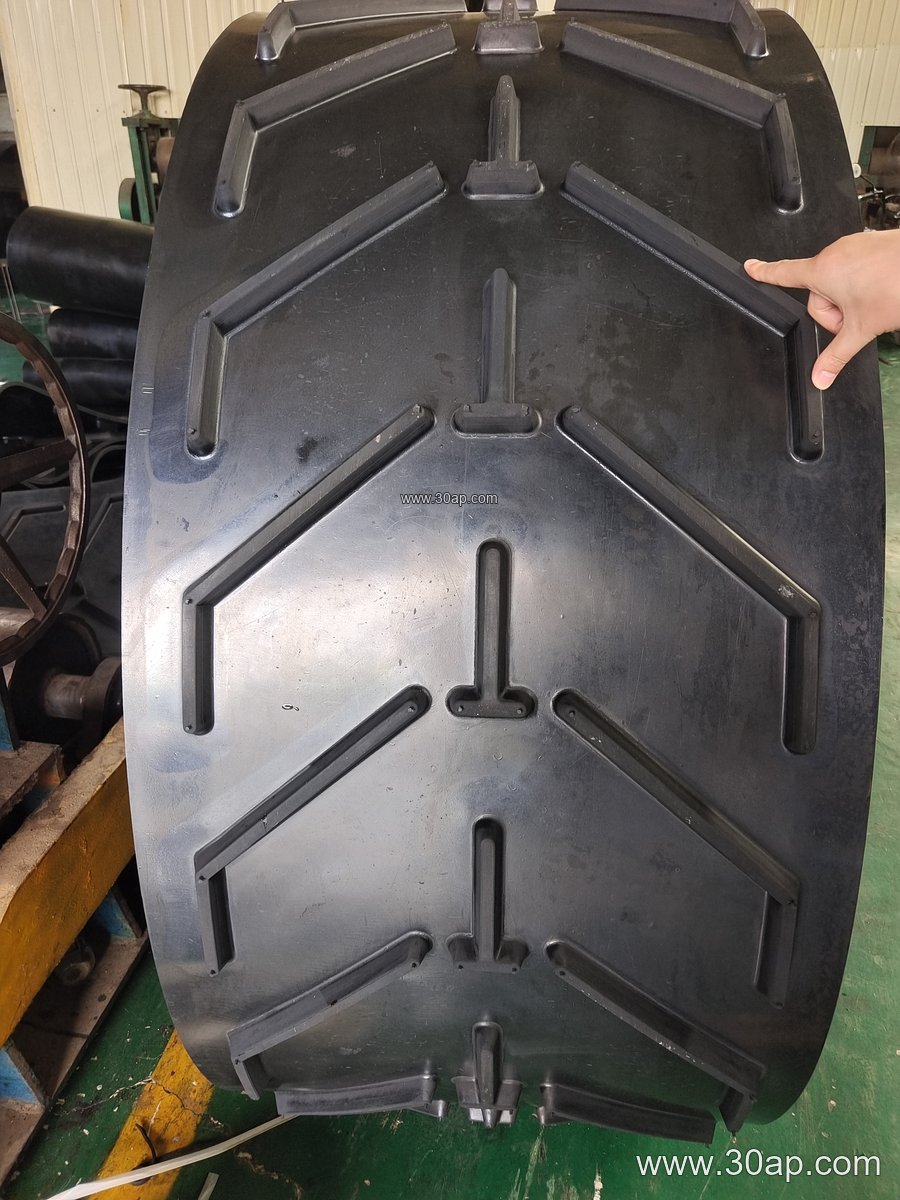
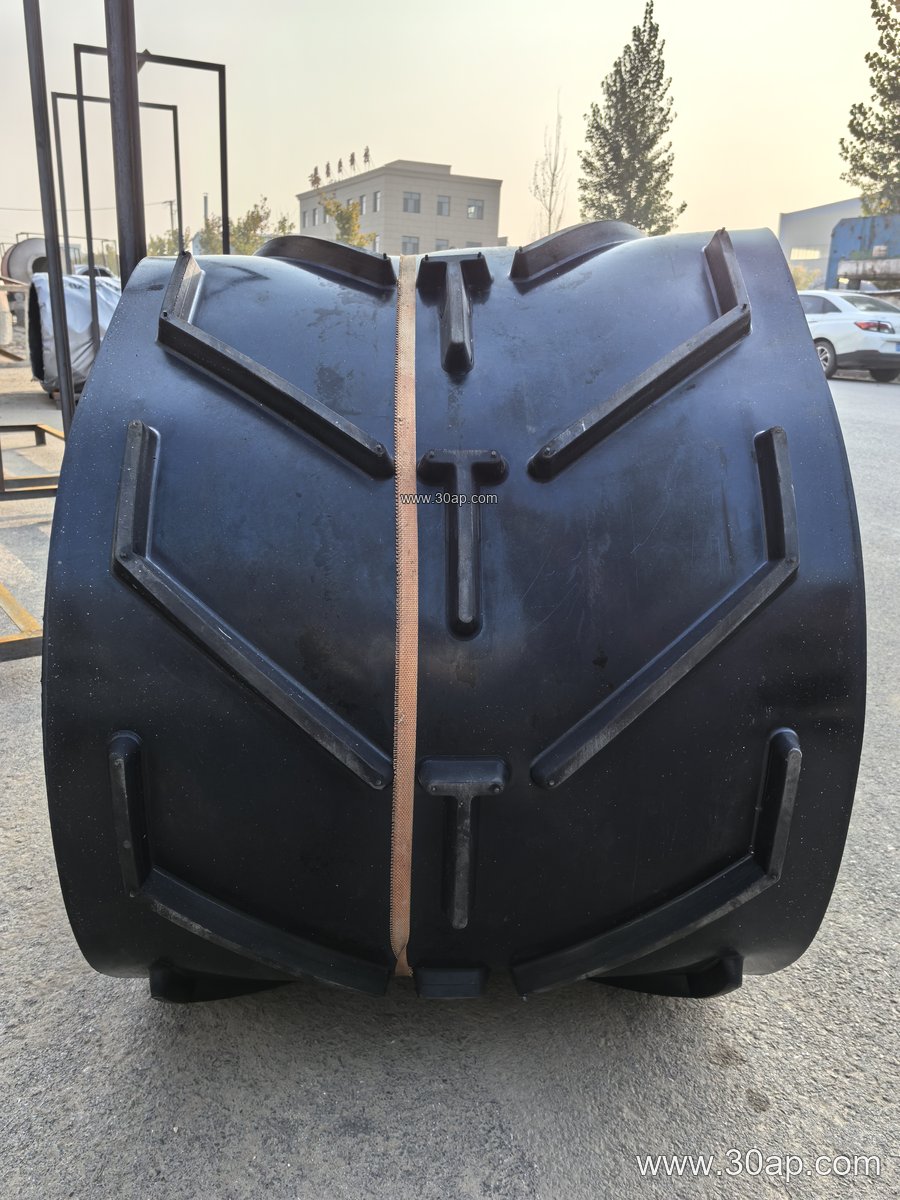
Typical cover thicknesses are expressed as top + bottom, for example 6+2 mm, 8+3 mm, or 10+4 mm. The ST1000 belt is often supplied with covers in the 6 mm to 12 mm range on the carrying side, depending on impact and wear. Belt widths usually follow standard ranges such as 800 mm, 1000 mm, 1200 mm, 1400 mm, 1600 mm, 1800 mm, and 2000 mm. The belt edge can be plain or fitted with a corrugated sidewall for steep inclines.
Where It Fits in the System
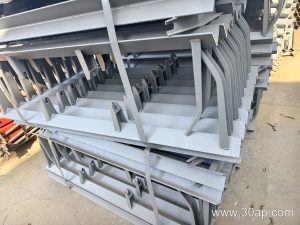
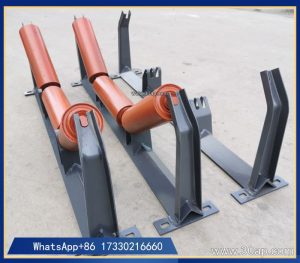
The ST1000 Conveyor Belt runs over a conveyor pulley at the head and tail, supported by idler roller sets along the carrying and return sides. The pulley diameter and shaft size are determined by the belt’s cord diameter, tension, and the conveyor design, not by belt width alone. Conveyor bracket and frame dimensions must match the pulley and idler mounting. In a typical bulk material conveyor, the belt works with a drive pulley, a tail pulley, and bend pulleys, each selected for the load and belt path.
Because the steel cords carry high tension with low elongation, the ST1000 is common in long overland conveyors, underground mining drifts, and plant-to-stockpile lines. It handles iron ore, copper ore, coal, limestone, clinker, and aggregates. In coal mining, a flame retardant and anti-static version is often specified; in cement plants, heat resistant grades are used near kilns; in ports, the belt may run on ship loading conveyors with high capacity.
Specifications and Selection Notes
Buyers should confirm the following when specifying an ST1000 Conveyor Belt:
- Belt width and cover thickness (e.g., 1200 mm wide, 8+3 mm covers)
- Steel cord diameter and pitch, which affect pulley diameter and splice length
- Cover rubber grade: abrasion resistant, heat resistant, flame retardant, oil resistant, or cold resistant
- Belt construction: open-end or endless, with splice type and cure method
- Operating tension, speed, and load profile
Reference data for steel cord belts often lists ST1000 with cord diameters around 4 mm to 5 mm, but actual values vary by manufacturer. A wider belt does not automatically mean a larger pulley; the pulley diameter is matched to the cord diameter and tension rating. For comparison, an EP1000 Conveyor Belt uses fabric plies and may suit shorter conveyors where steel cord is not necessary.
Maintenance and Buyer Tips
Steel cord belts are sensitive to edge damage and cord exposure. Regular inspection of the belt surface, edges, and splice helps avoid moisture ingress that can corrode cords. Keep the idler roller rotating freely and check pulley lagging for wear. A misaligned belt can damage the edge and reduce service life. When replacing a belt, verify the splice kit matches the cord type and that the pulley and take-up have enough travel for the new belt.
For harsh industries such as mining, quarry, and cement, an abrasion resistant or impact resistant cover extends life. In underground coal mining, flame retardant and anti-static properties are usually required by site rules. The ST1000 Conveyor Belt is one grade in a broader steel cord range, so selection should start from the conveyor’s tension and duty, not from a single size. For more information on steel cord and fabric belts, visit our site at www.example.com/steel-cord-conveyor-belt or www.example.com/conveyor-belt.