What a Labyrinth-Sealed Idler Does
A labyrinth-sealed idler is a conveyor roller whose bearing housing uses a non-contact labyrinth seal to keep out dust, grit, and moisture. You will see it on aggregate conveyors, coal handling lines, and cement plant transfer points where fine particles and washdown water attack ordinary seals. The labyrinth seal creates a tortuous path that contaminants must travel, while allowing the roller to spin freely. This makes the labyrinth-sealed idler a practical choice for abrasive and dirty environments, especially when paired with a heavy-duty conveyor belt.
How the Seal and Roller Are Built
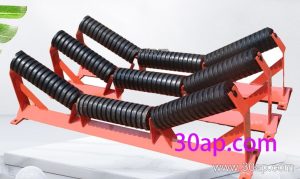
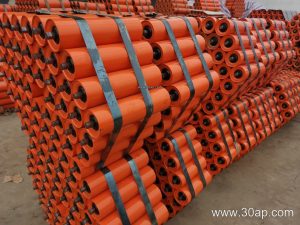
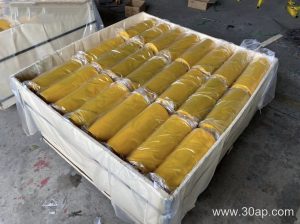
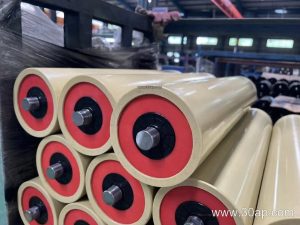
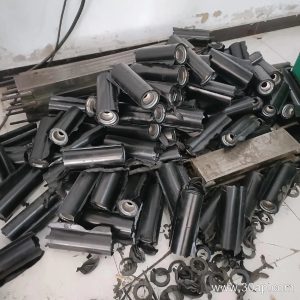
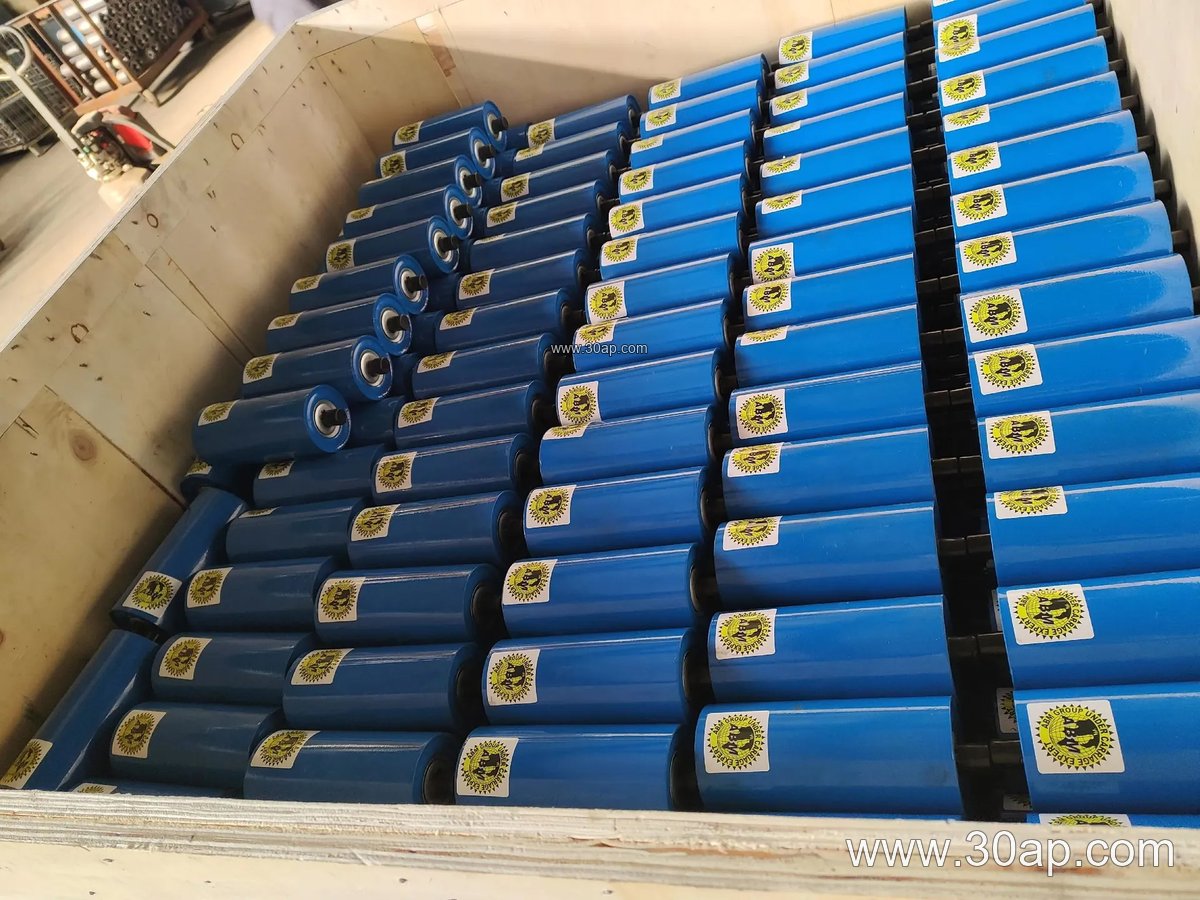
The seal is usually formed by interlocking metal or plastic rings that do not rub against each other. This reduces friction and heat, which helps extend bearing life. The roller body is commonly a steel tube with machined bearing seats, and the shaft is fixed to the conveyor bracket. Bearing sizes vary with load and diameter; common bearings include 6204, 6205, 6305, and 6308. The roller surface can be plain steel, nylon, or rubber-covered depending on whether you need abrasion resistance or material build-up control. A labyrinth-sealed idler is often used as a carrying idler in three-roll trough sets, but it can also appear in return positions where dust is heavy.
Where It Fits in the Conveyor Line
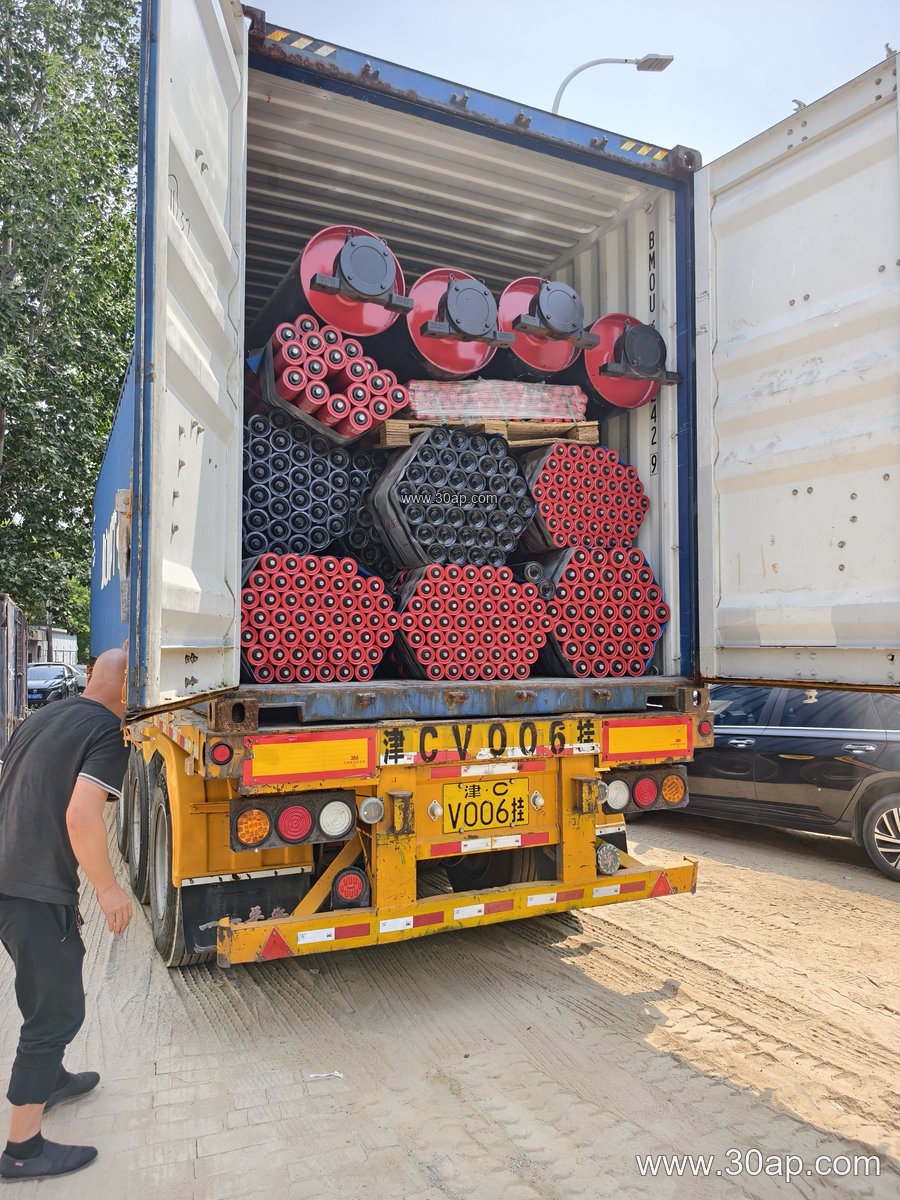
You will find these idlers in quarry and sand and gravel operations, power plant coal yards, and cement plants. They are also common in iron ore and copper ore handling, where fine dust and moisture shorten the life of simple seals. In a typical trough set, the idler supports the conveyor belt and keeps it aligned. The labyrinth seal is especially useful on the return side, where the belt may carry sticky fines. If the application also needs impact resistance at the load point, a buffer idler may be used nearby, but the labyrinth-sealed idler remains the main subject for general carrying and return service.
Common Sizes and Configurations
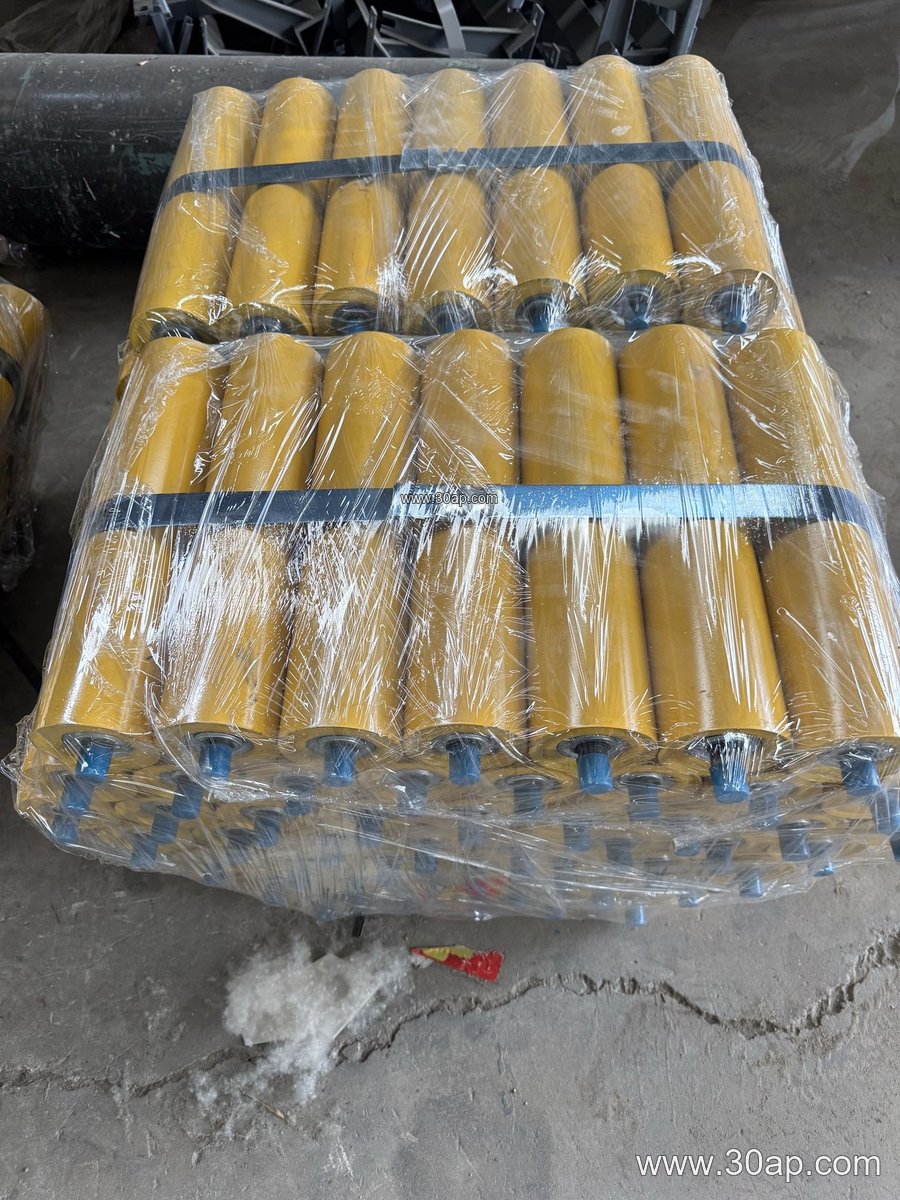
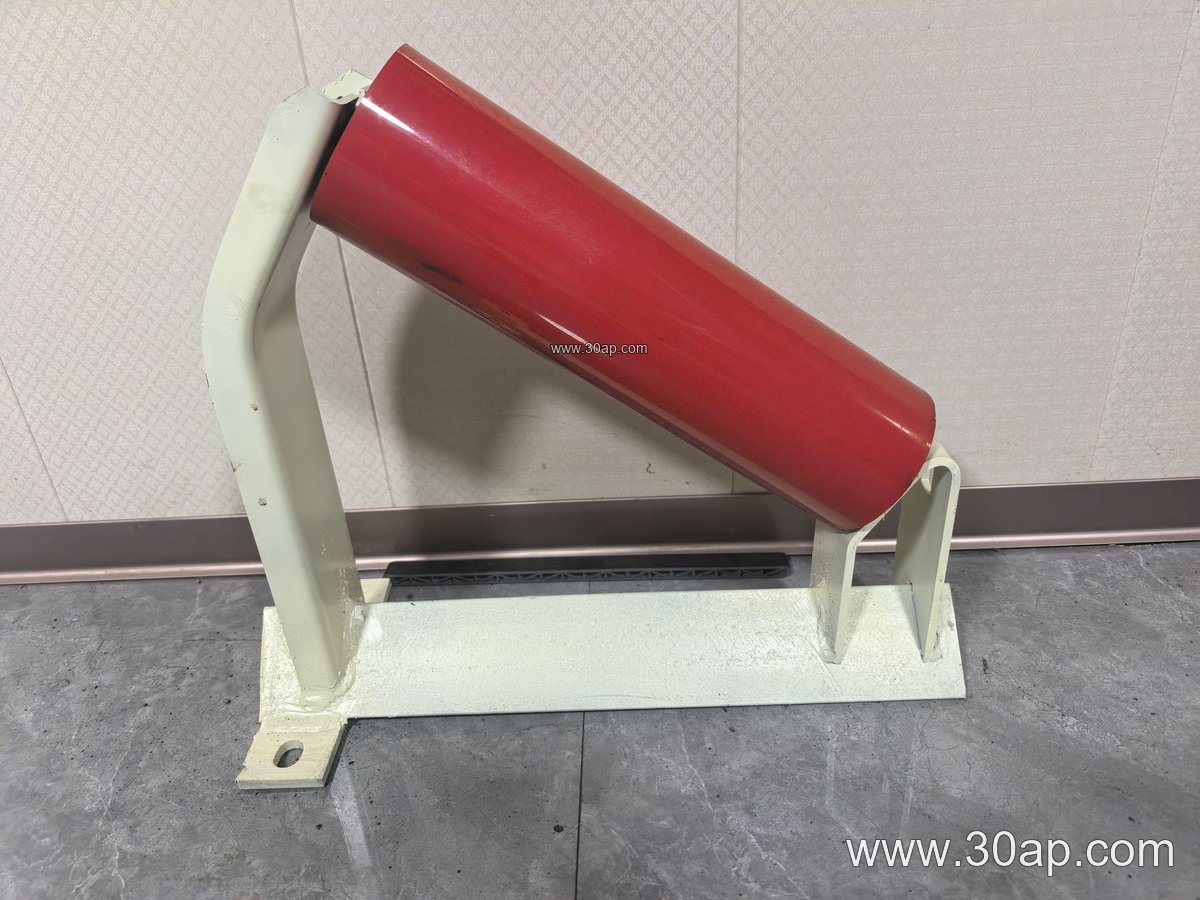
Labyrinth-sealed idlers are available in many roller diameters and belt widths. The table below shows common reference values; final selection depends on belt width, trough angle, and load. These are not fixed pairings, and a given belt width can use different roller diameters.
| Parameter | Common Reference Values |
|---|---|
| Roller diameter | Ø63, Ø76, Ø89, Ø102, Ø108, Ø127, Ø133, Ø159, Ø178, Ø194, Ø219 mm |
| Belt width | B400, B500, B650, B800, B1000, B1200, B1400, B1600, B1800, B2000, B2200, B2400 |
| Trough angle | 20°, 30°, 35°, 45° |
| Roller surface | Steel tube, nylon, ceramic, rubber ring |
| Bearing | 6204, 6205, 6305, 6306, 6308, 6310 |
For example, a three-roll trough set on a B800 belt often uses a roller length around 315 mm, but side rollers and center rollers can differ. A B1000 belt may use about 380 mm rollers. These are common examples, not mandatory dimensions. Always confirm roller length, shaft diameter, and bearing type with the conveyor design.
Buyer Checklist
- Confirm the belt width and trough angle, since these affect roller length and mounting.
- Check the ambient conditions: dust, water, and temperature. A labyrinth-sealed idler suits dusty and wet service, but extreme heat may require a heat resistant conveyor belt and special bearing lubrication.
- Match the roller diameter to the load and belt speed. Larger diameters run cooler and last longer in heavy-duty mining conveyor belts.
- Verify the shaft and bracket dimensions. The idler must fit the existing conveyor bracket without modification.
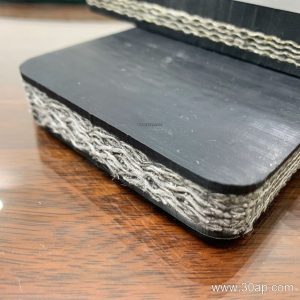
- Consider the belt type. A steel cord conveyor belt or multi-ply fabric core conveyor belt may need different idler spacing and load ratings.
Maintenance and Selection Notes
Labyrinth seals do not require greasing in many designs, but you should still inspect for wear and contamination during routine shutdowns. Listen for noisy bearings and check for roller wobble. In coal mining conveyor belts and underground mining conveyor belts, flame retardant and anti-static properties of the belt are important, but the idler itself should be selected for dust exclusion and bearing protection. If the conveyor carries hot material, a heat resistant conveyor belt may be used, and the idler bearing lubricant must match the temperature. For sticky materials, a rubber ring idler can reduce build-up, but the labyrinth seal still provides the main bearing protection. Finally, keep spare idlers on hand for critical drives and tail pulleys, and record the roller diameter and bearing number for each position.