What a Feed Point Impact Idler Does
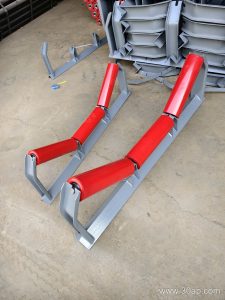
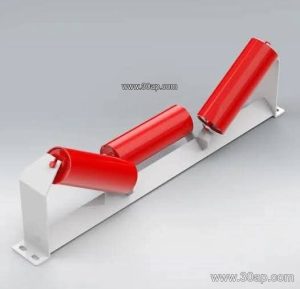
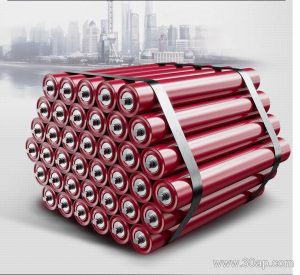
A feed point impact idler is the cushioning roller installed directly under the loading zone of a conveyor, where bulk material drops onto the belt. At that spot the belt takes a concentrated hammering from falling rock, ore, clinker or aggregate. The impact idler absorbs that energy so the belt, the frame and the downstream rollers are protected. In practice it is a heavy-duty impact roller or buffer roller assembly, usually built as a three-roll troughing set with rubber rings or a rubber-covered shell.
Where the material stream is heavy and the drop height is significant, this component is often the difference between a belt that runs for years and one that needs patching within months.
Construction Details That Matter
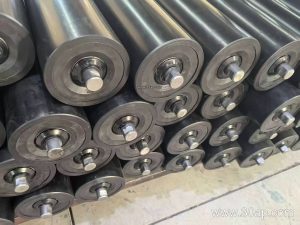
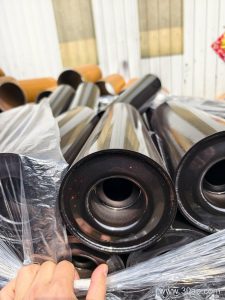
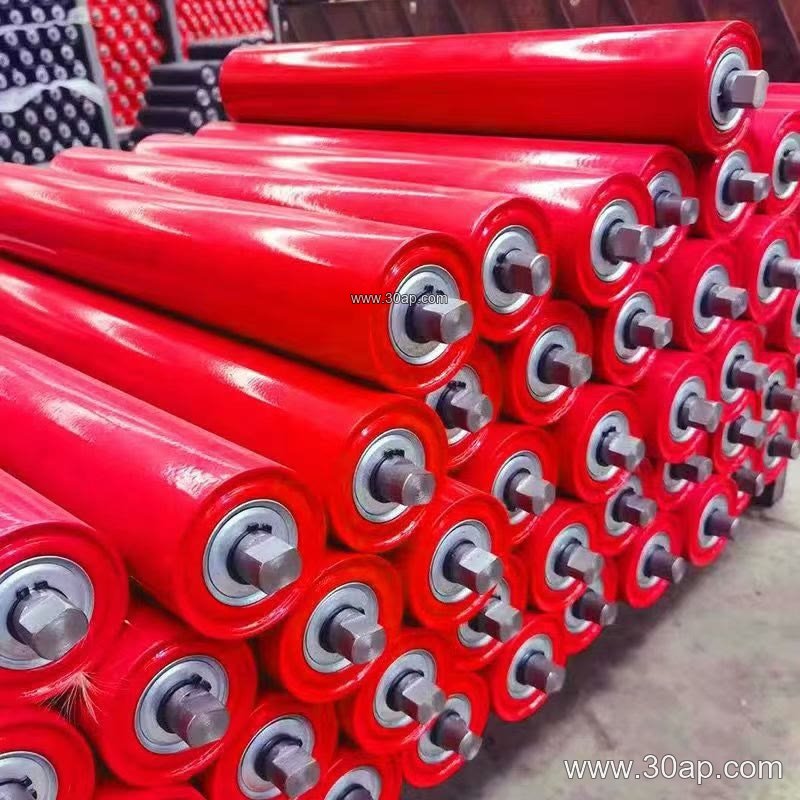
The shell is normally a steel tube fitted with thick rubber rings, or a rubber sleeve bonded to the roller body. The rubber deforms under impact, spreading the load over a longer section of the conveyor belt instead of a single point. Bearings are selected for shock loading rather than pure rotation, and the sealing arrangement has to keep fine dust out of the housing.
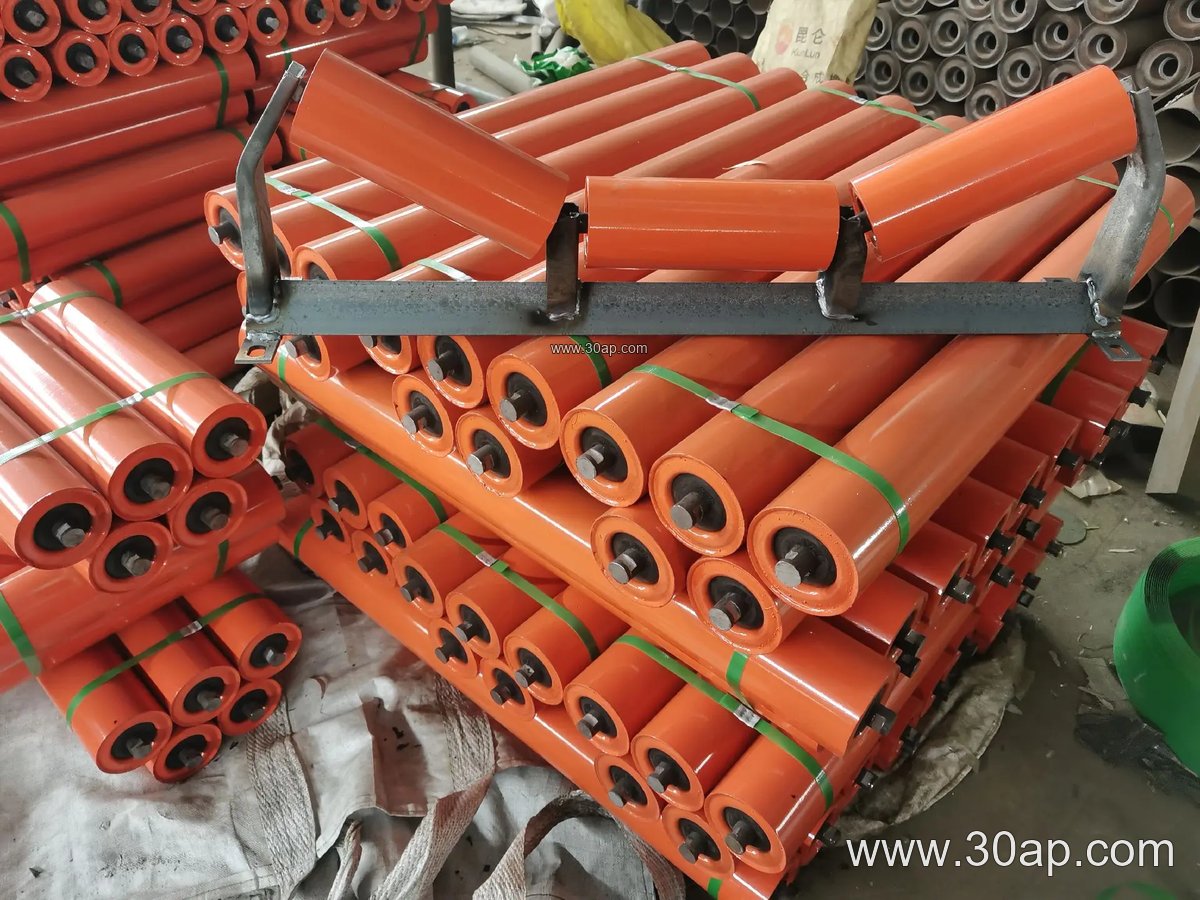
Common shell diameters for this duty include Ø108, Ø127, Ø133, Ø159 and Ø178, with larger sizes such as Ø194 and Ø219 used on wide, high-capacity belts. Bearing sizes are matched to the shaft and load case, typically from 6205 up to 6310 for heavier units. Trough angles are usually 30 or 35 degrees, with 45 degrees seen on some high-volume loading stations.
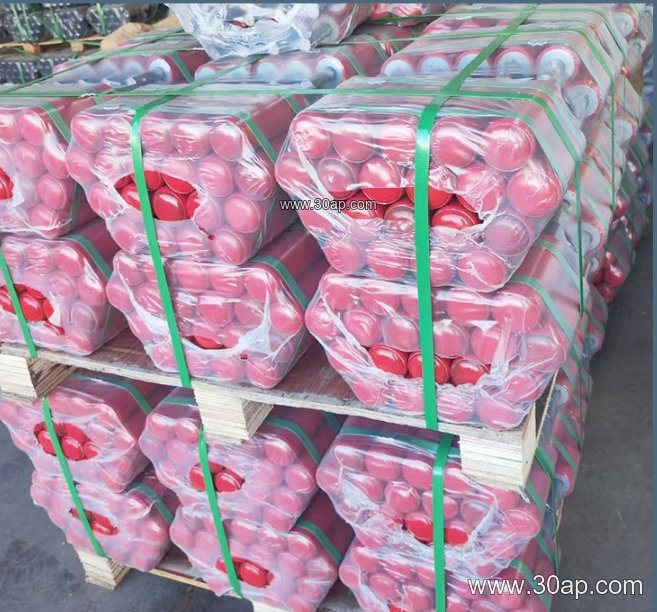
| Item | Typical Range |
|---|---|
| Roller diameter | Ø108, Ø127, Ø133, Ø159, Ø178, Ø194, Ø219 |
| Belt width | B800, B1000, B1200, B1400, B1600, B1800, B2000 |
| Trough angle | 30°, 35°, 45° |
| Roll surface | Rubber ring, rubber sleeve, steel tube |
| Bearing | 6205, 6305, 6306, 6308, 6310 |
Roll length follows belt width and trough form. For a three-roll troughing set, common roll lengths run roughly 315 mm at B800, 380 mm at B1000, 465 mm at B1200 and 530 mm at B1400. The centre roll and side rolls can differ, so these figures are reference points rather than fixed pairings.
Where It Is Used
The loading point of a belt conveyor is the natural home for this roller. In a limestone quarry or a sand and aggregate line, the crusher discharge chute drops stone straight onto the belt, and an impact idler sits in the first frames beyond the skirt. In a coal washing plant or a power station coal yard, the same arrangement handles lump coal and rejects. Cement plants use it under clinker and raw meal transfer points, and iron ore or copper ore terminals rely on it where the drop height cannot be reduced.
It also appears in tunnel muck removal, fertiliser handling and steel plant sinter lines, anywhere a rubber conveyor belt meets a falling stream.
Installation and Comparison Notes
Impact idlers are normally placed in a short group of three to five sets, spaced closely, so the shock is shared. They are mounted on the same conveyor bracket system as standard troughing idlers, which keeps replacement straightforward. A common mistake is to fit a single impact roller and leave standard rollers on either side; the belt then flexes sharply at the transition.
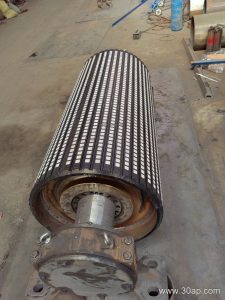
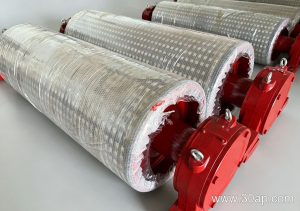
Compared with a standard troughing idler, the impact version has a softer, thicker contact surface and a sturdier bearing housing. It is not a substitute for a return idler or a self-aligning idler, which serve different positions and different problems. Likewise, the conveyor pulley at the drive or tail end performs a separate function and should not be confused with this loading-zone roller.
Buyer Checklist
- Confirm belt width and trough angle before ordering, since roll length and frame geometry follow both.
- State the material type, lump size and approximate drop height; these drive the rubber thickness and roller diameter.
- Check the sealing design for dusty or wet conditions, especially in washing plants and underground workings.
- Ask whether the shell is rubber-ring or rubber-sleeved, as the two behave differently in service.
- Match bearing class to the load, and confirm shaft and bracket dimensions against the existing frame.
- For coal or underground duty, specify flame retardant and anti-static requirements for the belt and surrounding components.
A well-chosen impact idler at the feed point protects the belt, reduces spillage and keeps the whole conveyor line running quietly, which is exactly what the loading zone needs.