What a Stone Crushing Conveyor Belt Does
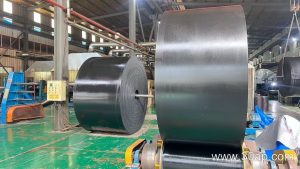
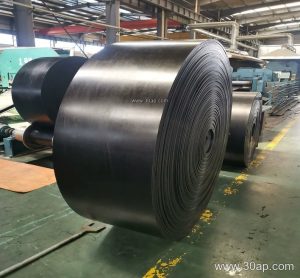
A stone crushing conveyor belt is the heavy-duty link between the crusher and the stockpile. It carries coarse rock, screened aggregate, and dusty fines at high tonnage, often over long distances and steep inclines. In a quarry, sand and gravel plant, or mine, this belt must survive sharp edges, impact at the loading point, and abrasive dust that wears ordinary belting quickly. The right specification keeps the line running and protects the pulleys, idler rollers, and conveyor brackets from unnecessary stress.
Because the material is heavy and angular, most stone crushing conveyor belts are built as multi-ply fabric core or steel cord structures. A common choice is an EP conveyor belt, where polyester warp and nylon weft provide low elongation and good rip resistance. NN conveyor belt constructions are also used where higher flexibility is needed. For very high tension and long center distances, a steel cord conveyor belt offers the strength and low stretch that fabric belts cannot match. Each option is a different product, not a simple swap, and the selection should follow the conveyor design.
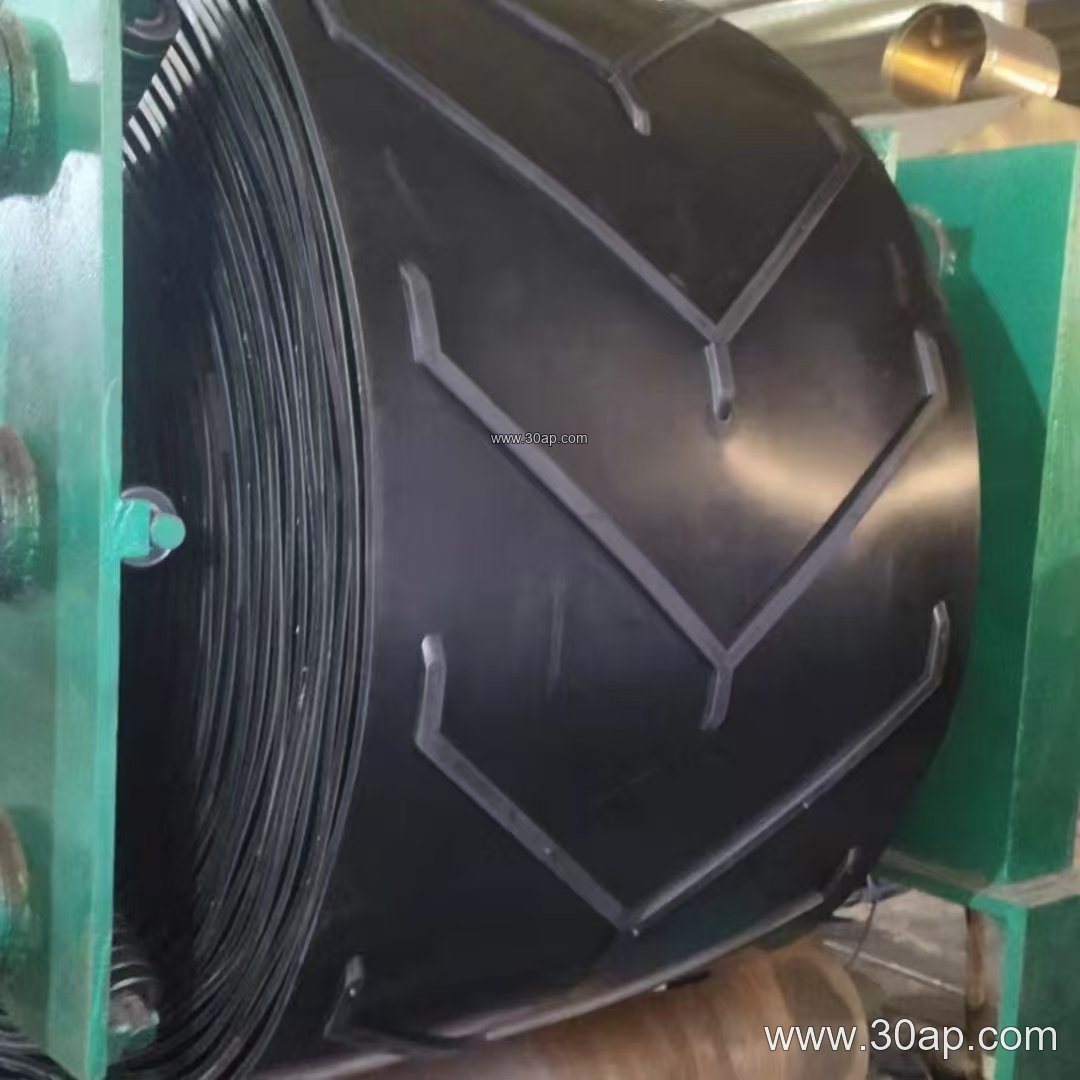
Construction and Cover Compounds
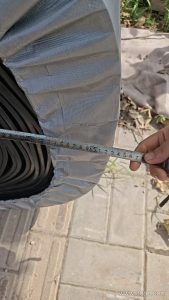
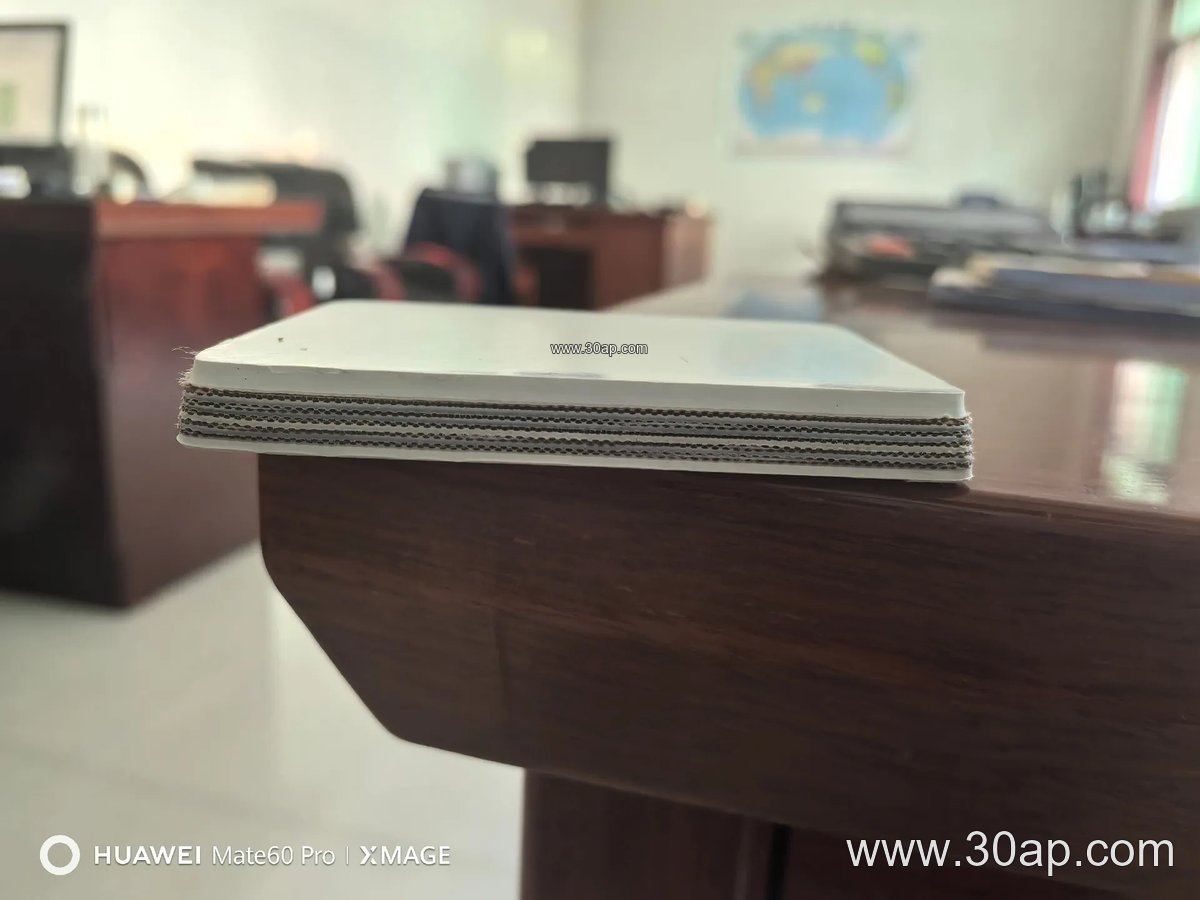
The belt body combines a fabric or steel cord carcass with top and bottom rubber covers. Cover thickness is usually stated as top plus bottom, for example 4+2 mm or 6+2 mm, with 8+3 mm used in severe impact zones. The carcass may have 2 to 6 plies in fabric constructions. Cover quality matters as much as strength: an abrasion resistant conveyor belt compound resists the scrubbing action of crushed stone, while an impact resistant grade absorbs lump impact at transfer points. In dusty or enclosed plants, an anti-static conveyor belt helps control static buildup.
For special service conditions, other cover types are available. A heat resistant conveyor belt is used when conveying hot clinker or processed material, and a flame retardant conveyor belt is specified for underground mining and coal handling. Oil resistant and cold resistant grades appear in recycling and cold-climate operations. These grades are selected for the environment, not as universal upgrades.
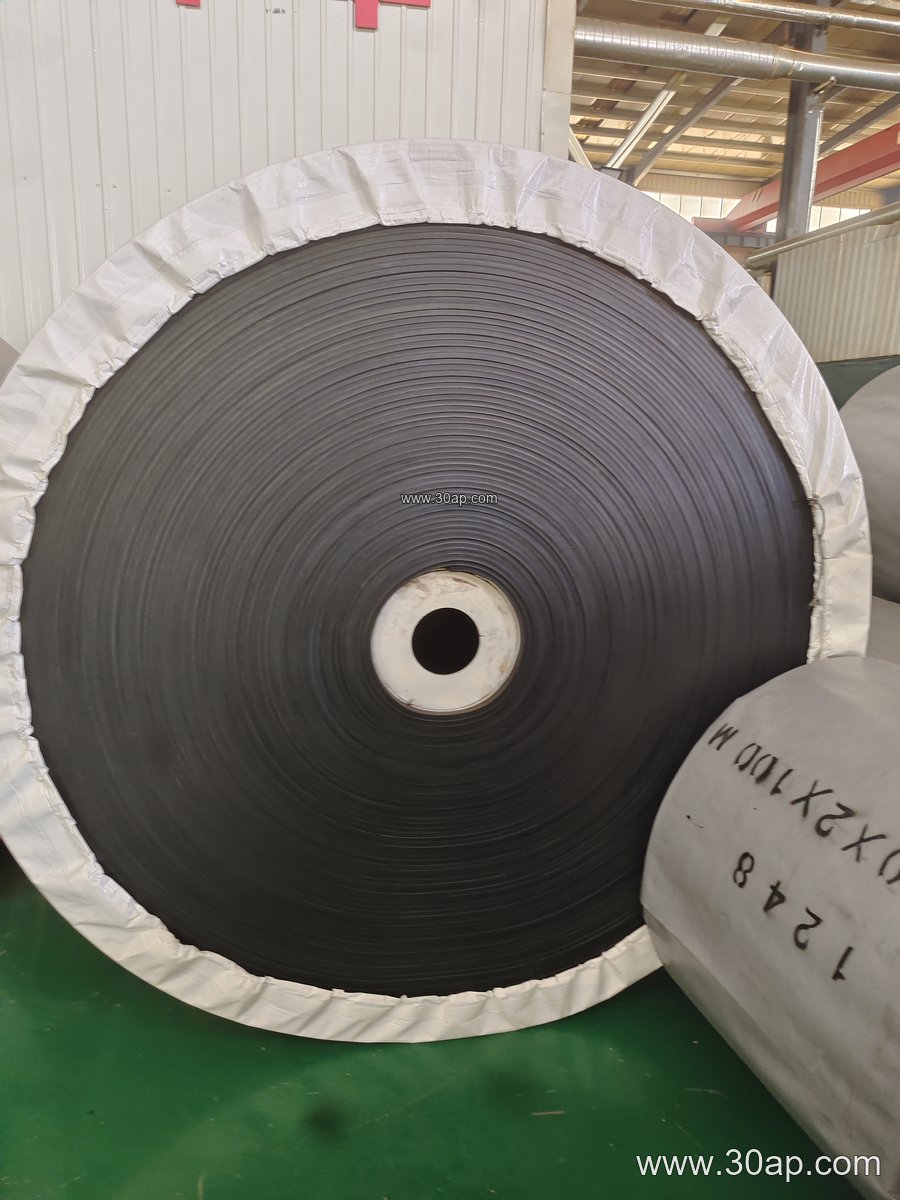
Where It Is Used
Stone crushing conveyor belts appear across mining, quarrying, cement, power, and construction supply chains. Typical duties include primary crusher discharge, screen feed and return, and yard transfer. In a coal mining conveyor belt system, flame retardant properties are often required, while a quarry conveyor belt handling granite or limestone prioritizes abrasion resistance. Cement plants use belts for limestone, clinker, and additives; power plants for coal and ash; steel plants for ore and coke. Portable and stationary plants both rely on the same core principles, though mobile units demand more flexible belting and careful tracking.
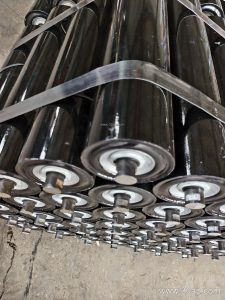
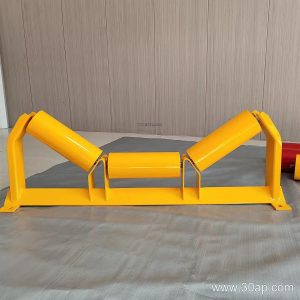
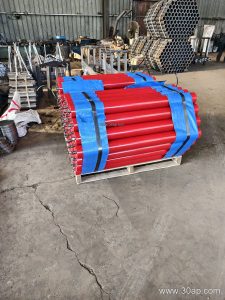
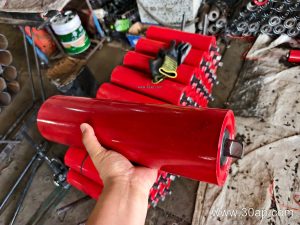
Related components work with the belt: conveyor pulleys drive and redirect it, idler rollers support the loaded strand, and conveyor brackets hold the structure. Drive, tail, and bend pulleys have separate roles and are not interchangeable, so belt tension and pulley selection should be reviewed together.
Common Specifications and Selection Notes
Stone crushing conveyor belts are ordered by width, strength grade, cover thickness, and carcass type. The table below shows common reference values; actual values are determined by conveyor design and manufacturer data.
| Parameter | Common Reference Range |
|---|---|
| Belt width | B500, B650, B800, B1000, B1200, B1400, B1600, B1800, B2000 |
| EP strength grades | EP200, EP315, EP400, EP500, EP630, EP800, EP1000, EP1250, EP1600, EP2000 |
| Cover thickness | 3+1.5 mm, 4+2 mm, 5+2 mm, 6+2 mm, 8+3 mm |
| Fabric plies | 2 to 6 plies, depending on strength grade |
Belt width is not tied to one pulley diameter, and shaft size must be calculated from the actual conveyor load and pulley design. A 1200mm wide belt may run on different pulley sizes in different plants. Buyers should confirm the duty, lump size, drop height, and ambient conditions before choosing a cover grade. For example, a heavy-duty mining conveyor belt with 8+3 mm covers may suit primary crushing, while a 4+2 mm abrasion resistant belt can serve secondary screening.
Buyer Checklist and Maintenance
- Match belt strength to the calculated tension, not to habit or a single width rule.
- Check cover thickness against impact and abrasion at the loading point.
- Confirm flame retardant or anti-static requirements for underground and dusty service.
- Review pulley and idler roller condition before installing a new belt.
- Track belt alignment, splice quality, and edge wear during routine inspections.
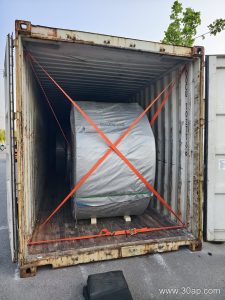
Proper storage, tensioning, and splice care extend service life. A stone crushing conveyor belt is a wear item, but with the right carcass and cover compound it can deliver reliable transfer from crusher to stockpile in mines, quarries, cement works, and power plants. For more on matching belting with conveyor pulleys and idler rollers, see the component data provided by the conveyor designer.