What a Deep Trough Idler Does on a Conveyor
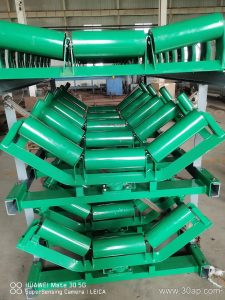
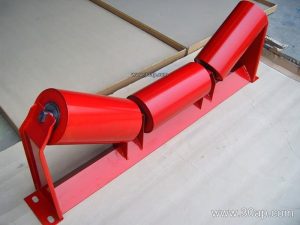
A deep trough idler is a carrying idler set whose side rollers are angled sharply upward, forming a narrow, deep pocket that holds the conveyor belt and its load securely in the center of the line. Where a standard 20 or 30 degree trough keeps bulk material gently contained, the deep trough configuration typically uses 35 or 45 degree trough angles to pinch the belt into a deeper U shape. This is the practical answer when a quarry conveyor, a cement plant clinker line, or a power plant coal handling system has to move a wide, fast stream of material without spillage along the edges.
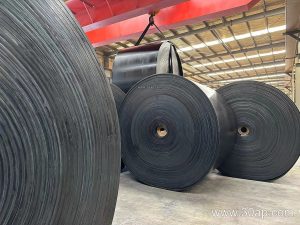
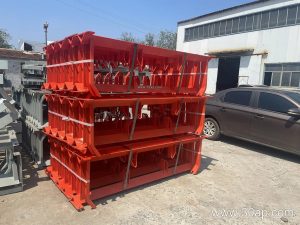
The deep trough idler is not a pulley. It is a rotating roller assembly mounted on the carrying side of the conveyor, supported by a conveyor bracket or frame, and it works together with the conveyor belt, the drive pulley, the tail pulley, and the return idlers to keep a continuous material flow. For a plant handling abrasive rock or wet aggregate, pairing a properly troughed idler set with a heavy-duty abrasion resistant conveyor belt is the usual way to control both spillage and belt edge wear.
Construction and Key Dimensions
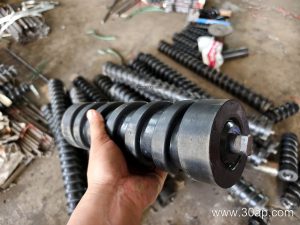
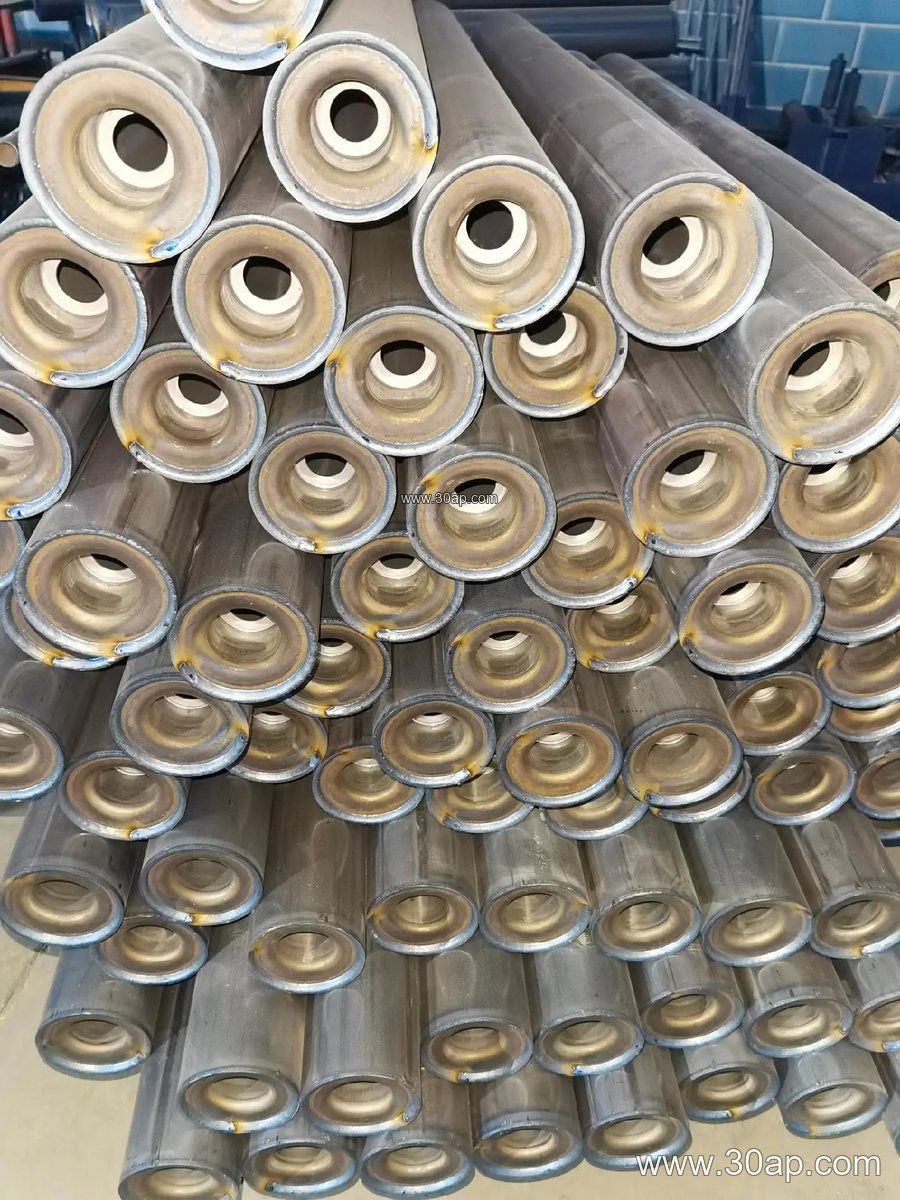
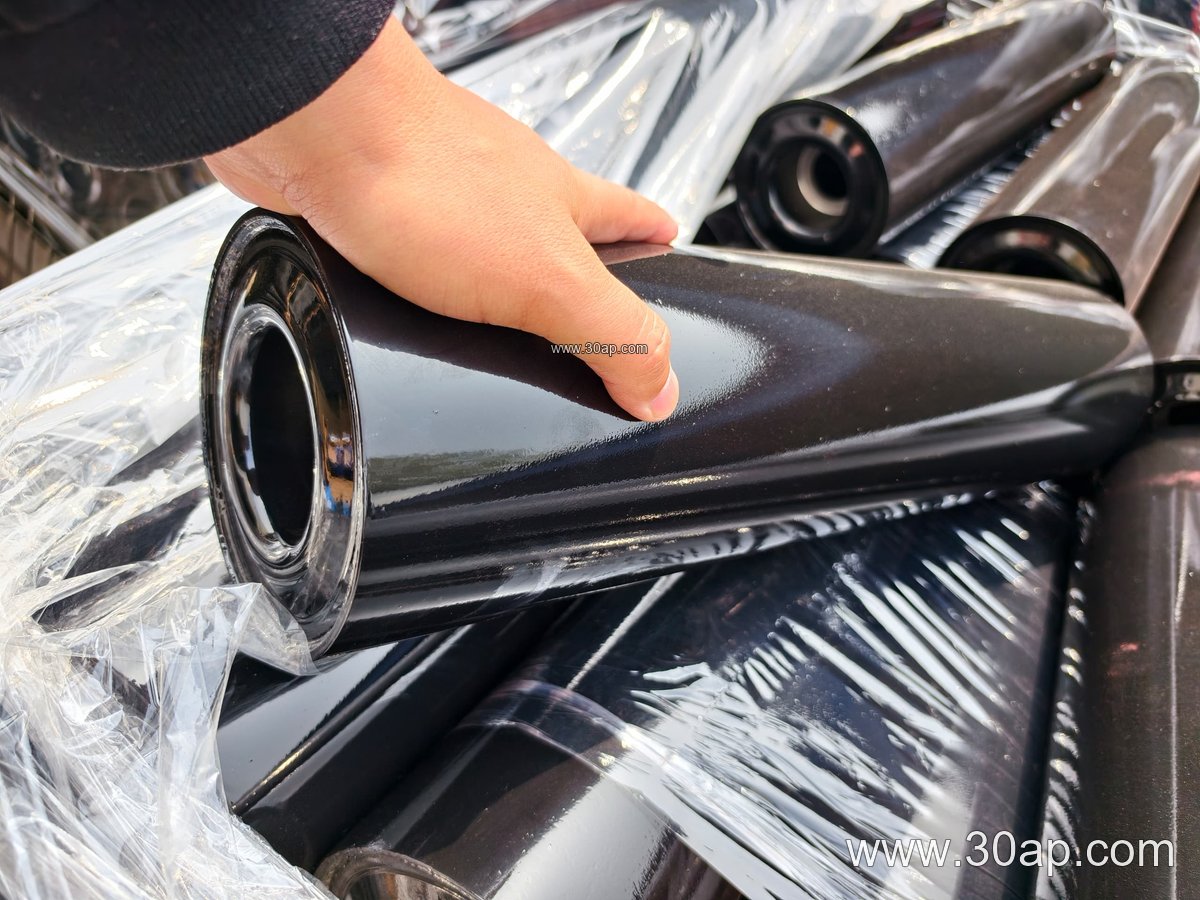
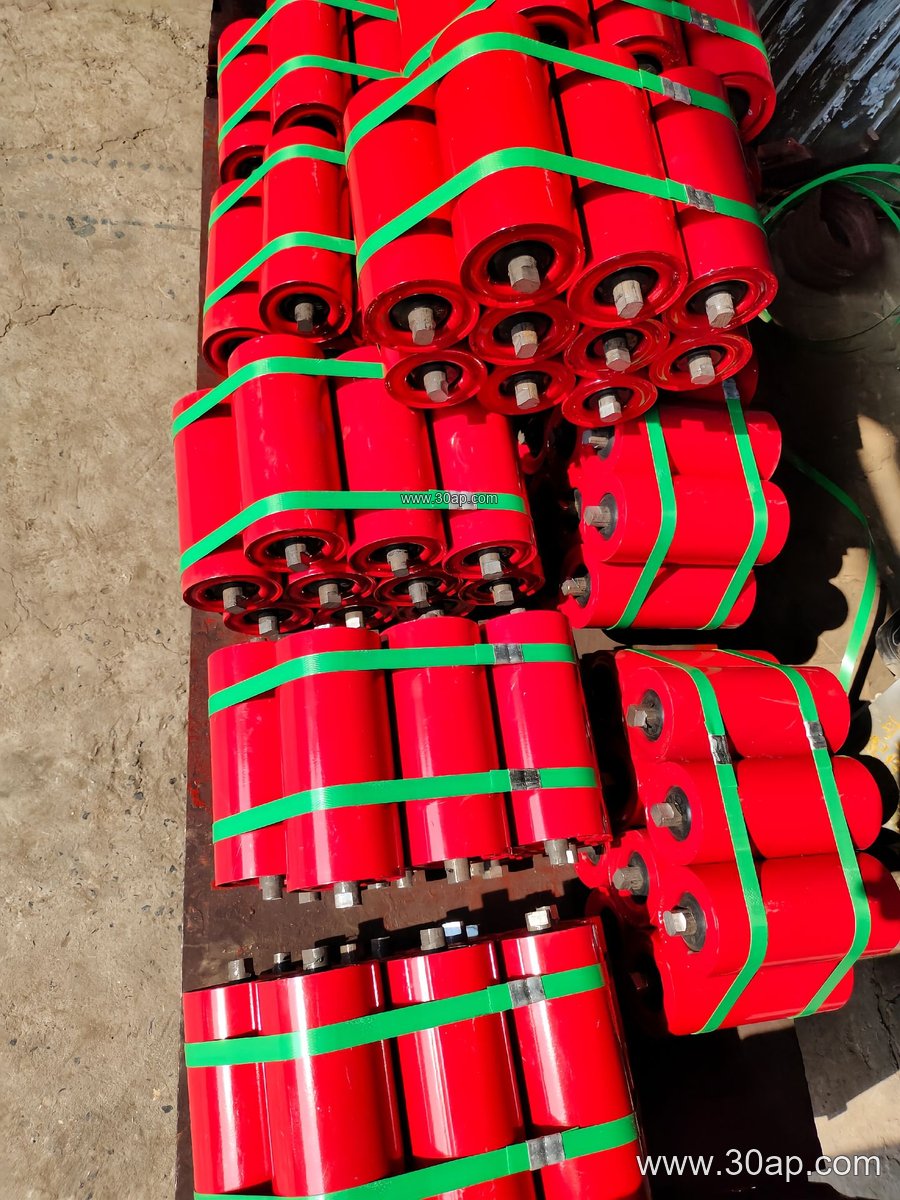
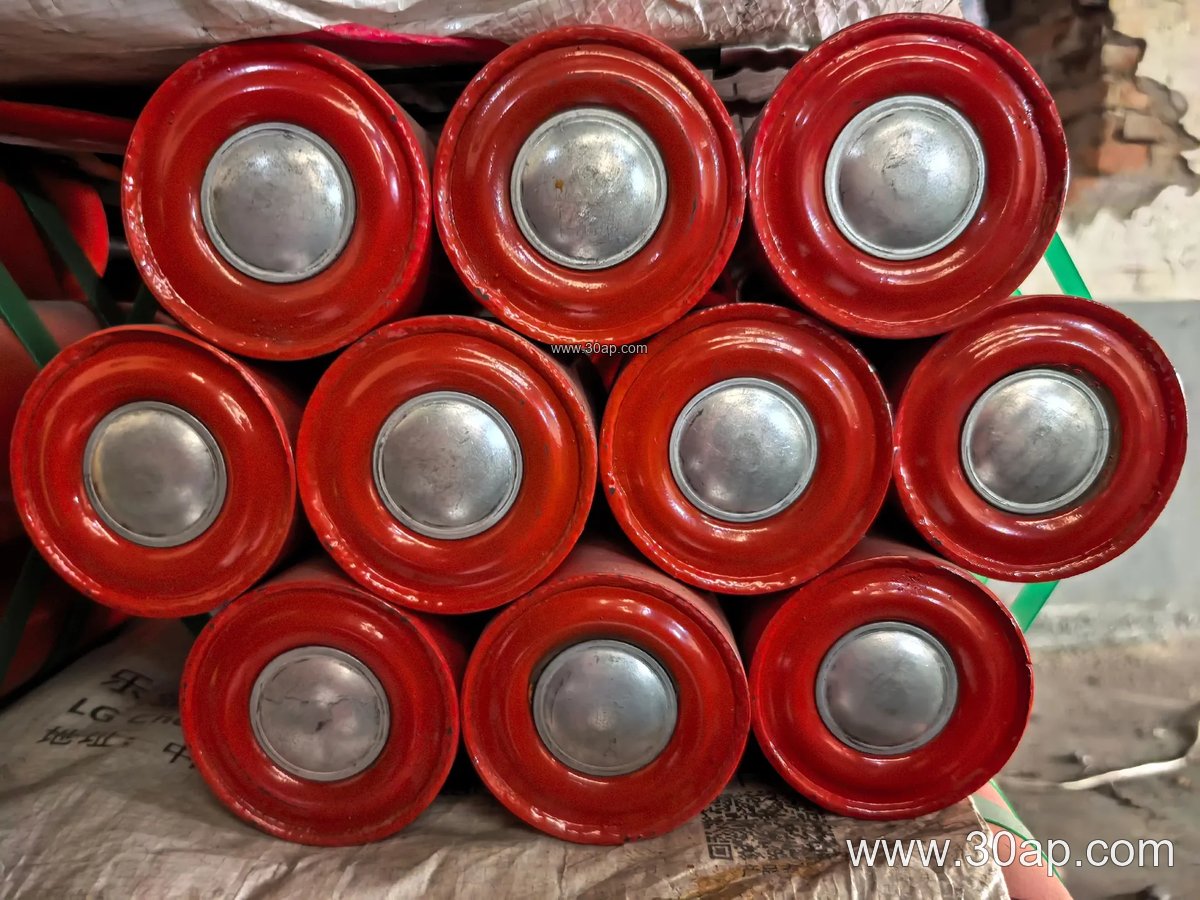
A deep trough idler set is commonly supplied as a three-roller arrangement, with a central roller and two inclined side rollers. The trough angle, roller diameter, roller length, shaft size, bearing class, and shell material all influence how the set performs. Rollers are often made with steel tube shells; nylon, ceramic, or rubber ring surfaces are selected when belt protection, wear life, or material build-up is a concern.
| Parameter | Common Options |
|---|---|
| Trough angle | 35 degrees, 45 degrees (20 and 30 degrees for lighter duty) |
| Roller diameter | Ø89, Ø108, Ø127, Ø133, Ø159, Ø178 mm |
| Belt width example | B800, B1000, B1200, B1400, B1600 mm |
| Roller length example (three-roll set) | About 315 mm at B800, 380 mm at B1000, 465 mm at B1200, 530 mm at B1400, 600 mm at B1600 |
| Bearing options | 6205, 6305, 6306, 6308, 6310 |
| Roller surface | Steel, nylon, ceramic, rubber ring |
These figures are reference examples rather than fixed pairings. Side roller and center roller lengths can differ, and the shaft diameter is determined by the load calculation, not by belt width alone. A 45 degree deep trough idler on a B1200 line is a different assembly from a 35 degree unit on the same belt, even if both use the same roller diameter.
Where Deep Troughing Pays Off
The deep pocket is most useful where the load is heavy, the belt is wide, and the material is free-flowing. In an iron ore or copper ore transfer house, a deep trough idler helps keep dense, sharp ore centered over the belt. In a limestone quarry or sand and gravel plant, the steeper side rollers reduce edge spillage from fast-moving aggregate. Coal handling at a power plant and raw material transport at a cement works also benefit when the belt must hold a large cross-section of bulk material on a relatively flat route.
On a long overland or port conveyor, the choice of trough angle interacts with belt stiffness. A steel cord conveyor belt or a thick EP conveyor belt may resist being folded into a very deep profile, so the designer balances trough depth against belt training and power demand. A flame retardant conveyor belt used in an underground coal mining conveyor may be specified together with deep trough idlers, but the idler selection itself must still match the belt width, speed, and load.
Selection and Maintenance Notes for Buyers
- Confirm the belt width and the required trough angle before ordering; a 35 degree set and a 45 degree set are not interchangeable.
- Check the roller diameter and bearing series together with the load rating; do not assume a larger roller is always necessary.
- Ask for the roller length and shaft details as a matched set, since the center roller and side rollers may have different lengths.
- Match the roller surface to the duty: rubber rings for impact zones near a crusher conveyor, ceramic or nylon where wear or build-up is severe.
- Inspect seals, bearing play, and roller rotation at each scheduled shutdown; a seized idler can damage the belt and the conveyor bracket.
- Keep spare sets for the most heavily loaded sections, especially where a mining conveyor belt runs continuously.
A deep trough idler is a small component with a large effect on belt life and housekeeping. When it is sized to the belt, the load, and the conveyor layout, it keeps material where it belongs and reduces the cleaning and downtime that follow a spillage problem. Buyers who compare trough angle, roller dimensions, bearing class, and surface form as one system will get a more reliable result than those who order by belt width alone.