What a PVG Conveyor Belt Is
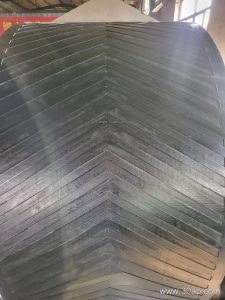
A PVG conveyor belt is a solid-woven, rubber-covered belt built for tough duty in mines, tunnels, and bulk material handling systems. The abbreviation refers to the construction: a polyvinyl chloride impregnated fabric core protected by rubber covers. In buying and engineering documents you will also see the same product called a PVC/PVG solid woven belt or a PVG rubber-covered solid woven belt. These are accurate equivalent names for the same article, not different product families.
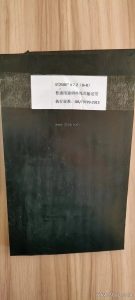
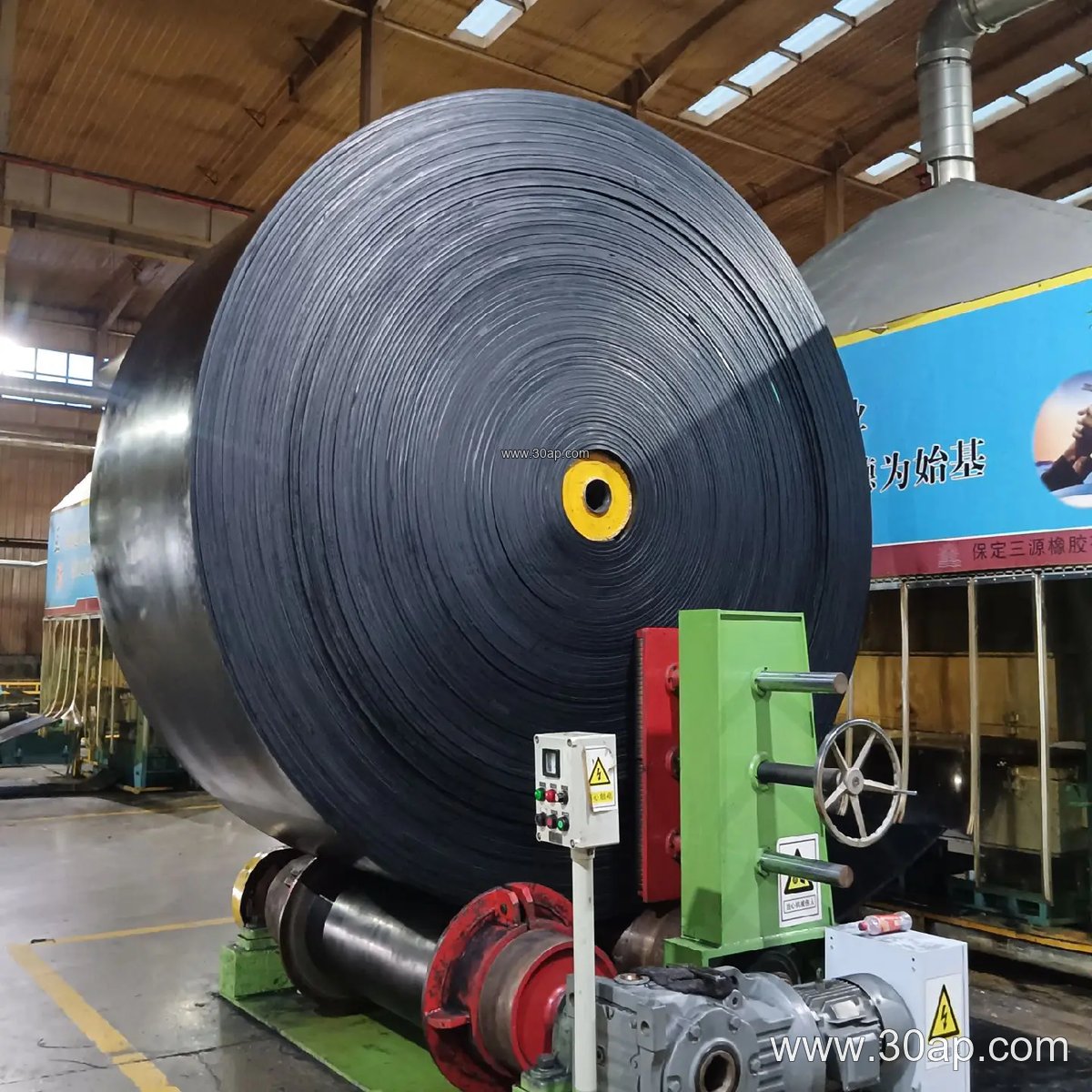
The distinguishing feature is that the carcass is a single solid-woven structure rather than several separate fabric plies. That construction gives the belt good resistance to tearing and impact, which matters in coal mining, quarrying, and ore transport where sharp lumps and edge damage are common.
How the Belt Is Built
The core is woven from synthetic yarns and impregnated with PVC compound so that the fabric is sealed and stiffened. Rubber covers are then bonded to both faces, and the edges are usually protected by a molded edge or a rubber edge strip. Typical cover thicknesses are quoted as top plus bottom, for example 3+1.5 mm, 4+2 mm, 5+2 mm, or 6+2 mm. The carcass is commonly described by strength grade rather than by ply count, with PVG800 and PVG800S among the frequently referenced designations.
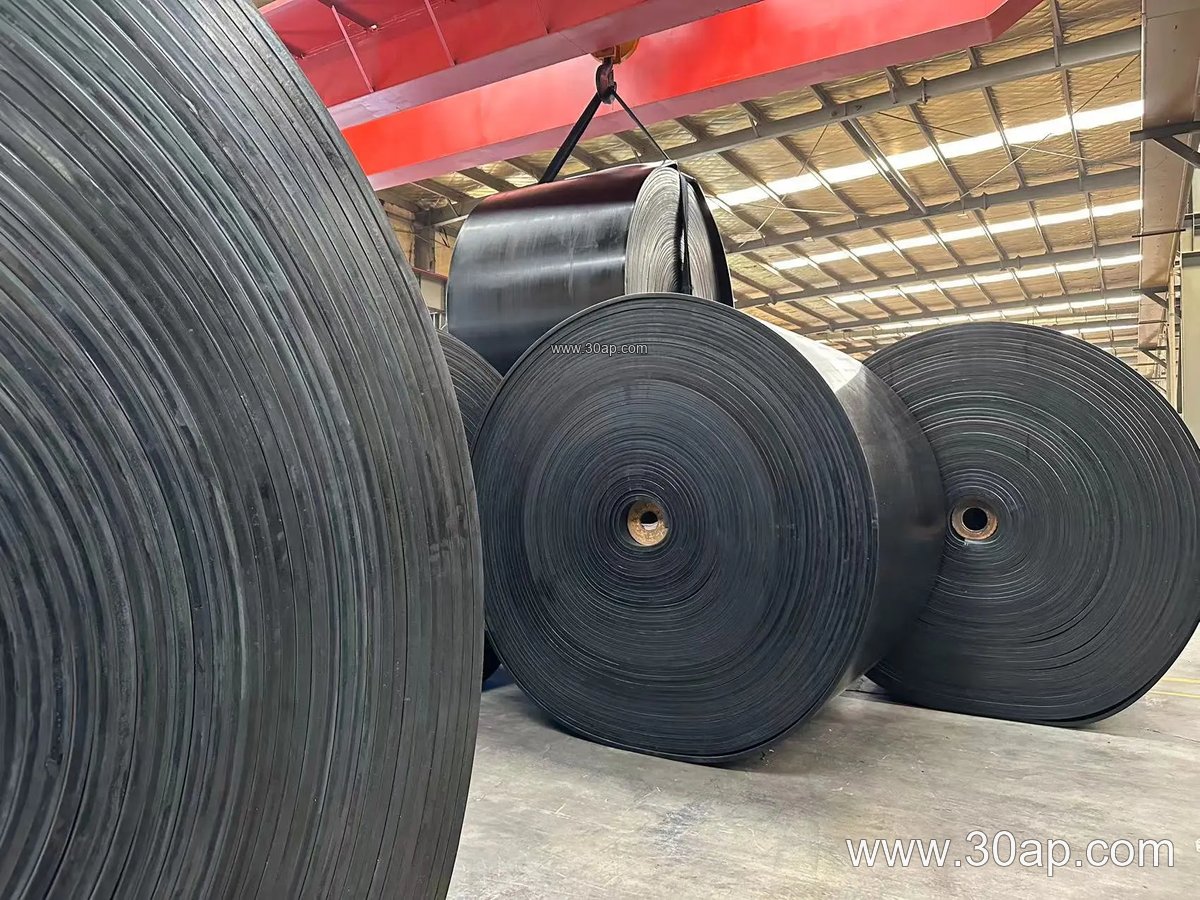
Because the core is a single woven body, a PVG belt behaves differently from a multi-ply fabric belt. It is generally stiffer in the transverse direction and less prone to ply separation, but it also requires correct pulley diameters and troughing geometry so that it can flex without cracking the covers.
Typical Grades and Dimensions
The table below shows reference data that appear in product literature. These are reference values, not universal specifications, and actual availability depends on the manufacturer and the design of the conveyor.
| Item | Common reference values |
|---|---|
| Strength grade | PVG800, PVG800S, and comparable solid woven grades |
| Belt width | B500, B650, B800, B1000, B1200, B1400, B1600 |
| Cover thickness (top + bottom) | 3+1.5 mm, 4+2 mm, 5+2 mm, 6+2 mm |
| Carcass | Solid woven, PVC impregnated, rubber covered |
Width selection follows the material size, the required capacity, and the troughing angle. A 1000mm or 1200mm belt is common on main haulage lines, while narrower 650mm or 800mm belts appear on secondary and transfer conveyors. No single width is mandatory for a given pulley diameter; the drive pulley, tail pulley, and bend pulleys are selected from the belt tension, the wrap angle, and the load, and they are not interchangeable with one another.
Where PVG Belts Are Used
- Underground coal mining and tunnel development conveyors
- Coal preparation plants and power plant coal handling
- Quarries and aggregate plants feeding crushers and screens
- Cement plants moving clinker, limestone, and raw meal
- Iron ore, copper ore, and other mineral transport lines
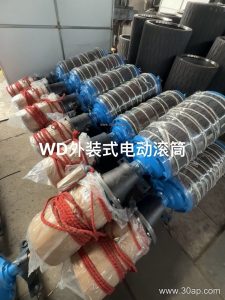
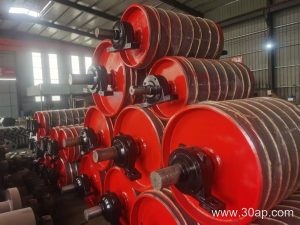
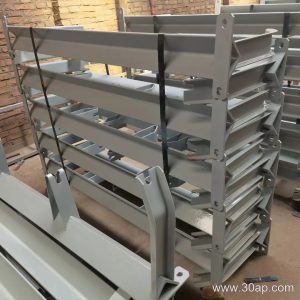
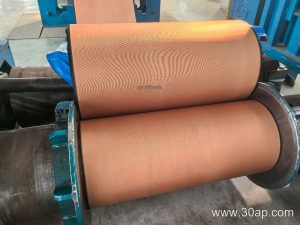
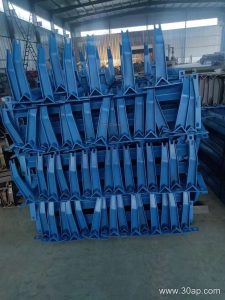
In these industries the belt runs over idler rollers supported by conveyor brackets, and the return strand is carried by return rollers. A conveyor pulley at the head end drives the belt, while the tail pulley and bend pulleys guide it. In dusty or wet conditions, a flame retardant conveyor belt and anti-static construction are often specified for underground coal mining conveyors, and abrasion resistant covers are chosen for rock and ore duties.
Selection and Buyer Checklist
Start with the material: lump size, moisture, temperature, and whether the cargo is oily or chemically active. Then confirm the duty level. A heavy-duty mining conveyor belt may call for a thicker cover and a higher strength grade, while a short transfer in a sand making plant may be served by a lighter solid woven belt.
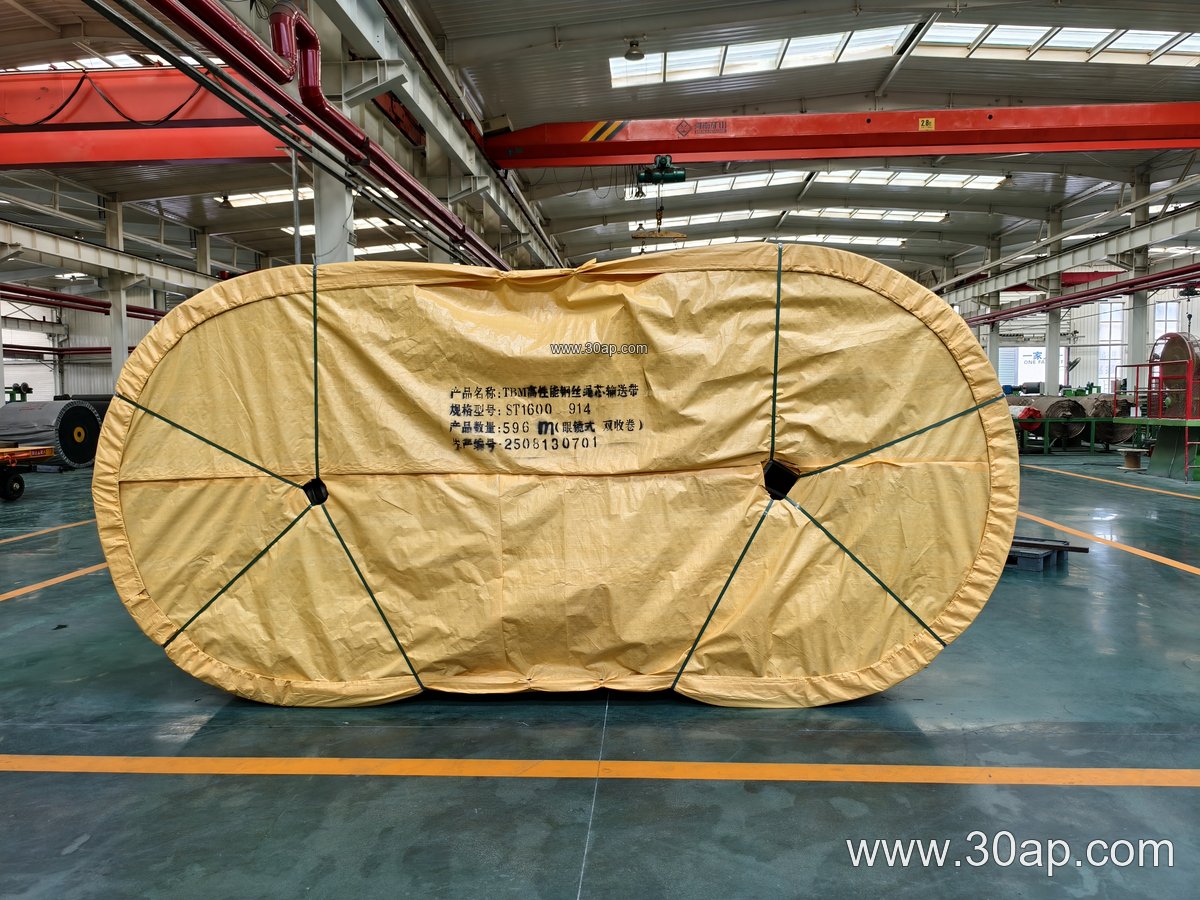
Ask for the cover grade, the strength grade, the belt width, and the edge construction in writing. Check that the proposed pulley diameters suit the belt thickness, and confirm the troughing angle with the idler roller supplier. For cold climates, a cold resistant conveyor belt grade may be needed; for hot clinker or sinter, a heat resistant conveyor belt should be considered instead of a standard PVG cover.
On installation, check squareness and tension, and monitor the belt during the first days of running. Inspect the edges and covers regularly, because edge damage is the usual starting point for moisture ingress into the woven core. Keeping the idler rollers turning freely and the conveyor pulley lagging in good condition will extend service life more than any single belt upgrade.