What a 1200mm Wide Conveyor Belt Is
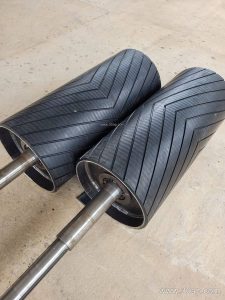
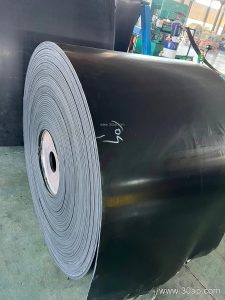
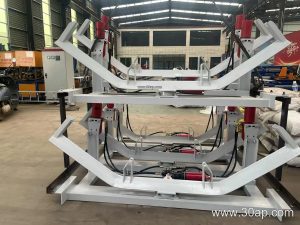
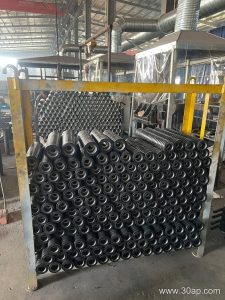
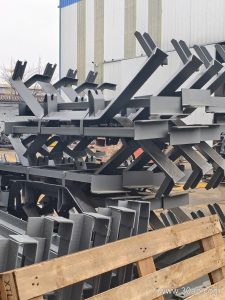
A 1200mm wide conveyor belt is a heavy-duty bulk material handling belt built to a nominal 1200 mm (B1200) width. At this width, the belt can carry high tonnages across long distances, making it a common choice in mines, coal preparation plants, cement works, power stations, ports, and large sand and aggregate yards. The belt itself is only one part of the system: it runs over conveyor pulleys, supported by idler rollers, and frames are fixed with conveyor brackets. Each component has its own job, and pulleys are not interchangeable with idlers or brackets.
Buyers often describe this product simply as a 1200mm conveyor belt. The full name matters because width alone does not define the belt. A B1200 belt may be an EP conveyor belt, an NN conveyor belt, a steel cord conveyor belt, or a fabric core belt with special covers for heat, oil, flame, or abrasion resistance.
How the Belt Is Built
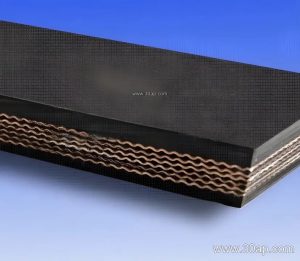
The construction usually combines a carcass and rubber covers. The carcass carries the tension and may be multi-ply fabric, straight steel cord, or another core design. Cover compounds protect the carcass from wear, impact, heat, moisture, and chemicals.
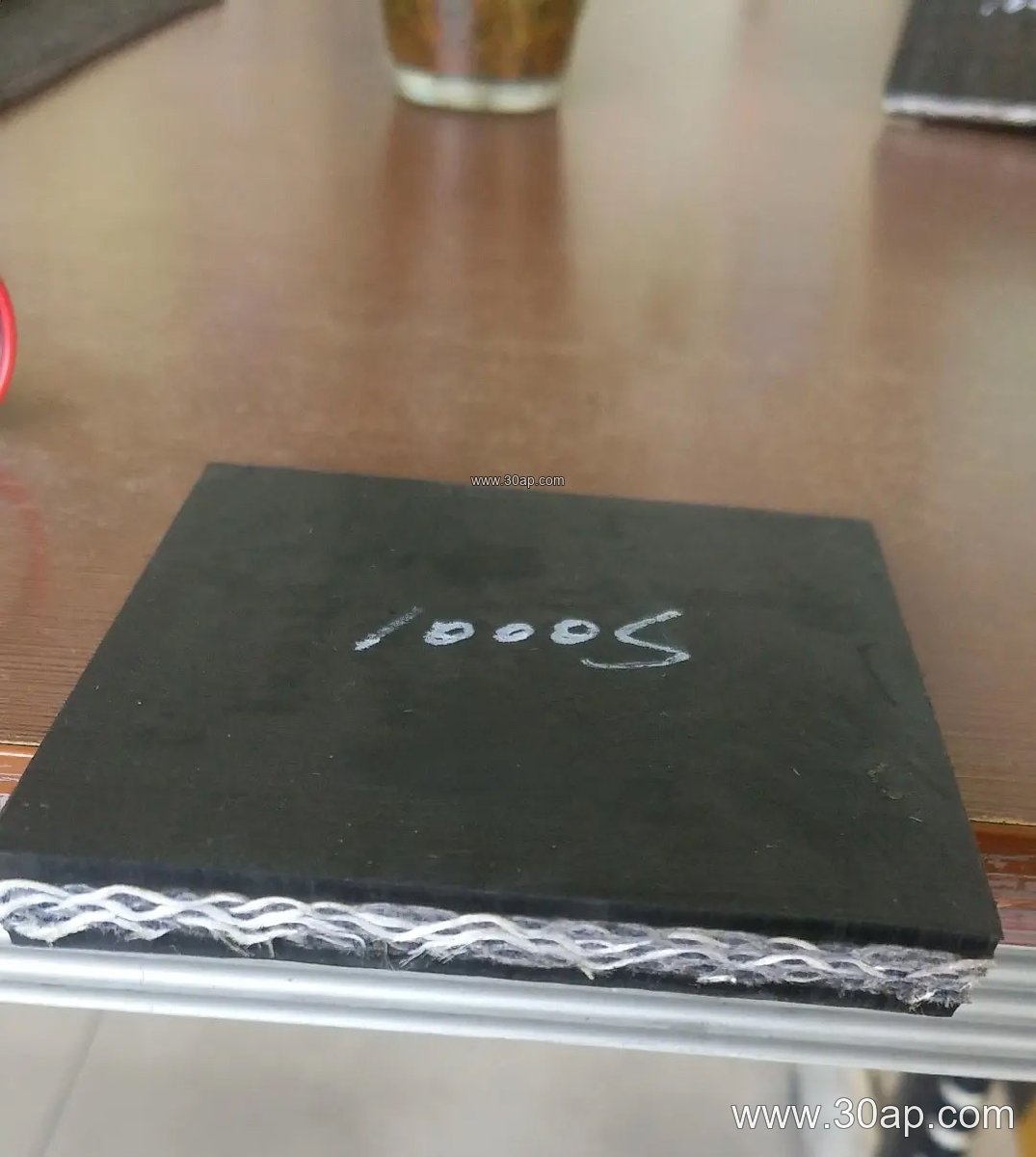
- Carcass: EP fabric, NN fabric, multi-ply fabric core, or steel cord, chosen for tensile strength and elongation.
- Covers: top and bottom rubber layers in common combinations such as 5+2 mm, 6+2 mm, or 8+3 mm, set by design and duty.
- Edges: cut or molded edges depending on the manufacturer and application.
- Surface forms: plain, chevron, skirted, corrugated sidewall, or pipe designs when material containment or incline control is needed.
For a 1200mm wide conveyor belt, strength grades are usually stated with the carcass type. EP1000, EP1250, and EP1600 are common reference grades in this width range, and ST1600 or ST2000 may appear where steel cord construction is preferred. These figures are reference data, not a universal specification.
Typical Duty and Industries
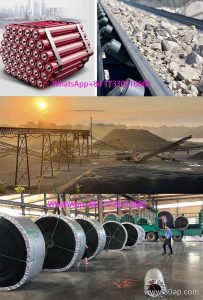
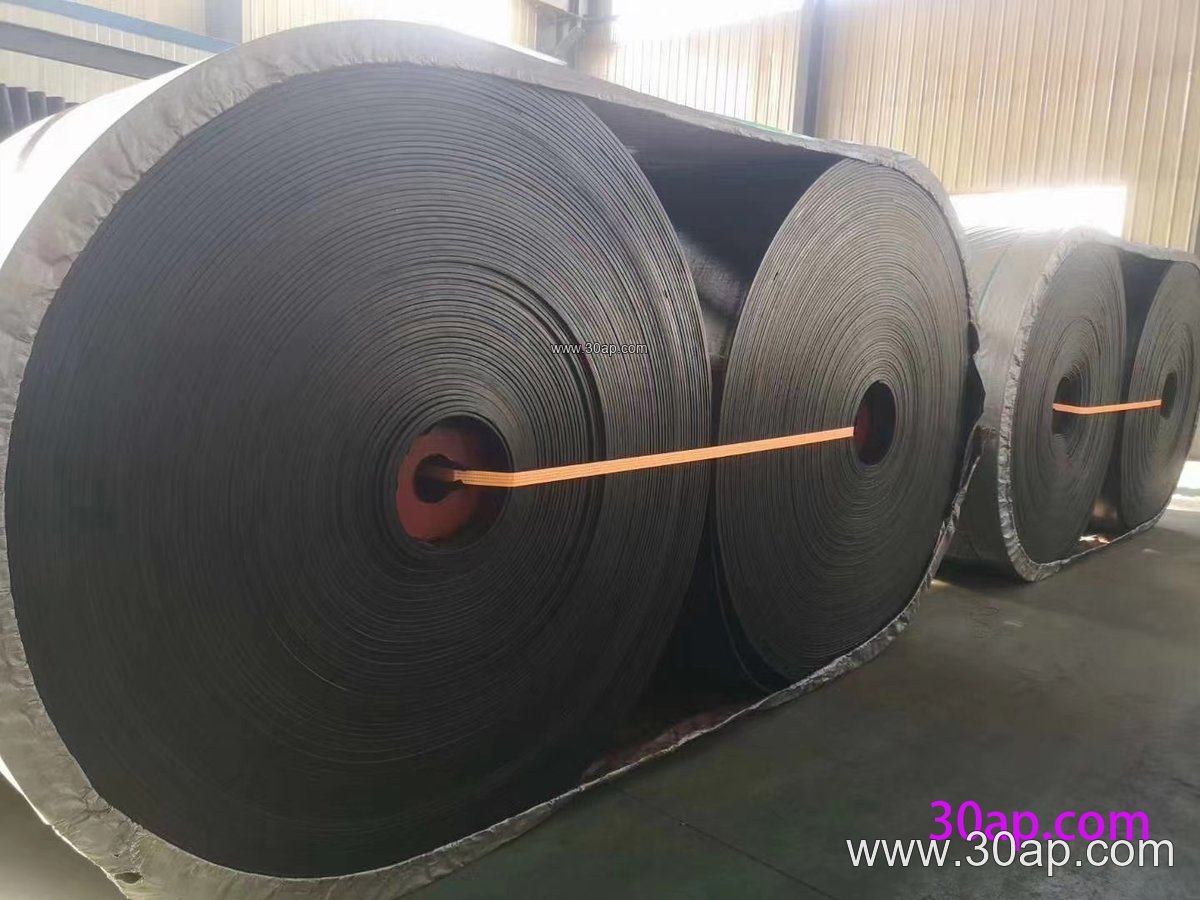
At 1200 mm, the belt is wide enough for high-volume transfer but still manageable on standard pulley and idler assemblies. In a coal mining conveyor line, a flame retardant conveyor belt or anti-static belt is often required. Cement plants may favor a heat resistant conveyor belt near kiln areas and an abrasion resistant conveyor belt on clinker and limestone runs. Iron ore, copper ore, and gold mining operations frequently use a heavy-duty mining conveyor belt with a strong fabric or steel cord carcass.
Other common settings include quarry conveyor belts, crusher conveyor belts, aggregate conveyor belts, power plant coal handling, and ship loading systems. A 1200mm wide conveyor belt also suits recycling lines and construction material yards where mixed bulk loads are moved continuously.
Specifications Buyers Should Confirm
Width is the starting point, not the whole specification. The table below shows common reference values; final values should be confirmed with the belt manufacturer and the conveyor designer.
| Parameter | Common Reference |
|---|---|
| Belt width | 1200 mm (B1200) |
| Carcass types | EP, NN, multi-ply fabric, steel cord |
| Strength grades | EP200 to EP2000; ST1000 to ST3150 by design |
| Cover thickness | 3+1.5, 4+2, 5+2, 6+2, 8+3 mm |
| Ply count | Usually 2 to 6 layers for fabric cores |
| Special covers | Heat, oil, flame, abrasion, cold, acid, chemical resistant |
Pulley diameter, shaft size, and idler spacing are set by the conveyor design and load calculation, not by the 1200 mm width alone. A larger drive pulley may be needed for a thick, stiff carcass, but no single pulley diameter is fixed by belt width.
Selection and Maintenance Notes
Match the carcass grade to the actual tension and the cover compound to the material. A high abrasion resistant conveyor belt helps on sharp rock, while a heat resistant conveyor belt is appropriate for hot clinker or sinter. Where fines and dust are present, an anti-static belt reduces risk. In cold climates, a cold resistant conveyor belt keeps flexibility.
- Check pulley alignment and idler roller rotation regularly.
- Inspect belt edges for cuts and cover wear.
- Keep the belt tracking centered to avoid edge damage.
- Confirm splice type and tension with the belt supplier.
For a 1200mm wide conveyor belt, the best result comes from treating width, carcass, cover, and conveyor hardware as one system. For more information on belt, idler roller, and conveyor pulley options, visit beltplus.cn.