What a Conveyor Bracket Assembly Does
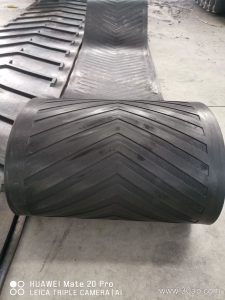
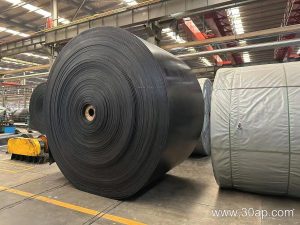
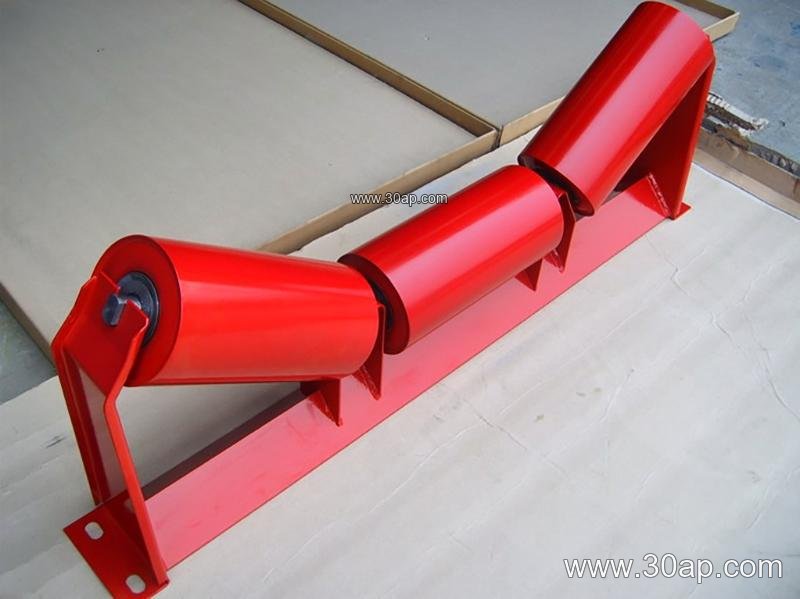
A conveyor bracket assembly is the structural interface that holds idler rollers in the correct position under or over the conveyor belt. It connects the roller frame to the main conveyor stringer or support beam, maintaining the trough angle on the carrying side and the return profile on the return side. In a quarry conveyor line or a cement plant transfer point, the bracket assembly keeps the belt tracking smoothly and prevents material spillage. Without a rigid, well-aligned bracket, even a high-quality Rubber Conveyor Belt can mistrack and wear prematurely.
Construction and Common Forms
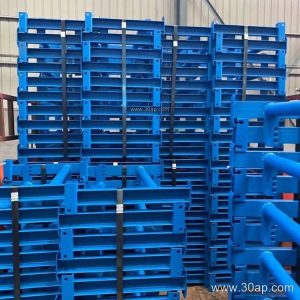
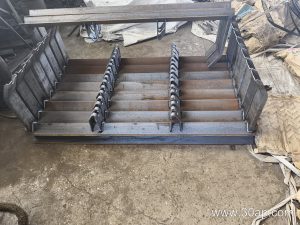
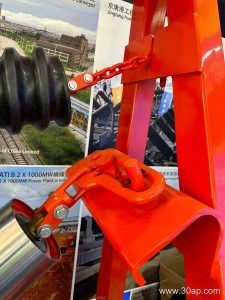
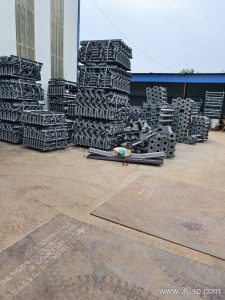
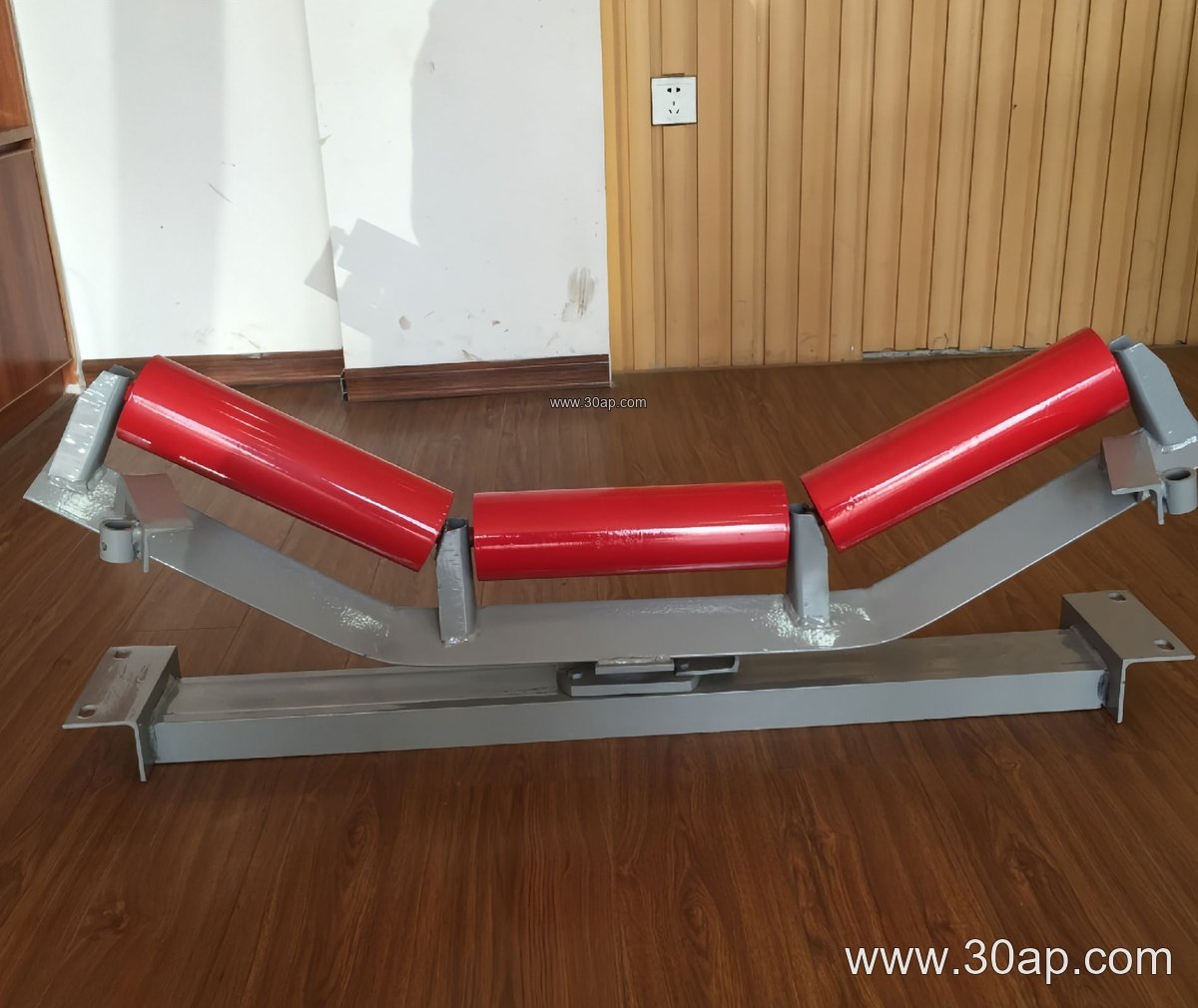
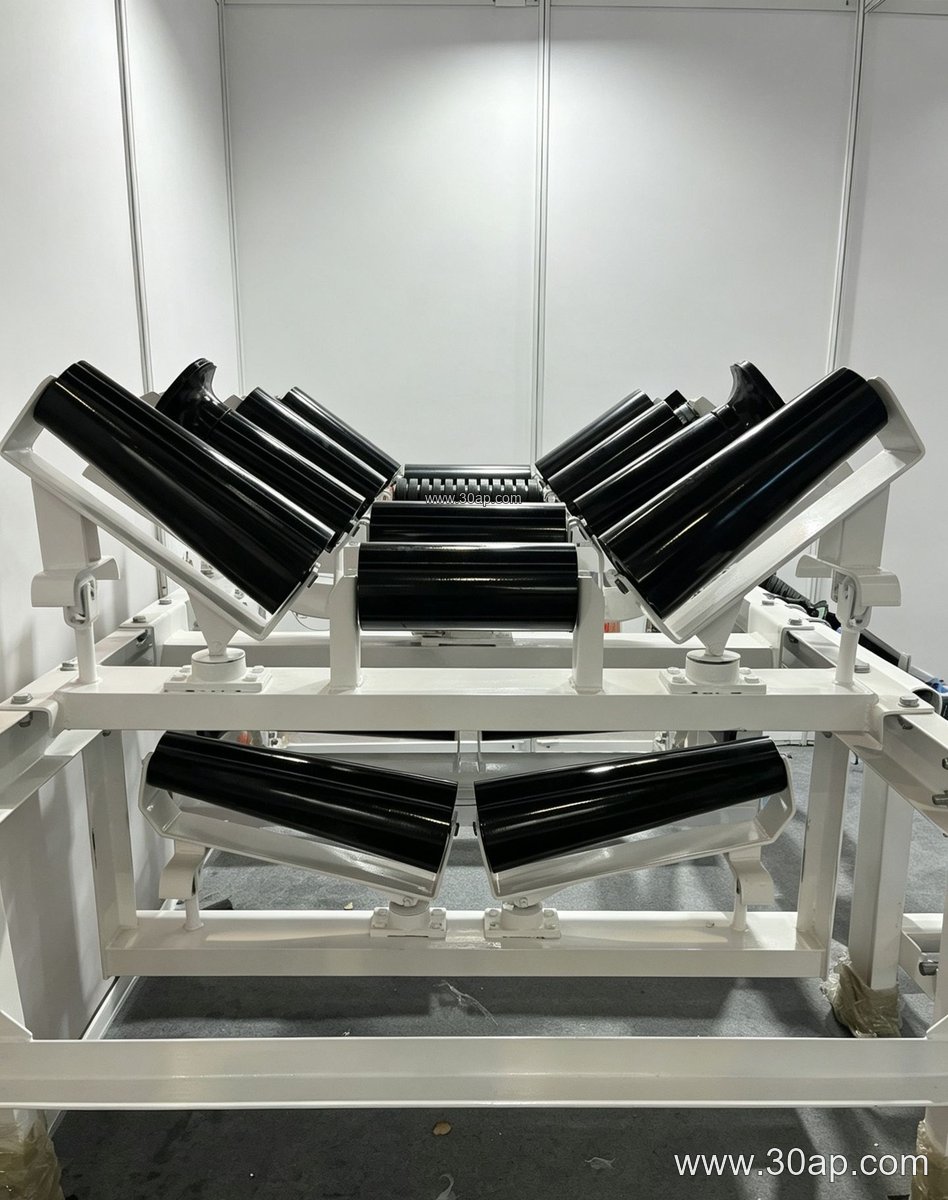
Most bracket assemblies are fabricated from angle steel, channel steel, or folded steel plate. The design varies with the application: a trough bracket assembly supports three idlers at a set trough angle, while a return bracket holds a single flat or V-shaped roller. Transition brackets are used near pulleys to gradually change the belt profile, and impact brackets with cushion rollers are placed at loading points. Adjustable brackets allow the trough angle to be changed on site, which is useful when a conveyor handles different materials.
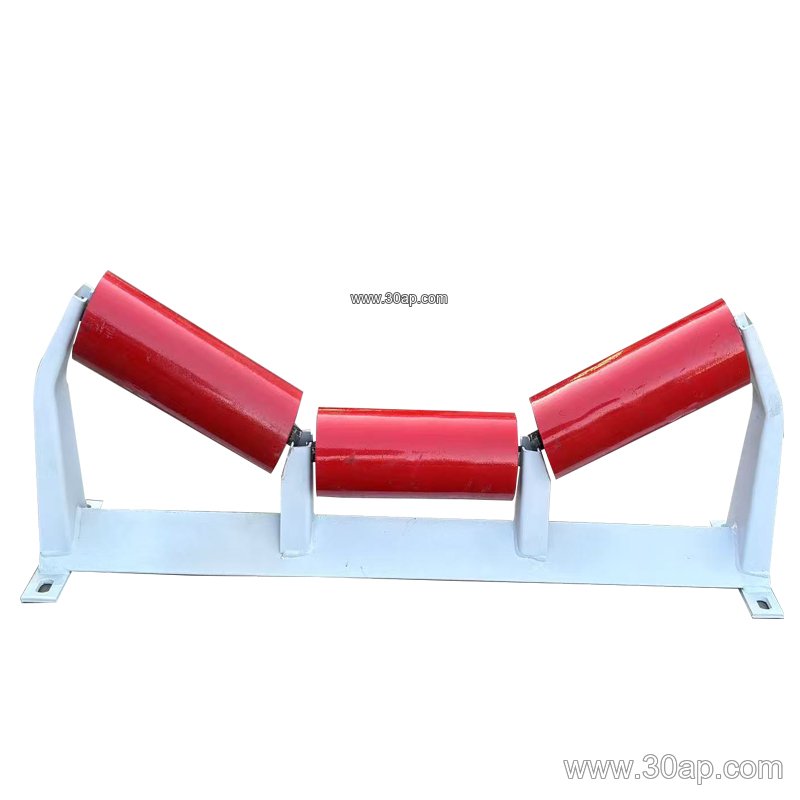
- Trough bracket: carries three idlers, common trough angles 20°, 30°, 35°, 45°
- Return bracket: flat or V-return roller support
- Transition bracket: guides belt from flat to troughed shape
- Impact bracket: reinforced frame with cushion rollers
- Adjustable bracket: variable trough angle, often 20°–45°
Matching Belt Width and Roller Diameter
Bracket assemblies are selected by belt width and roller diameter, not by a single fixed rule. A B800 conveyor might use Ø108 rollers at a 35° trough angle, while a B1200 system in an iron ore plant often runs Ø133 rollers at 45°. The mounting hole spacing and crossbeam length are determined by the belt width and trough angle, so these dimensions are always project-specific. Below is a reference table of common combinations; actual values should follow the conveyor design.
| Belt Width | Common Trough Angle | Typical Roller Diameter | Typical Bracket Type |
|---|---|---|---|
| B500 | 20°–30° | Ø89 | Trough bracket |
| B650 | 30° | Ø89–Ø108 | Trough bracket |
| B800 | 35° | Ø108 | Trough bracket |
| B1000 | 35°–45° | Ø108–Ø133 | Trough bracket |
| B1200 | 35°–45° | Ø133 | Trough bracket |
| B1400 | 35°–45° | Ø133–Ø159 | Trough bracket |
| B1600 | 35°–45° | Ø159 | Trough bracket |
| B1800 | 35°–45° | Ø159–Ø194 | Trough bracket |
These combinations are common examples, not mandatory pairings. A B1000 conveyor may use a 30° trough angle with Ø108 rollers in a light-duty application, or a 45° angle with Ø133 rollers in a heavy-duty mining conveyor. The bracket assembly should be chosen to match the idler roller diameter and the belt load.
Where Bracket Assemblies Are Used
In a coal mining conveyor system, flame retardant conveyor belts and anti-static belts run on bracket assemblies that must resist dust and vibration. In a power plant coal yard, the bracket assembly supports idlers under a fabric core conveyor belt or steel cord conveyor belt. Aggregate plants and stone crushing lines use impact brackets at the crusher discharge, where Abrasion Resistant Conveyor Belt grades handle sharp rock. Port ship loading conveyors often use wide belts with heavy-duty brackets to carry bulk material at high capacity.
Buyer Checklist
Before ordering a conveyor bracket assembly, confirm the belt width, the idler roller diameter, the required trough angle, and the mounting dimensions of the conveyor stringer. Check whether the bracket needs to be fixed or adjustable, and whether impact or transition brackets are required at specific points. For corrosive or wet environments, consider galvanized or painted finishes. The bracket should be rigid enough to keep the idler roller aligned and to prevent belt edge damage. A well-matched bracket assembly extends the service life of the conveyor pulley and belt, and reduces maintenance downtime in continuous bulk handling operations.