What Is a Non-Standard Conveyor Bracket?
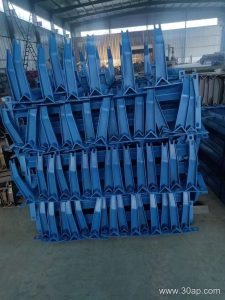
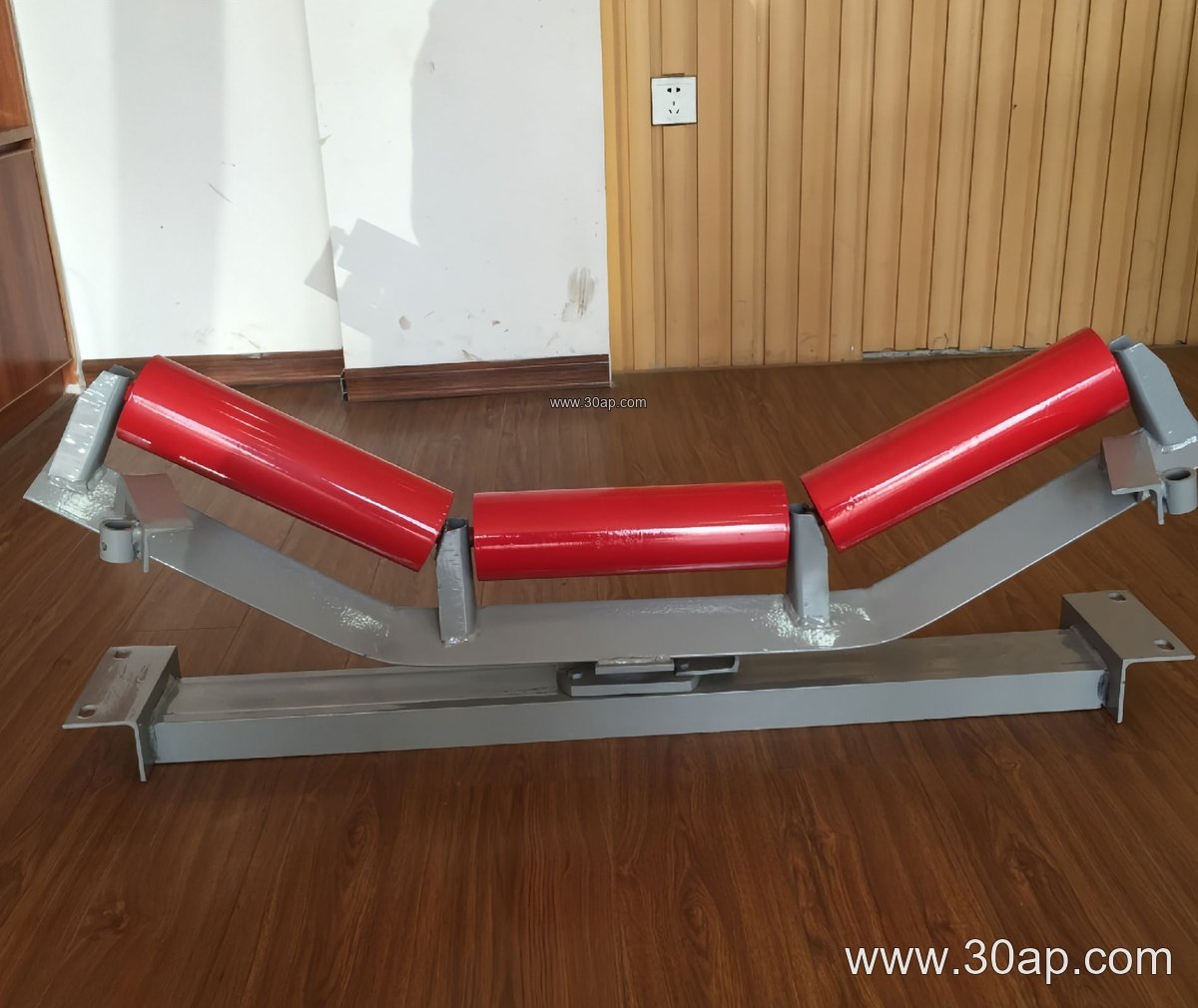
A non-standard conveyor bracket is a support component made to fit a conveyor line that cannot use off-the-shelf mounting hardware. In practice, it is often a custom conveyor bracket fabricated from angle steel, channel steel or folded steel plate, with hole spacing, beam length and mounting height adjusted to the actual conveyor structure. The bracket may support carrying idlers, return idlers or transition points, and it may be designed around a specific belt width, trough angle and roller diameter.
Because every conveyor has its own frame, the term covers a wide family of parts rather than one fixed model. A non-standard bracket can be a one-off piece for a crusher discharge area, a set of transition brackets for a wider belt, or an adjustable bracket that lets maintenance staff fine-tune the trough angle. The common thread is that the bracket is purpose-built rather than selected from a standard catalogue.
How It Is Built and Where It Fits
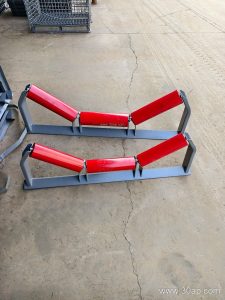
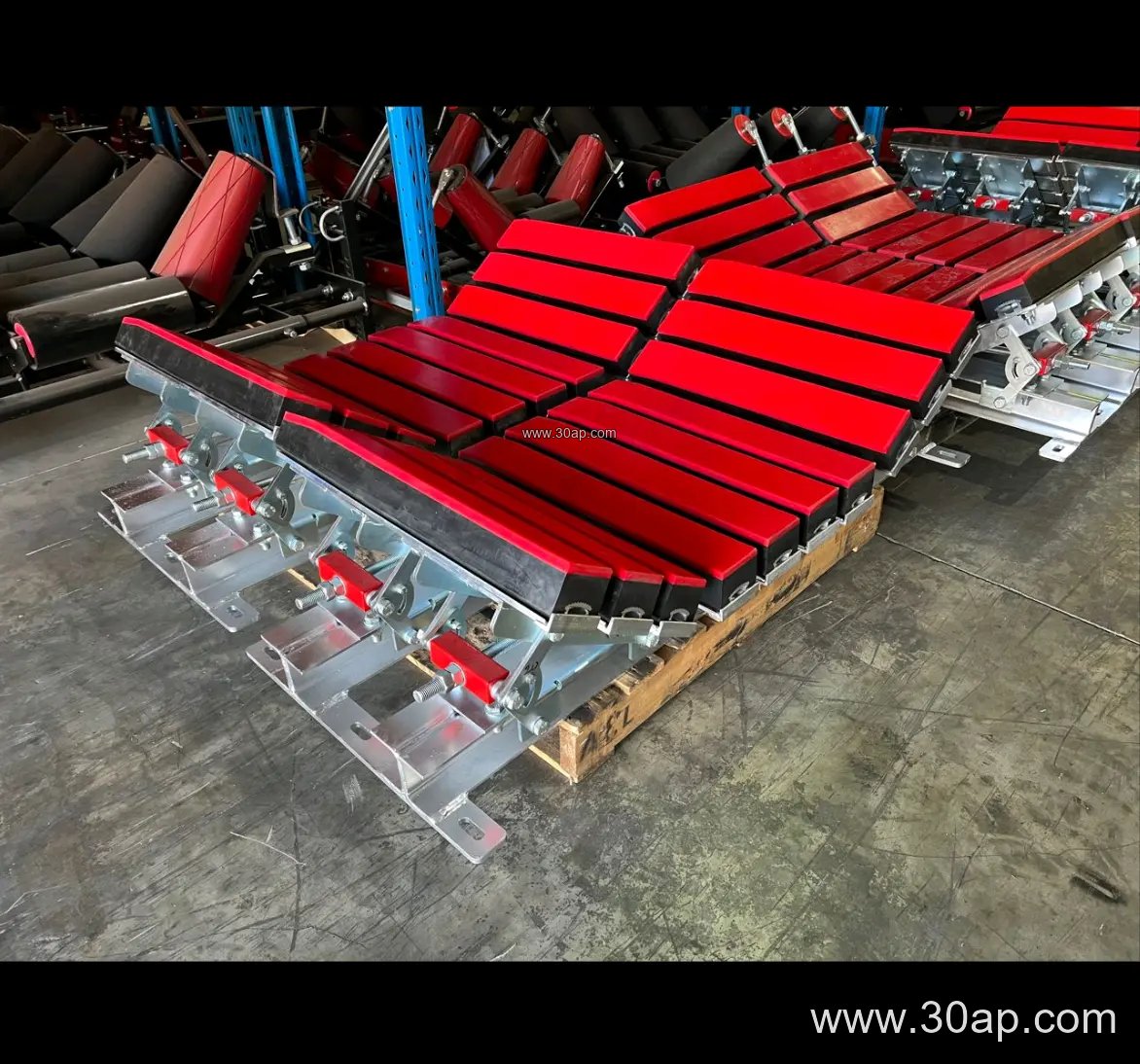
Fabrication usually starts with the conveyor layout. The bracket must match the stringer spacing, the idler frame type and the belt path. Welded or bolted designs are both common. A typical non-standard bracket may include a base plate, a riser, an inclined support face and slotted holes for adjustment. Surface treatment is chosen to suit the environment, whether that is a dry quarry, a wash plant or a dusty transfer tower.
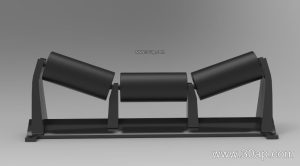
On the conveyor itself, the bracket sits between the main frame and the idler roller. For a troughing station, the bracket holds the side rollers at the required angle. At a transition zone, a custom bracket can support the belt as it changes from flat to troughed. On the return side, a non-standard bracket may carry a V-return idler or a flat return roller. It is also used where a standard bracket would clash with a chute, a walkway or a structural beam.
Common Materials
- Angle steel for light to medium duty brackets
- Channel steel for heavier idler loads
- Folded steel plate for compact or shaped supports
Matching Belt Width, Trough Angle and Roller Diameter
A buyer should expect the bracket drawing to reference the belt width, the trough angle and the roller diameter together. For example, a B800 belt running at 35 degrees with Ø108 idlers needs a different bracket geometry from a B1200 belt at 45 degrees with Ø133 rollers. These are reference combinations only; they do not mean a given belt width is limited to one trough angle or one roller size.
Adjustable brackets are useful when the final trough angle is not fixed at the design stage. They can usually be set between common angles such as 20, 30, 35 and 45 degrees. Forward-leaning brackets, often around 1.5 to 2 degrees, are a separate detail and should be specified only when the conveyor design calls for them.
Reference Data for Bracket Planning
| Parameter | Common Reference Range |
|---|---|
| Belt width | B500, B650, B800, B1000, B1200, B1400, B1600, B1800, B2000, B2200 |
| Trough angle | 20°, 30°, 35°, 45° |
| Roller diameter | Ø89, Ø108, Ø133, Ø159, Ø194 |
| Mounting hole spacing | Per design, varies with belt width and trough angle |
| Cross beam length | Per design, varies with belt width and trough angle |
Installation hole spacing and cross beam length should never be treated as fixed numbers. They follow the conveyor frame and the idler arrangement, so the bracket drawing must be checked against the site dimensions.
Where Non-Standard Brackets Are Used
These brackets appear in many bulk handling settings. In a limestone quarry or a sand and gravel line, a custom bracket may be needed at a transfer point where the belt changes width or angle. In a coal washing plant, non-standard brackets can support troughing idlers around a chute that interrupts the standard frame. Cement plants and power plant coal yards also use them where standard brackets do not fit the existing steel structure.
The bracket works together with the conveyor belt and the idler roller set. A heavy-duty mining conveyor belt or an abrasion resistant conveyor belt may need a more robust bracket because the idler load is higher. In dusty or wet conditions, the bracket design should allow material to fall away rather than build up around the mounting holes.
Buyer Checklist
Before ordering a non-standard conveyor bracket, confirm the belt width, the required trough angle, the roller diameter and the mounting dimensions on the conveyor frame. Ask for a drawing that shows the hole positions and the overall height. Check whether the bracket is fixed or adjustable, and whether it is for carrying, return or transition service. If the conveyor uses a steel cord conveyor belt or a multi-ply fabric core conveyor belt, mention the belt type so the bracket and idler spacing can be reviewed together. Finally, confirm the material and surface treatment for the site conditions, and keep a spare set for wear or damage replacement.