What a Coal Mine Belt Conveyor Idler Does Underground
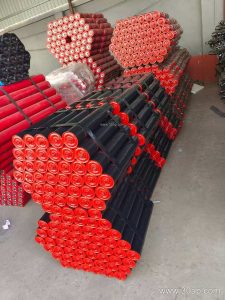
A coal mine belt conveyor idler is the rotating support that carries the conveyor belt and the coal load along the entire length of the run. In an underground coal mining conveyor belt system, these rollers are mounted on a frame at close intervals, and their condition directly affects belt tracking, power draw, and the life of the belt itself. Because the environment is dusty, damp, and often gassy, the idler roller must combine a sealed bearing housing with a robust shell and a frame that can be serviced quickly in confined spaces.
The same component appears in surface installations, from a coal preparation plant to a power plant coal yard. Wherever a flame retardant conveyor belt or an anti-static conveyor belt runs continuously, the idlers underneath are the parts that keep the belt from sagging between supports.
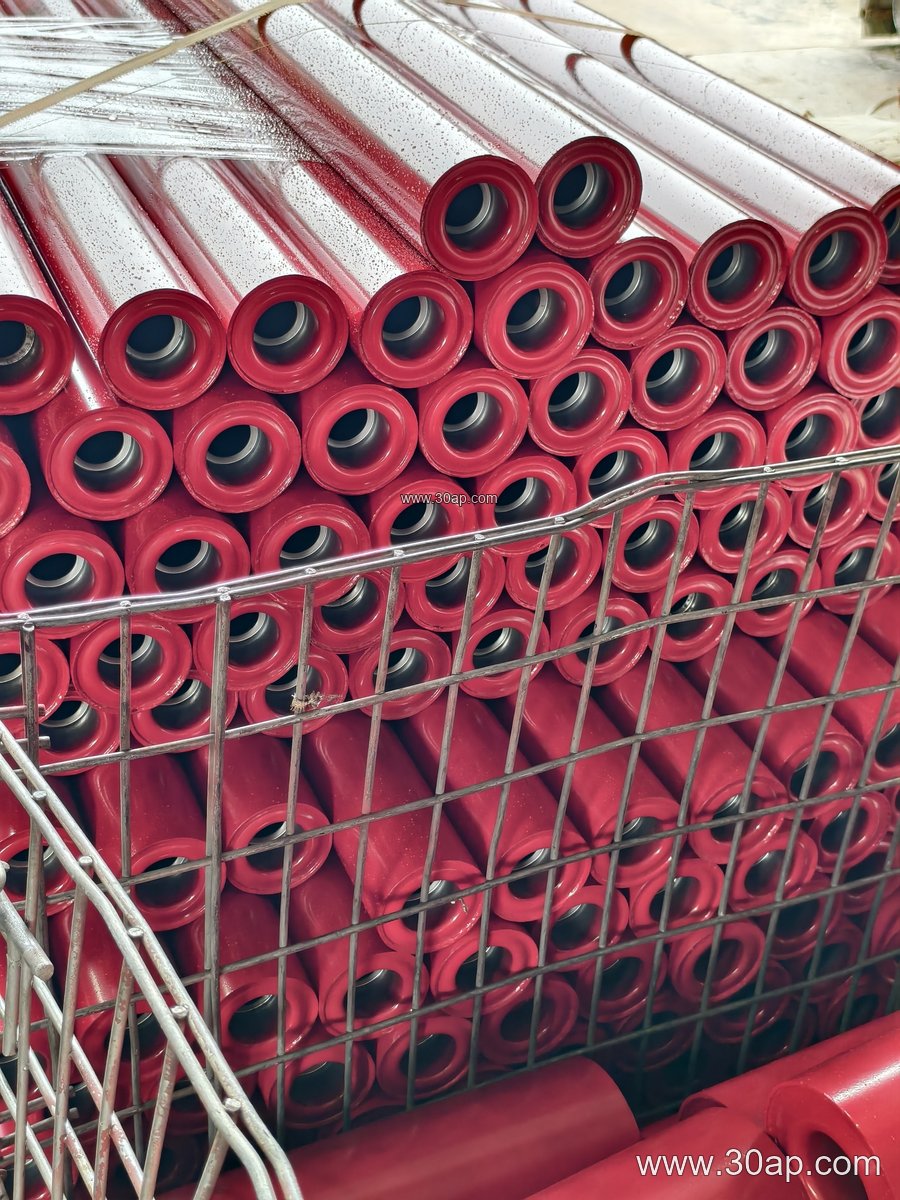
Construction of the Idler Roller
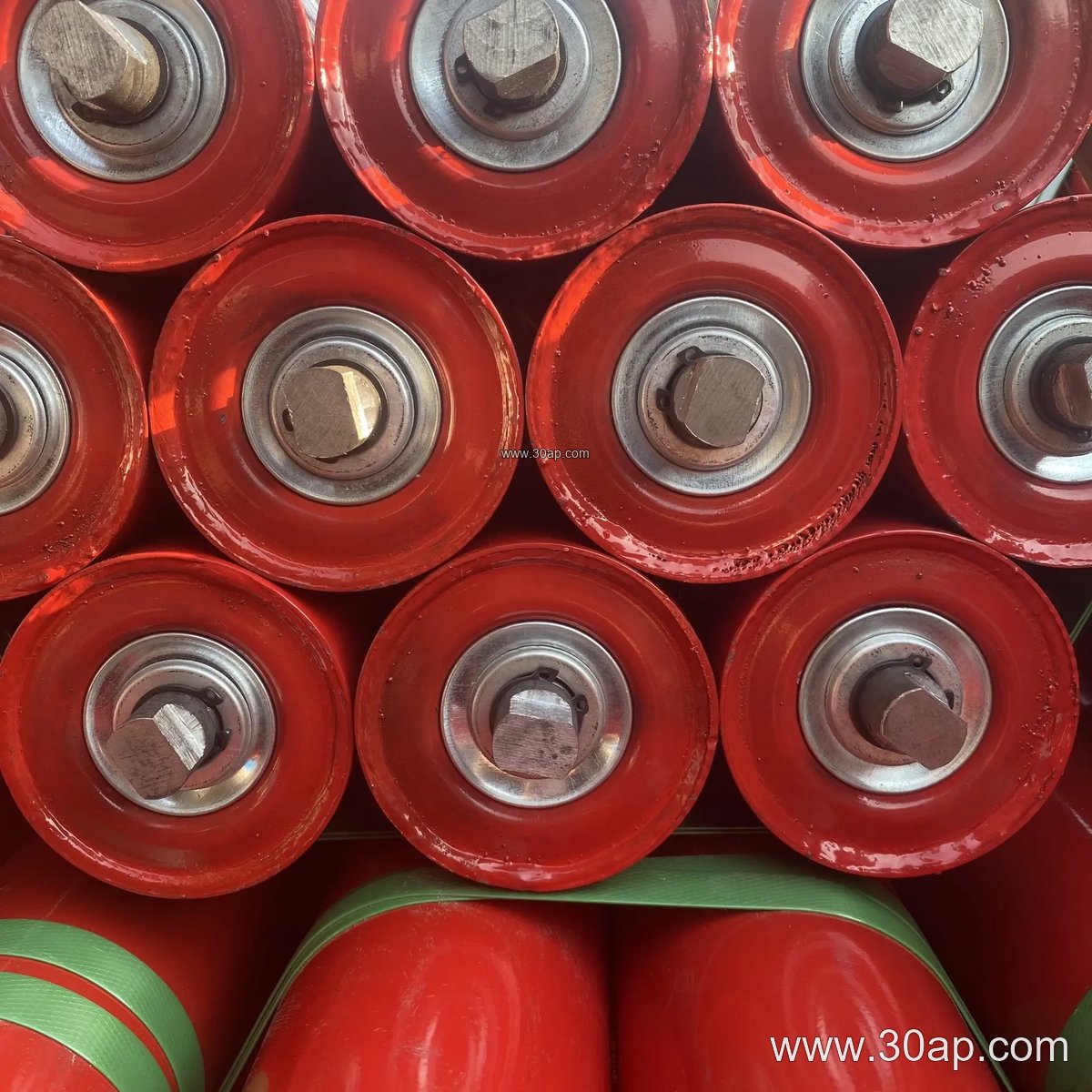
A typical unit is built around a steel tube shell fitted with pressed bearing housings at each end. Inside the housing sit sealed bearings, usually deep-groove ball bearings, with a labyrinth or lip seal arrangement to keep coal dust and water out. The shaft is fixed, and the shell rotates with the bearing inner rings. Roll face options include plain steel tube, nylon, ceramic, and rubber rings; rubber rings are common on impact zones where lump coal drops onto the belt.
Bearing selection is made by load and speed rather than by belt width alone. Common bearing numbers include 6204, 6205, 6305, 6306, 6308, and 6310, and a given roller diameter may be offered with more than one bearing size depending on the duty. Shaft diameter should always be confirmed from the manufacturer’s drawing for the specific frame, never assumed from belt width.
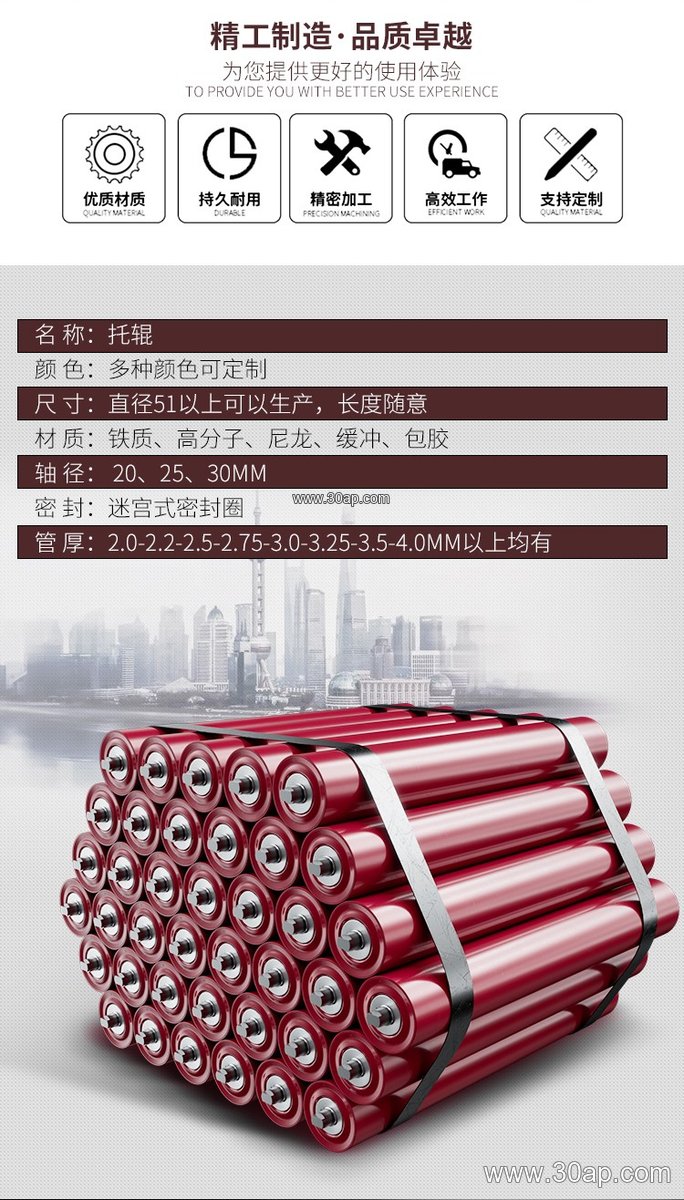
Common Idler Types and Where They Sit
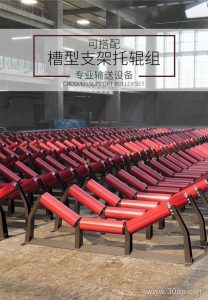
The carrying side usually uses three-roll troughing sets to give the belt a trough profile, while the return side uses flat or V-return rollers. Transition idlers ease the belt from flat to troughed at the head and tail. Impact idlers with rubber rings are placed below the loading point. Self-aligning types, including friction and tapered designs, correct minor belt drift. Spiral rollers are sometimes used on the return side to shed sticky material.
Trough angle has a direct effect on coal. A 20 degree trough suits fine, free-flowing material; 30 and 35 degrees are common for general coal haulage; 45 degrees gives a deeper trough and higher capacity but increases belt edge stress. A small forward tilt of about 1.5 to 2 degrees is used on some carrying idlers to assist tracking. These are design choices, not fixed rules for every conveyor.
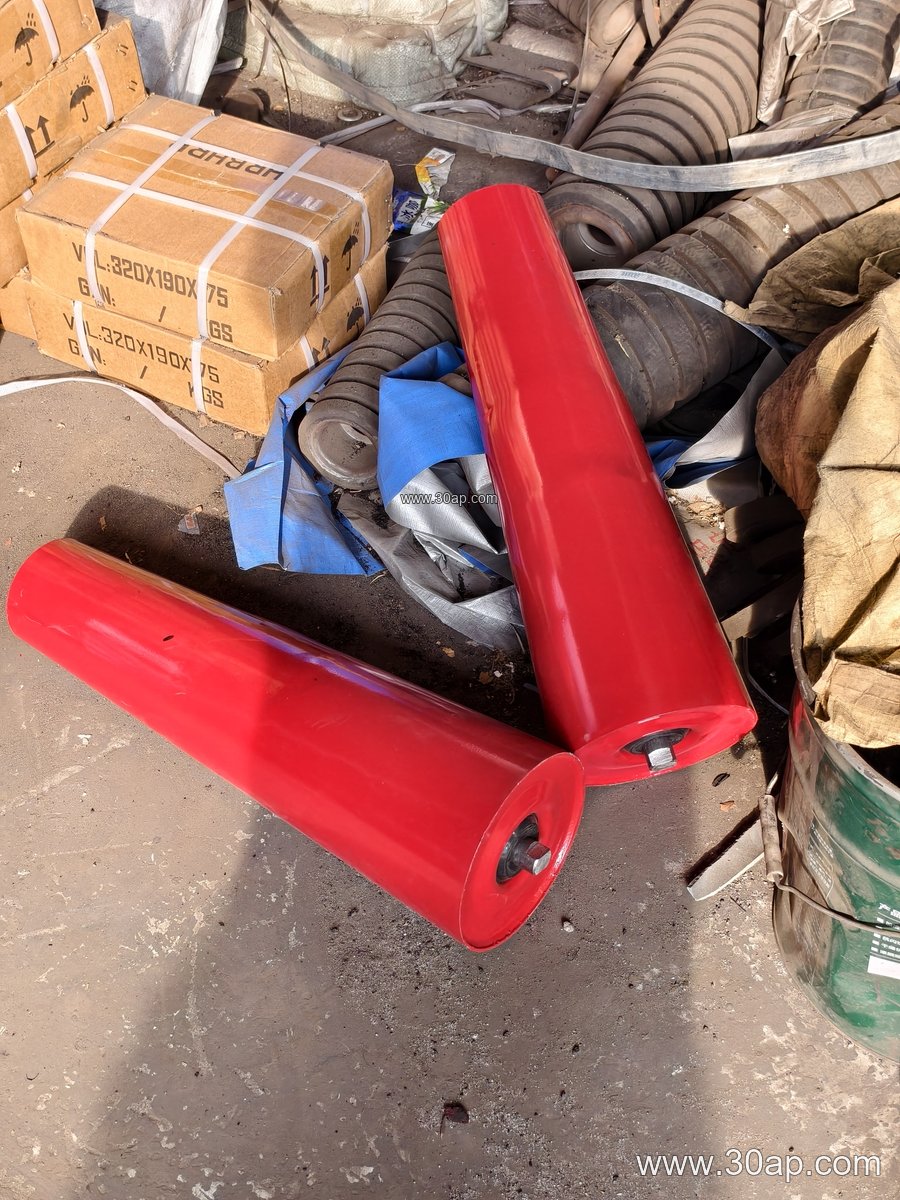
Reference Dimensions for Early Planning
The table below lists commonly referenced values; actual roller length depends on belt width, trough angle, and roll arrangement, and side rolls may differ from the centre roll.
| Belt width | Typical roll length, three-roll troughing | Common roller diameters |
|---|---|---|
| B500 | about 200 mm | Ø63, Ø76, Ø89 |
| B650 | about 250 mm | Ø76, Ø89, Ø102 |
| B800 | about 315 mm | Ø89, Ø102, Ø108 |
| B1000 | about 380 mm | Ø102, Ø108, Ø127, Ø133 |
| B1200 | about 465 mm | Ø108, Ø127, Ø133, Ø159 |
| B1400 | about 530 mm | Ø127, Ø133, Ø159, Ø178 |
| B1600 | about 600 mm | Ø133, Ø159, Ø178, Ø194 |
| B1800 | about 670 mm | Ø159, Ø178, Ø194, Ø219 |
| B2000 | about 750 mm | Ø178, Ø194, Ø219 |
These figures are examples for preliminary discussion only. Final dimensions come from the conveyor design and the frame drawing.
Where These Rollers Are Used
Underground coal faces and gate roads are the most demanding application, followed by coal washing plants where wet, fine material can cling to the shell. Power plant coal handling systems run long overland and gallery conveyors that depend on low rolling resistance. In a quarry or aggregate line, heavy-duty mining conveyor belt duty calls for thicker shells and larger diameters, while a cement plant often uses abrasion resistant conveyor belt grades over the same basic roller design.
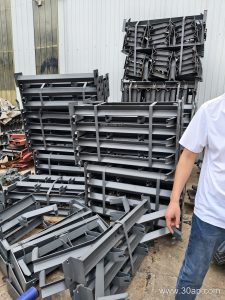
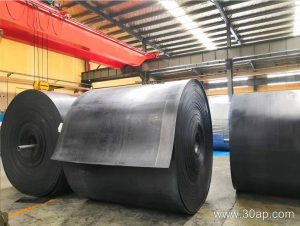
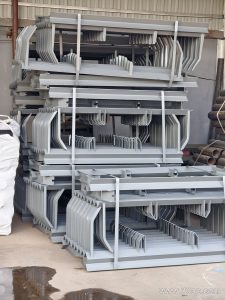
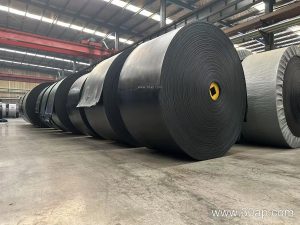
Other related equipment in these circuits includes the conveyor pulley at the drive and tail, the conveyor bracket that ties the frame to the structure, and the belt itself, whether an EP conveyor belt, a steel cord conveyor belt, or a flame retardant conveyor belt for underground service. Rollers do not replace pulleys; the two perform different jobs.
What a Buyer Should Confirm
- Roller diameter, shell thickness, and bearing size for each position, not one generic spec for the whole conveyor.
- Sealing class and dust protection appropriate to washing plants or dry coal dust.
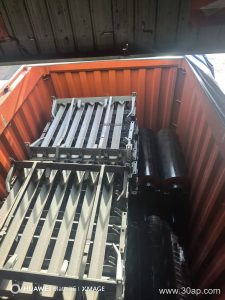
- Frame and bracket dimensions, including fixing centres and shaft ends.
- Whether the installation needs impact, self-aligning, or transition idlers at specific points.
- Spare parts strategy, since idlers are consumables and replacement speed matters underground.
Matching the idler to the belt, the load, and the environment is what keeps a coal mine belt conveyor idler running quietly for its full service interval.