What a Carrying Idler Set Does on a Conveyor
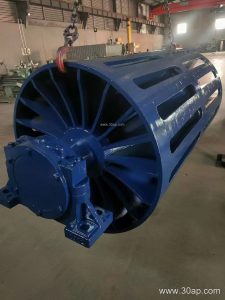
A carrying idler set is the group of rollers that supports the loaded run of a conveyor belt. In a typical troughing arrangement, three idlers form a cradle that shapes the belt into a trough, keeping bulk material centered and reducing spillage. This assembly is often called a troughing idler set or simply a carrying idler station. It works together with the conveyor pulley, conveyor bracket, and the belt itself to keep material moving efficiently.
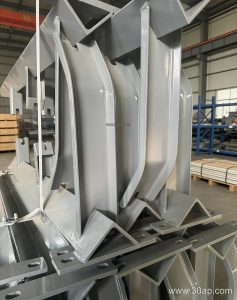
Unlike a single idler roller, a carrying idler set is a matched assembly. The rollers, shaft, and frame are designed to work as one unit. The set is mounted on the conveyor frame and positioned along the carrying side, usually at intervals that depend on belt width, material weight, and conveyor speed.
Construction and Common Configurations
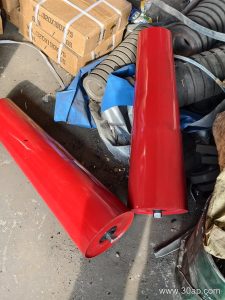
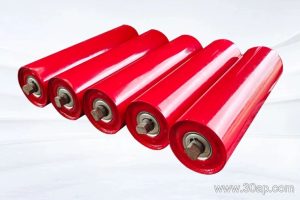
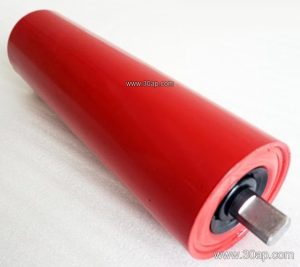
Most carrying idler sets use steel tubes for the roller shell, fitted with sealed bearings at each end. Bearing sizes such as 6204, 6205, 6305, 6306, 6308, and 6310 are common, but the bearing is selected to match the load and speed requirements of the application, not simply the roller diameter. Roller surfaces may be plain steel, nylon, ceramic, or rubber-covered, depending on whether the priority is abrasion resistance, material build-up prevention, or quiet operation.
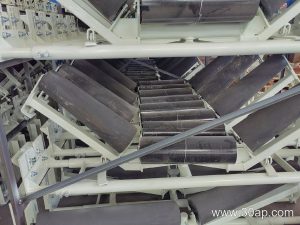
The set can be supplied as a single-roller, two-roller, or three-roller troughing arrangement. Three-roller sets are the most common for bulk handling because they provide a deeper trough and better belt support. Trough angles of 20, 30, 35, and 45 degrees are typical. A small forward tilt of about 1.5 to 2 degrees is sometimes used to help keep the belt centered, but this is a design choice, not a universal requirement.
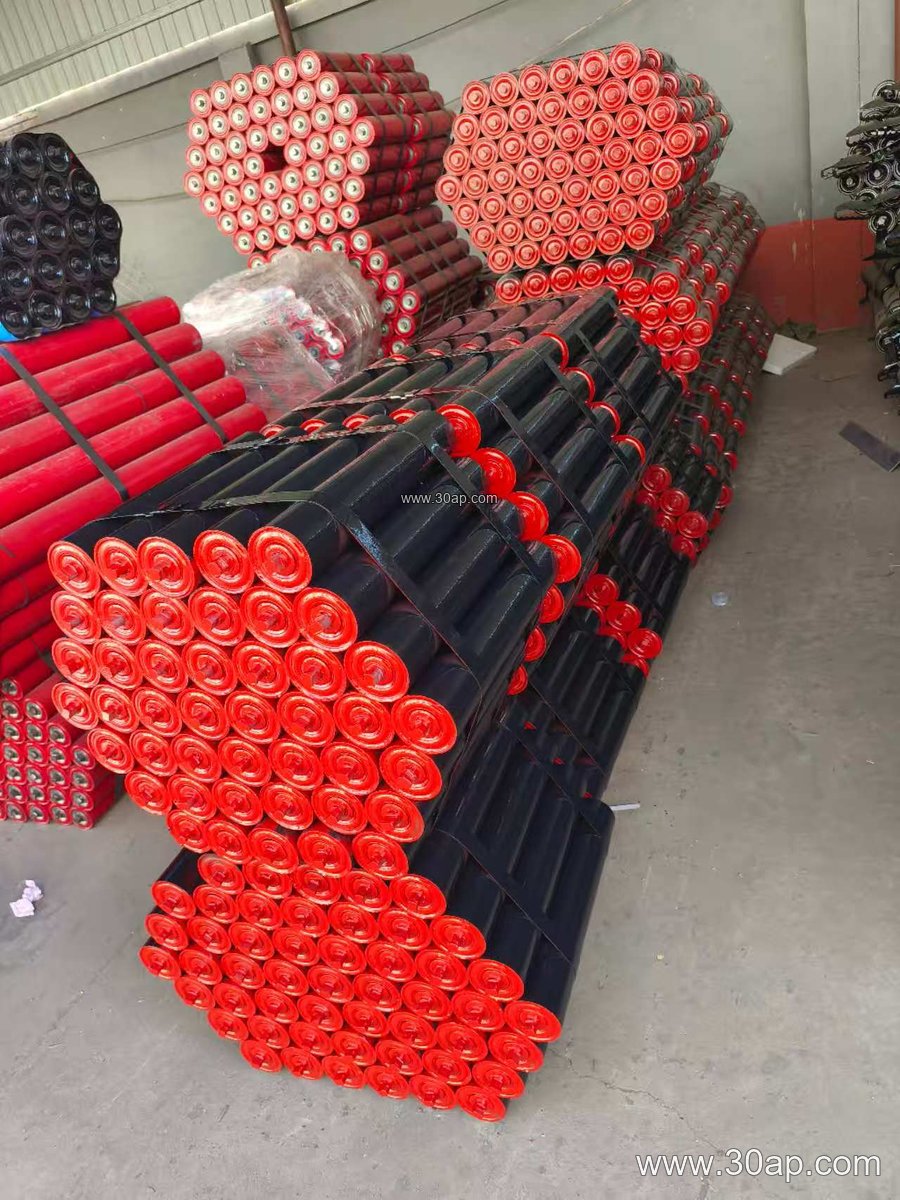
Roller diameter and length vary with belt width and trough angle. For example, a three-roller set for a B800 belt often uses rollers around 315 mm long, while a B1200 set may use rollers around 465 mm long. These are common examples only; side rollers and center rollers can differ, and the final dimensions are determined by the conveyor design. The shaft diameter is also selected from the load and mounting arrangement, not from belt width alone.
Where Carrying Idler Sets Are Used
These assemblies appear wherever a conveyor belt carries bulk material. In a quarry or aggregate line, they support crushed stone and sand on the main haulage conveyor. In a coal mining operation, they keep coal centered on the belt through transfer points and long straight runs. Cement plants use them on clinker and raw material conveyors, while power plants rely on them for coal handling. They are also found in steel mills, port loading systems, and tunnel spoil removal.
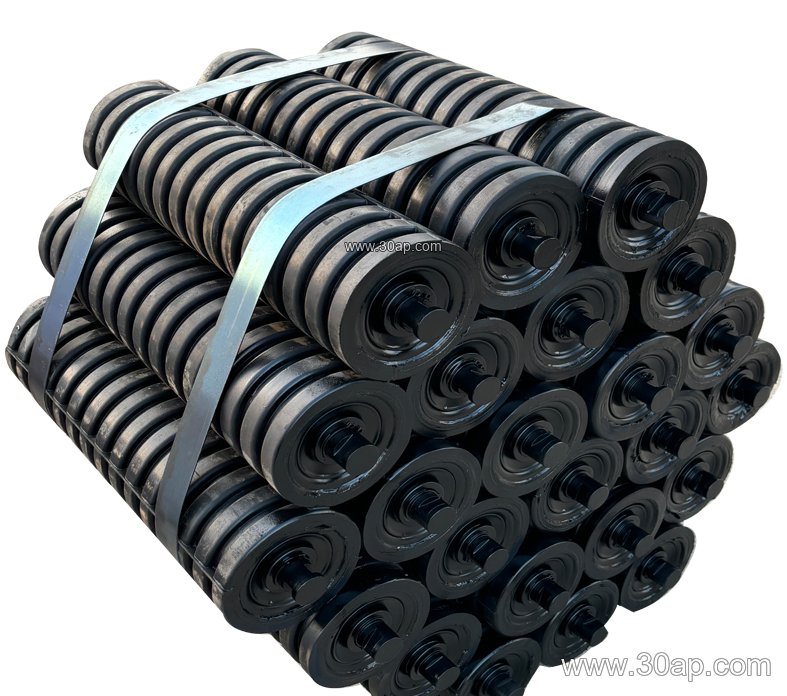
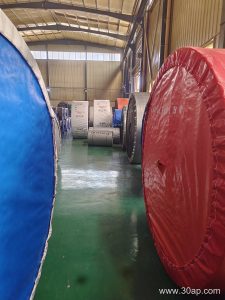
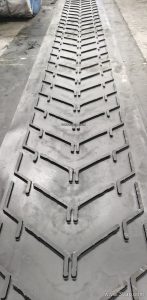
The belt itself may be a rubber conveyor belt, an EP conveyor belt, or a steel cord conveyor belt, depending on the duty. A heavy-duty mining conveyor belt with high abrasion resistance may need a robust idler set with thicker shells and reliable seals. In dusty or wet conditions, sealed bearings and good protection against material ingress matter more than a small difference in roller diameter.
Selection and Maintenance Notes
When choosing a carrying idler set, consider the belt width, trough angle, material density, and operating environment. A set that is too light for the load will wear quickly; one that is oversized may add unnecessary weight and cost. Check that the roller length and shaft fit the conveyor bracket and frame. For abrasive materials, rubber-covered or ceramic rollers can extend service life. For sticky materials, nylon or smooth steel rollers may reduce build-up.
Maintenance is mostly about inspection. Listen for noisy bearings, check for seized rollers, and look for material caught between the roller and the belt. A worn idler set can cause belt misalignment and edge damage. Replacing a complete set rather than a single roller is often practical when the rollers are matched, but always confirm the new set matches the existing trough angle and mounting dimensions.
In short, the carrying idler set is a simple but critical part of any belt conveyor. Matching it to the belt, the material, and the operating conditions keeps the conveyor running smoothly and protects the belt from unnecessary wear.