What Is a Heat Resistant Conveyor Belt
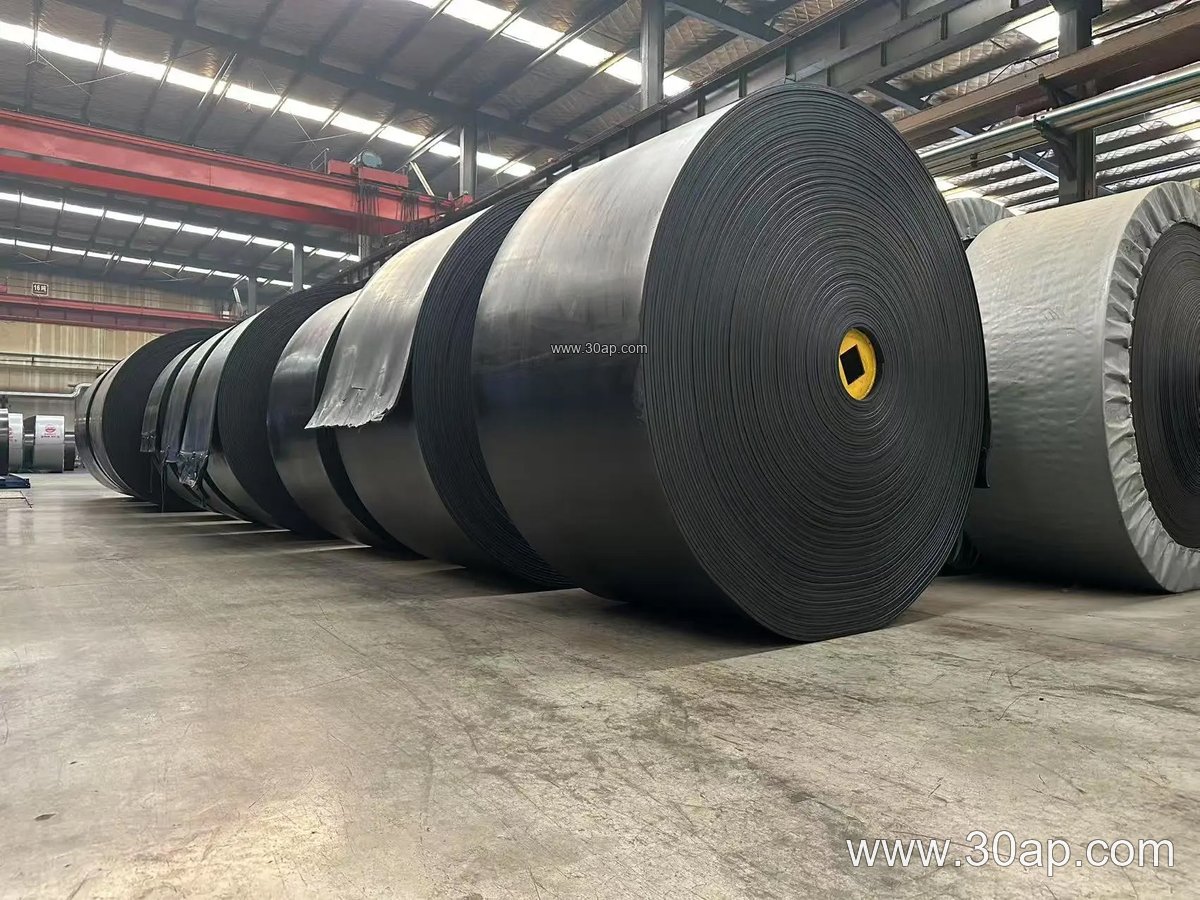
A heat resistant conveyor belt is a rubber conveyor belt designed to carry hot materials without excessive cover hardening, cracking, or premature failure. It is the belt of choice in cement plants, steel mills, power plants, and sinter plants where clinker, coke, ash, or hot castings move along the line. Unlike a standard Rubber Conveyor Belt, the heat resistant version uses a cover compound that resists thermal aging, and its carcass is selected to hold strength when the belt surface stays warm for long periods.
Construction and Material Options
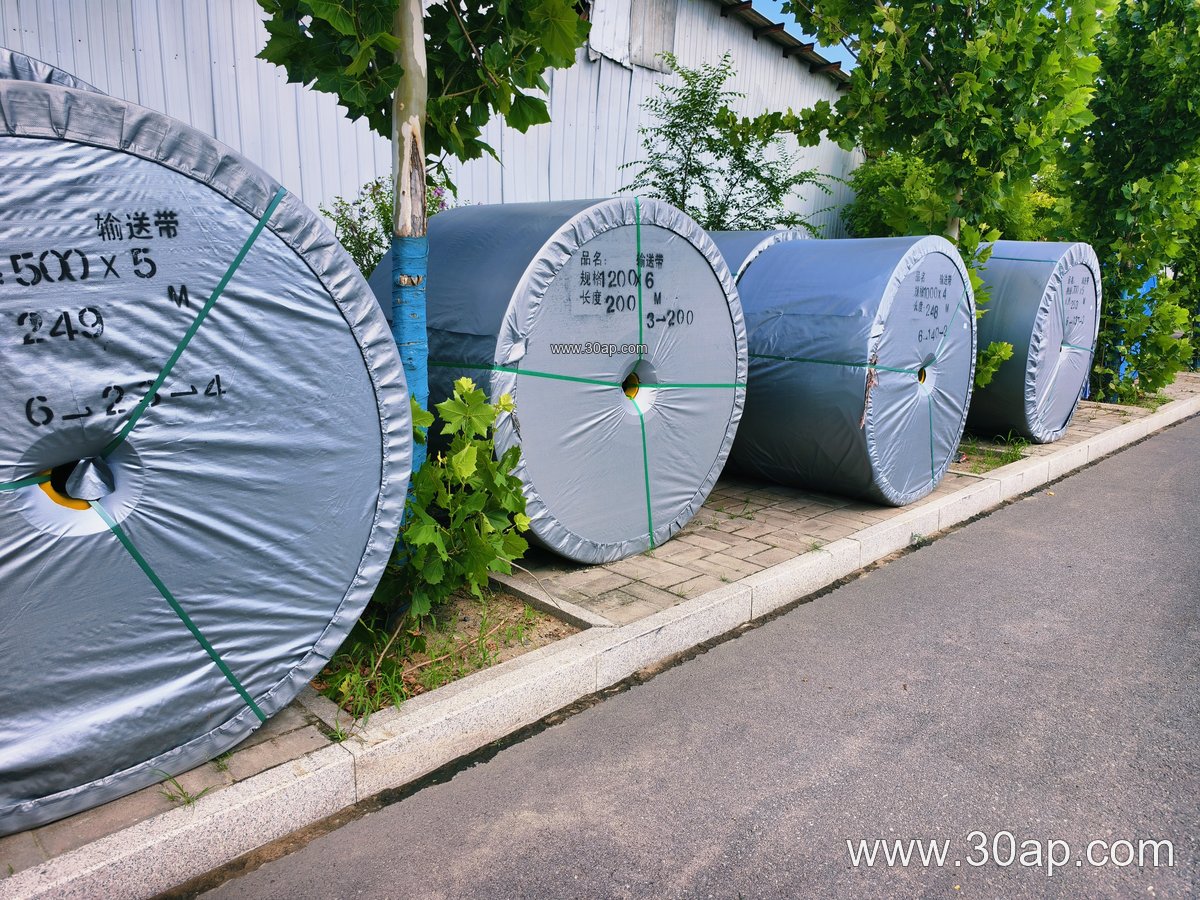
The belt usually combines a fabric core or steel cord carcass with a heat resistant cover. Common carcass choices include EP Conveyor Belt constructions (EP100 to EP1600) and NN Conveyor Belt types, while heavy-duty lines may use Steel Cord Conveyor Belt grades such as ST1000 to ST2500. The cover grade is the key differentiator: it may be formulated for moderate heat or for higher temperature exposure, and the rubber is often tested for hardness retention and crack resistance after oven aging. A fabric core belt with multiple plies, such as a Multi-Ply Fabric Core Conveyor Belt, can be built with heat resistant covers for medium-duty service. For very hot, abrasive loads, a High Abrasion Resistant Conveyor Belt compound may be combined with heat resistance, but the two properties are balanced by the manufacturer.
Common Construction Reference
| Item | Typical Options |
|---|---|
| Carcass | EP, NN, steel cord |
| Cover thickness | 3+1.5, 4+2, 5+2, 6+2, 8+3 mm |
| Ply count | 2 to 6 layers |
| Belt width | B500 to B2000 mm |
These values are common references and should be confirmed with the belt supplier for each application.
Where It Is Used
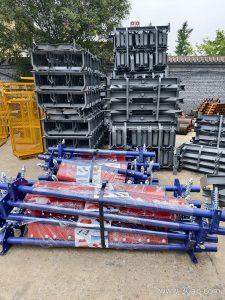
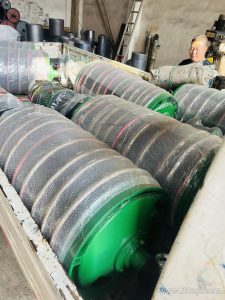
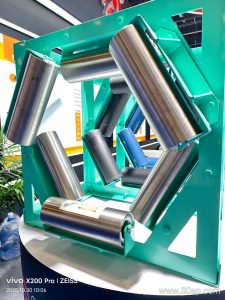
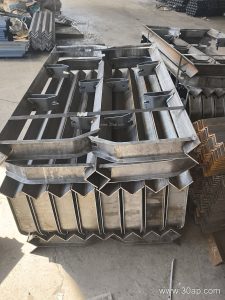
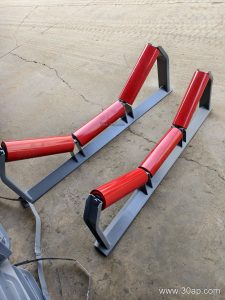
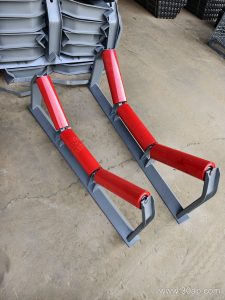
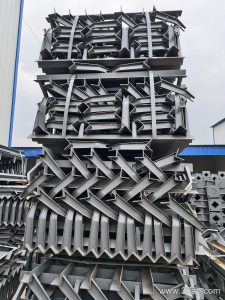
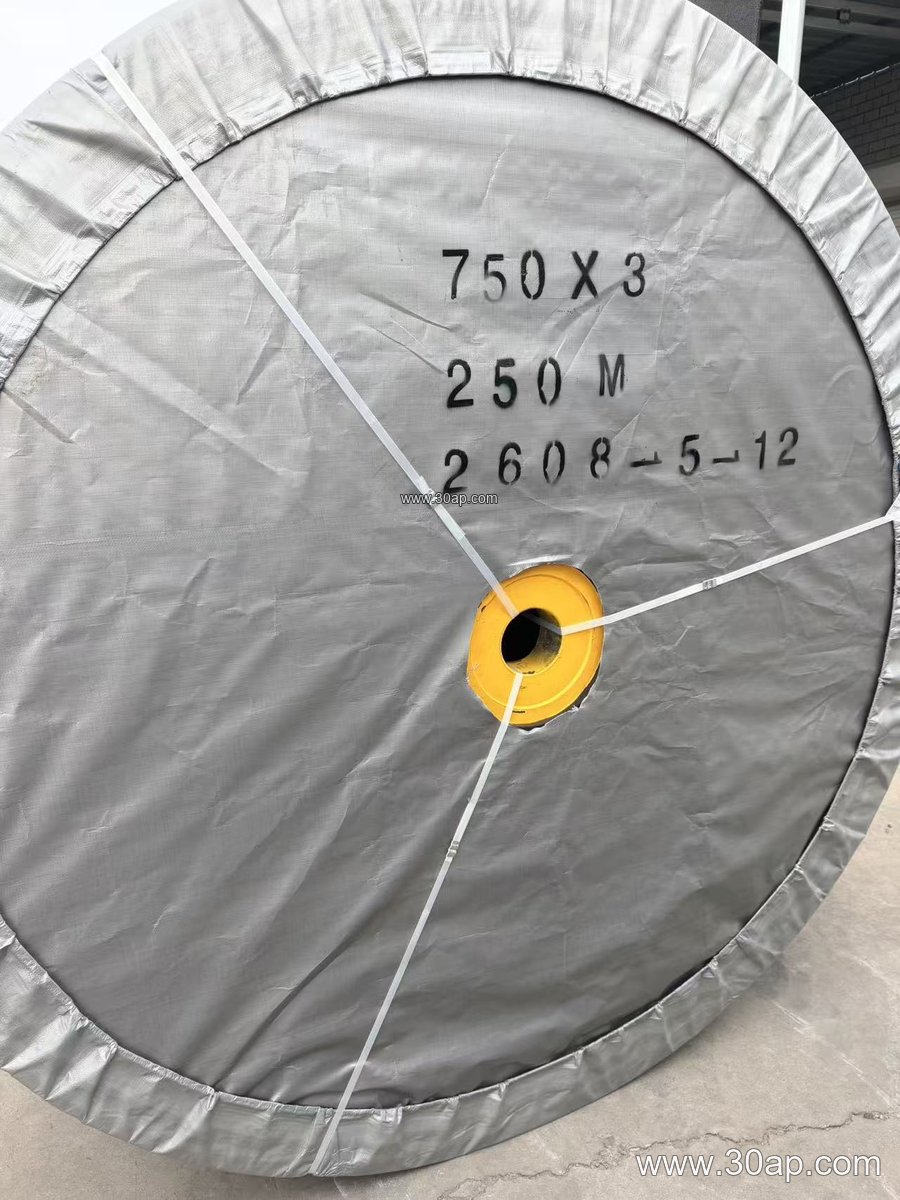
Heat resistant belts appear in cement plant clinker transport, power plant ash handling, steel plant sinter and coke lines, and foundry sand systems. In mining, they may carry hot ore or processed material after drying. The belt often runs over conveyor pulleys and idler rollers that must also tolerate heat, and the conveyor bracket and frame should allow for thermal expansion. A Chevron Conveyor Belt or Corrugated Sidewall Conveyor Belt can be built with heat resistant rubber when the path is inclined and material spillage is a concern, but these are separate designs and not replacements for a flat heat resistant belt.
Selection Points for Buyers
- Temperature range: Confirm the maximum material temperature and the belt surface temperature, because the two differ. A belt rated for 120°C material may see a higher cover temperature at the loading point.
- Material shape and abrasion: Clinker and coke are abrasive; a Heat Resistant Conveyor Belt with a tougher cover may last longer, but check that the heat rating is not reduced.
- Carcass strength: Match the belt to the conveyor tension. EP200 to EP1000 belts cover many medium-duty lines, while ST1600 and above suit long, high-tension routes.
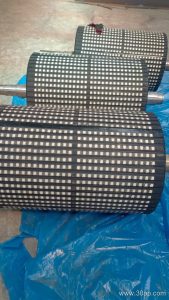
- Pulley and idler compatibility: Heat affects conveyor pulley lagging and idler roller bearings. Keep the belt speed and loading conditions within the conveyor design.
- Safety and environment: In coal mining or underground mining, a Flame Retardant Conveyor Belt or Fire Resistant Conveyor Belt may be required alongside heat resistance; not every heat resistant belt is also flame retardant.
Maintenance and Handling
Inspect the belt regularly for cover cracks, edge wear, and splice condition. Hot material can cause the cover to harden, so track cover hardness over time and plan replacement before the carcass is exposed. Keep idler rollers turning freely, because a seized roller can create a hot spot under the belt. Store spare belts away from direct sunlight and heat sources, and avoid sharp bends during installation. For a quick reference on matching belt width and conveyor components, visit conveyorbeltpro.com for heat resistant belt guidance. A properly selected Heat Resistant Conveyor Belt, combined with good conveyor maintenance, helps keep high-temperature material handling safe and productive.