Why Conveyor Brackets Matter More Than You Think
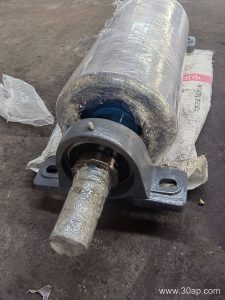
The conveyor bracket is the small but critical steel component that anchors rollers, idlers, and drives to the frame. A poorly chosen bracket causes misalignment, vibration, and premature belt wear.
Key Selection Criteria
- Load rating: Match static and dynamic loads, not just belt weight.
- Material: Choose galvanized steel for wet/dusty plants, stainless for food or chemical.
- Adjustability: Slotted holes allow precise roller leveling during installation.
Purchasing Advice
Always verify bracket hole spacing against your existing frame pattern. Order a spare set of fasteners and shims. For high-speed conveyors, request a dynamic test report from the supplier.
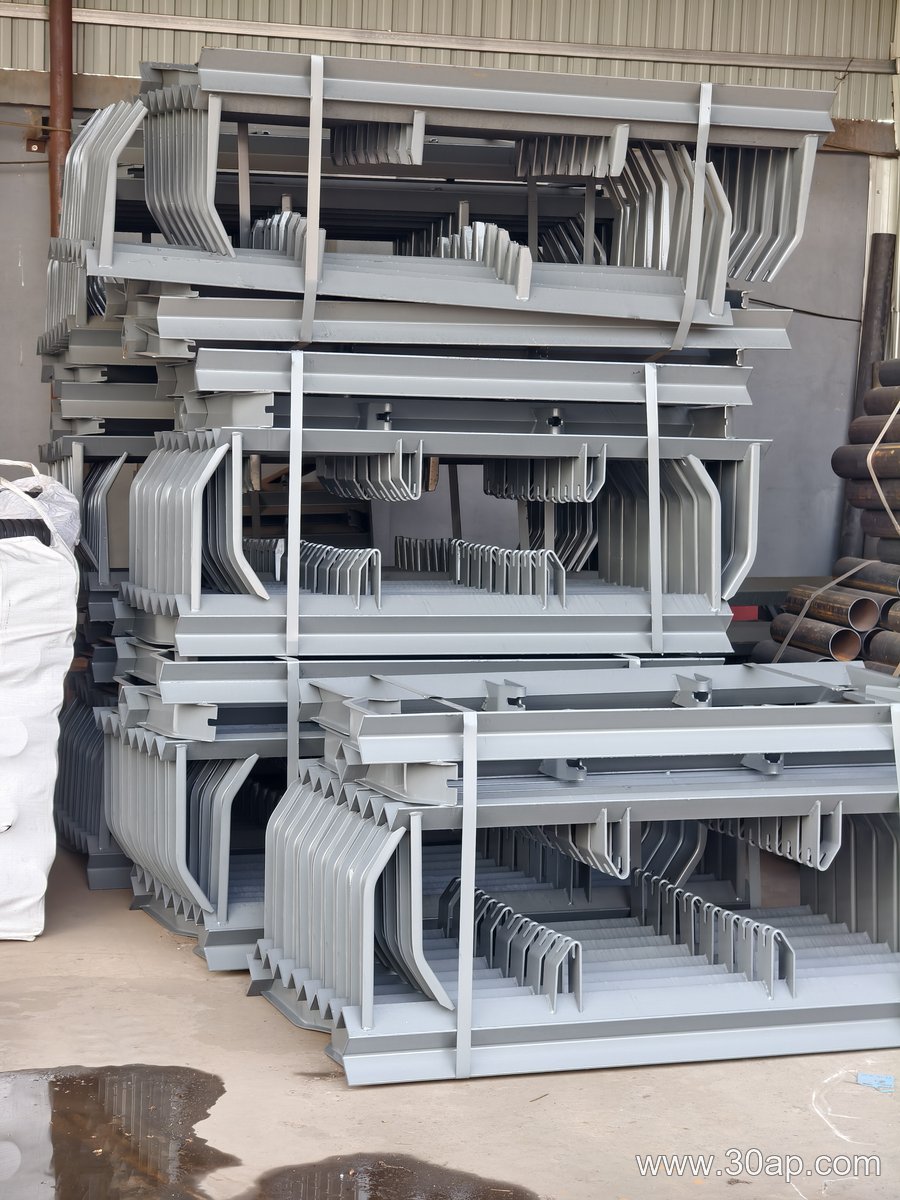
Never weld brackets to the frame if you plan future line reconfigurations—use bolted, modular types instead. This simple choice cuts downtime and retrofit costs by up to 30%.
Conveyor Belt Core Considerations for Industrial Buyers
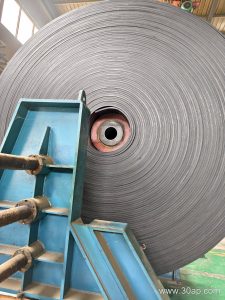
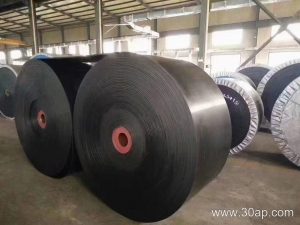
A conveyor belt is the backbone of any bulk handling system. Its choice dictates throughput, energy consumption, and downtime risk. Before specifying, evaluate belt carcass material, cover grade, and splice method against your actual load profile.
Key Selection Parameters
- Load type: Sharp or abrasive materials require a thicker rubber cover (e.g., 8:3 or 10:5 mm) with high abrasion resistance.
- Operating tension: Calculate working tension (kN/m) to match fabric or steel-cord reinforcement. Never oversize purely for safety—it raises cost and pulley diameter needs.
- Temperature range: Standard belts handle -20°C to 60°C. For hot clinker or frozen ore, specify heat-resistant (HR) or cold-resistant (CR) compounds.
Purchasing Advice
Always request a belt with certified elongation at break under 10% for steel-cord, and confirm dynamic splice efficiency above 85%. Order a spare roll of 10% length for emergency repairs. Ask the supplier for a written pulley wrap angle calculation based on your conveyor layout.
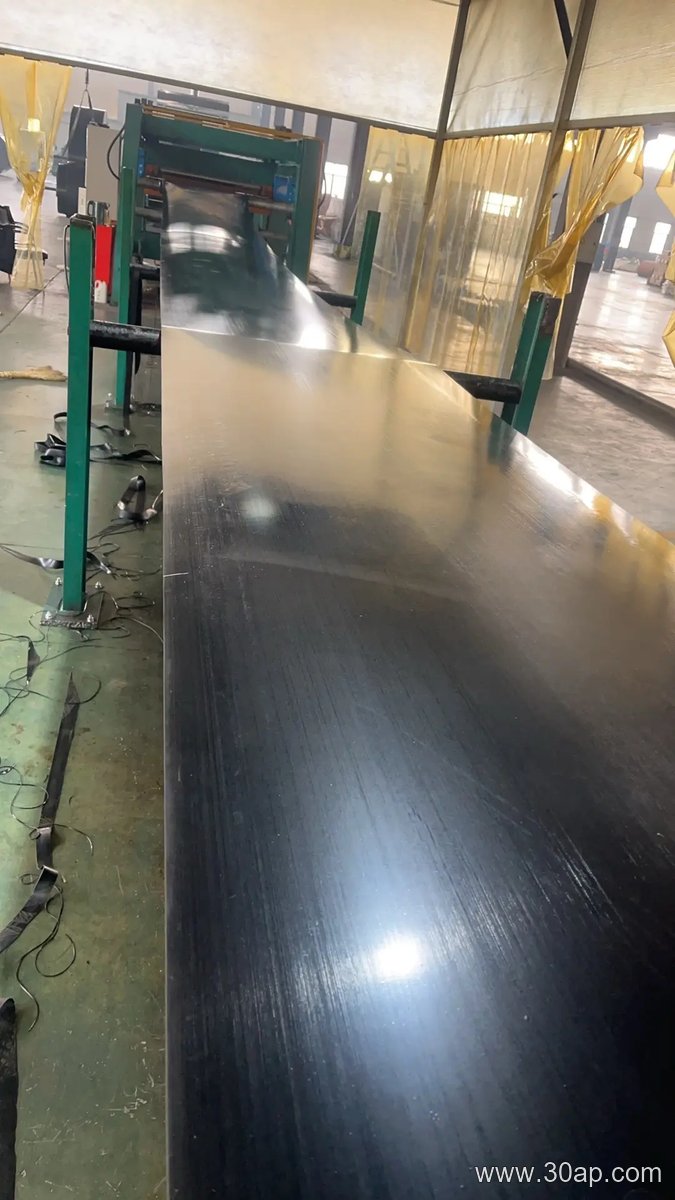
Finally, inspect the belt’s edge sealing and vulcanization quality before shipment—a small surface blister can cause premature carcass damage.
Understanding the Critical Role of the Idler Roller
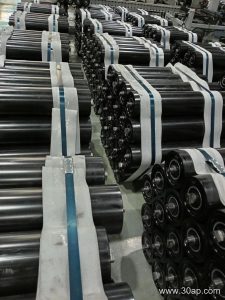
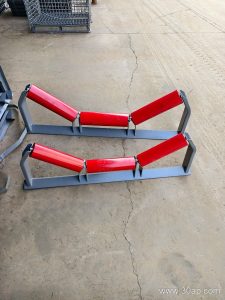
The idler roller is the unsung workhorse of any bulk material handling system. It supports the conveyor belt, shapes the load, and reduces friction along the entire transport path. Without properly selected idler rollers, belts suffer from premature wear, misalignment, and increased energy consumption. Every facility that moves aggregate, grain, or minerals depends on these cylindrical components to maintain uptime and safe operation.
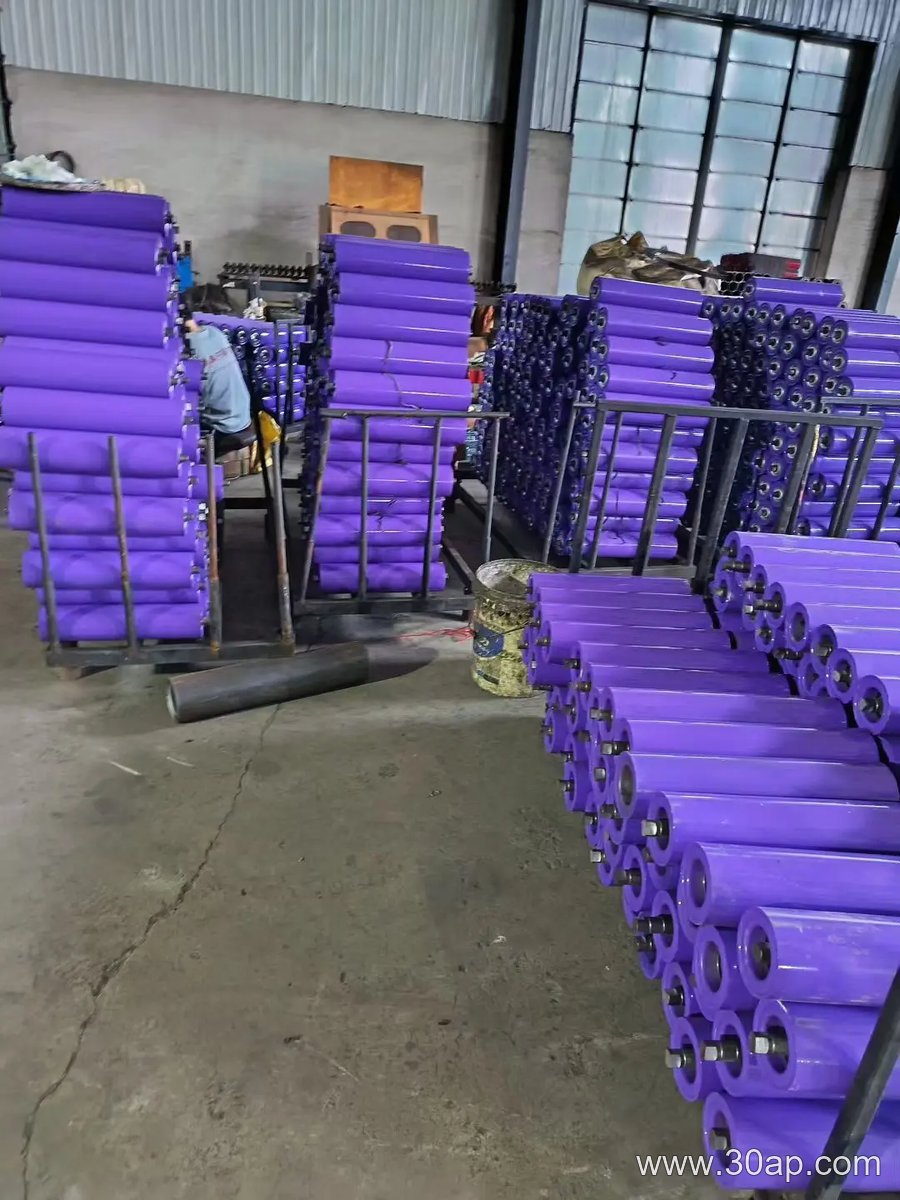
Key Factors When Selecting an Idler Roller
- Load rating: Match the roller’s dynamic capacity to your material weight and belt speed to avoid deflection and premature bearing failure.
- Roller diameter and shell thickness: Larger diameters and thicker shells resist impact at loading zones and extend service life in abrasive environments.
- Sealing system: Choose labyrinth or contact seals based on dust, moisture, and washdown frequency. Proper sealing protects bearings and reduces maintenance intervals.
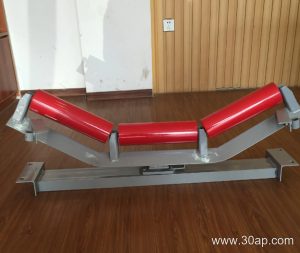
- Frame type and spacing: Troughing, impact, and return idlers have distinct purposes—verify the correct frame angle and spacing for your belt width and load profile.
Purchasing and Maintenance Advice
Always request a true TIR (total indicated runout) specification and check that the idler roller’s steel meets CEMA standards. Buy from suppliers that offer interchangeable dimensions with your existing conveyor. For purchasing, compare the total cost of ownership—not just the upfront price—including expected life, seal replacement ease, and availability of spare rollers. Finally, schedule regular inspection of idler rotation and alignment; a seized roller can cause belt damage and unplanned downtime that far exceeds the cost of a proactive replacement.
Understanding the Conveyor Pulley’s Role
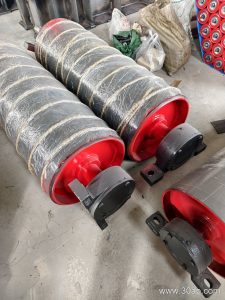
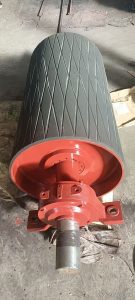
The conveyor pulley is not merely a rotating cylinder; it is the critical component that drives, redirects, and tensions the belt. A poorly chosen pulley causes belt misalignment, premature wear, and costly downtime.
Key Types and Their Applications
- Drive pulleys – mounted on the motor shaft; require lagging for increased friction and grip.
- Bend pulleys – used to change the belt’s direction, typically at the tail or take-up section.
- Snub pulleys – increase the wrap angle on the drive pulley for higher torque transfer.
- Tension pulleys – maintain proper belt sag and alignment under varying loads.
Selection and Purchasing Advice
First, calculate the belt tension, shaft load, and pulley diameter based on your conveyor length and material weight. Always specify the shell thickness, hub type, and bearing size to match the operating environment—use crowned faces for belt tracking in long systems.
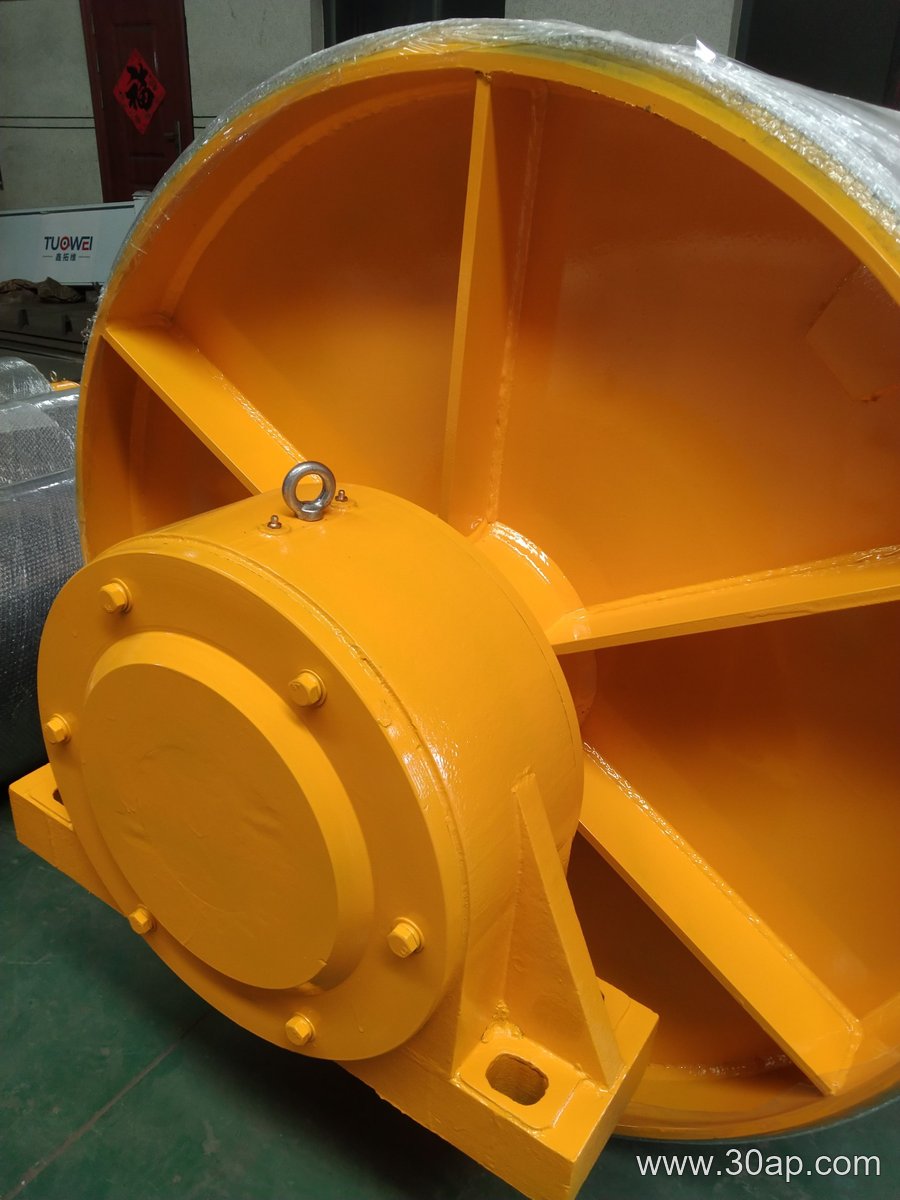
For corrosive or abrasive materials, choose stainless steel or rubber-lagged pulleys with sealed bearings. Verify that the pulley’s crown angle (typically 1–2 degrees) and surface finish align with your belt’s splice type.
When purchasing, request the manufacturer’s dynamic balancing certificate and tolerance data. Compare cost per ton of conveyed material, not just upfront price. Ensure spare pulleys are available for critical drives to minimize unplanned stoppages.