What a Conveyor Bracket Does on the Line
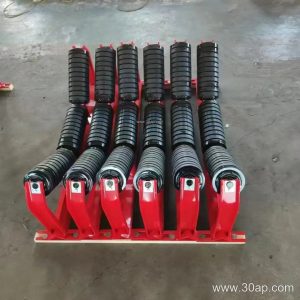
A conveyor bracket is the structural interface between the idler roller and the conveyor frame. It holds each roller at the correct height, angle, and spacing so the conveyor belt keeps its trough shape and tracks smoothly. In a quarry, a cement plant, or a power plant coal yard, the bracket may look like a small item, but it carries a large share of the belt and material load. That is why matching the bracket to the roller, the belt width, and the duty condition matters more than many buyers expect.
Engineers also call this part a conveyor support bracket or roller bracket. The name changes with the region and the drawing, but the function is the same: locate the idler roller, spread the load into the frame, and allow simple replacement during maintenance.
How the Bracket Is Built
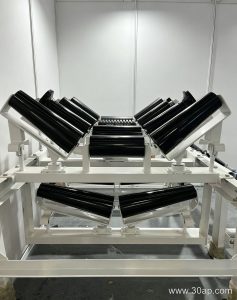
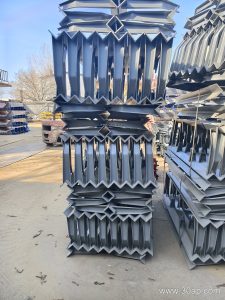
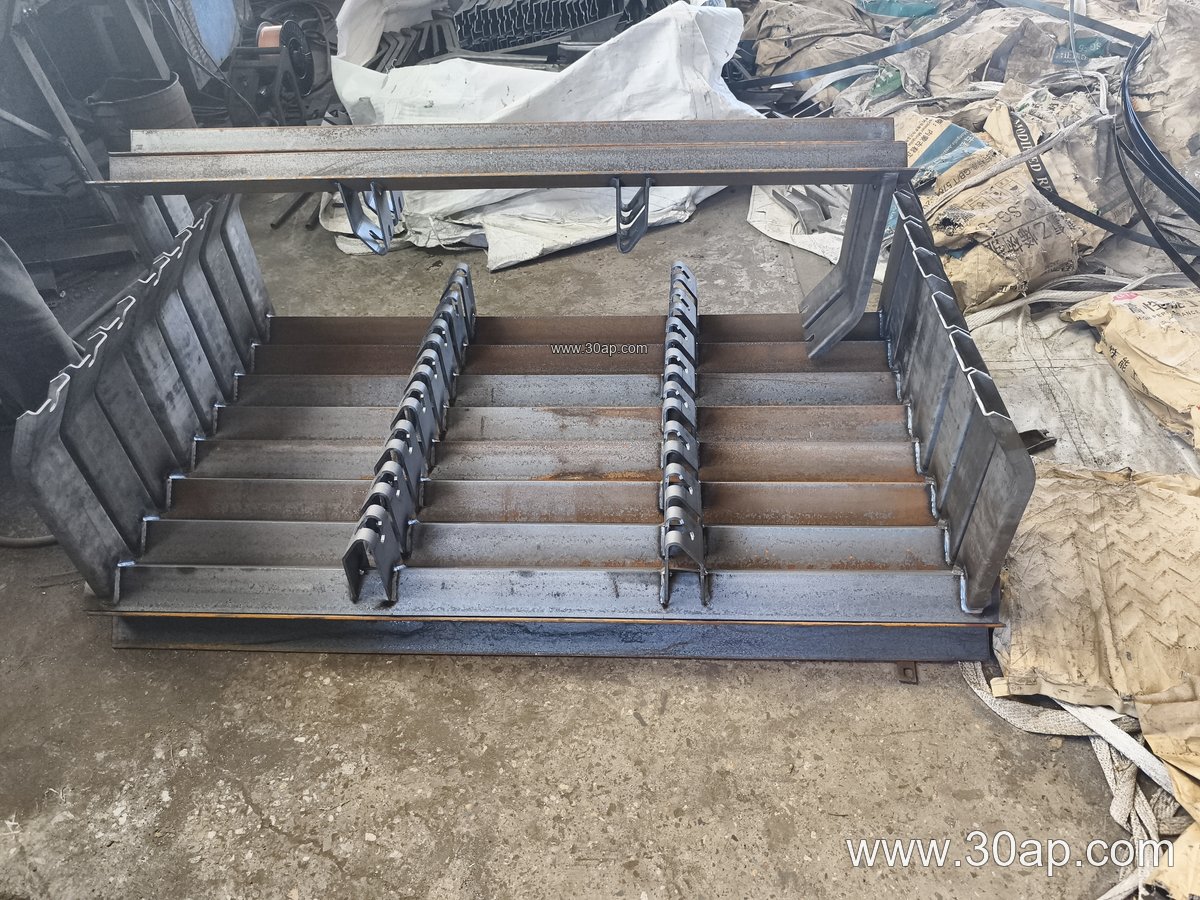
Most conveyor brackets are fabricated from angle steel, channel steel, or folded steel plate. The material and thickness follow the load case rather than a single standard. A light aggregate line may use a folded plate bracket, while a heavy iron ore or crusher discharge point often calls for a channel section with reinforced mounting holes.
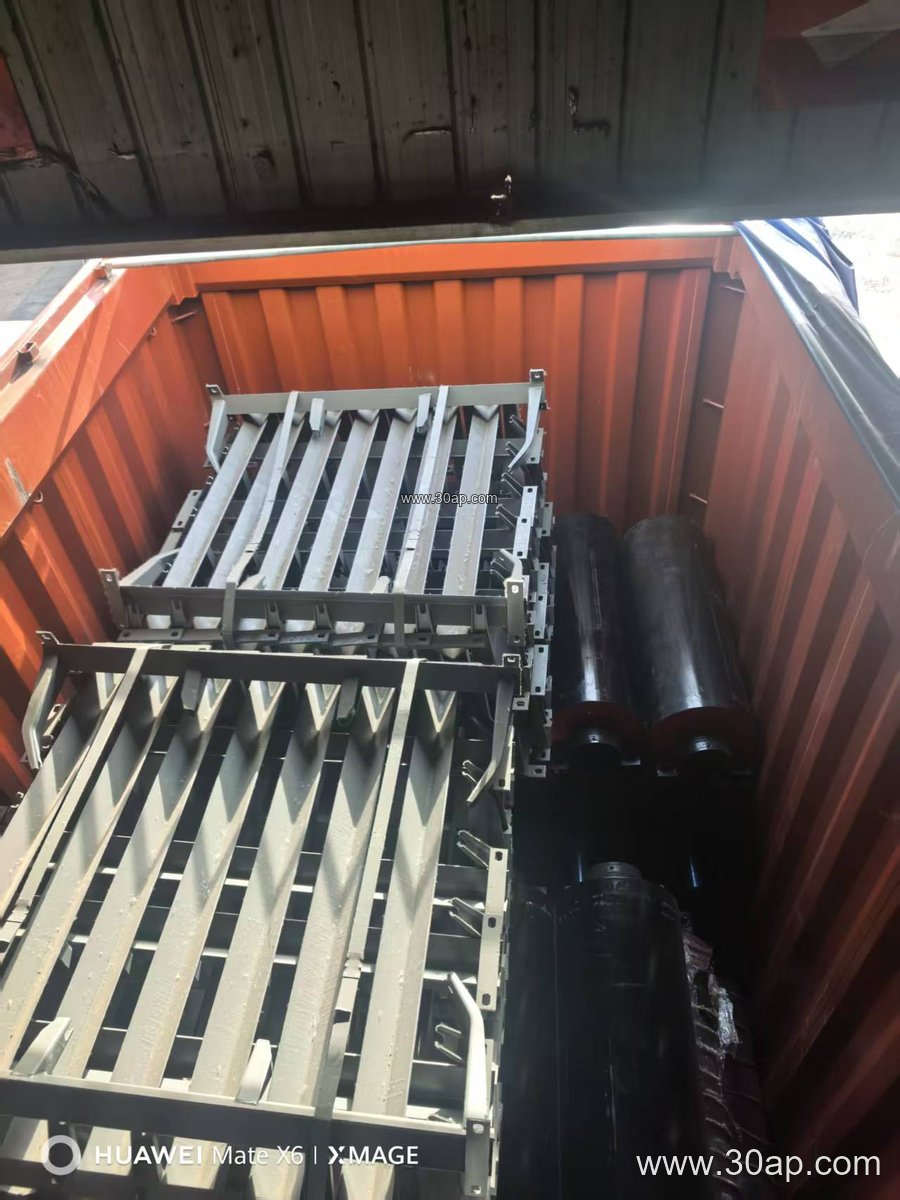
Typical features include:
- Slotted or drilled mounting holes for alignment and adjustment
- Shaped seats that match the roller shaft end
- Bent edges or gussets to resist twisting under load
- Powder coating or galvanizing for corrosion protection
The bracket is usually bolted to the frame rather than welded, so a damaged unit can be swapped without cutting steel. On a long overland conveyor, this saves hours of downtime. Interested buyers often compare bracket drawings together with the conveyor pulley and idler roller schedule; you can find related reference pages at cnc-centre.com and review conveyor pulley options at cnc-centre.com as part of the same layout package.
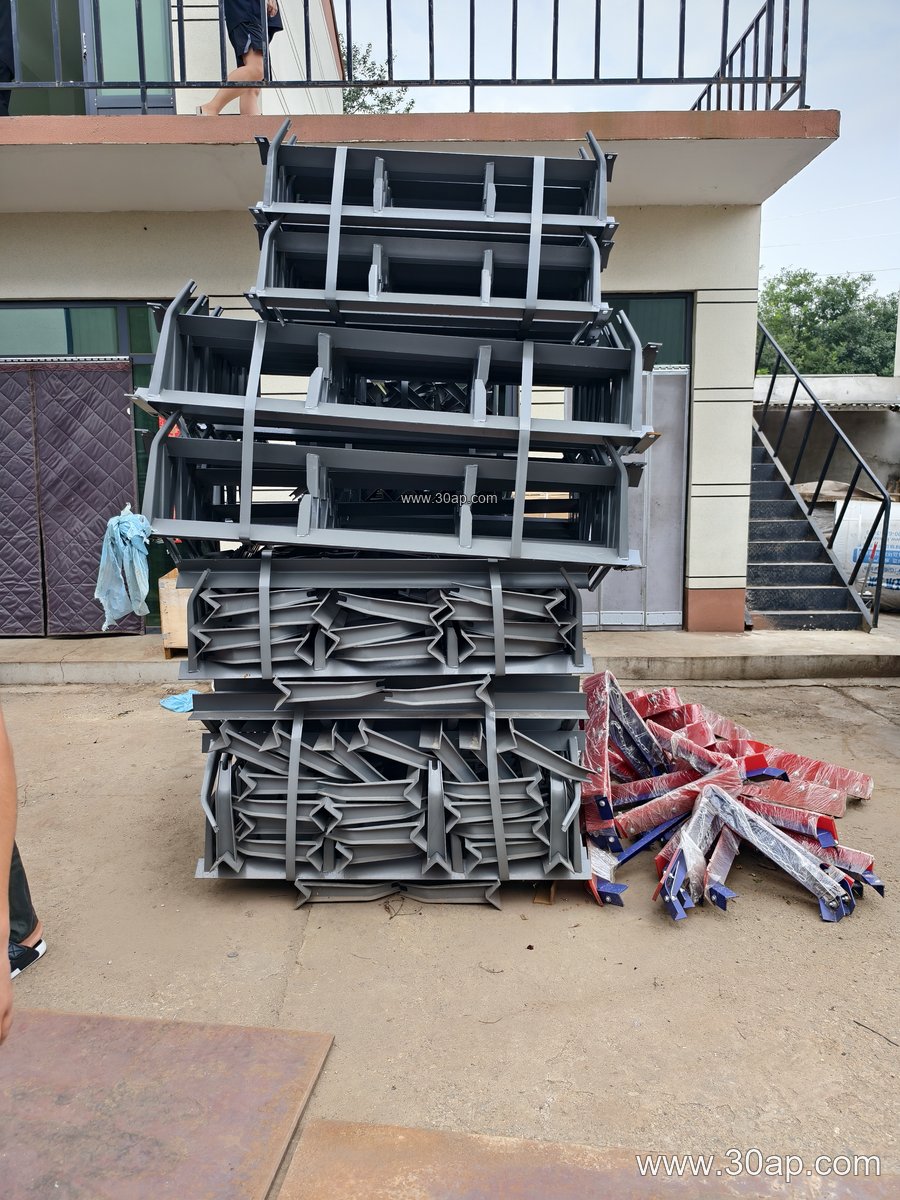
Common Bracket Types and Where They Sit
Trough and Transition Brackets
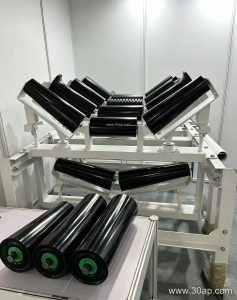
Carrying-side brackets set the trough angle. Common angles are 20, 30, 35, and 45 degrees, and adjustable designs can move between these positions. A transition bracket near the head or tail pulley gradually changes the belt from flat to troughed, reducing edge stress.
Return and V-Return Brackets
Return brackets support the empty belt. A flat return bracket is simple and common on short lines, while a V-return bracket helps center the belt on long runs. These are not interchangeable with carrying brackets, and the drawing should state which side is intended.
Impact, Self-Aligning, and Suspended Designs
At a crusher discharge or transfer point, impact brackets carry cushion rollers and absorb falling material. Self-aligning brackets allow slight rotation to correct belt drift. Suspended brackets hang from a structure and suit mobile or compact stations. Each type solves a different problem, so the selection should follow the actual fault rather than a generic upgrade.
Matching Bracket, Belt Width, and Roller Diameter
Bracket span, mounting hole spacing, and crossbeam length change with belt width and trough angle. Common belt widths range from B500 and B650 up to B2000 and B2200, and roller diameters such as Ø89, Ø108, Ø133, Ø159, and Ø194 appear across these widths. A B800 line at 35 degrees with Ø108 rollers is a familiar combination, and a B1200 line at 45 degrees with Ø133 rollers is equally common. These are reference examples, not fixed rules; a wider belt does not automatically dictate one roller diameter, and the final match comes from the belt tension, load, and frame design.
| Belt Width | Typical Trough Angle | Common Roller Diameter | Bracket Note |
|---|---|---|---|
| B500 | 20–30 degrees | Ø89 | Light frame, folded plate |
| B650 | 30 degrees | Ø89–Ø108 | Adjustable option useful |
| B800 | 35 degrees | Ø108 | Standard carrying bracket |
| B1000 | 35–45 degrees | Ø108–Ø133 | Check hole spacing |
| B1200 | 45 degrees | Ø133 | Reinforced channel section |
| B1400–B1600 | 35–45 degrees | Ø133–Ø159 | Heavy duty, transition care |
| B1800–B2200 | 35–45 degrees | Ø159–Ø194 | Project-specific design |
On the belt side, a heavy-duty mining conveyor belt or an abrasion resistant conveyor belt may need stiffer support than a lighter fabric core conveyor belt. A steel cord conveyor belt on a long haul benefits from consistent bracket alignment, while a chevron conveyor belt or corrugated sidewall conveyor belt needs clearance checks around the bracket and roller seats.
Buyer Checklist Before Ordering
Send the frame drawing, belt width, trough angle, roller diameter, and mounting hole pattern. State the environment: dusty coal handling, wet sand and gravel, or high-temperature clinker near a cement kiln. Confirm whether the bracket is fixed or adjustable, and whether it is for the carrying or return side. Ask for the material thickness and surface treatment. A clear drawing prevents the most common error, which is a bracket that fits the roller but not the frame.
Good brackets are quiet, cheap to replace, and easy to align. That combination keeps the belt centered, extends roller life, and reduces spillage from a misprofiled trough.