What a Trough Idler Bracket Set Does
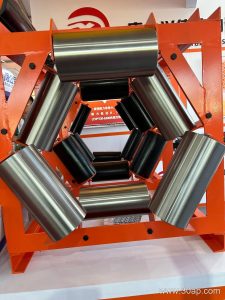
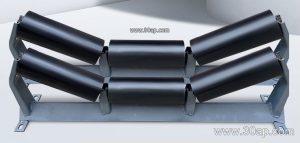
A trough idler bracket set is the support frame that holds the carrying idlers in a troughed position under a conveyor belt. Instead of letting the belt run flat, the brackets lift the outer idler rollers so the belt forms a shallow channel. That channel keeps bulk material centered on the belt, reduces spillage at transfer points, and helps the belt track more steadily along the conveyor structure.
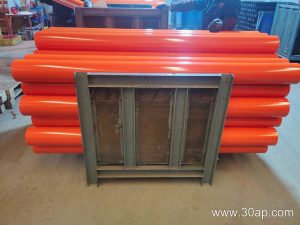
The set usually includes the left and right bracket arms, a cross beam, and the mounting points for the idler shafts. On many conveyors the brackets are bolted to the stringer or main frame, while the idler roller sits in the notches or seats formed by the bracket arms. Because the bracket set controls the trough angle, it directly affects how the belt carries material and how the load is distributed across the idlers.
How the Bracket Set Is Built
Most trough idler bracket sets are fabricated from angle steel, channel steel, or folded steel plate. The material choice depends on the conveyor duty, the environment, and the load carried. A heavy-duty mining conveyor often uses thicker folded plate or channel sections, while a lighter aggregate line may use angle steel brackets.
Key construction details include:
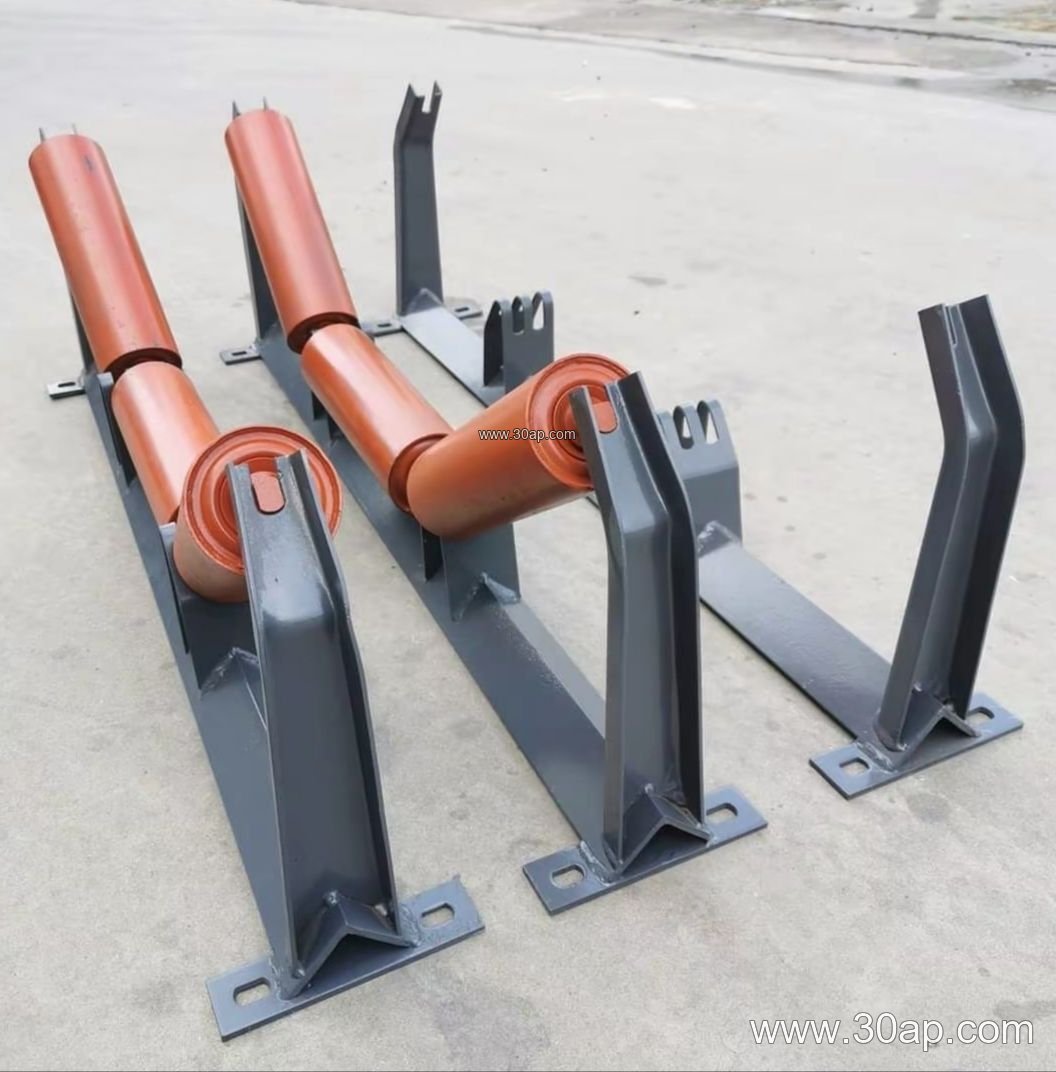
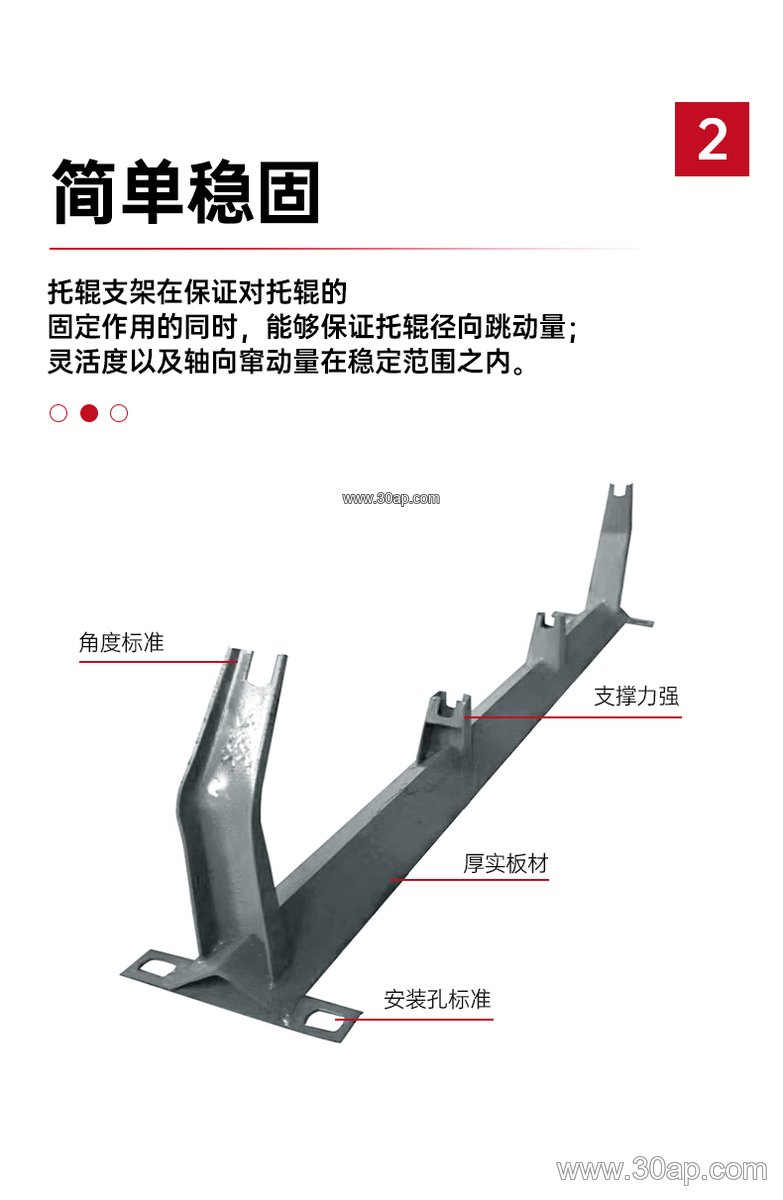
- Bracket arms formed to the required trough angle, with seats or slots for the idler shaft.
- A cross beam that sets the spacing between the left and right arms.
- Mounting holes that match the conveyor frame; hole spacing and beam length vary with belt width and trough angle.
- Optional adjustable arms that allow the operator to change the trough angle on site.
Common trough angles are 20, 30, 35, and 45 degrees. Adjustable brackets can be set between these angles, which is useful when a conveyor handles different materials or when the belt needs fine tuning after installation.
Typical Applications Across Industries
Trough idler bracket sets appear wherever a conveyor belt carries bulk material. In a quarry or stone crushing line, they support the belt under crushed rock and aggregate. In a coal washing plant or power plant coal yard, they help keep coal centered on the belt. Cement plants, iron ore handling, port ship loading, and fertilizer or grain silo operations also use these brackets as part of the conveyor idler frame.
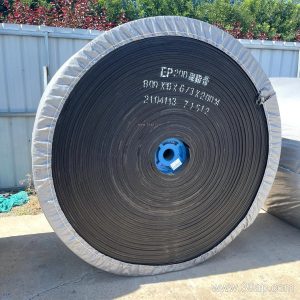
The bracket set works together with the conveyor belt, the idler roller, and the conveyor pulley. A well-aligned bracket keeps the idlers at the correct angle, which in turn helps the belt run true and reduces edge wear. On a long overland conveyor carrying abrasive ore, the brackets must hold the idlers firmly so the belt does not sag or drift.
Matching Brackets to Belt Width and Idler Diameter
Belt width and idler diameter are the first things a buyer should confirm. Bracket sets are commonly made for belt widths such as B500, B650, B800, B1000, B1200, B1400, B1600, B1800, B2000, B2200. The idler diameter is usually matched to the load and belt speed, with common roller sizes including Ø89, Ø108, Ø133, Ø159, and Ø194.
Some typical combinations are shown below as reference examples, not fixed rules:
| Belt Width | Trough Angle | Idler Diameter | Typical Use |
|---|---|---|---|
| B650 | 30 degrees | Ø89 | Light aggregate or sand line |
| B800 | 35 degrees | Ø108 | General bulk material handling |
| B1200 | 45 degrees | Ø133 | Heavy ore or coal conveyor |
| B1400 | 35 degrees | Ø159 | High-capacity plant conveyor |
A wider belt does not automatically require a specific trough angle, and a given belt width can work with more than one idler diameter. The final combination depends on the conveyor design, material density, belt speed, and the load per idler. Buyers should confirm mounting hole spacing and cross beam length with the conveyor frame drawing rather than assuming a standard size.
Fixed, Adjustable, and Transition Brackets
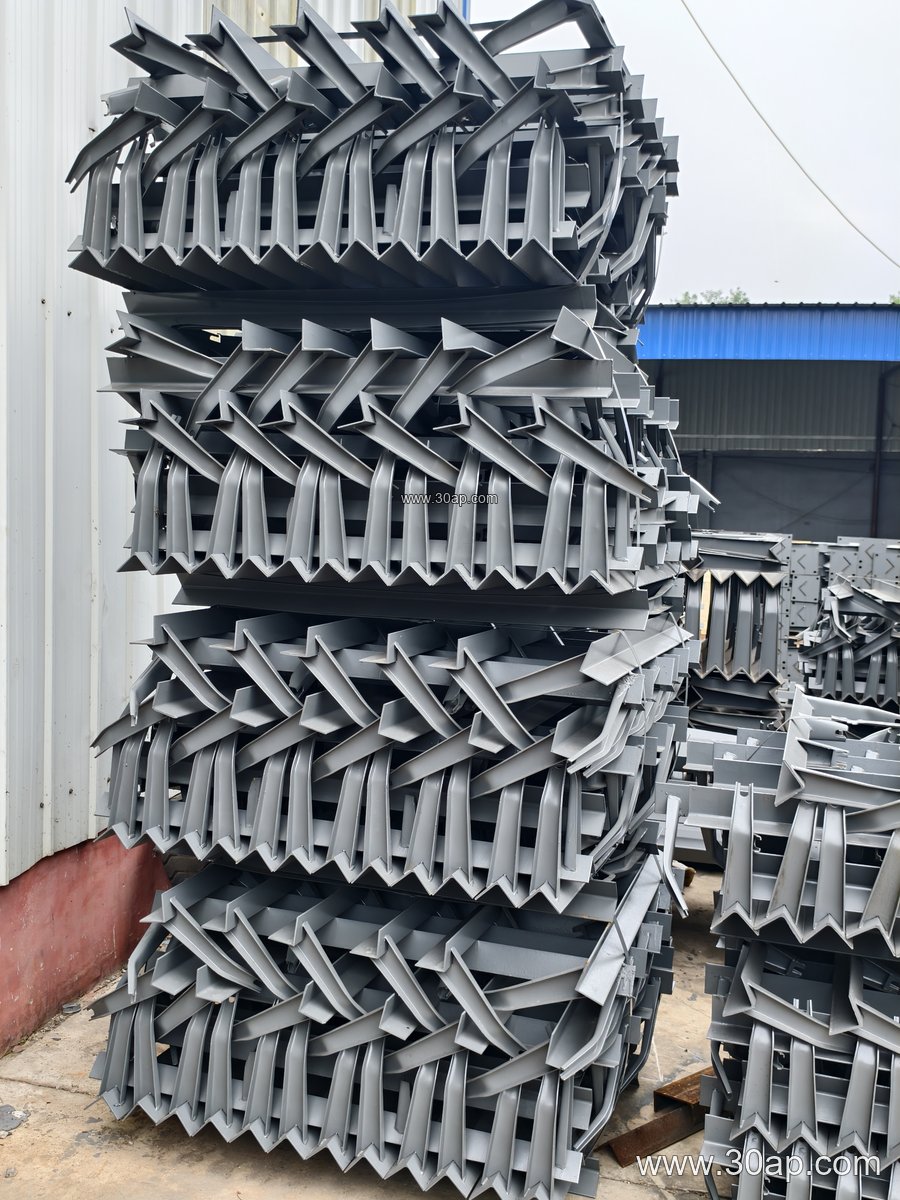
Not every trough bracket set is the same. Fixed brackets hold one trough angle, while adjustable brackets let maintenance crews change the angle within a range. Transition brackets are used near the tail or head area where the belt changes from flat to troughed, and they help the belt make that transition without stress. Return brackets and V-return brackets support the belt on the return side, but they are a different part of the conveyor frame and should not be confused with the carrying trough set.
Forward-leaning brackets, often set about 1.5 to 2 degrees, are used to help with belt training. Buffer brackets are used at loading points where impact is high. Each type serves a specific position, so a buyer should identify whether the bracket is for the carrying side, the return side, or a transition zone.
Buying and Maintenance Notes
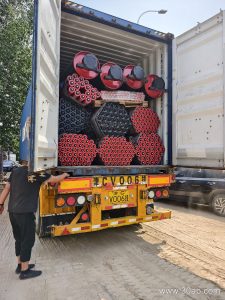
When ordering a trough idler bracket set, confirm the belt width, trough angle, idler diameter, mounting hole pattern, and the frame type. Check that the bracket material suits the site conditions, especially in coal mining, cement, or port environments where dust and moisture are present. During maintenance, inspect the bracket seats for wear, verify that the idler shafts sit properly, and check bolt tightness after the first weeks of operation. A loose or worn bracket can cause the idlers to misalign, which may lead to belt edge damage and material spillage.
For a complete conveyor line, the bracket set should be selected together with the conveyor belt, idler roller, and conveyor pulley so the whole system works as one. More conveyor component references are available at www.bulkconveyorsolutions.com for belt and idler selection.