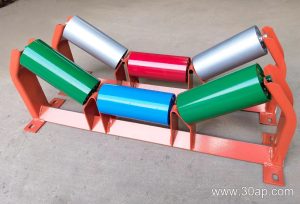
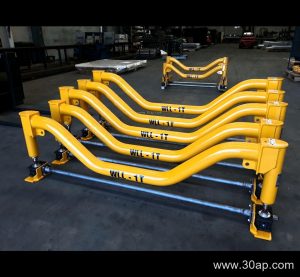
What Is a Comb Return Idler?
A comb return idler is a specialized idler roller used on the return strand of a conveyor belt. Unlike a standard flat return roller, it features a series of rubber or polyurethane discs spaced along the shaft, resembling the teeth of a comb. These discs support the belt and simultaneously scrape off carried material, helping to keep the return side clean. In industries such as mining, coal preparation, cement plants, and power generation, this idler is often chosen where sticky or wet bulk materials tend to adhere to the belt.
Also known as a comb-type return roller or disc return idler, this component is distinct from drive pulleys, tail pulleys, and bend pulleys, which serve entirely different functions in a conveyor system. While a bend pulley changes belt direction, the comb return idler focuses on support and cleaning on the return run.
Construction and Key Components
The comb return idler typically consists of a central shaft, bearing housings, and a series of flexible discs mounted at intervals. The discs are often made of abrasion-resistant rubber or polyurethane, selected to withstand repetitive contact with the belt. The shaft ends are fitted with bearings—common sizes include 6204, 6205, 6305, and 6308—chosen according to the load and speed requirements. The roller surface may be plain steel, but the comb effect comes from the disc arrangement rather than a continuous shell.
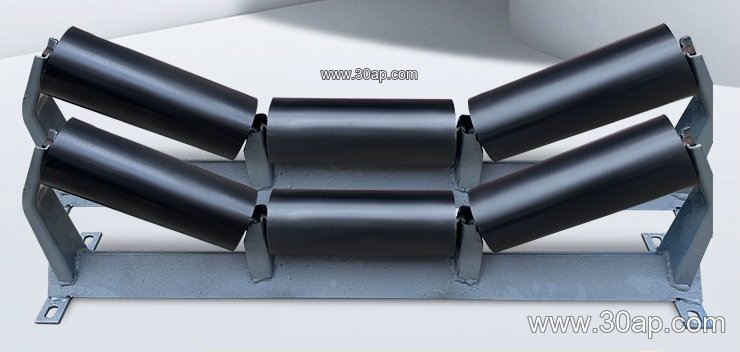
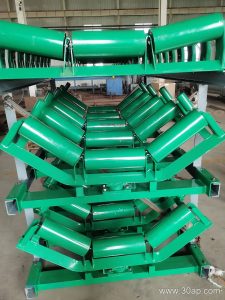
Sealing is critical: dust and fine particles are common in quarry and aggregate lines, so effective labyrinth seals or contact seals help extend bearing life. The idler is mounted on conveyor brackets that allow easy installation and replacement. Unlike a troughing idler, which supports the loaded side with a trough angle, the comb return idler sits flat under the return belt and relies on gravity and belt tension to maintain contact.
Where It Is Used
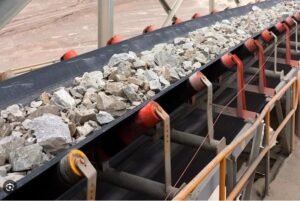
Comb return idlers are frequently found in coal mining conveyor systems, especially where coal dust and moisture create buildup on the belt. They are also used in cement plants handling clinker and raw meal, and in power plant coal handling sections. In sand and gravel operations, the idler helps remove fine particles that would otherwise drop into the return path and cause misalignment or premature wear on other idlers. The cleaning action reduces the need for manual scraping and lowers the risk of material carryback.
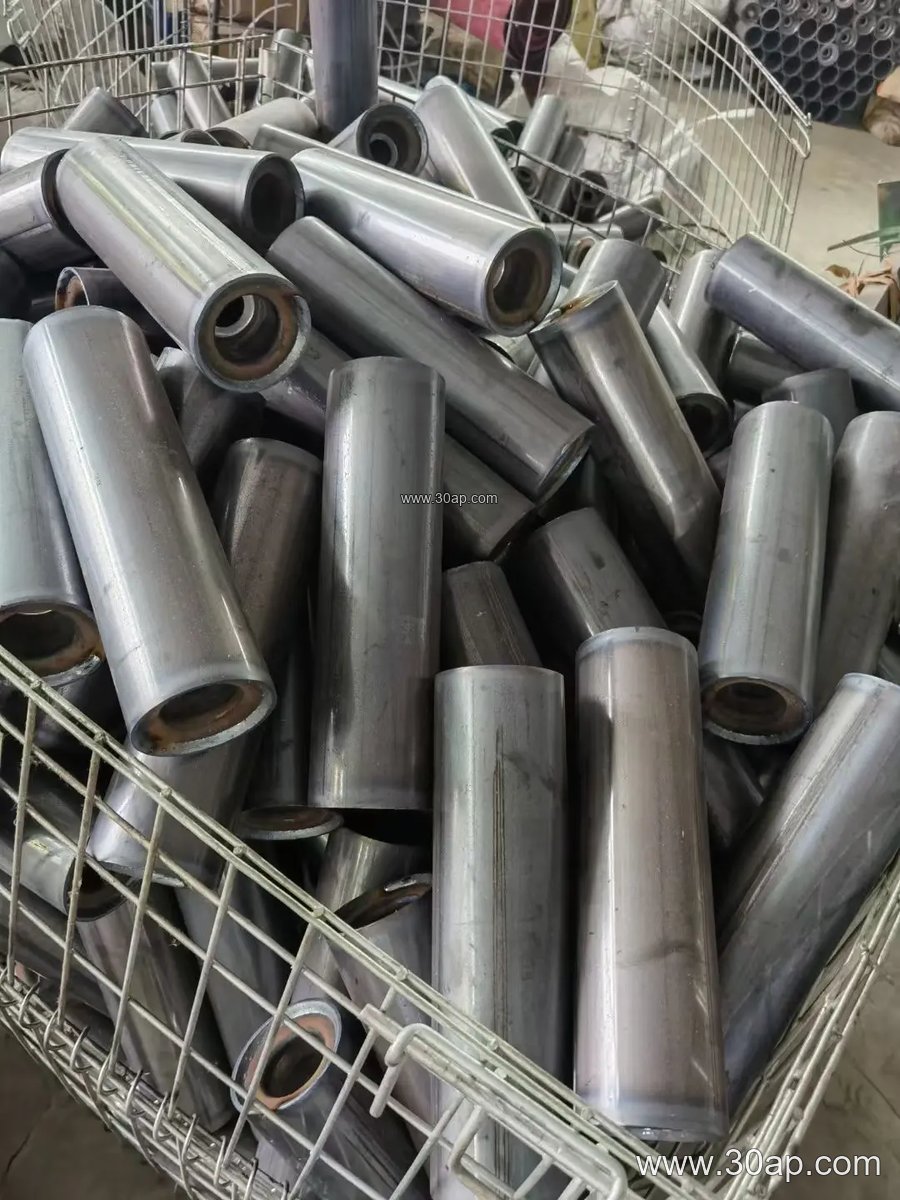
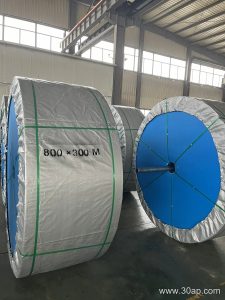
For conveyors using a rubber conveyor belt or an EP conveyor belt, the comb return idler can be a practical addition to the return run. It is not a substitute for a primary belt cleaner but complements it by addressing residual material that passes the scraper.
Selection and Sizing Notes
Choosing a comb return idler involves matching the roller diameter and length to the conveyor belt width and the idler group configuration. Common roller diameters for return idlers include Ø89, Ø102, Ø108, Ø127, and Ø133 mm, though larger diameters such as Ø159 mm may be used on wider belts or heavier loads. Belt widths from B500 to B2000 are typical, and the idler length should be selected so that the belt is supported across its full width without overhang.
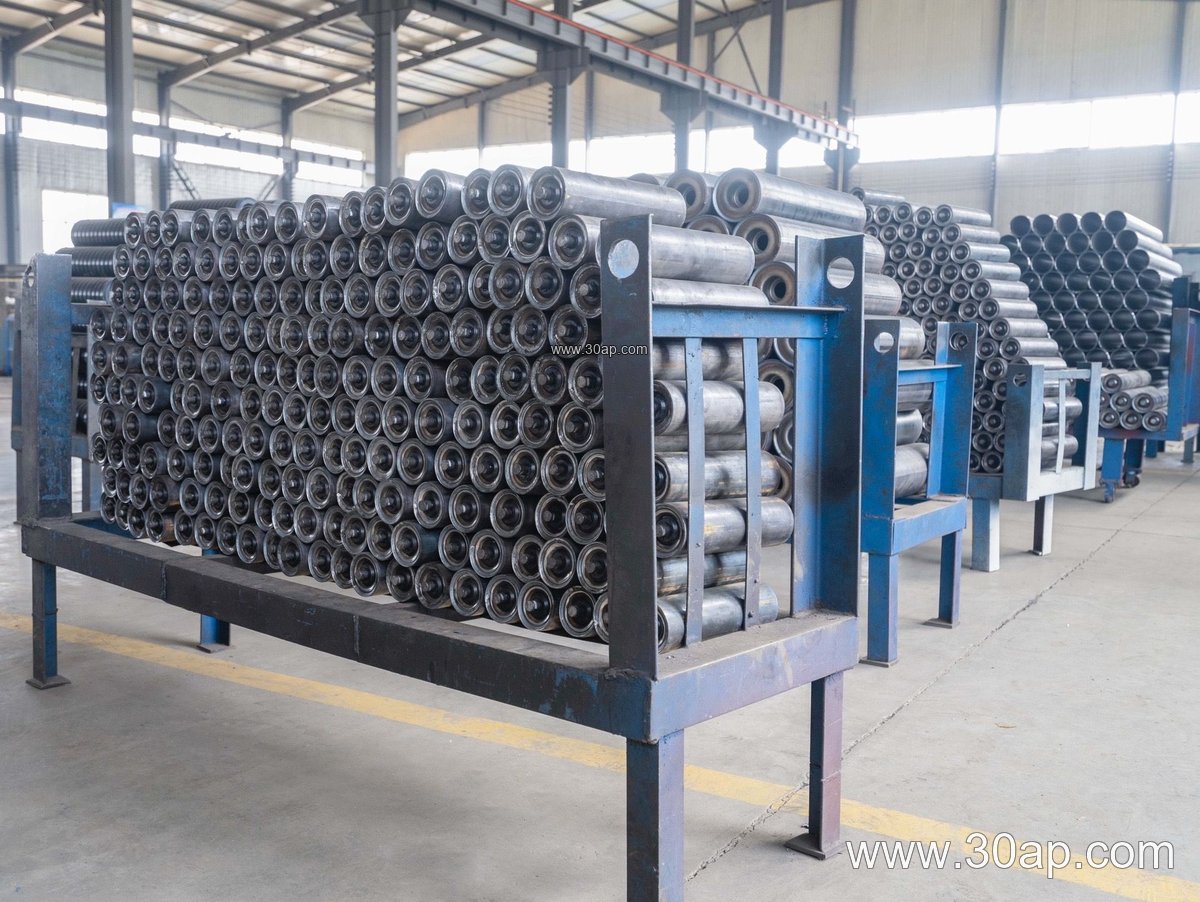
The following table lists common comb return idler sizes for reference only; actual dimensions should be confirmed with the conveyor design. These are not fixed pairings, and a given belt width may accommodate different roller diameters depending on load and speed.
| Belt Width | Common Roller Diameter | Typical Idler Length | Common Bearing |
|---|---|---|---|
| B500 | Ø89 mm | 600 mm | 6204 |
| B650 | Ø89–Ø102 mm | 750 mm | 6205 |
| B800 | Ø102–Ø108 mm | 950 mm | 6305 |
| B1000 | Ø108–Ø127 mm | 1150 mm | 6306 |
| B1200 | Ø127–Ø133 mm | 1400 mm | 6308 |
| B1400 | Ø133–Ø159 mm | 1600 mm | 6308 |
| B1600 | Ø159–Ø178 mm | 1800 mm | 6310 |
Disc spacing and hardness also matter: too soft a disc may wear quickly, while too hard a disc can damage the belt cover. For heat resistant conveyor belt applications, disc material should be chosen to withstand elevated temperatures without hardening or cracking. In cold climates, a cold resistant conveyor belt may require discs that remain flexible at low temperatures.
Maintenance and Buyer Considerations
Buyers should check that the comb return idler is compatible with the existing conveyor bracket spacing and that the bearing type suits the operating environment. In dusty or wet conditions, sealed-for-life bearings reduce maintenance. Regular inspection of disc wear is important; worn discs lose cleaning efficiency and may allow material buildup. When replacing, ensure the new idler matches the shaft diameter and mounting centers of the old unit.
For conveyors carrying abrasive materials, pairing the comb return idler with an abrasion resistant conveyor belt can extend service life. In coal mining, flame retardant conveyor belt and anti-static conveyor belt properties are often required for safety, and the idler should not compromise those features. Always refer to the conveyor design manual for specific idler spacing and load ratings.